The integration of cutting-edge technology with sustainable farming practices has given rise to a remarkable shift in modern agriculture: smart aquaponics. By leveraging a closed-loop system, this approach optimizes water use, resource management, and yields, all while maintaining a harmonious balance between the cultivated fish and plants. From remote monitoring to automated nutrient dosing, the advances in precision farming have turned traditional aquaponics into an impressive, data-driven operation that can maximize both profitability and environmental stewardship.
Principles of Smart Aquaponics
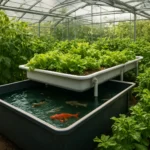
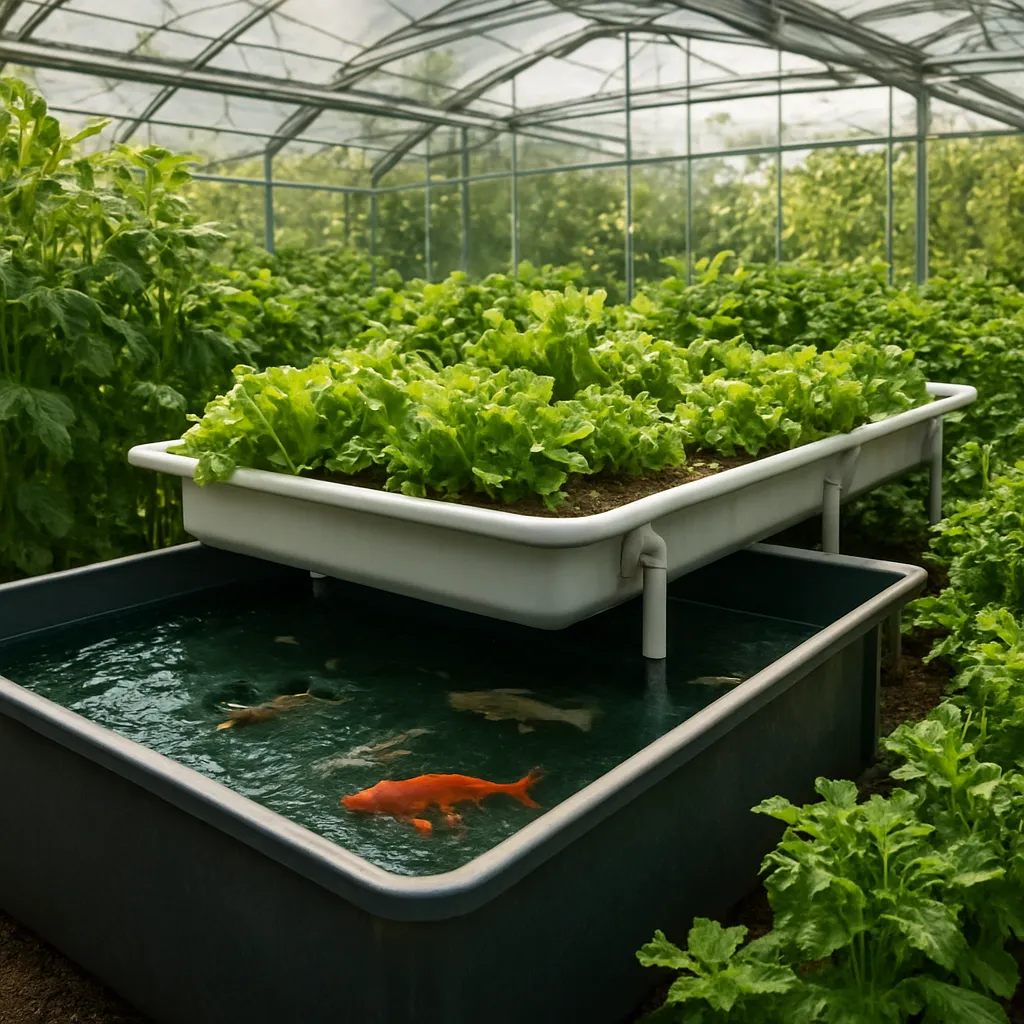
At its core, aquaponics unites hydroponics (soilless plant cultivation) with aquaculture (fish farming) to create a sustainable ecosystem. Waste ammonia excreted by fish is converted by nitrifying bacteria into nitrates, which serve as natural fertilizer for plants. In turn, the plant roots purify the water, returning it to the fish tanks in a clean and oxygenated state. This cycle minimizes water consumption by up to 90% compared to soil-based agriculture and nearly eliminates the need for chemical fertilizers.
Key elements of a smart system include:
- Nutrient cycling: Continuous biological conversion ensures optimal growing conditions.
- Water quality control: Automated pH and dissolved oxygen regulation maintains fish health.
- Resource efficiency: Recirculating pumps and sensors limit waste and energy usage.
- Scalability: Modular designs allow expansion from hobbyist setups to industrial-scale farms.
By monitoring critical parameters such as temperature, water flow, and nutrient concentration, producers can safeguard against imbalances that lead to fish stress or crop failure. The integration of IoT devices has transformed manual sampling into a real-time, predictive management process.
Technological Innovations Driving Efficiency
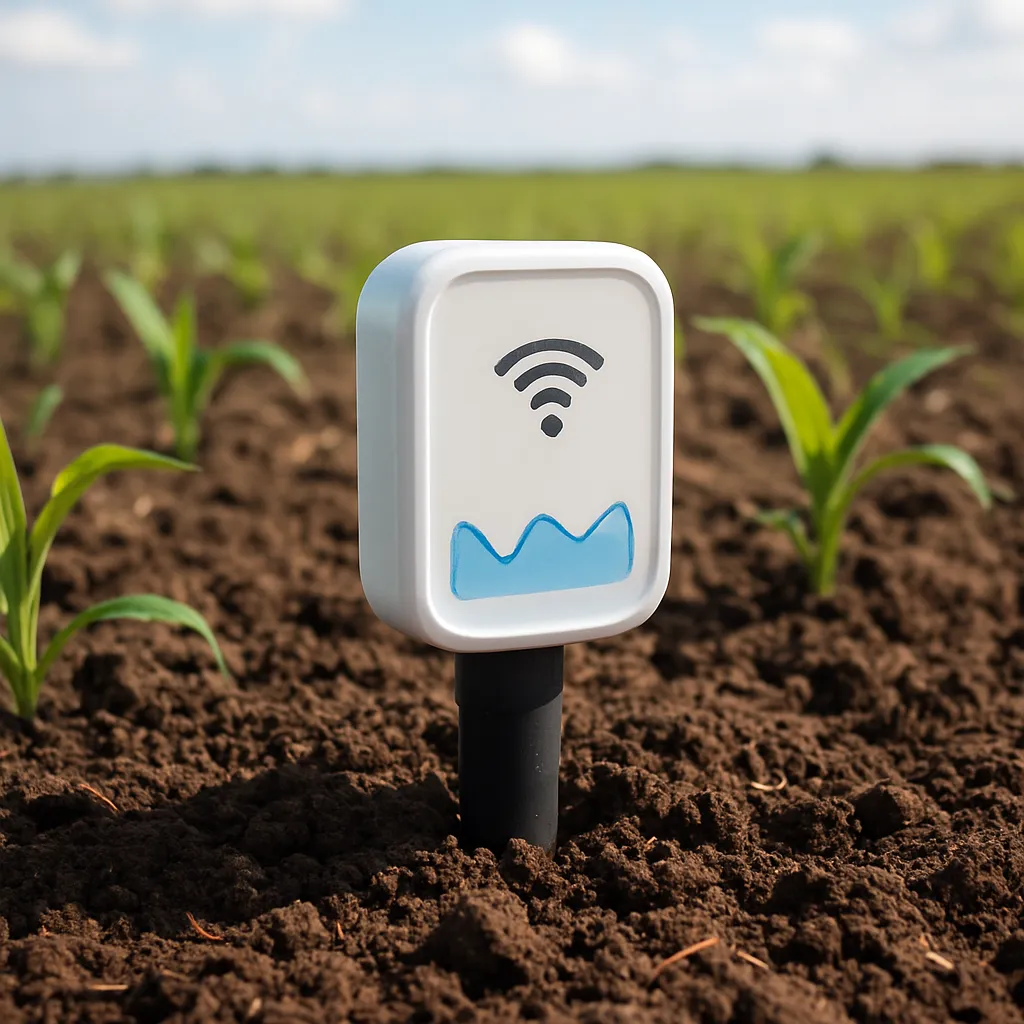
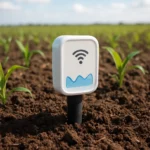
The rise of low-cost microcontrollers and cloud-based platforms has propelled smart aquaponics into a new era of precision. Farmers can now deploy wireless sensor networks throughout their grow beds and tanks, enabling continuous data collection on variables like conductivity, turbidity, and ammonia levels. These readings feed into algorithms that trigger automated dosing systems or alerts for human intervention.
Sensors and Automation
High-resolution sensors measure fluctuations in water chemistry, sending data every few minutes to a central hub. When nutrient levels deviate from set thresholds, the system automatically dispenses a calculated dose of supplemental minerals or adjusts the flow rate to optimize root exposure. This level of control minimizes manual labor and reduces human error, making the entire operation more innovative and reliable.
Data Analytics and Machine Learning
Advanced growers utilize data analytics to forecast potential issues before they escalate. By applying machine learning models to historical and live data, the system can predict nutrient deficiencies or fish health anomalies. These insights empower managers to fine-tune feeding schedules, light cycles, and harvest times for peak crop yield.
Remote Monitoring and Management
Mobile apps and web dashboards offer a window into every aspect of the farm, from tank water levels to plant growth rates. Growers receive push notifications for critical events—such as pump failures or temperature spikes—allowing them to respond instantly, even when offsite. This connectivity ensures constant oversight, which is particularly valuable for large-scale operations spanning multiple locations.
Economic and Ecological Balance in Practice
Striking the right balance between ecosystem integrity and financial returns is the hallmark of successful smart aquaponics ventures. By cutting reliance on external inputs and reducing waste, operators can lower operating costs while maintaining premium-quality produce and fish.
Cost-Benefit Analysis
Initial setup expenses for a fully automated system can be significant, covering construction, sensors, pumps, and software licenses. However, long-term savings from reduced water bills, minimal fertilizer purchases, and lower labor costs often result in a break-even period of two to three years. After that point, farms can realize consistent profit margins that outperform many conventional agricultural models.
Market Opportunities
Consumers are increasingly willing to pay a premium for locally produced, pesticide-free greens and sustainably farmed fish. Restaurants, grocery chains, and direct-to-consumer platforms all seek reliable suppliers that can demonstrate traceable production methods. Smart aquaponics farms leverage their high-tech credentials to differentiate their brands and access niche markets focused on health and environmental responsibility.
Environmental Impact
Beyond economic gains, smart aquaponics contributes to resource conservation on multiple fronts. Water recycling greatly alleviates pressure in drought-prone regions. Eliminating synthetic fertilizers and pesticides protects surrounding soil and water bodies from contamination. Moreover, the compact footprint of vertical and modular designs reduces land use compared to sprawling field agriculture.
Future Prospects for Smart Aquaponics
As the global population continues to grow, the demand for efficient food production systems will only intensify. Smart aquaponics stands poised to play a pivotal role in urban and peri-urban farming scenarios, where space is scarce, and sustainability is paramount. Key trends to watch include:
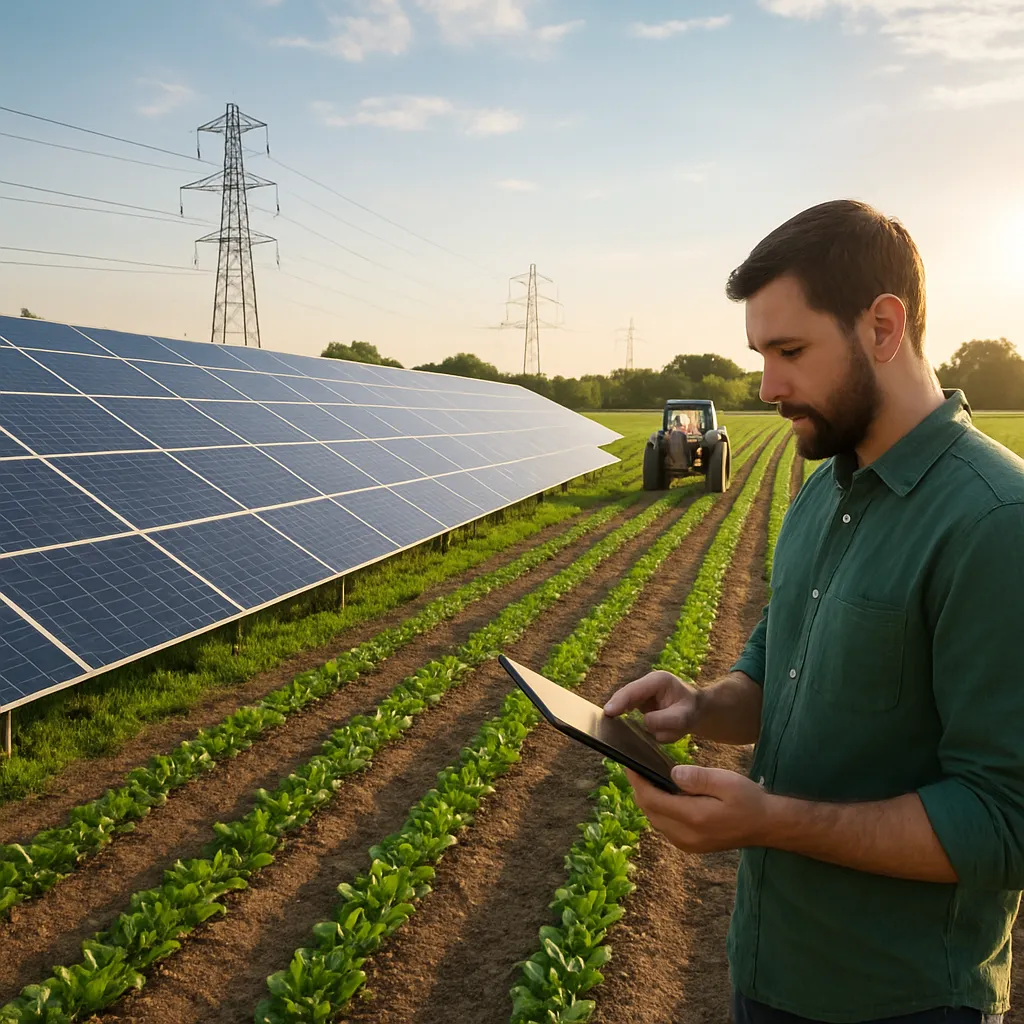
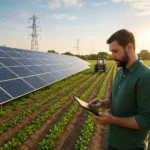
- Integration of renewable energy sources (solar panels, biogas) to further cut operating expenses.
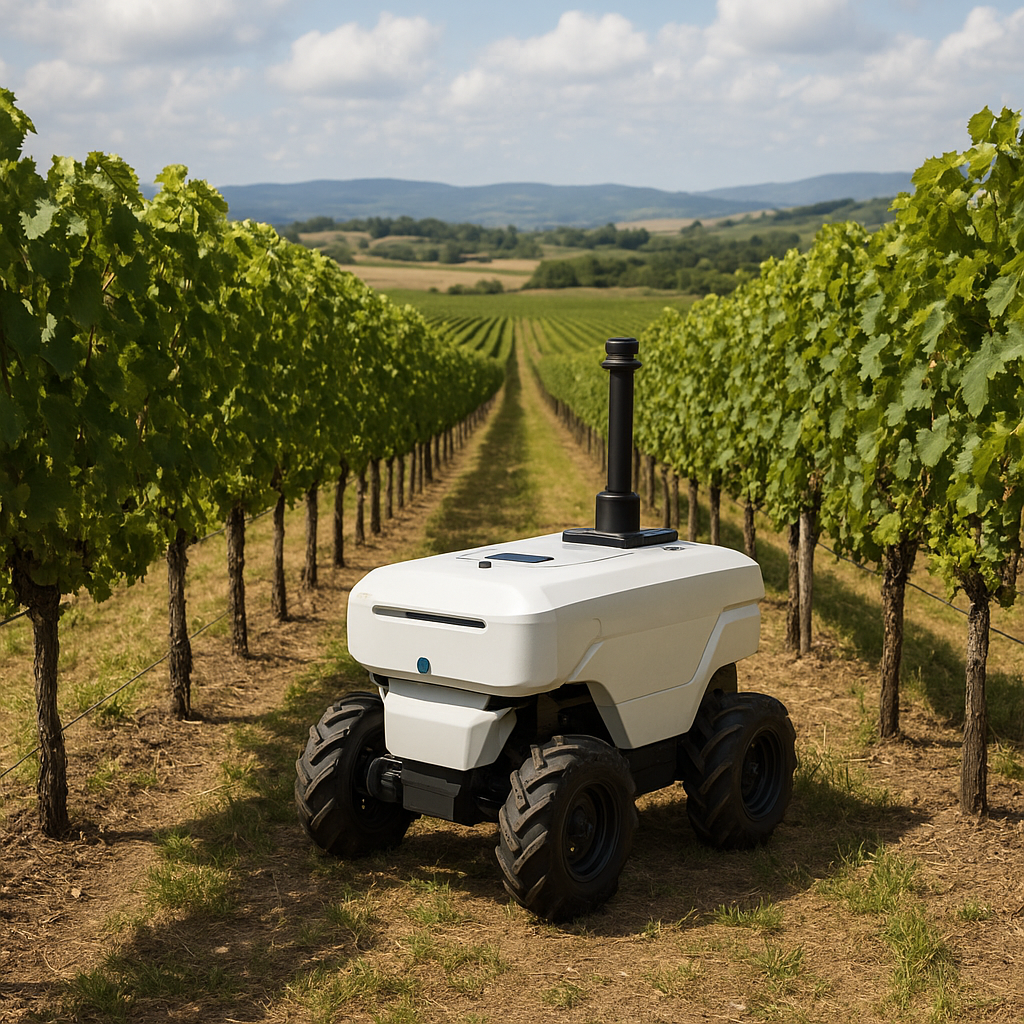
- Enhanced use of robotics for seeding, transplanting, and harvesting tasks.
- Development of open-source platforms that democratize access to cutting-edge control software.
- Customization of microbial consortia to boost fish and plant health simultaneously.
By merging the principles of ecology with rigorous business strategies, smart aquaponics systems embody the future of agriculture. They deliver a compelling blend of innovation, resilience, and environmental respect—ensuring that growers can thrive today while safeguarding resources for generations to come.