
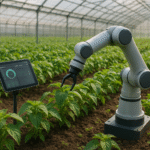

Faced with mounting environmental pressures and a rapidly expanding population, a transformative approach to farming has taken root across the globe. Regenerative Agriculture champions a shift from extractive methods toward systems that actively **renew**, **nurture**, and **revitalize** the land. By embracing holistic practices, this movement seeks to balance high **productivity** with the restoration of vital ecosystem functions, ensuring a future where both people and the planet can thrive.
Origins and Evolution of Regenerative Practices
The concept of working with nature rather than against it can be traced to early indigenous and peasant traditions, yet modern regenerative agriculture gained momentum in the late 20th century. In response to soil erosion, biodiversity loss, and water scarcity, researchers and practitioners began to document the benefits of **diversified** systems. Prominent voices such as Allan Savory, Gabe Brown, and the Rodale Institute played pivotal roles in popularizing methods like holistic grazing, cover cropping, and reduced tillage.
Holistic Grazing and Community Knowledge
Holistic Planned Grazing, pioneered by Allan Savory, uses livestock to mimic natural herbivore movement patterns. By rotating herds through carefully planned paddocks, farmers can:
- Revitalize degraded grasslands
- Enhance soil organic matter
- Improve water infiltration
- Support a wider range of plant and animal species
Research and Demonstration Farms
Institutes dedicated to regenerative studies have established demonstration farms worldwide. These living laboratories showcase how integrating **agroforestry**, perennial polycultures, and living mulches can achieve both high yields and robust ecosystem health.
Core Principles Guiding Regenerative Agriculture
At the heart of regenerative agriculture lie several interwoven principles that redefine the relationship between farming and the environment:
- Soil Health First: Emphasizing the protection and rebuilding of the soil’s biological network.
- Diversity: Cultivating a mosaic of species to strengthen system **resilience**.
- Minimal Disturbance: Reducing mechanical tillage and synthetic inputs to preserve soil structure and microbial life.
- Carbon Sequestration: Capturing atmospheric carbon in the soil through photosynthesis and organic amendments.
- Water Management: Enhancing retention and reducing runoff via cover crops, agroforestry, and pasture integration.
- Feedback Loops: Monitoring ecological indicators and adjusting practices in real time.
By prioritizing these tenets, farmers can foster a positive cycle: healthy soil promotes vigorous plant growth, which in turn returns more organic material underground, further enriching the earth for the next generation.
Innovative Techniques Transforming Farmlands
Regenerative agriculture thrives on a toolbox of interrelated strategies that can be tailored to local climates, soils, and community needs. These include:
Cover Cropping and Green Manures
Year-round plant cover shields bare soil from erosion and feeds soil microorganisms. Common cover crops such as clover, vetch, and rye are selected for their ability to:
- Fix atmospheric nitrogen
- Suppress weeds naturally
- Enhance water infiltration
Agroforestry and Silvopasture
Integrating trees with crops or livestock creates multifunctional landscapes. Benefits include:
- Microclimate regulation
- Habitat for pollinators and beneficial insects
- Timber, fruit, and fodder production alongside annual harvests
No-Till and Low-Till Systems
By avoiding disruptive plowing, soils retain:
- Stable aggregation of particles
- Mycorrhizal connectivity among plant roots
- Increased carbon retention
Composting and Biochar Applications
Amending fields with compost or biochar can dramatically boost nutrient availability and moisture-holding capacity. These practices are essential for restoring depleted farmland to a state of vigorous productivity.
Environmental and Socioeconomic Impacts
The ripple effects of adopting regenerative methods extend far beyond individual farms. Key outcomes include:
- Enhanced Ecosystem Services: Clean water, pollination support, and pest regulation emerge organically from biodiverse landscapes.
- Climate Mitigation: Soils enriched through these practices can sequester up to several tons of carbon per hectare annually.
- Economic Resilience: Reduced input costs and diversified revenue streams decrease dependency on volatile commodity markets.
- Food Security: Healthier soils yield more nutritious crops, addressing global challenges of malnutrition and hunger.
- Community Empowerment: Farmer-to-farmer networks and participatory research foster knowledge exchange and local leadership.
Across continents, regenerative initiatives have shown measurable improvements in yields, ecosystem health, and farmer livelihoods, signaling a viable pathway toward a more sustainable and equitable agricultural future.
Challenges, Innovations, and the Road Ahead
Despite clear advantages, transitioning to regenerative systems requires overcoming logistical, financial, and cultural hurdles:
- Initial investment in new equipment and training
- Risk tolerance for experimental crop rotations or grazing designs
- Market structures that favor conventional monocultures
- Policy frameworks still tailored to high-input agriculture
To surmount these barriers, stakeholders are mobilizing on several fronts:
Technological Solutions
Precision agriculture tools, remote sensing, and mobile apps empower farmers to monitor soil moisture, nutrient levels, and biomass growth in real time, refining their regenerative strategies for maximum impact.
Innovative Financing
Emerging models like carbon credit markets, impact investing, and public-private partnerships offer new funding streams to support the upfront costs of regenerative transitions.
Policy and Education
Advocacy efforts are driving the creation of incentives for soil health initiatives, while universities and non-profits are developing curricula that blend traditional wisdom with cutting-edge science.
The convergence of ancient knowledge and modern innovation underscores regenerative agriculture’s capacity to heal degraded lands, fortify food systems, and build more **resilient** communities. As more farmers, consumers, and policymakers embrace this paradigm, the goal of feeding the world while restoring the Earth becomes ever more attainable.