
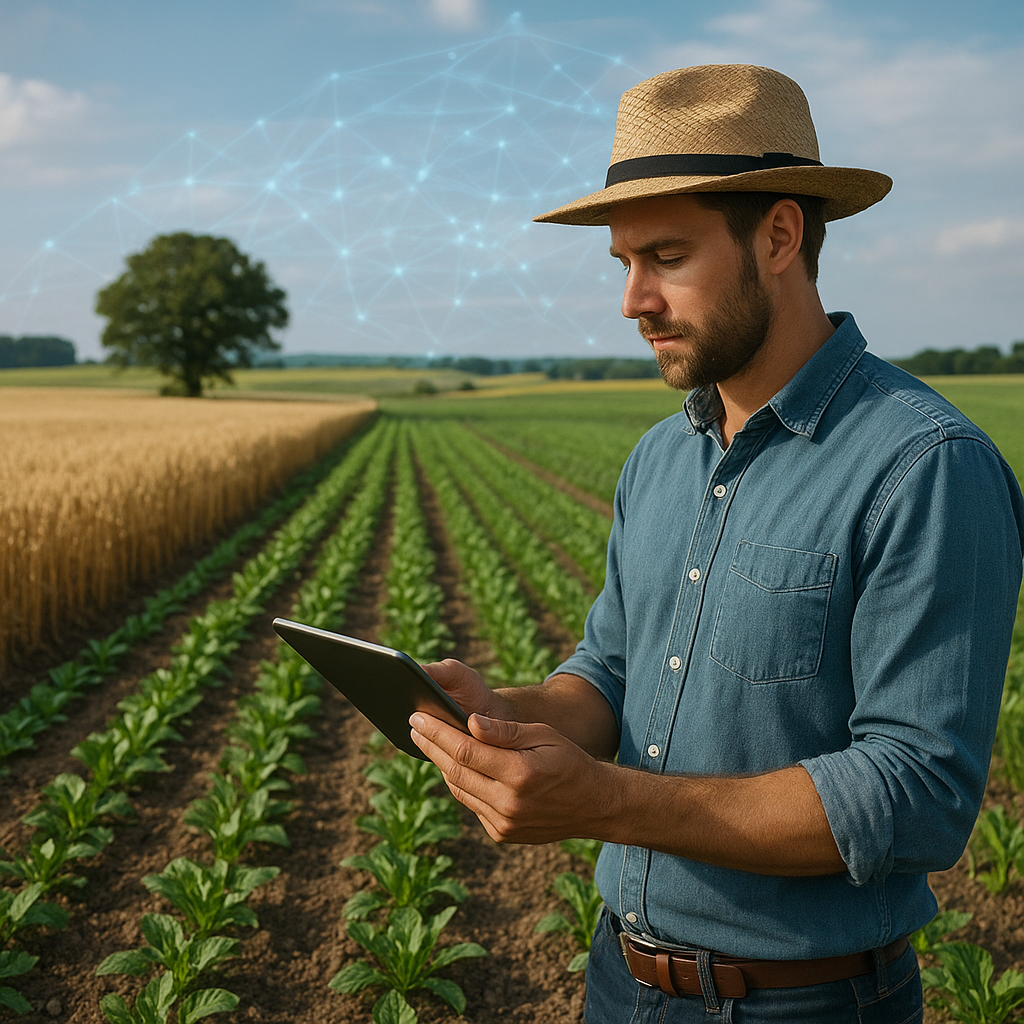
Embracing a blend of traditional wisdom and modern tools, crop rotation has reemerged as a cornerstone of sustainable agriculture. Far from being a relic of the past, this practice now finds new vigor in the era of digital innovation. By interweaving computerized insights with time-tested growing cycles, farmers unlock enhanced soil health, boost yield potential, and foster resilient ecosystems that withstand environmental pressures. The synergy between agronomic heritage and cutting-edge technology heralds a new chapter in impressive agriculture.
Innovative Approaches to Crop Rotation
Key Principles of Rotation Planning
Effective crop rotation rests on a few fundamental principles. First, diversifying plant families in sequential seasons disrupts pest life cycles, reducing dependency on chemical inputs. Second, alternating deep- and shallow-rooted species enhances nutrient distribution across soil layers. Third, strategic legume integration naturally enriches soil with nitrogen, curbing the need for synthetic fertilizers. By adhering to these guidelines, modern farms can sustain long-term productivity while honoring the land.
Designing Rotation Schemes
Designing an optimal rotation calls for balancing crop characteristics and market demands. A typical scheme might include:
- Year one: a heavy feeder like maize or corn to exploit existing nutrients;
- Year two: legumes such as soybeans or peas for nitrogen fixation;
- Year three: root vegetables—beets or carrots—that tap subsoil resources;
- Year four: cover crops like clover or rye to suppress weeds and restore structure.
This sequence can be adjusted based on regional climate, pest pressures, and commercial goals, weaving flexibility into the rotation plan.
Leveraging Digital Technologies
Precision Agriculture Tools
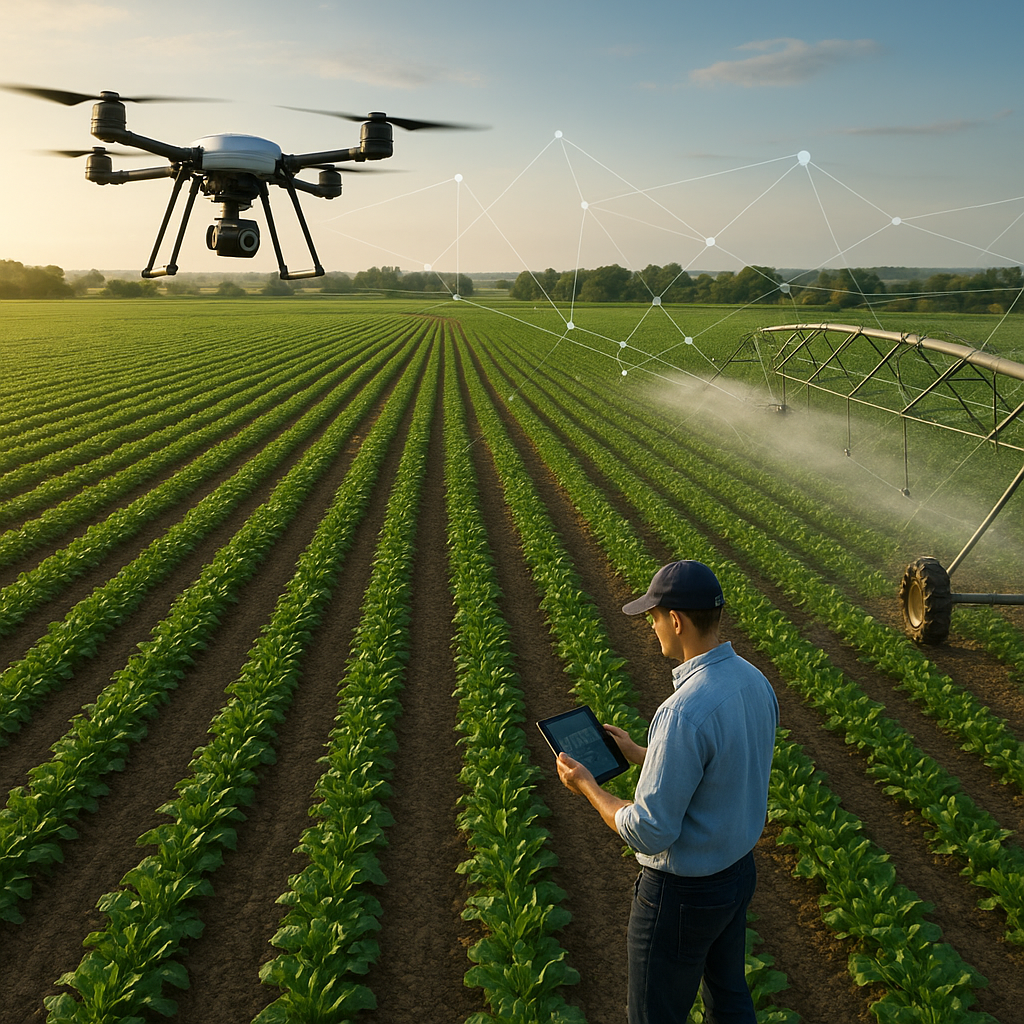
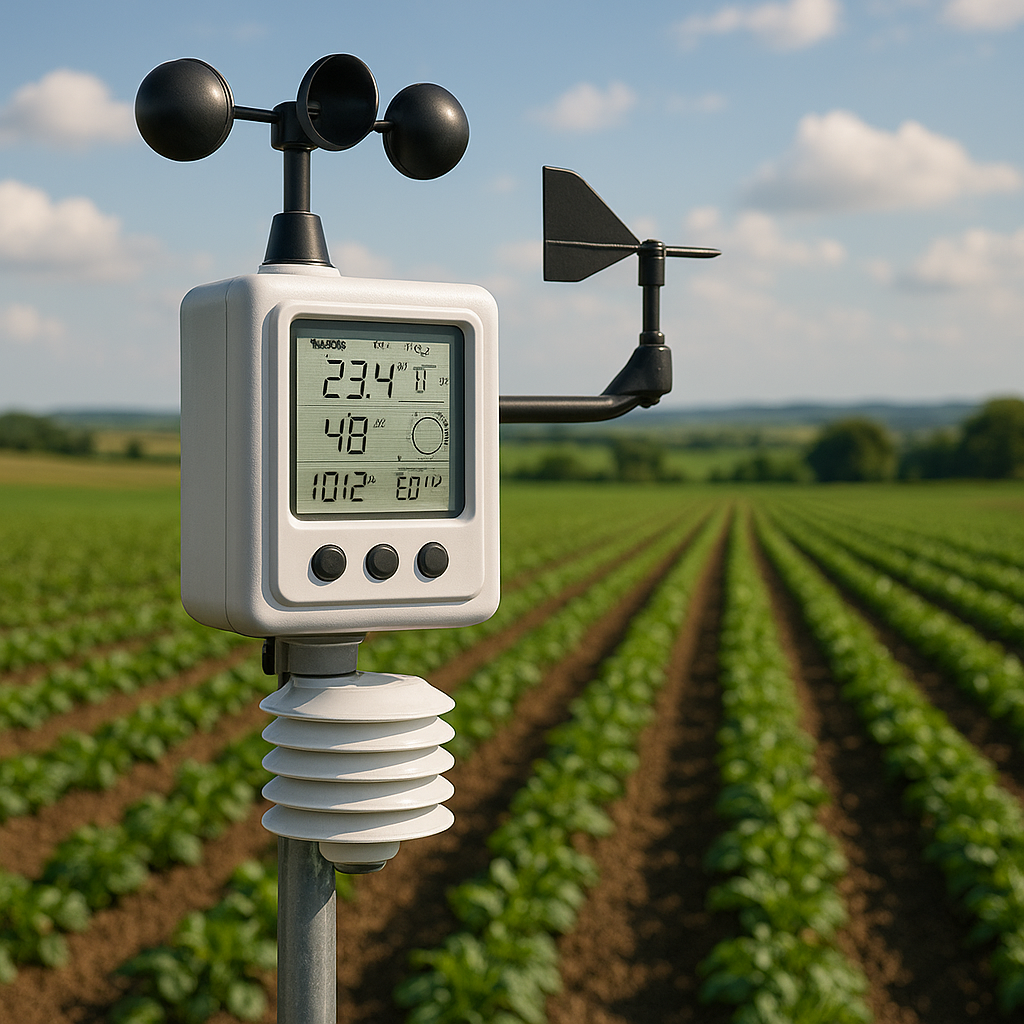
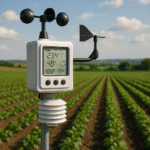
Technology has revolutionized how rotations are monitored and optimized. Precision agriculture employs GPS-guided machinery, drones, and soil sensors to gather real-time data. These instruments measure moisture levels, nutrient concentrations, and plant health indicators, empowering farmers to make informed decisions about which crops to plant next. Automated data analytics platforms then translate raw readings into actionable recommendations, elevating farm management from gut instinct to evidence-based strategy.
Data Analytics and Machine Learning
Advanced algorithms analyze historical yield maps, weather patterns, and pest incidence to forecast the ideal rotation sequences. Machine learning models can identify subtle correlations—say, between a particular cover crop and improved drought tolerance in the subsequent cash crop. These insights guide farmers toward rotations that enhance resilience against climate volatility, optimize resource use, and elevate overall profitability.
Mobile Applications and Cloud Platforms
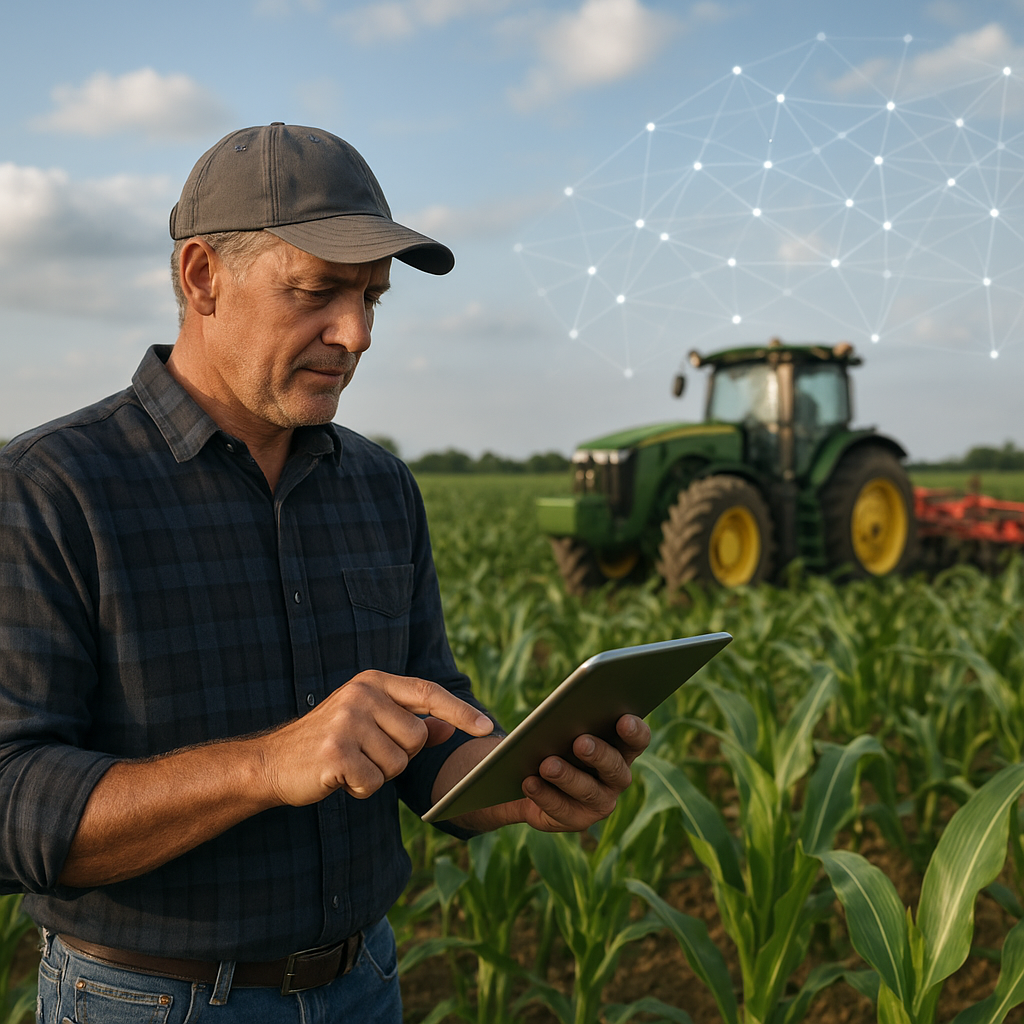
Farmers now deploy mobile apps to log daily field observations, record planting dates, and track soil amendments. Cloud-based dashboards aggregate this information, allowing agronomists and managers to collaborate remotely. Notifications alert stakeholders when a rotation stage must commence—such as sowing a green manure crop—ensuring that operations remain on schedule. This seamless integration of hardware and software transforms crop rotation from a periodic task into a dynamic, continuous process.
Environmental and Economic Impact
Enhancing Biodiversity
Rotational systems naturally support a mosaic of habitats, fostering a variety of soil microorganisms, insects, and wildlife. Diverse plantings impair the dominance of harmful pathogens and promote beneficial organisms like mycorrhizal fungi. This increase in biodiversity yields a more balanced agroecosystem, reducing reliance on pesticides and encouraging beneficial predators to thrive.
Soil Conservation and Carbon Sequestration
By alternating deep- and shallow-rooted crops, soil structure is maintained, minimizing erosion and compaction. Cover crops, central to many rotations, act as living mulches that trap carbon in biomass and underground root networks. Over time, this process sequesters significant amounts of CO₂, contributing to environmental stewardship and helping farms qualify for carbon credit programs.
Economic Advantages
While initial setup of rotational schemes and associated digital tools may require investment, long-term returns are substantial. Benefits include:
- Reduced fertilizer and pesticide expenditures;
- Higher average yields due to improved soil health and nutrient cycling;
- Lower risk of crop failure through diversification;
- Premium market pricing for sustainably produced goods;
- Access to grants and incentives for adopting eco-friendly practices.
Together, these factors enhance farm profitability while aligning with consumer demand for responsibly grown produce.
Future Prospects in Impressive Agriculture
Integration of IoT and Robotics
Looking ahead, the interface between the Internet of Things (IoT) and autonomous field robots will redefine crop rotation management. Soil probes and aerial drones will communicate wirelessly, adjusting planting zones in real time. Robotic planters could sow multiple species in a single pass, tailoring seed depth and density to localized conditions. This micro-precision approach further optimizes resource allocation, ensuring each crop thrives under the most favorable circumstances.
Blockchain for Traceability
Blockchain solutions are emerging to document each stage of the rotation cycle, from seed sourcing to harvest. Immutable records guarantee transparency, enabling consumers and regulators to verify claims of sustainability. Such traceability fosters trust in the supply chain and rewards farmers who commit to rigorous rotational standards with enhanced market access.
Adaptive Strategies Under Climate Change
As global weather patterns shift, rotation plans must evolve dynamically. Predictive climate models integrated into farm management systems will recommend drought-tolerant varieties or suggest delaying planting to avoid late frosts. These adaptive strategies build on the foundation of rotation, ensuring that farms remain productive despite unpredictable conditions. In this way, crop rotation transcends its traditional role, becoming a vital tool for climate adaptation and agricultural innovation.
Synergizing Tradition and Modernity
The enduring practice of crop rotation, enriched by digital innovation, exemplifies the transformative power of synergy. It brings together the collective wisdom of generations with the latest advances in precision farming, data science, and robotics. This fusion elevates agriculture to new heights of efficiency, sustainability, and ecological harmony. By embracing both the old and the new, farmers cultivate not only healthier fields but also a more prosperous and resilient future.