The rapid emergence of digital platforms is reshaping the landscape of modern agriculture, giving rise to specialized marketplaces that connect stakeholders across the supply chain. These ecosystems leverage cutting-edge tools to facilitate seamless transactions, foster transparency, and drive unprecedented levels of efficiency. As traditional farming gives way to more integrated networks, the impact of these platforms extends far beyond simple trade, unlocking new paths for innovation, resilience, and sustainability.
Harnessing Connectivity to Transform Farm-to-Table Transactions
In regions where physical distance once dictated market access, today’s online platforms are breaking down barriers. By enabling real-time communication between producers and buyers, these digital arenas empower farmers to negotiate prices, share crop quality data, and even secure financing without intermediaries. The result is a more direct, transparent, and streamlined value chain, in which each participant retains control over critical pieces of the process.
Real-Time Pricing and Supply Updates
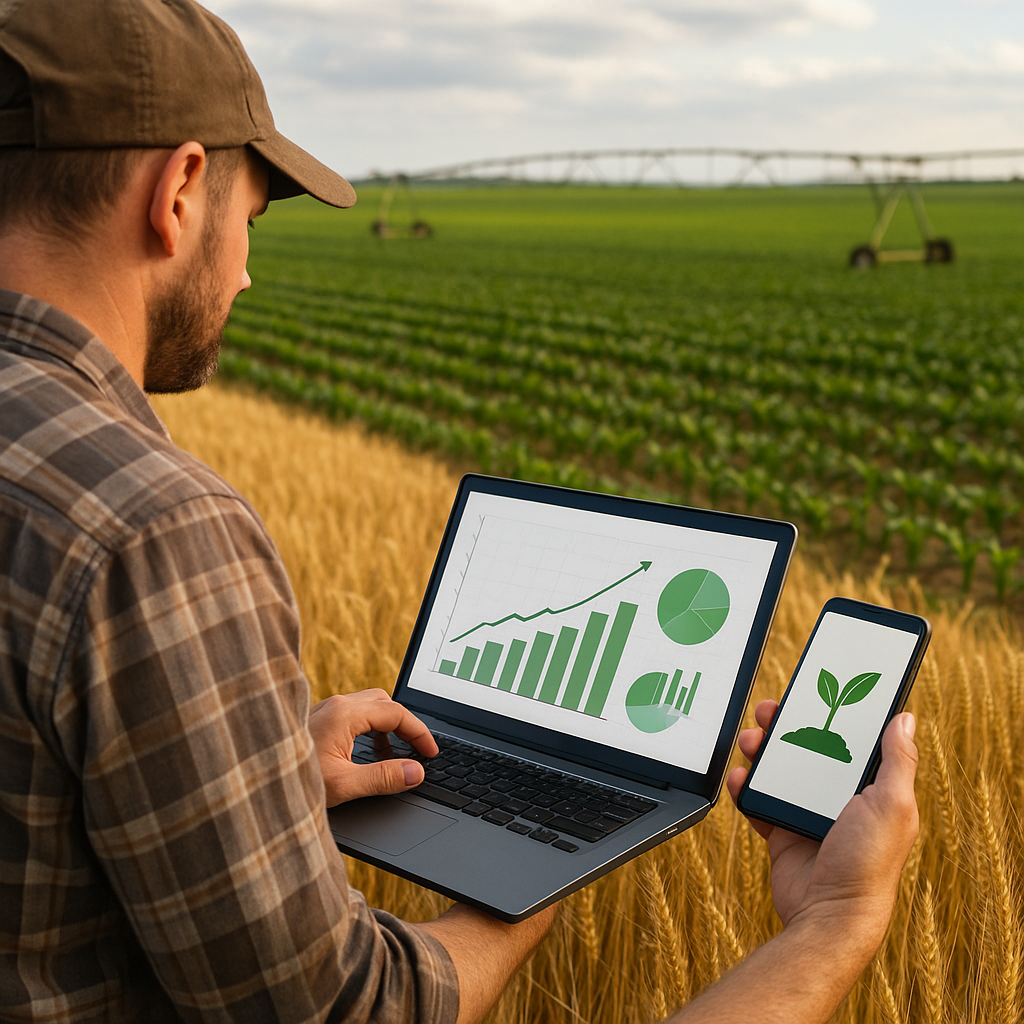
Gone are the days of outdated price sheets and manual record-keeping. Advanced dashboards now reflect live market trends, helping stakeholders make informed decisions within seconds. Through integrated forecasting tools, sellers can anticipate demand spikes, adjust planting schedules, and optimize storage, while buyers gain clarity on availability and quality metrics before placing orders.
Bridging the Urban-Rural Divide
- Enabling remote communities to reach metropolitan buyers via mobile platforms
- Offering language localization features to overcome regional barriers
- Providing digital wallets and micropayments to support smallholder producers
Empowering Producers with Data-Driven Market Insights
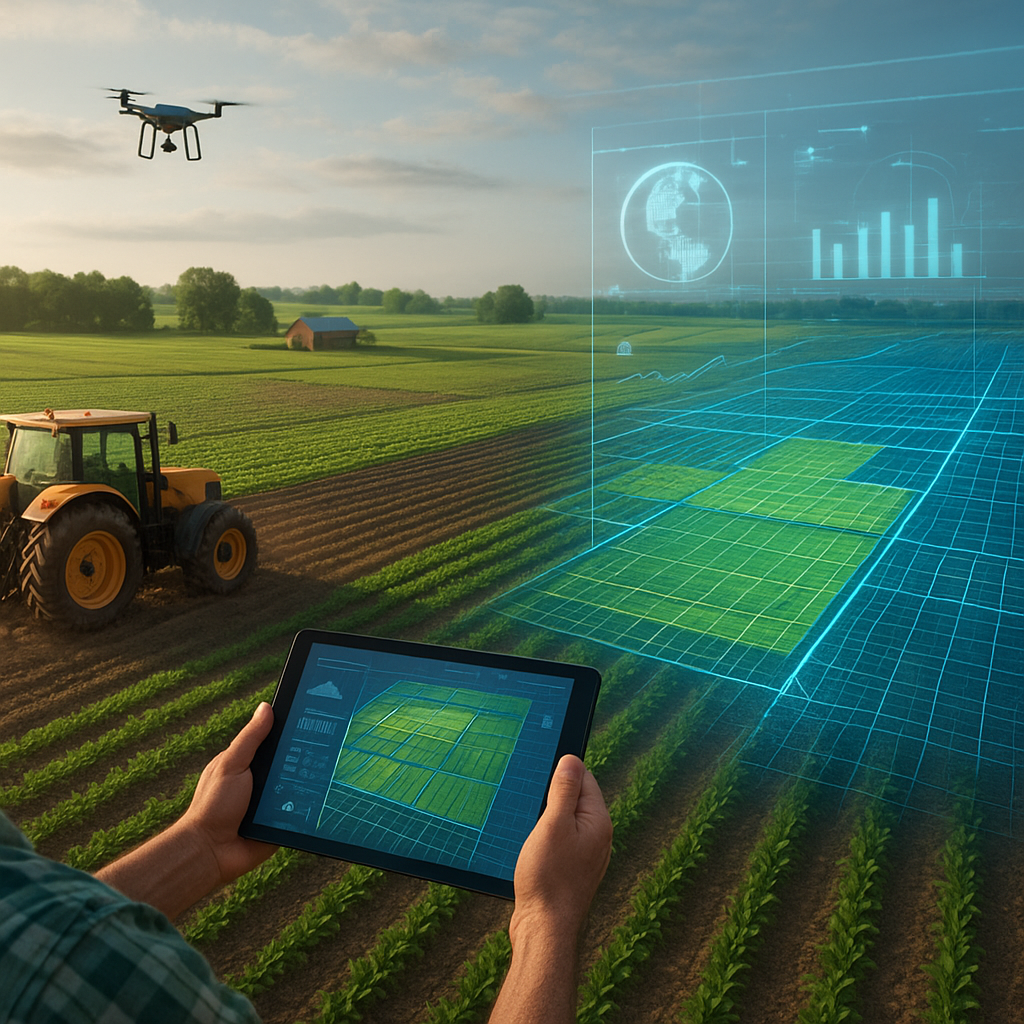
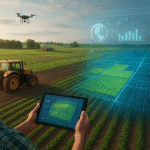
The integration of sensor networks, satellite imagery, and IoT devices is transforming harvested yields into actionable intelligence. By aggregating this wealth of data within centralized hubs, digital marketplaces enable:
- Predictive analytics that forecast crop performance and price trends
- Customized risk assessments based on weather patterns and soil health
- Peer benchmarking to help stakeholders compare best practices
These capabilities arm cultivators with the foresight to adjust cropping cycles, select premium buyers, and secure funding through performance-based lending. As a result, farms become more agile, costs shrink, and profits climb.
Precision Agriculture Meets E-Commerce
Innovators are merging farm-management software with transactional portals, allowing producers to sell directly through dashboards that already monitor irrigation, fertilization, and equipment usage. This convergence of systems shortens the sales cycle, maintains quality control, and ensures that every bushel or bale moves according to meticulous specifications.
Building Resilient and Sustainable Supply Chains
Amid growing concerns about environmental impact and resource scarcity, digital marketplaces are stepping up as platforms for transparency and accountability. Consumers increasingly demand proof of ethical sourcing, carbon-neutral practices, and fair labor standards. By tracing products from seed to shelf, these networks provide verifiable records of origin, transport conditions, and handling procedures.
Traceability Through Blockchain and Smart Contracts
Immutable ledgers now underpin many transactions, ensuring that every exchange is securely logged. Smart contracts automate payments once predefined criteria—such as quality checks or delivery confirmation—are met. This reduces the potential for fraud, minimizes paperwork, and enhances trust among all parties.
Promoting Circularity and Waste Reduction
- Marketplace features that connect surplus producers with food banks or secondary processors
- Real-time alerts for perishable goods approaching expiration
- Bulk-buying options to decrease packaging waste
By facilitating these interactions, platforms help minimize spoilage, lower greenhouse gas emissions, and redirect valuable nutrients back into local communities.
Unlocking Financial Inclusion and Growth
Access to capital has long been a barrier for small and mid-sized producers. Digital agriculture marketplaces are rewriting that narrative by offering credit scoring based on transaction history, yield consistency, and network reputation. This shift equips previously underserved farms with lines of credit, insurance products, and investment opportunities.
Alternative Financing Models
Crowdfunding, peer-to-peer lending, and revenue-sharing agreements flourish within these ecosystems. Rather than relying on traditional banks, stakeholders tap into wide pools of global capital, often securing better rates and more flexible terms. This democratization of funding also encourages innovation, as entrepreneurs pilot novel crop varieties, climate-resilient techniques, and new distribution models.
Overcoming Challenges and Charting Future Trends
While the potential of these platforms is vast, they face hurdles related to digital literacy, infrastructure gaps, and regulatory frameworks. Many rural areas still lack reliable internet access, and varying standards across borders create friction in cross-region trade. Ensuring cybersecurity and data privacy remains critical as more sensitive information moves online.
Securing Equitable Adoption
- Training programs to boost technical skills among small-scale cultivators
- Public-private partnerships to expand broadband coverage
- Regulatory harmonization to facilitate international transactions
As these obstacles are addressed, digital agriculture marketplaces will continue to mature, offering ever richer ecosystems where efficiency, sustainability, and resilience coexist. Through ongoing collaboration and investment, the agricultural sector stands poised for a transformative leap—one that promises to nourish global populations, conserve precious resources, and empower communities around the world.