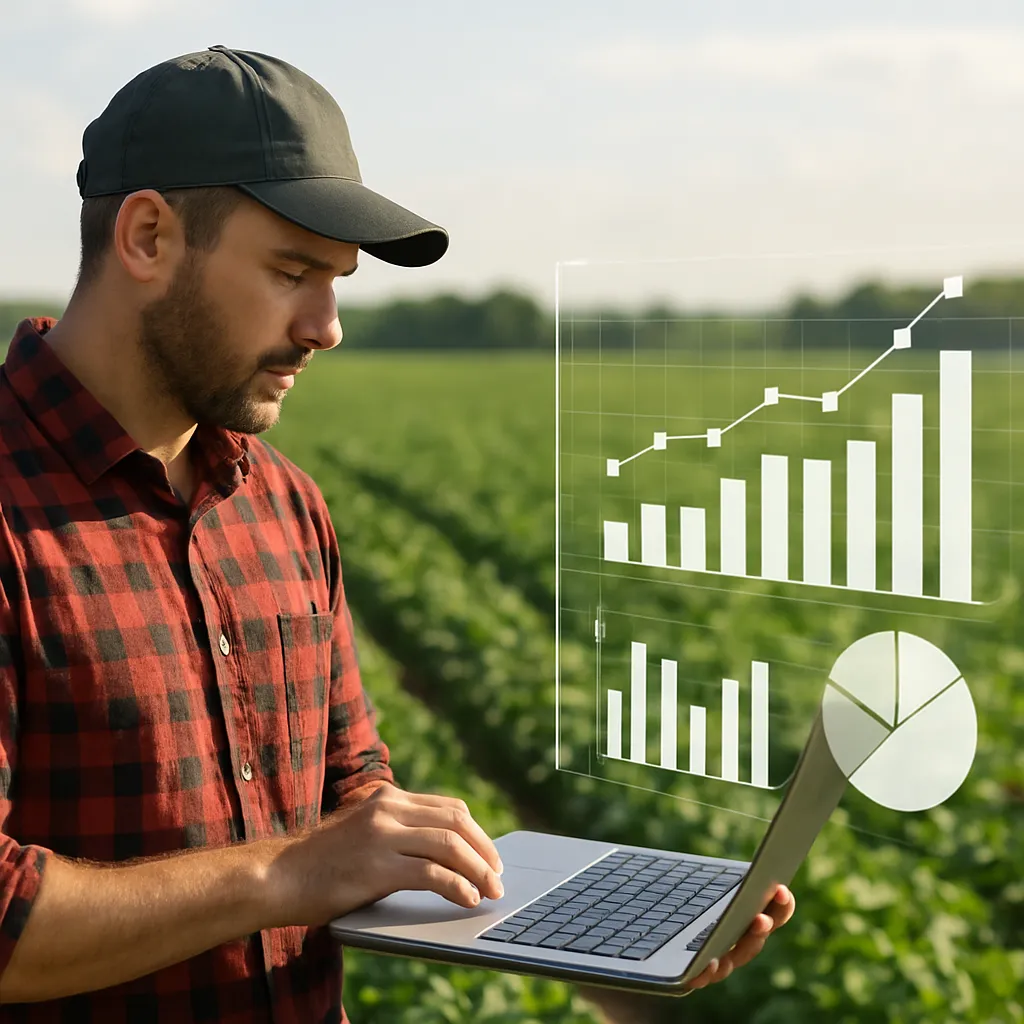




Harnessing the power of AI to decode the hidden complexities of soil brings unprecedented clarity to nutrient management. Farmers and agronomists are now equipped with finely tuned tools capable of delivering precision recommendations, reducing waste, and boosting crop yield. This marriage of advanced computation and earth science ushers in a new era of sustainability that balances productivity with environmental stewardship.
Revolutionizing Soil Surveys with AI
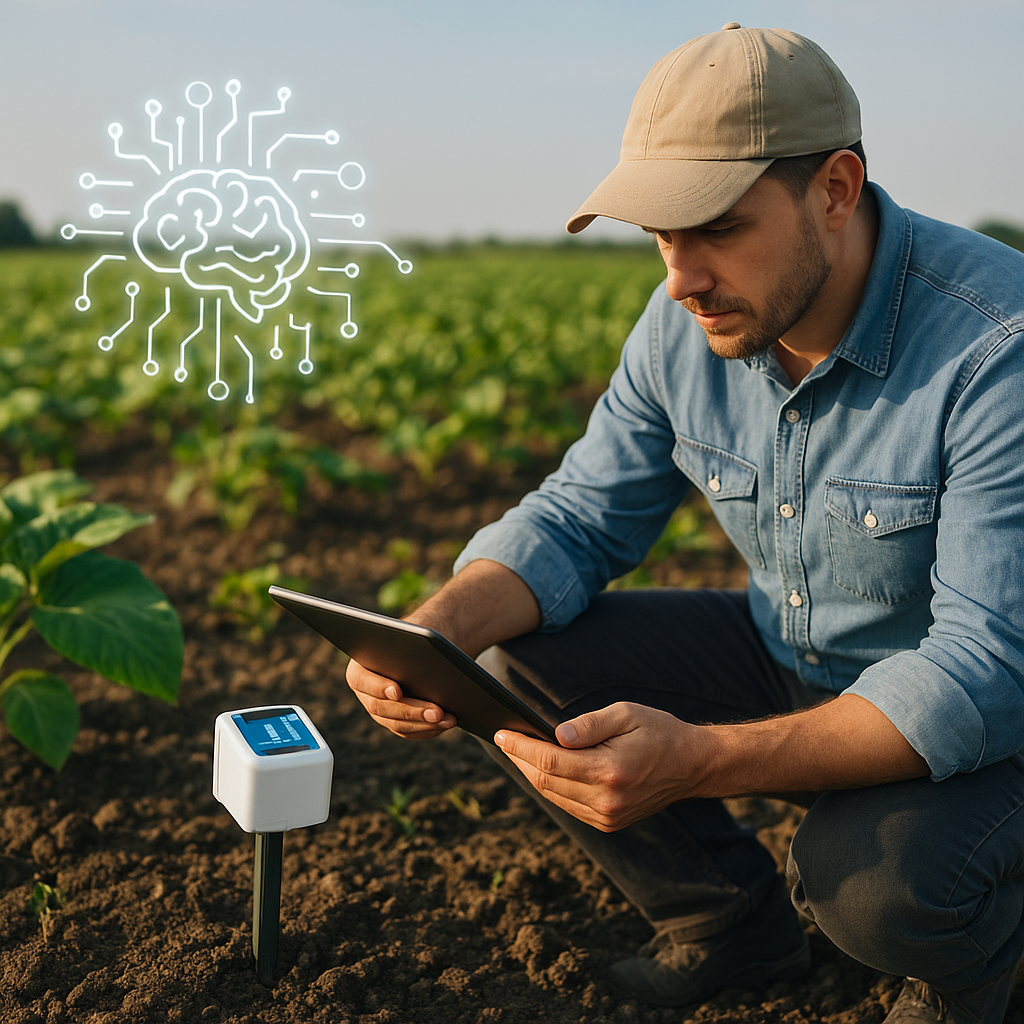
Traditional soil testing methods often rely on periodic sampling and laboratory analysis, leading to delays and generalized guidelines. By embedding sensor networks, satellite imagery, and ground-based probes, AI systems perform continuous monitoring of pH levels, moisture, and nutrient concentrations. These technologies feed into robust machine learning models, which interpret real-time data streams to reveal detailed maps of soil variability across entire fields.
As data accumulates over seasons, algorithms detect subtle trends that elude human observation. Areas prone to nitrogen deficiency or phosphorus buildup become visible in high resolution. Farmers can then apply customized treatment zones, optimizing fertilizer application to match the soil’s exact requirements. The result is a dramatic decrease in input costs and a significant reduction in environmental runoff.
Machine Learning Algorithms at Work
- Regression models predicting nutrient depletion based on crop rotation patterns.
- Classification systems identifying pathogen risks from microbiome signatures.
- Clustering routines grouping soil samples by texture, organic content, and water retention.
- Neural networks fusing multispectral imagery with in-situ sensor readings for anomaly detection.
- Time-series analysis unveiling seasonal fluctuations in micronutrient availability.
High-Resolution Sensing Technologies
Advancements in remote sensing cameras and proximal soil probes enable a level of detail never before possible. Hyperspectral drones capture spectral bands that correlate with nitrogen, potassium, and micronutrient indices. Simultaneously, portable spectrometers provide on-the-spot readings, validating aerial intelligence. Together, these inputs form a comprehensive profile of soil health down to the centimeter scale.
The integration of autonomous rovers equipped with ground-penetrating radar adds a third dimension, revealing subsurface structure and moisture pockets. Farmers can precisely target irrigation and fertilization strategies, minimizing water waste and ensuring that every granule of fertilizer is effectively utilized.
Smarter Nutrient Management Strategies
Once AI-driven analysis distinguishes spatial variability in soil composition, the next step is translating insights into actionable plans. Digital platforms generate prescription maps that guide variable-rate applicators, drones, and robotic vehicles. Each machinery unit consults the prescription in real time, adjusting flow rates, injection depths, and coverage patterns to align with actual soil needs.
This dynamic approach contrasts sharply with blanket application techniques, where uniform doses often lead to overfertilization in rich zones and undernourishment in poor ones. The new paradigm uses data analytics to balance the nutrient budget, ensuring crops receive exactly what they require to thrive.
Predictive Fertilizer Recommendations
Predictive models factor in weather forecasts, historical growth rates, and market demands to refine fertilizer schedules. By anticipating soil nutrient dips, AI-driven systems issue alerts to operators, suggesting precise timings for ammonium nitrate, urea, or organic amendments. This foresight prevents mid-season shortages and reduces the need for emergency interventions that can strain resources.
Farmers receive dashboards highlighting an optimal fertilizer mix, application windows, and cost-benefit projections. These recommendations account for commodity price fluctuations, helping producers maximize both ecological and economic returns.
Real-Time Monitoring and Feedback Loops
IoT-enabled sensors continuously relay soil moisture, temperature, and nutrient signals to cloud-based analytics engines. When deviations from target parameters arise, automated alerts prompt corrective measures. Irrigation schedules adjust to avoid waterlogging or drought stress, while nutrient injectors recalibrate application rates on the fly.
- Live dashboards track inventory levels of fertilizers and amendments.
- Automated livestock feeders incorporate soil-based feed quality predictions.
- Mobile app notifications guide field technicians to borderline zones.
Environmental and Economic Impacts
Precision nutrient management reduces chemical run-off, preserving local waterways and protecting biodiversity. By curbing excess fertilizer usage, farms contribute to lower greenhouse gas emissions and diminish eutrophication risks in nearby lakes and rivers. Improved nutrient use efficiency also translates to lower production costs, enabling farmers to reinvest savings into further innovations.
The combined effect of optimization strategies has led to documented increases in profit margins, often exceeding 15–20%. Enhanced crop vigor and root development, driven by balanced nutrition, also yield long-term soil health benefits, ensuring that farmland remains productive for future generations.
Reducing Runoff and Pollution
Subsurface injection techniques guided by AI minimize surface runoff events. Buffer strips, variable-strip cover crops, and nutrient catchment zones all derive their specifications from soil analysis models. As a result, nutrient leaching into waterways drops by over 30%, meeting stricter regulatory standards and protecting community water sources.
Improving Farm Profitability
By aligning input costs with yield gains, farmers achieve a greater return on every dollar spent. Subscription-based AI platforms offer tiered services, allowing operations of any size to access high-end analytics without massive upfront investments. The transparent cost-benefit metrics foster confident decision-making and accelerate technology adoption across the sector.
Future Directions in Intelligent Agriculture
Looking ahead, AI-powered soil analysis will integrate more deeply with autonomous machinery, blockchain-based supply chain tracking, and genomics-driven crop breeding. Soil health data may soon inform plant genetics programs, matching crop varieties to micro-environmental conditions for maximum resilience. The fusion of robotics, advanced imaging, and predictive analytics promises a future where every acre is managed with surgical accuracy.
Ultimately, this holistic approach will empower farmers to meet rising global food demands while preserving the planet’s natural capital. The synergy of innovation and tradition underscores agriculture’s ongoing transformation into a truly smart industry.