

The agricultural landscape is undergoing a profound transformation driven by the convergence of cutting-edge tools and educational innovation. As farmers and educators seek to cultivate a new generation of professionals, the evolution of smart farming education demands a reimagined approach. This article explores how institutions, industry leaders, and research centers are reshaping curricula and training models to equip learners with the skills needed to thrive in an era of precision agriculture and digital connectivity.
Embracing Advanced Technologies in the Classroom
From Traditional to Digital
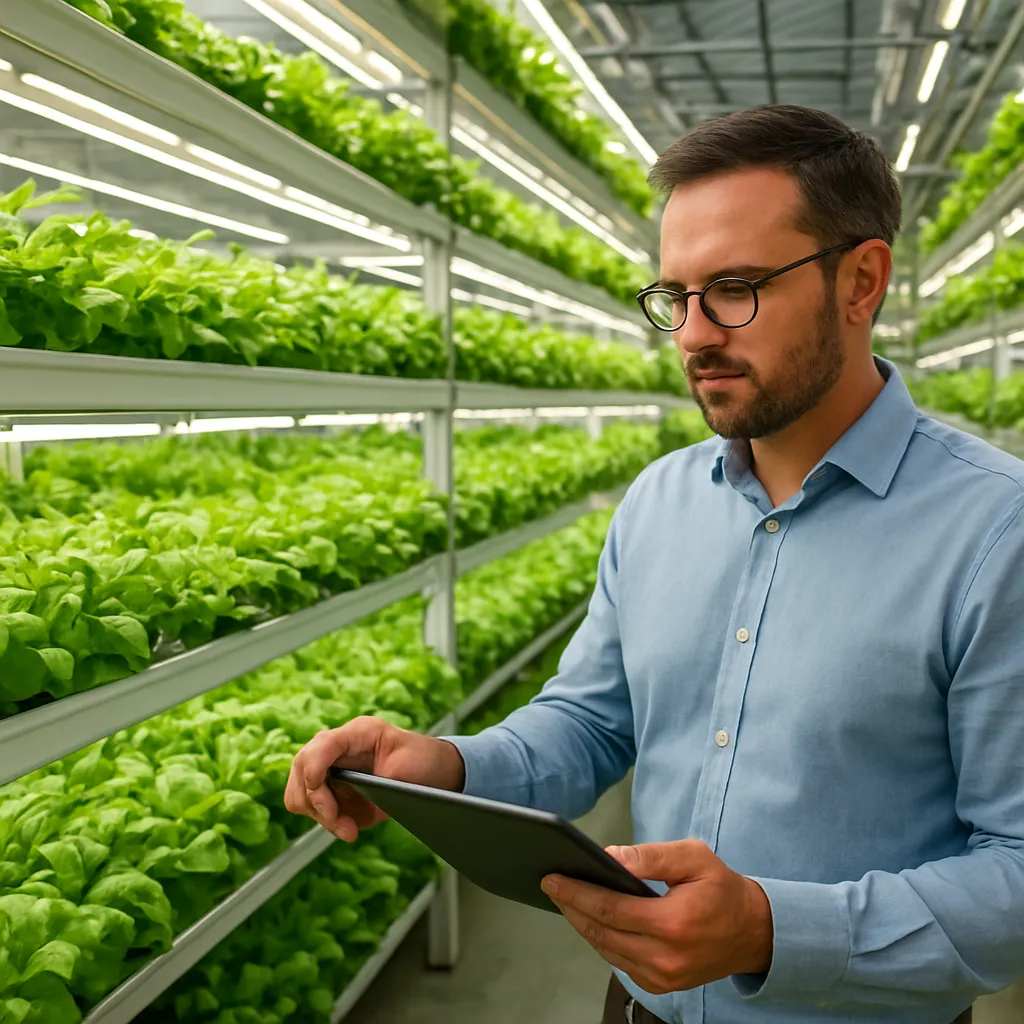
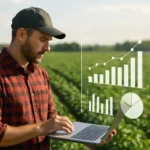
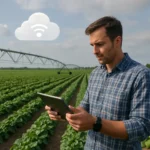
Decades ago, agricultural instruction centered on textbooks, lectures, and basic laboratory exercises. Today’s classrooms seamlessly integrate technology—from interactive tablets to cloud-based data dashboards. Educators leverage online platforms to deliver modules on soil science, plant physiology, and environmental stewardship. Students can instantly access real-time weather data, analyze satellite imagery, and collaborate on projects across continents. The shift fosters a culture of inquiry where theoretical concepts are validated through virtual experiments before being applied in the field.
Virtual Reality and Simulations
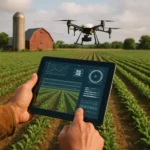
Immersive learning environments powered by virtual reality (VR) offer a safe space for students to practice complex operations. Trainees can pilot autonomous tractors, calibrate drones for crop scouting, or diagnose livestock health without risking equipment or animal welfare. Such simulations are infused with realistic scenarios—nutrient deficiencies, pest outbreaks, or unpredictable weather events—encouraging learners to develop problem-solving strategies. As a result, graduates enter the workforce with a deeper understanding of system dynamics and a readiness to adapt to on-farm challenges.
Curriculum Transformation for Smart Farming
Institutions worldwide are revamping curricula to reflect the multifaceted nature of modern agriculture. Core courses are supplemented with specialized tracks focusing on:
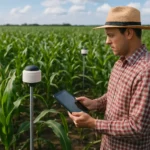
- IoT Network Design: Architecting sensor arrays for soil moisture, temperature, and nutrient monitoring.
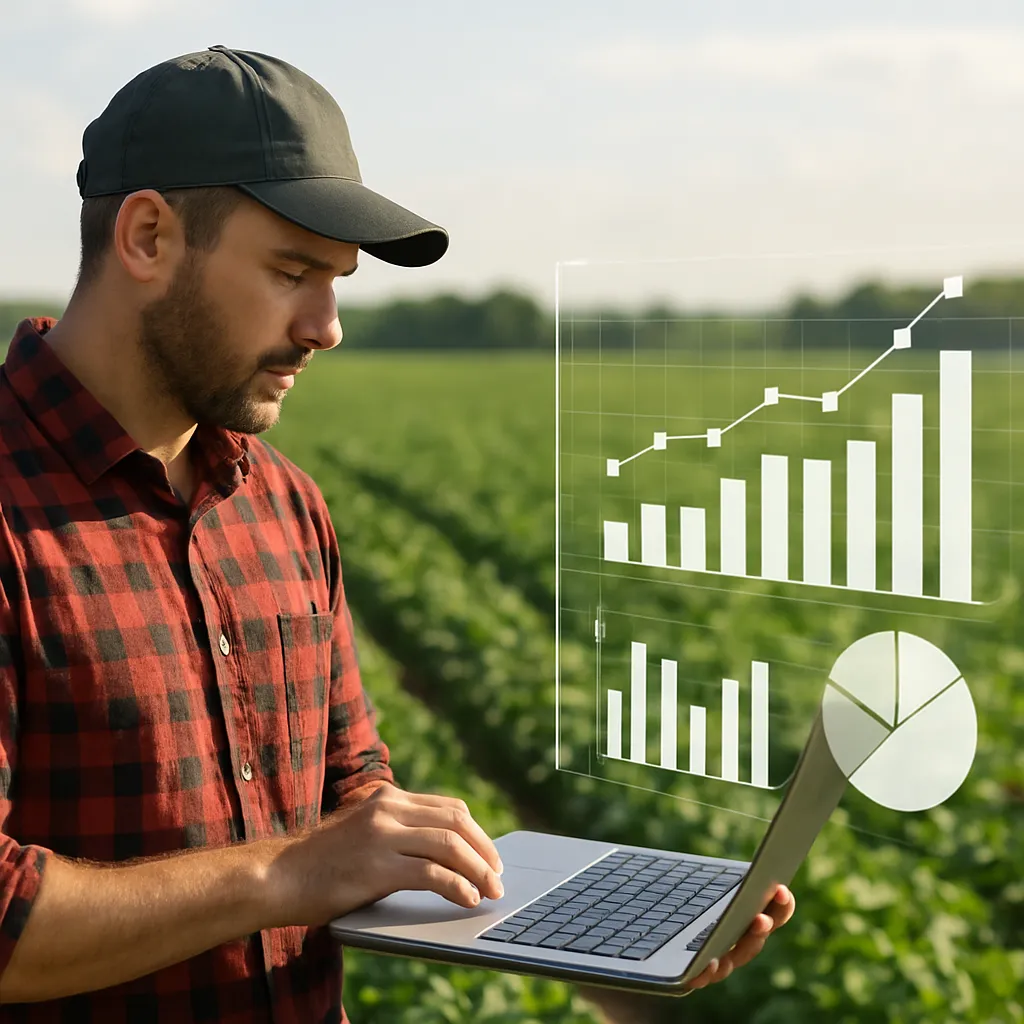
- Data Analytics and Machine Learning: Interpreting large datasets to predict yield trends and optimize inputs.
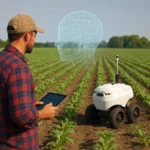
- Robotics Integration: Programming autonomous vehicles and robotic arms for planting, weeding, and harvesting.
- Renewable Energy Systems: Incorporating solar, wind, and bioenergy solutions to power farm operations.
Educators emphasize a curriculum that blends interdisciplinary theory with case studies on water conservation, greenhouse management, and supply chain traceability. Guest lectures by agritech entrepreneurs and field visits to innovation hubs expose students to emerging business models and sustainability metrics.
Skill Development through Hands-On Experiences
On-Farm Internships and Mentorship
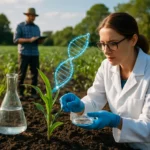
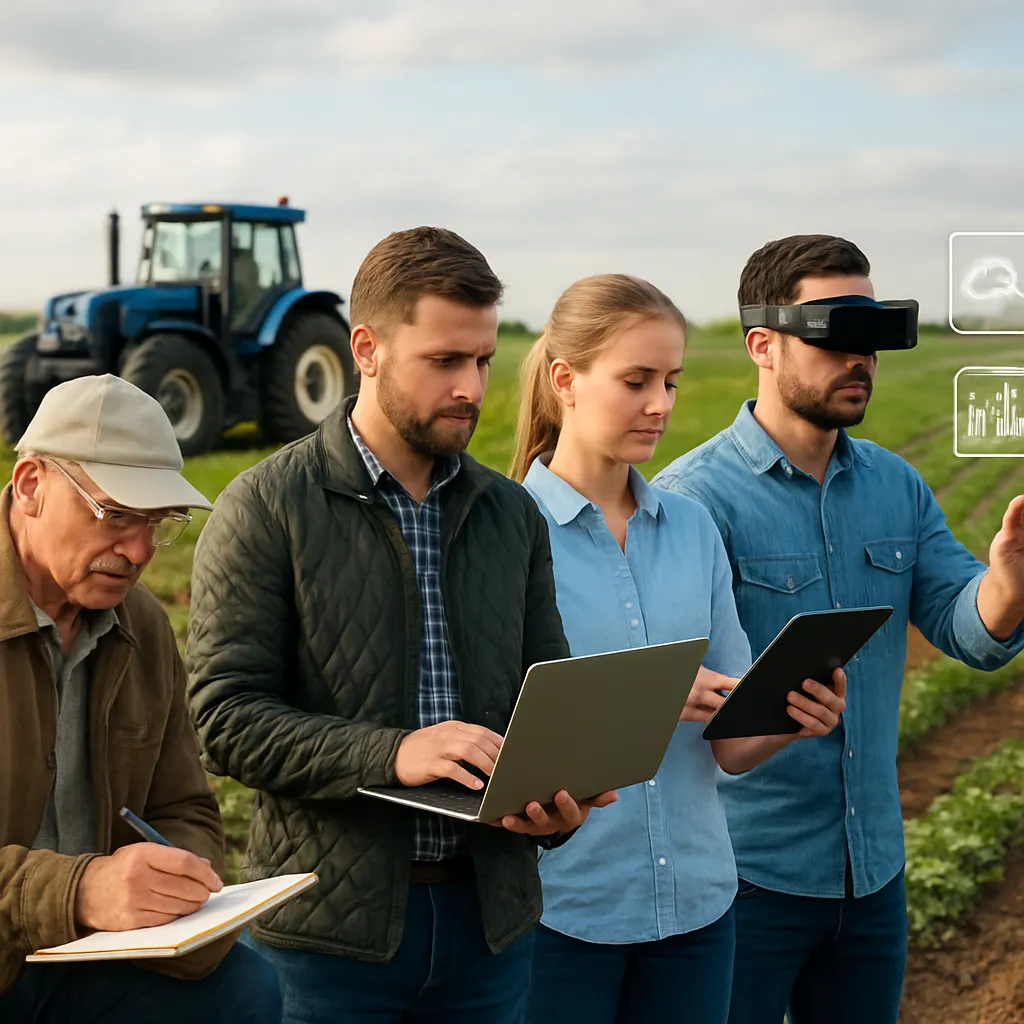
Direct engagement with professional growers is at the heart of effective training. Through apprenticeships and seasonal internships, learners gain firsthand experience in crop rotation planning, integrated pest management, and equipment maintenance. Pairing students with veteran farmers fosters a culture of mentorship, where practical wisdom is passed down alongside modern methodologies. This relationship builds confidence and cultivates the adaptability critical for addressing unpredictable field conditions.
Demonstration Farms and Living Laboratories
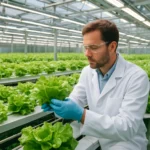
Specialized demonstration centers—often dubbed “living laboratories”—serve as testbeds for novel technologies. Researchers and students collaborate on trials involving variable-rate fertilization, sensor-driven irrigation, and automated livestock feeding systems. These sites encourage experimentation, allowing participants to measure outcomes such as nutrient uptake efficiency and labor savings. Visitors can observe the synergy between machine precision and agronomic expertise, reinforcing the link between innovation and real-world impact.
Lifelong Learning and International Partnerships
The pace of advancement in smart farming necessitates continuous education. Institutions are offering modular, stackable credentials that enable professionals to update their skill sets throughout their careers. Massive Open Online Courses (MOOCs), webinars, and certification programs cover topics like blockchain-based traceability, climate-resilient crop breeding, and sustainable pasture management.
Global collaboration accelerates knowledge exchange. Universities partner with NGOs and private enterprises to create exchange programs, joint research projects, and cross-border field trials. Through these alliances, participants gain exposure to diverse agroecological zones—from arid plains to tropical highlands—and learn context-specific strategies. Such networks foster a spirit of collaboration, uniting stakeholders around common goals of food security and environmental stewardship.
By integrating digital tools, reimagining curricula, and fostering hands-on learning, the evolution of smart farming education empowers the next generation of agricultural leaders. As they harness the potential of IoT, data-driven decision making, and robotic solutions, these professionals will drive an era defined by enhanced productivity, economic viability, and ecological resilience.