

In the realm of impressive agriculture, innovative storage methods are reshaping the way we protect global food supplies. As population growth, climate change, and resource constraints intensify, developing sustainable crop storage systems becomes critical. This article explores forward-looking strategies that integrate energy-efficient technology, advanced materials, and smart monitoring tools to ensure harvested produce remains fresh, nutritious, and available year-round.
Advanced Climate-Controlled Storage Facilities
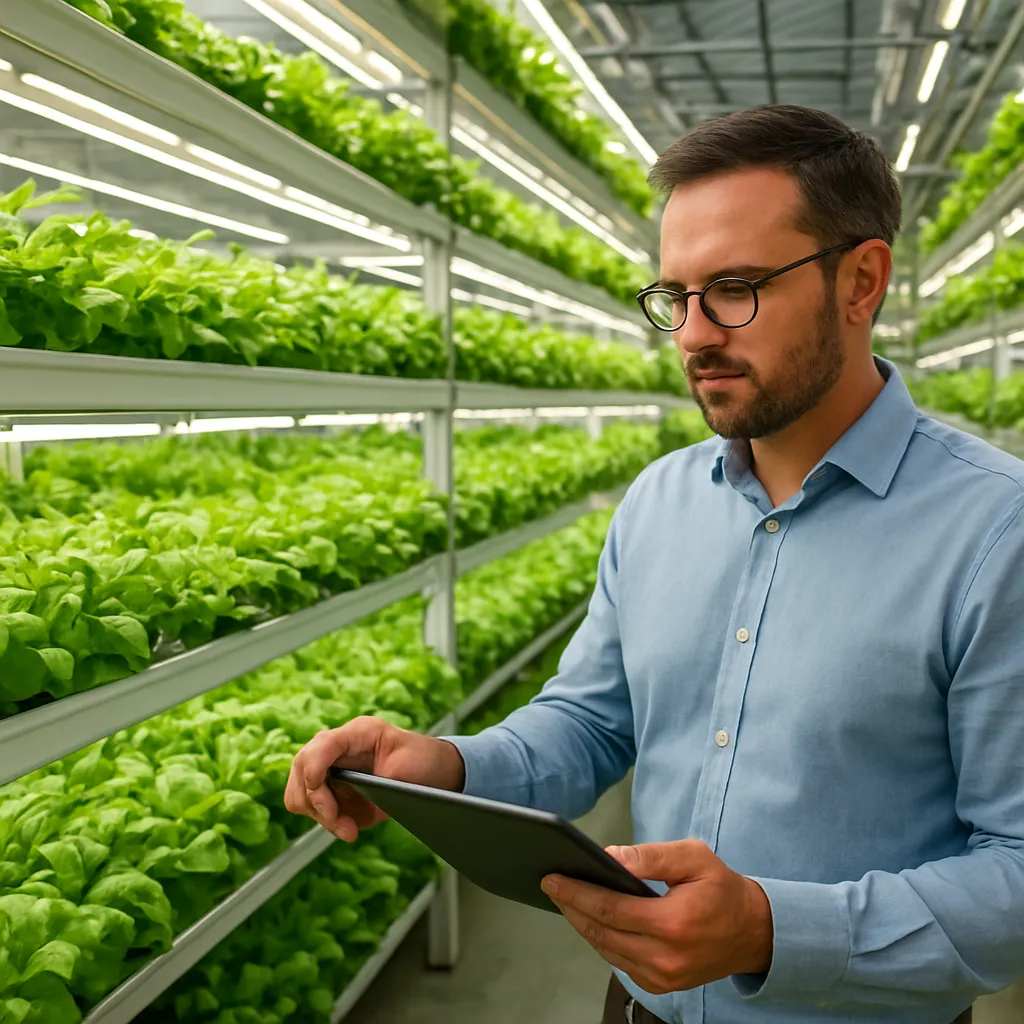
Maintaining optimal environmental conditions in large-scale warehouses can dramatically reduce post-harvest losses. Modern storage facilities leverage precise regulation of temperature, humidity, and gas composition to create microclimates tailored for different crops. Innovative refrigeration designs and passive cooling techniques also minimize carbon footprints while maintaining crop quality.
Thermal Zoning and Insulation
By dividing storage spaces into thermal zones, operators can handle diverse commodities under distinct conditions. Premium insulation materials, such as bio-based composites or vacuum panels, provide superior thermal resistance, reducing energy demands.
- High-performance insulation to limit temperature fluctuations
- Modular layouts for flexible crop rotation
- Automated dampers or airflow controls to fine-tune moisture levels
Renewable Energy Integration
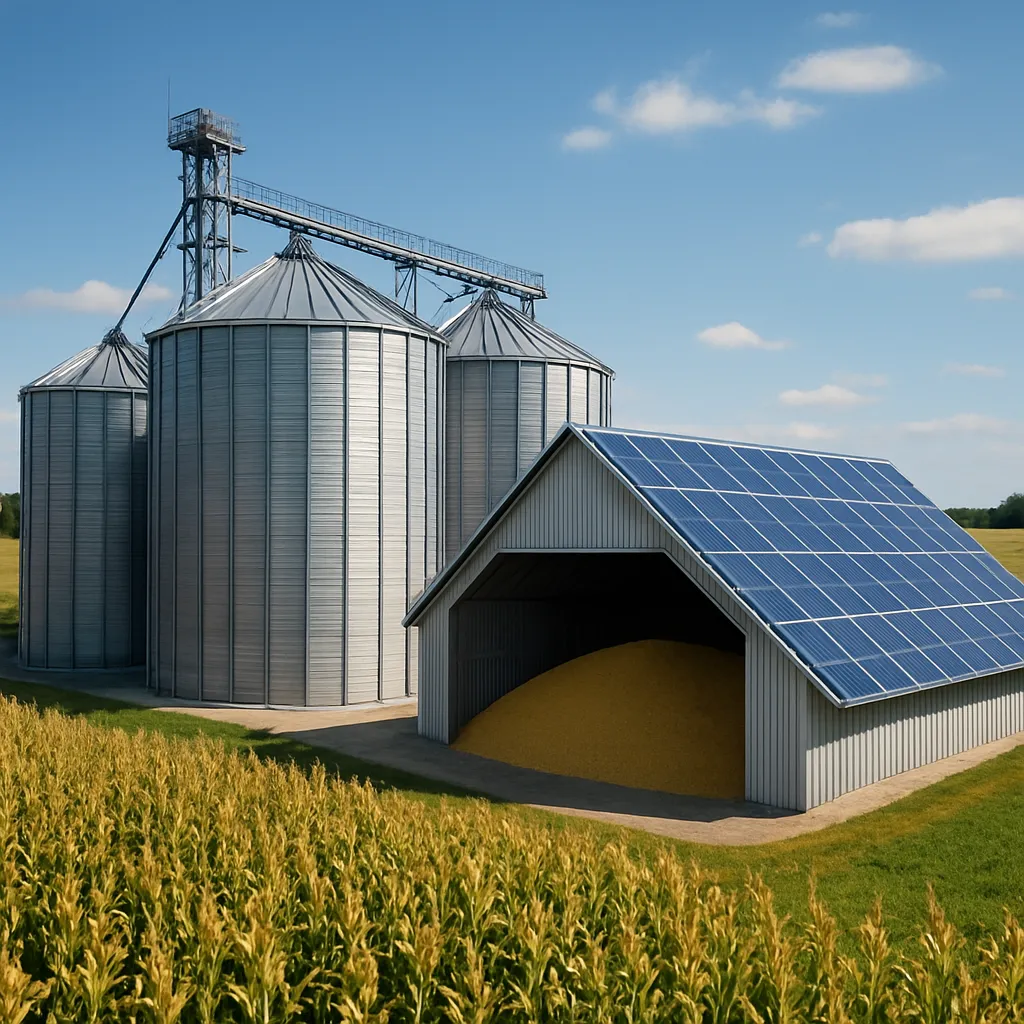
Coupling solar photovoltaic arrays, wind turbines, or geothermal heat pumps with storage structures mitigates reliance on fossil fuels. Hybrid systems often include battery banks or thermal energy storage to balance supply and demand, ensuring continuous climate control even when renewable output varies.
Innovative Packaging and Hermetic Solutions
Packaging plays a pivotal role in preserving freshness and extending shelf life. Emerging designs focus on sustainable materials, single-use reduction, and moisture management to deliver airtight, contamination-free environments.
Bio-Based and Compostable Materials
Research into plant-derived polymers and natural fibers is creating packaging alternatives that biodegrade without harmful residues. Seaweed-based films, starch blends, and cellulose coatings offer robust barriers against oxygen and pests.
- Compostable bags with built-in oxygen scavengers
- Mold-resistant labels derived from chitosan or alginate
- Reinforced paperboard crates treated with edible wax coatings
Hermetic Storage Technologies
Hermetic containers use airtight seals to maintain a controlled atmosphere, often enriched with inert gases like nitrogen or carbon dioxide to inhibit microbial growth and insect activity. These systems require minimal energy input and can be deployed in rural settings without grid access.
Digital Monitoring and Predictive Analytics
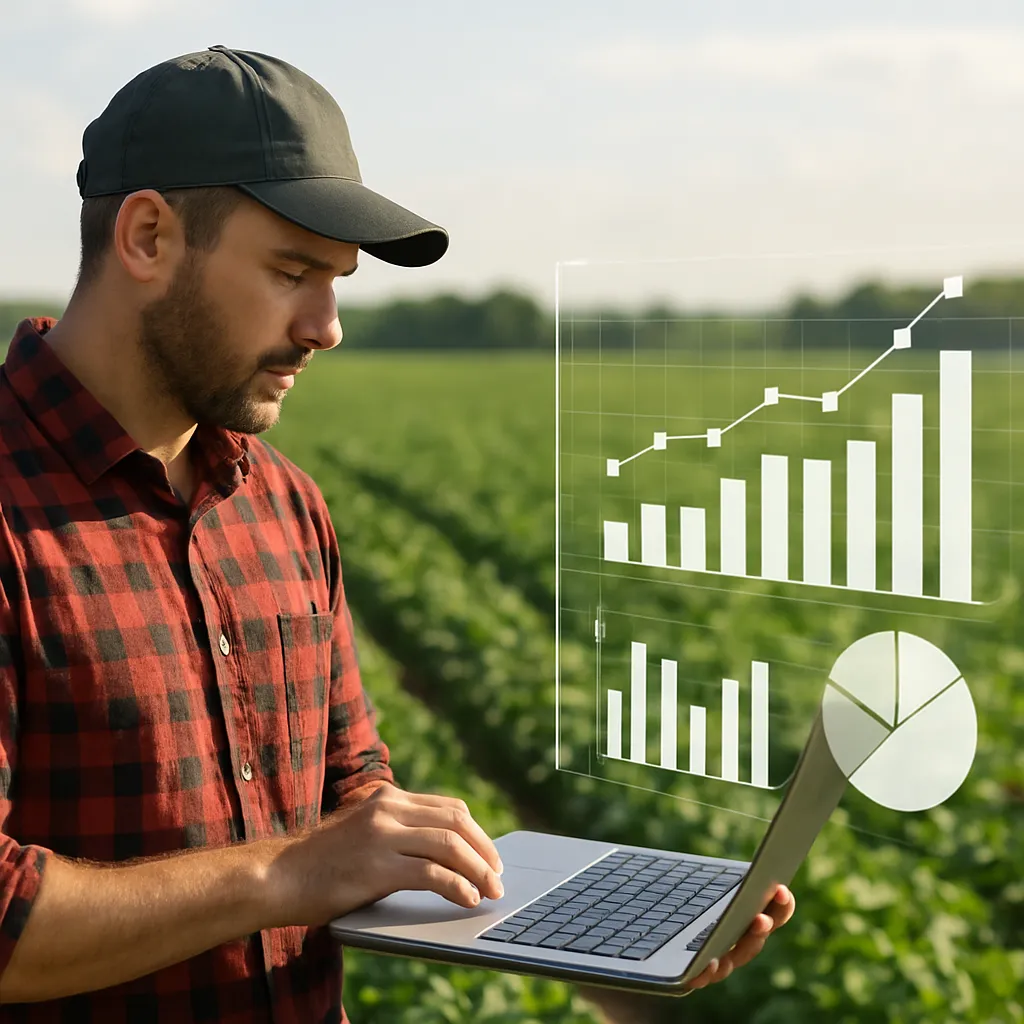
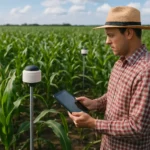
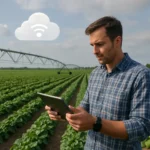
Advances in IoT sensors, wireless networks, and machine learning algorithms enable continuous oversight of storage conditions. Real-time data collection and cloud-based analytics empower operators to anticipate spoilage risks and optimize storage parameters dynamically.
Sensor Networks and Remote Management
Distributed sensors track key indicators—temperature, humidity, CO2 levels, and ethylene concentration. Mobile dashboards alert managers to deviations, facilitating rapid interventions before quality degradation occurs.
- Low-power wireless sensor nodes for extended deployment
- Edge computing modules to filter and preprocess data locally
- Smartphone apps for on-the-go monitoring and control
Predictive Analytics for Yield Preservation
By applying artificial intelligence to historical and real-time data, predictive models forecast optimal harvest windows, storage durations, and risk zones. This proactive approach minimizes waste, lowers operational costs, and ensures a steady supply of high-quality produce.
Energy-Efficient Cooling Systems and Decarbonization
Reducing greenhouse gas emissions from storage operations contributes to broader agricultural sustainability goals. Next-generation cooling and refrigeration technologies aim to decarbonize the cold chain while maintaining or enhancing performance.
Magnetic and Thermoelectric Cooling
Emerging systems based on magnetocaloric or thermoelectric effects offer silent, refrigerant-free alternatives to conventional compressors. These technologies enable modular, scalable units that adapt to diverse storage capacities, from small farm silos to expansive warehouses.
Liquid Desiccant and Solar-Assisted Cooling
Liquid desiccant air conditioning uses salt solutions to dehumidify and cool air, significantly lowering electricity consumption. When combined with solar thermal collectors, these systems harness free energy for year-round climate management.
- Closed-loop desiccant circuits for minimal maintenance
- Solar concentrators driving regenerative desiccant regeneration
- Integration with passive building design to maximize daylight and airflow
Future Directions in Sustainable Crop Storage
The convergence of blockchain traceability, nanocoatings, and biological treatments will redefine post-harvest logistics. Smart labels embedded with time-temperature indicators, anti-microbial nanoparticles, or ethylene scavengers promise to extend shelf life and guarantee transparency from farm to fork.
Blockchain and Traceability
Distributed ledgers can record every handling event, environmental reading, and quality inspection. This immutable record enhances trust among stakeholders and supports certification of organic or fair-trade produce.
Nanotechnology and Bio-Functional Coatings
Surface treatments with nano-silver or plant-based extracts inhibit fungal growth and deter pests. These coatings can be applied to packaging films, storage bins, and facility interiors, offering an additional defense layer without chemical residues.
By embracing these cutting-edge storage strategies, stakeholders across the supply chain can dramatically reduce food waste, elevate product quality, and lower environmental impacts. The future of impressive agriculture depends on harnessing technology, renewable resources, and data-driven planning to safeguard each harvest for generations to come.