

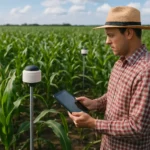
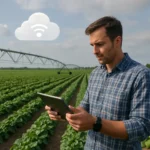
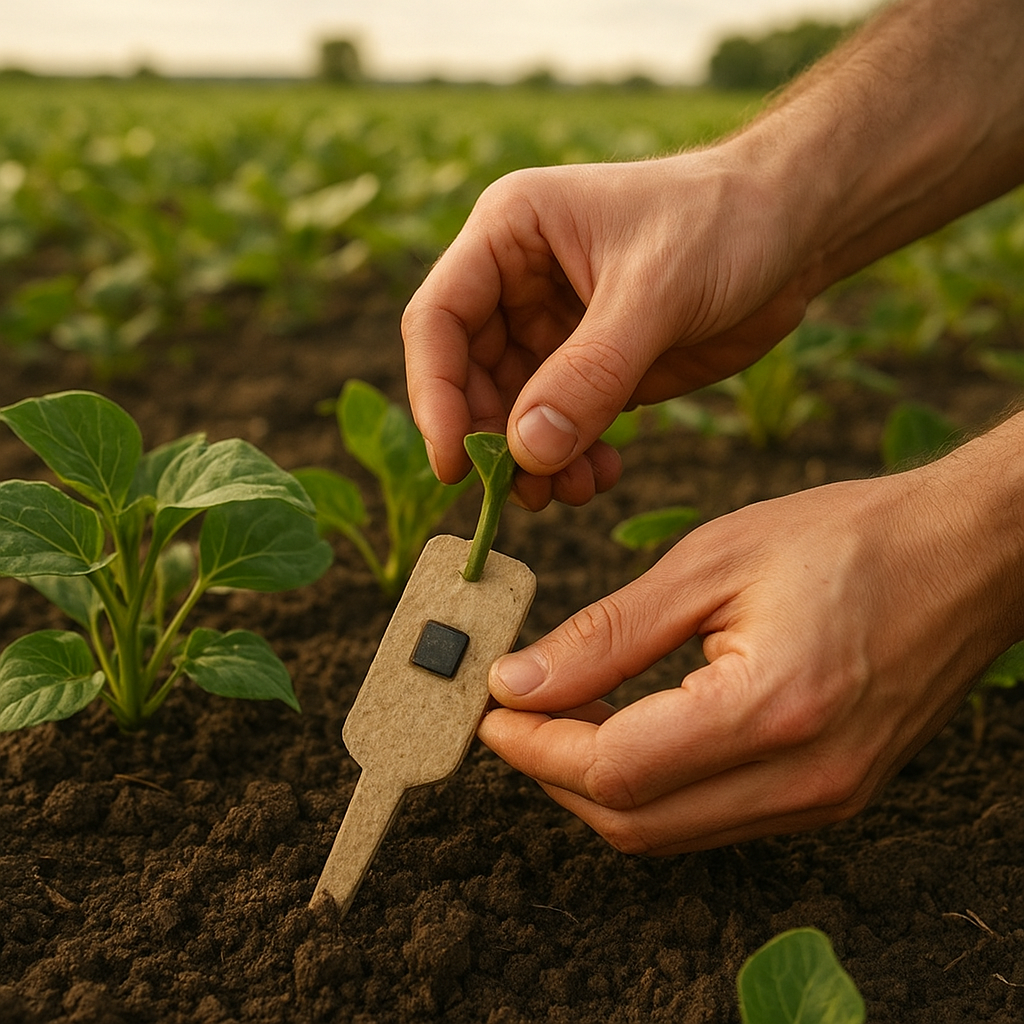
Smart farming is undergoing a revolution with the introduction of biodegradable sensors designed to enhance productivity and reduce environmental impact. These tiny devices promise to transform agricultural landscapes by providing real-time data while decomposing naturally after use. By merging cutting-edge materials science with advanced electronics, researchers are charting a path toward a more sustainable future for global food production.
Innovations in Biodegradable Sensor Technology
Developing sensors that fulfill rigorous performance criteria and then harmlessly break down in soil involves multidisciplinary collaboration. Recent breakthroughs include:
- Pioneering substrates made from cellulose, chitosan or polylactic acid (PLA) that form flexible circuit backbones.
- Printable conductive inks based on nanocellulose or silk fibroin loaded with metal nanoparticles.
- Microbial fuel cells that harvest energy from soil microbes, eliminating the need for bulky batteries.
These materials are engineered to match the demands of precision agriculture. They can withstand moisture fluctuations, mechanical stress from plowing, and still deliver accurate measurements of soil pH, temperature, moisture and nutrient levels. Upon completion of their operational lifespan, natural enzymes and environmental exposure catalyze their degradation, leaving no toxic residues.
Material Design Principles
- Eco-friendly polymers: chosen to match decomposition rates with crop cycles.
- Crosslinking mechanisms: ensure structural integrity during deployment but yield to microbial attack afterward.
- Printed electronics: low-temperature processing preserves the biodegradable matrix.
By optimizing these design principles, engineers can tailor sensor lifespans from weeks to months, ensuring that devices last just long enough to capture critical data during planting, growth and harvest seasons.
Integration with Smart Agriculture Systems
Seamless integration with existing Internet of Things (IoT) platforms is critical for the adoption of biodegradable sensors. Farmers require intuitive dashboards and automated alerts to make rapid decisions on irrigation, fertilization and pest management.
- Wireless communication modules transmit sensor readings to cloud-based analytics services.
- Edge computing nodes located at field perimeters preprocess raw data and reduce network load.
- Mobile applications provide farmers with actionable insights, such as variable-rate irrigation schedules.
By embedding data-driven algorithms, these systems predict water stress episodes, nutrient deficiencies and disease onset before visible symptoms appear. The result is optimized resource use, higher yields and reduced waste.
Case Study: Vineyard Deployment
In a Mediterranean vineyard trial, an array of 200 biodegradable sensors monitored microclimate variations across steep slopes. Results included:
- 20% reduction in water consumption through targeted drip irrigation.
- Improvement of grape sugar content by 15% thanks to precise irrigation timing.
- Complete in-soil degradation of sensors within eight weeks post-harvest.
This demonstration underscores how next-generation devices support farmers in making real-time decisions that harmonize with local environmental conditions.
Environmental Benefits and Challenges
Replacing conventional plastic-encased electronics with biodegradable alternatives offers substantial ecological advantages:
- Elimination of e-waste accumulation in arable land.
- Mimicking natural nutrient cycles as sensors decompose and release benign byproducts.
- Reduced carbon footprint through low-energy manufacturing processes.
However, challenges remain. Ensuring uniform decomposition across varied soil types and climates demands extensive field validation. Additionally, balancing device robustness with timely degradation requires precise control over polymer chemistry and environmental triggers.
Addressing End-of-Life Scenarios
- Standardized testing protocols to evaluate sensor breakdown in clay, loam and sandy soils.
- Collaboration with agronomists to assess any transient impacts on soil microbiota.
- Certification frameworks guaranteeing no accumulation of heavy metals or toxic leachates.
Overcoming these hurdles will be essential to gain regulatory approval and earn the trust of farming communities worldwide.
Future Prospects and Applications
The horizon for biodegradable sensors extends beyond basic soil monitoring. Emerging applications include:
- Smart seed coatings that detect and report on germination success and root development.
- Livestock wearables composed of edible biopolymers to track health metrics without disposal issues.
- Dynamic agroforestry sensors that measure tree sap flow, carbon sequestration and canopy microclimates.
Incorporating machine learning into these platforms will further refine predictive models. For instance, real-time fusion of weather forecasts, remote sensing imagery and in situ sensor data could automate irrigation networks at field scale, minimizing human intervention.
Next-Generation Connectivity
- LoRaWAN and NB-IoT modules for ultra-low-power, long-range data transmission.
- Blockchain-based data integrity protocols to secure farm records and traceability.
- Modular sensor arrays that snap together, enabling rapid customization for diverse crops.
With continued investment in research and robust pilot projects, biodegradable sensors will become integral to resilient agricultural ecosystems. They embody the principle that technology can be both powerful and ephemeral, returning to the earth from which it drew life.