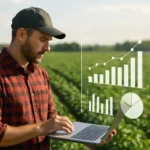


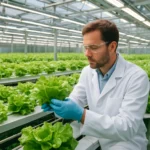
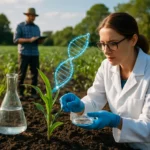

In the realm of impressive agriculture, the fusion of biology, computer science, and statistics has sparked a revolution in plant breeding. Bioinformatics tools empower researchers to decipher complex plant genomes, accelerating the development of high-performing, climate-resilient crops. This article explores how cutting-edge technologies and computational methods are reshaping modern agriculture, enabling farmers to meet growing global food demands while preserving environmental health.
Genomic Sequencing and Marker-Assisted Selection
Advancements in Sequencing Technology
High-throughput sequencing platforms have dramatically reduced the time and cost required to decode plant genomes. Powerful instruments can now sequence billions of base pairs in a single run, uncovering the genetic blueprints of staple crops such as rice, maize, and wheat. Researchers harness these data to pinpoint regions associated with key agronomic traits—disease resistance, drought tolerance, and nutrient efficiency. By coupling raw sequence reads with sophisticated algorithms, scientists can assemble draft genomes, annotate genes, and detect single-nucleotide polymorphisms (SNPs) with unprecedented accuracy.
Identifying Trait-Linked Markers
Marker-assisted selection (MAS) employs molecular markers—short DNA sequences linked to desirable traits—to guide breeding programs. Once trait-linked markers are known, breeders can screen seedlings at the DNA level instead of waiting for full plant maturation. This precision accelerates the integration of valuable characteristics into elite cultivars. Bioinformatics pipelines analyze large genotype datasets to generate robust marker-trait associations, ensuring breeders select parental lines that carry the optimal combination of genetic factors.
- genetic diversity analysis to preserve healthy gene pools
- Linkage mapping to localize quantitative trait loci (QTL)
- Genome-wide association studies (GWAS) to detect small-effect alleles
- Comparative genomics for cross-species trait transfer
High-Throughput Phenotyping and Data Analytics
Imaging and Sensor Technologies
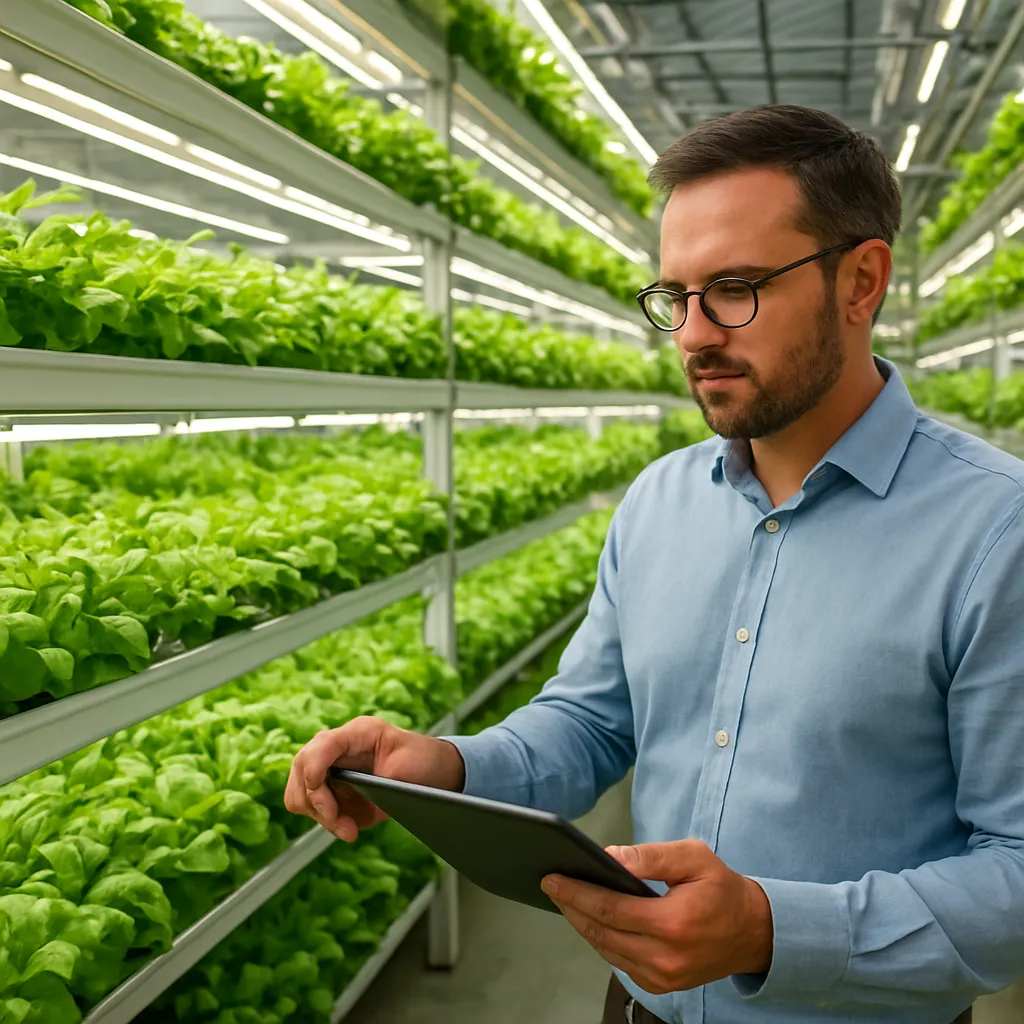
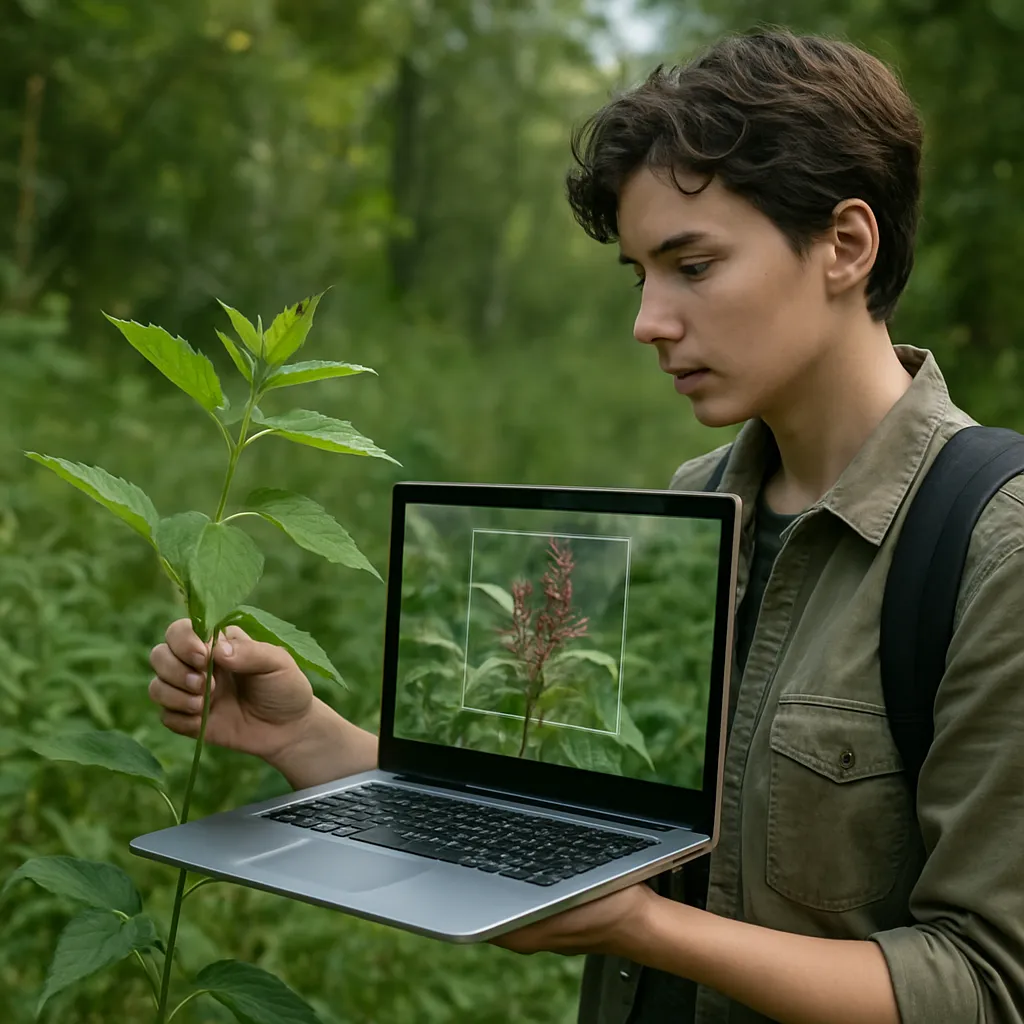
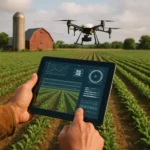
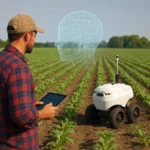
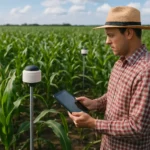
Translating genomic information into real-world performance demands precise measurement of plant traits under diverse conditions. High-throughput phenotyping platforms deploy drones, ground vehicles, and stationary stations equipped with multispectral cameras, LiDAR, and thermal sensors. These tools capture detailed data on canopy structure, chlorophyll content, and water stress—metrics that serve as proxies for yield and health. Automated image-processing software, powered by computer vision, converts terabytes of raw images into quantitative trait values for every plant in a field trial.
Integrating Big Data and Machine Learning
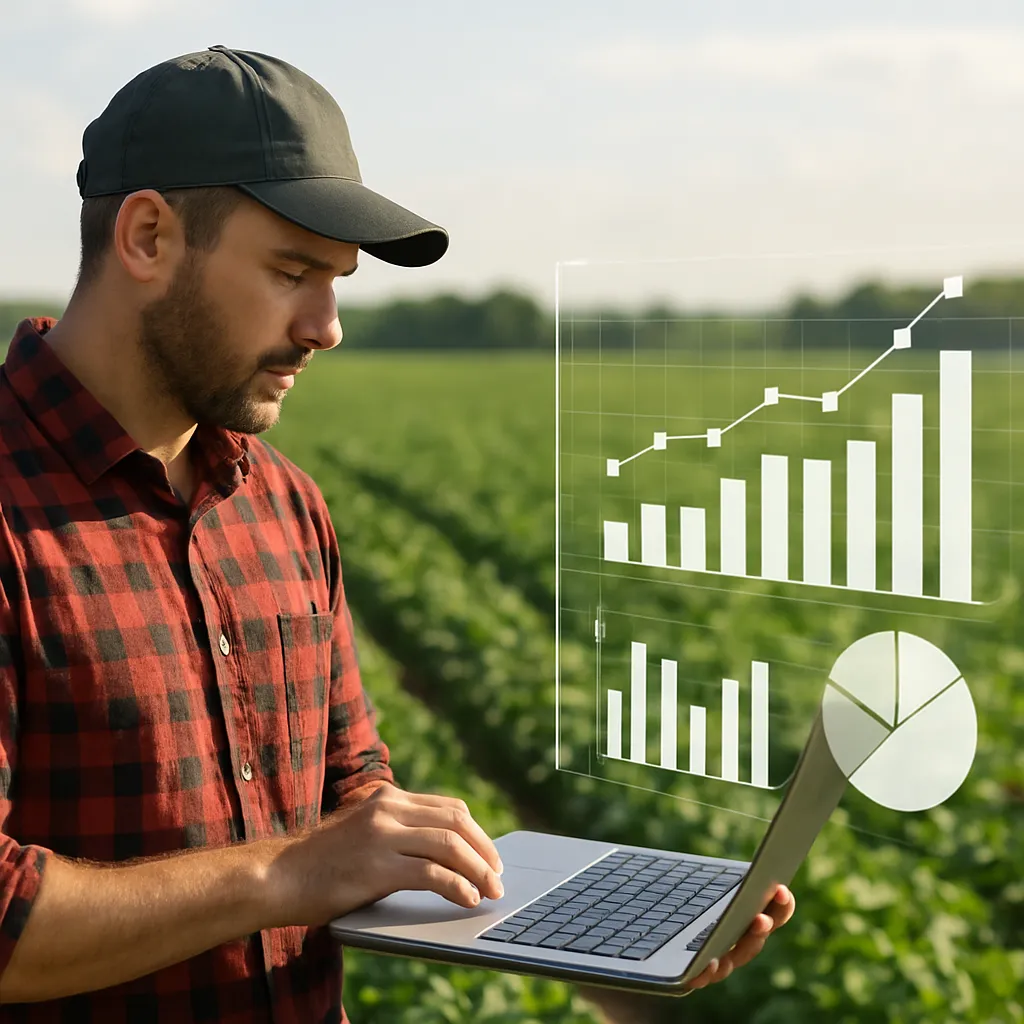
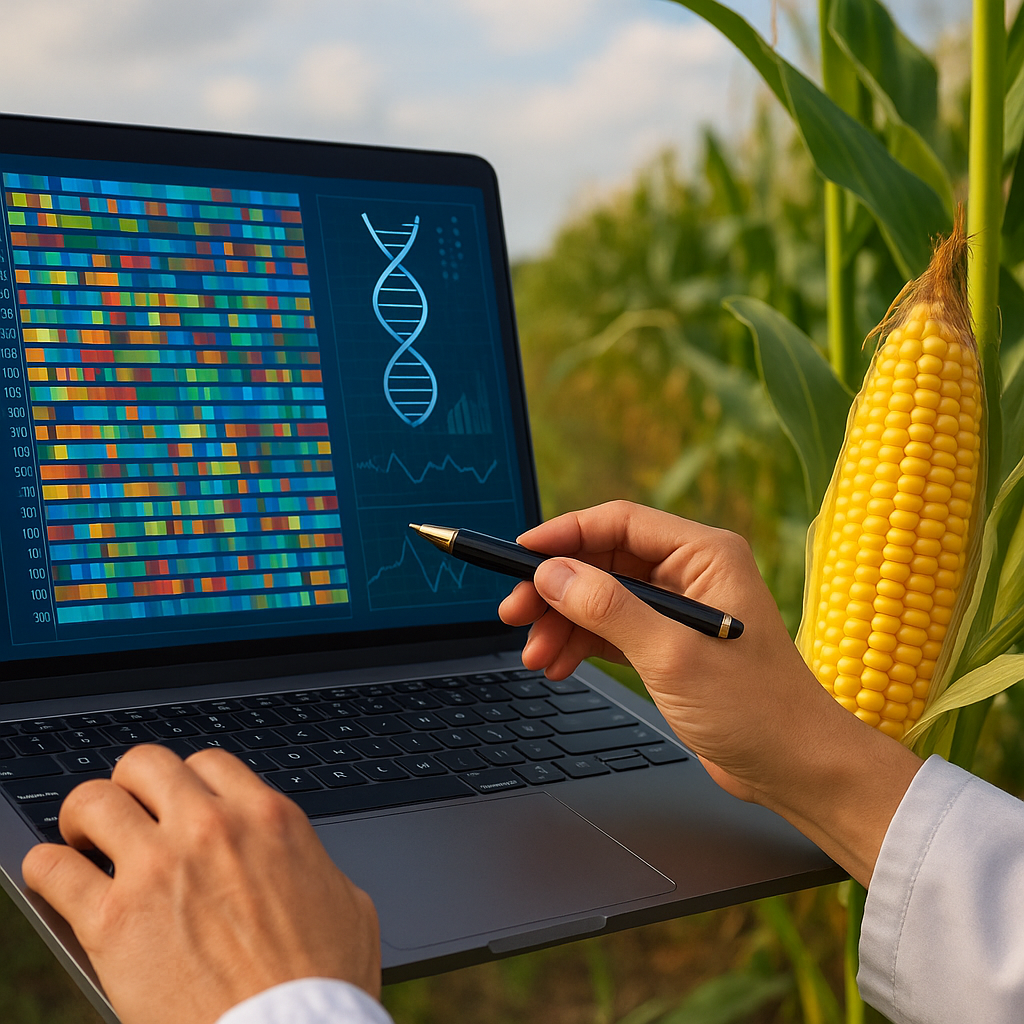
Phenotyping efforts generate massive datasets encompassing thousands of observations per experiment. Bioinformatics frameworks integrate these data with genotypic profiles to build predictive models. Machine learning techniques—random forests, support vector machines, and neural networks—identify complex, non-linear interactions between genes and environmental variables. These data-driven models forecast plant performance in untested scenarios, guiding breeders in selecting candidate genotypes with enhanced resilience to heat, drought, and pathogens.
- Temporal data analysis for growth stage monitoring
- Environmental covariate integration (soil moisture, temperature)
- Predictive trait modeling using deep learning
- Decision-support systems for field management
Precision Breeding and CRISPR Applications
Genome Editing Techniques
CRISPR/Cas and related genome editing tools have ushered in a new era of innovation in crop improvement. By inducing targeted mutations or gene insertions, scientists can introduce or enhance traits without lengthy backcrossing procedures. Bioinformatics guides the design of guide RNAs that precisely recognize genomic targets, minimizing off-target effects. In concert with MAS, genome editing allows breeders to stack multiple beneficial alleles—improving nutrient composition, enhancing stress tolerance, and reducing reliance on chemical inputs.
Case Studies in Edited Crops
- Rice varieties with increased iron and zinc content for combating micronutrient deficiencies
- Wheat lines with optimized gluten profiles for better baking quality
- Corn hybrids engineered for drought survival using synthetic promoter modification
- Tomatoes with extended shelf life through ethylene pathway regulation
Data Management, Collaboration, and Open Science
Creating Shared Genomic Repositories
Effective bioinformatics in agriculture hinges on robust data-sharing infrastructures. Public databases host genomic sequences, phenotype records, and environmental datasets. Standardized file formats and metadata guidelines ensure interoperability. Collaborative platforms allow breeders, geneticists, and computational experts to contribute and access resources, fostering transparent, reproducible research.
Training the Next Generation
Bridging the skill gap between biology and informatics requires interdisciplinary education. Universities and research institutes offer specialized programs in agricultural bioinformatics, combining courses in genomics, statistics, and software development. On-the-job training in field phenotyping and data analysis equips scientists with the tools to translate digital insights into tangible crop improvements.
Challenges and Future Directions
While bioinformatics has transformed breeding pipelines, several hurdles remain. Incomplete reference genomes for minor crops limit MAS applications. Data heterogeneity across platforms complicates model transferability. Ensuring ethical use of genetic resources and equitable access to technology remains paramount. However, ongoing developments promise to address these obstacles:
- Enhanced genome assemblies using long-read technologies
- Federated learning frameworks to integrate siloed data without compromising privacy
- Citizen science initiatives for large-scale phenotyping
- Integration of microbiome data to exploit plant–microbe interactions for improved sustainable agriculture
By leveraging bioinformatics, breeders can unlock the full potential of plant genomes. The combination of high-resolution genetic insight, precise phenotypic measurement, and powerful computational models paves the way for crops that thrive in changing climates and contribute to food security worldwide. As digital methods continue to evolve, the synergy between computation and cultivation will define the next frontier of biotechnology-driven agriculture.