



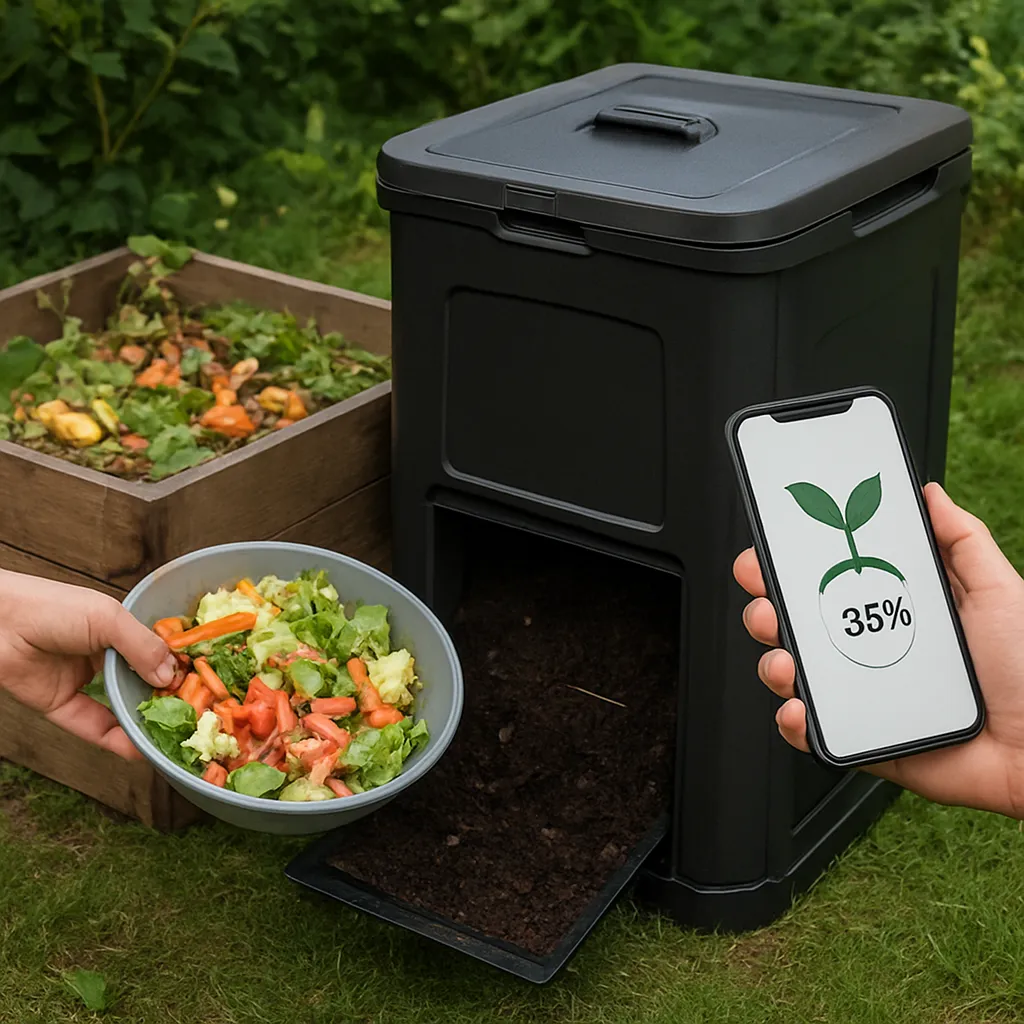
Composting has evolved into a sophisticated practice that integrates technology and ecology to maximize resource recovery. Turning waste into valuable resources is no longer confined to backyard bins; it has become an essential pillar of modern agriculture, driving improvements in soil health and contributing to broader environmental goals. Smart composting harnesses data-driven insights and engineered systems to optimize the breakdown of organic materials, ensuring consistent outcomes and unlocking benefits that extend far beyond nutrient release.
Understanding the Science of Smart Composting
Microbial Dynamics and Material Breakdown
The heart of any composting system lies in the activity of diverse microorganisms—bacteria, fungi, and actinomycetes—that collaborate to decompose organic matter. These agents enzymatically convert complex compounds into simpler forms, releasing heat and generating a stable, humus-like product. Balancing carbon-rich materials (e.g., straw, wood chips) with nitrogen-rich feedstocks (e.g., food scraps, manure) is critical to sustaining microbial metabolism. Precise control of parameters such as temperature, moisture content, and aeration allows smart systems to maintain optimal conditions for various successional phases, from the thermophilic stage to maturation.
Role of Physical Parameters
Key physical factors shape the composting timeline and efficiency. Maintaining moisture levels between 50–60% ensures microbes remain active without creating anaerobic pockets that produce odors. Aeration strategies, including forced-air blowers or mechanical turning, supply oxygen to support aerobic respiration. Smart composters often integrate temperature probes and moisture sensors, feeding real-time data to controllers that adjust ventilation rates and recirculate leachate. This tight regulation accelerates stabilization and reduces the risk of pathogenic organisms surviving the process.
Technological Innovations Driving Efficiency
Integration of Digital Sensors and Automation
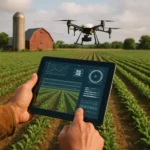
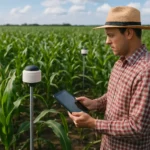
Advancements in Internet of Things (IoT) devices have revolutionized composting operations. Wireless digital sensors placed throughout a compost pile transmit continuous readings of temperature, humidity, and oxygen levels to centralized dashboards. Machine learning algorithms analyze these patterns to predict when turning or moisture adjustments are necessary. Automated compost turners can reposition windrows on schedules optimized by data analytics, reducing labor costs and ensuring uniform decomposition.
Data Analytics and Process Modeling
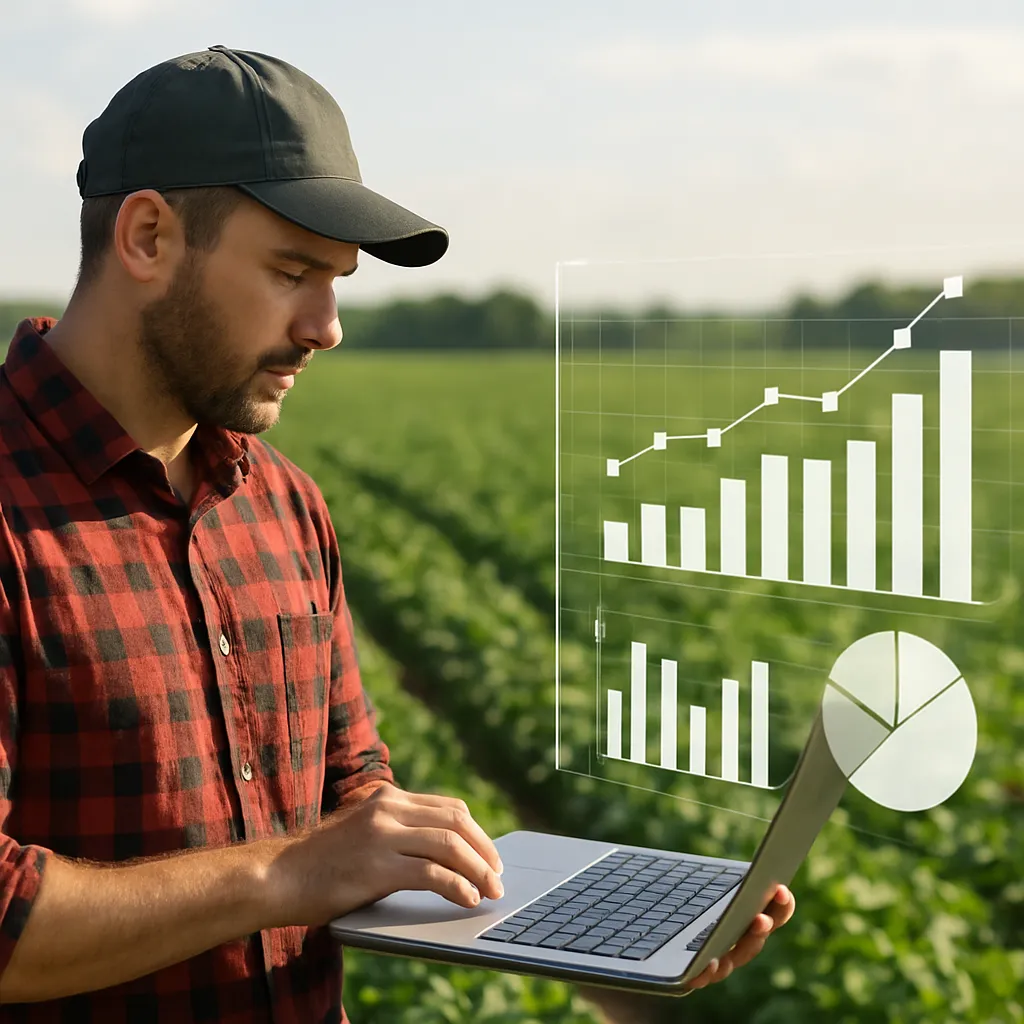
By leveraging predictive models, operators can forecast how different feedstock mixtures will behave under variable climates. Historical data helps identify the optimal compost recipe for specific waste streams, whether it’s green yard trimmings or food-processing byproducts. Advanced software platforms enable remote monitoring and alert systems that notify personnel when deviations occur, fostering proactive intervention and minimizing the risk of batch failures or environmental complaints.
- Real-time performance tracking
- Automated control of airflow and irrigation
- Predictive maintenance for mechanical equipment
- Scalable solutions for farms and municipalities
Applications in Impressive Agriculture
Enhancing Soil Fertility and Structure
Incorporating high-quality compost into farmlands boosts soil fertility by supplying a sustained release of nutrients such as nitrogen, phosphorus, and potassium. The addition of humic substances improves water-holding capacity, reduces soil erosion, and fosters aggregation, which benefits root penetration. Farmers adopting precision composting report healthier plant growth, increased yields, and reduced dependency on synthetic fertilizers.
Accelerating Regenerative Practices
Regenerative agriculture emphasizes reviving degraded soils and promoting biodiversity. Smart composting supports this paradigm by returning organic matter to the land, stimulating earthworm activity, and fostering a balanced microbial community. Integrating compost tea applications—liquid extracts rich in soluble nutrients and beneficial microbes—can further suppress plant pathogens and encourage robust crop development. These techniques underscore the synergy between technological refinement and ecological stewardship.
Economic and Environmental Benefits
Driving the Circular Economy
Smart composting exemplifies the principles of a circular economy, where waste streams become valuable inputs rather than disposal liabilities. Diverting organic waste from landfills reduces methane emissions and landfill management costs. Communities and businesses can transform food scraps and agricultural residues into marketable compost products, creating new revenue streams while closing nutrient loops.
Climate Mitigation and Ecosystem Services
By promoting carbon sequestration in soils, compost amendments capture atmospheric CO₂ and store it as stable organic matter. This process contributes to climate change mitigation and enhances long-term soil resilience against drought and extreme weather. Additionally, compost application supports pollinator habitats and fosters on-farm biodiversity, reinforcing overall ecosystem health.
- Reduced greenhouse gas emissions
- Lower demand for chemical fertilizers
- Valorization of local waste streams
- Strengthened rural economies
Challenges and Future Perspectives
Addressing Contamination and Quality Control
Ensuring feedstock purity remains a major challenge. Inadvertent inclusion of plastics, heavy metals, or persistent chemicals can compromise compost quality. Smart sorting technologies, such as optical scanners and magnetic separators, are being refined to address these issues at source. Continuous testing protocols guarantee end products meet stringent safety and performance standards.
Scaling Up and Policy Support
While pilot projects demonstrate significant promise, scaling smart composting to municipal and industrial levels requires capital investment and regulatory frameworks that encourage adoption. Incentive programs, such as tax credits for compost facility installations or subsidies for equipment procurement, can accelerate growth. Collaborative networks between researchers, policymakers, and practitioners will be pivotal in disseminating best practices and fostering widespread implementation.
Emerging Research and Innovation
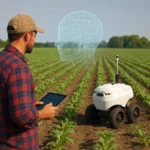
Future developments may include bioengineered microbial consortia tailored to specific feedstocks, advanced robotics for site management, and blockchain-based traceability systems to certify compost origin and quality. These innovations will further integrate smart composting within the broader agricultural revolution, emphasizing resilience, productivity, and environmental stewardship.