



Harnessing the power of predictive analytics in crop rotation strategies is transforming modern farming into a truly data-driven endeavor. By leveraging vast datasets, sophisticated machine learning models, and innovative algorithms, growers can optimize planting schedules, enhance soil health, and maximize yield potential. This article explores how predictive tools are reshaping crop rotation planning to achieve greater sustainability, economic resilience, and resource precision in agriculture.
Understanding Predictive Analytics in Crop Rotation
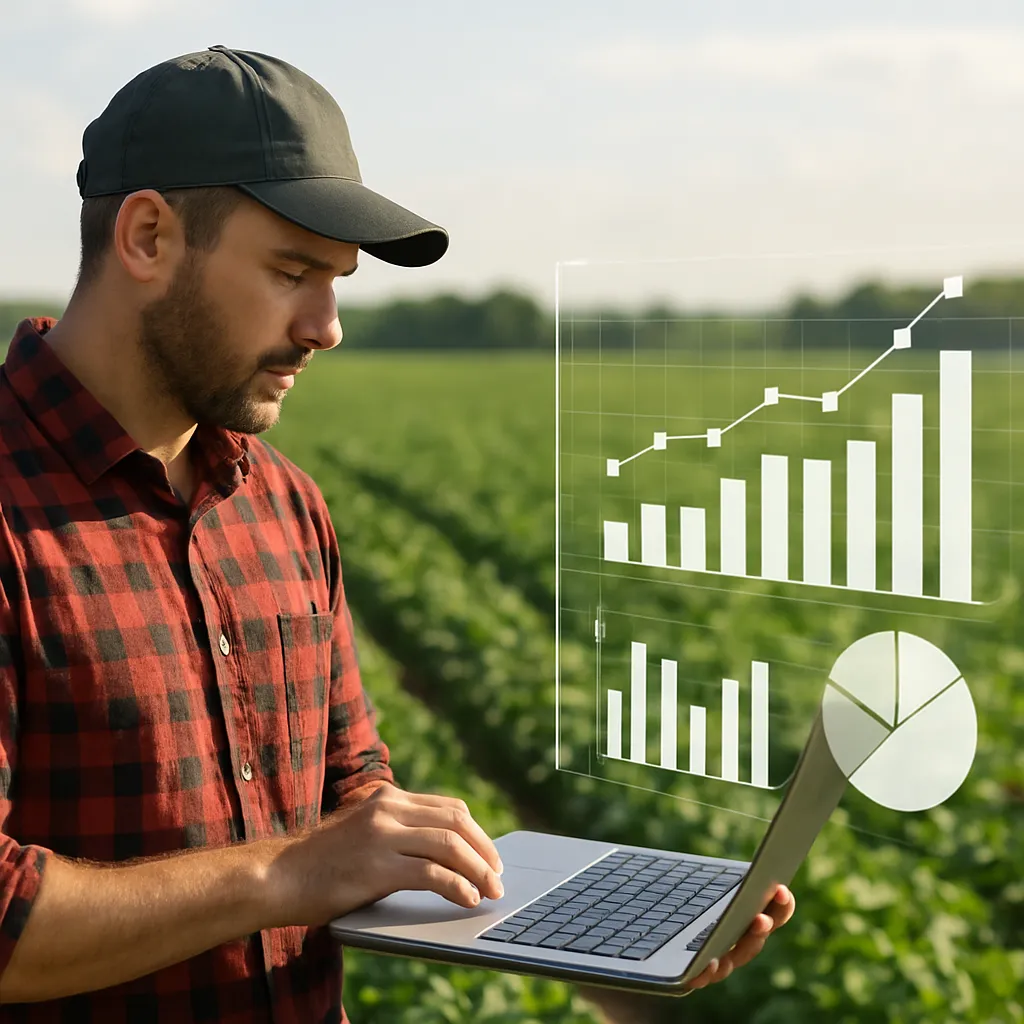
Crop rotation has long been recognized for its role in breaking pest cycles, replenishing soil nutrients, and reducing disease pressure. Traditional methods relied heavily on farmer experience and regionally shared wisdom. Today, predictive analytics provides a quantitative edge by analyzing historical data, weather patterns, soil test results, and market trends to forecast optimal rotation sequences. These insights allow farmers to move beyond reactive decision-making toward proactive planning, integrating risk management with agronomic expertise.
By applying advanced statistical techniques and modeling approaches, predictive systems can identify complex interactions among crops, soil microbiomes, and external factors. For example, algorithms can reveal that a legume–cereal rotation paired with a cover crop offers superior nitrogen fixation compared to simpler sequences. Such findings help refine rotation choices, ensuring that each planting year builds upon the previous one to sustain long-term productivity.
Key Data Sources and Technologies
Soil and Field Data
Accurate soil information underpins robust predictive models. High-resolution soil surveys, in-field sensors, and drone-based imaging capture nutrient levels, pH, moisture, and organic matter distribution. These inputs feed into data-driven frameworks that calculate crop-specific nutrient needs and anticipate depletion rates. Real-time monitoring ensures that unexpected deficits are flagged early, enabling targeted interventions such as variable-rate fertilization.
Weather and Climate Forecasts
Weather variability poses a major challenge to crop planning. Integrating daily and seasonal forecasts with long-term climate models enhances the ability to anticipate droughts, heat waves, or excessive rainfall. Machine learning algorithms process satellite data and ground station readings to generate localized forecasts. This information guides decisions on planting dates, irrigation scheduling, and erosion control measures, directly impacting the success of rotation plans.
Market and Economic Indicators
Profitability often dictates crop choices. Price forecasts, demand projections, and input cost analyses are factored into predictive systems to recommend rotations that balance agronomic benefits with market viability. By predicting commodity price movements and trade patterns, these tools help farmers align their rotation cycles with peak market opportunities, improving overall farm revenue.
Implementing Effective Rotation Plans
Designing Rotation Sequences
Effective rotation design begins with defining clear objectives: reducing disease, improving soil fertility, or diversifying income streams. Predictive platforms offer scenario simulation, allowing users to compare outcomes of multiple rotation schemes. For instance, a four-year rotation alternating corn, soybean, wheat, and cover crop can be contrasted with a three-year cereal-legume sequence to evaluate metrics like yield stability, input costs, and environmental impact.
Adaptive Management Practices
Even the best predictive models must adapt to on-the-ground realities. Continuous field scouting, sensor feedback, and yield monitoring inform mid-season adjustments. If a cover crop underperforms due to late planting or heat stress, the system recalibrates nutrient budgets and pest risk analyses for the subsequent main crop. This adaptive loop strengthens resilience against unforeseen challenges.
Integration with Equipment and Automation
Precision farming equipment seamlessly integrates with predictive outputs. GPS-guided planters can execute variable-rate seeding based on recommended densities for each field zone. Automated sprayers apply specific treatments only where needed, reducing chemical usage and protecting beneficial organisms. Such integration ensures that predictive insights translate into precise field actions, boosting both efficiency and sustainability.
Case Studies from Impressive Agriculture
Midwest Corn–Soybean Operations
A leading farm in Iowa implemented a rotation optimized by predictive software. By alternating corn, soybean, and a winter rye cover crop, the operation saw a 15% increase in average yields over five years. The system’s forecast models flagged potential nitrogen shortages in year three, prompting timely legume integration that restored soil fertility and reduced synthetic fertilizer costs by 20%.
European Mixed Cropping Systems
In France, a cooperative of smallholders embraced a multi-crop rotation of barley, peas, rapeseed, and clover. Predictive analytics projected improved nitrogen balance and break in pest cycles. After three rotations, soil organic matter increased by 12%, and the cooperative reported lower incidence of fungal diseases. Joint investment in a cloud-based platform allowed members to share data, sharpening predictions and achieving collective gains.
Precision Irrigation in Arid Regions
Farmers in southern Spain used predictive weather models and moisture sensors to time the introduction of drought-tolerant rotation crops. The system suggested swapping a portion of cereal acreage for quinoa and chickpea during predicted dry spells. This adaptive rotation strategy preserved water resources, cut irrigation costs by 30%, and maintained steady crop performance despite climate stress.
Future Trends and Innovations
As artificial intelligence and big data continue to evolve, predictive analytics will further revolutionize crop rotation planning. Emerging techniques such as deep learning, digital twins of farming systems, and blockchain-enabled data sharing promise greater transparency and model accuracy. Advances in genomics may integrate crop genetic data, enabling rotation strategies that align with specific cultivar traits and stress tolerances.
Collaborative platforms are set to democratize access, allowing small and large producers alike to benefit from shared insights. By combining sensor networks, autonomous machinery, and cloud-based predictive engines, agriculture is moving toward a new era of sustainability and resilience. Those who adopt these innovations will be best positioned to navigate evolving market demands and environmental challenges, redefining what it means to cultivate with intelligence and foresight.