


Space presents a formidable canvas for agricultural innovation, demanding revolutionary strategies to sustain life far beyond Earth’s cradle. This exploration delves into how **smart agriculture** is reshaping our capacity to grow nutritious food in the void of microgravity, revealing astonishing synergies between **robotics**, **genetic engineering**, and **resource efficiency**. Each advancement moves humanity closer to thriving colonies among the stars.
Challenges of Cultivating Plants in Microgravity
Gravity anchors life on Earth, guiding water flow, root development, and gas exchange within plants. Without it, nutrient delivery becomes erratic and roots struggle to orient properly. Traditional soil is impractical for spacecraft due to dust contamination and mass constraints. Researchers must replicate Earthlike growing conditions using ingenious substitutes, ensuring roots receive moisture without drowning or dehydration.
- Water Management: In microgravity, water forms spheres, risking clogged systems and uneven hydration. Engineers design capillary channels to control liquid distribution.
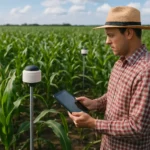
- Atmospheric Control: Precise CO₂ and O₂ ratios are crucial. Sensors and feedback loops maintain optimal air composition within sealed growth chambers.
- Light Simulation: Full-spectrum LED arrays mimic solar cycles, regulating photosynthesis and circadian rhythms in the absence of a natural day-night cycle.
Overcoming these obstacles lays the groundwork for robust plant life support systems in orbiting laboratories and interplanetary vessels.
Advanced Technologies for Space Agriculture
Hydroponics Innovation
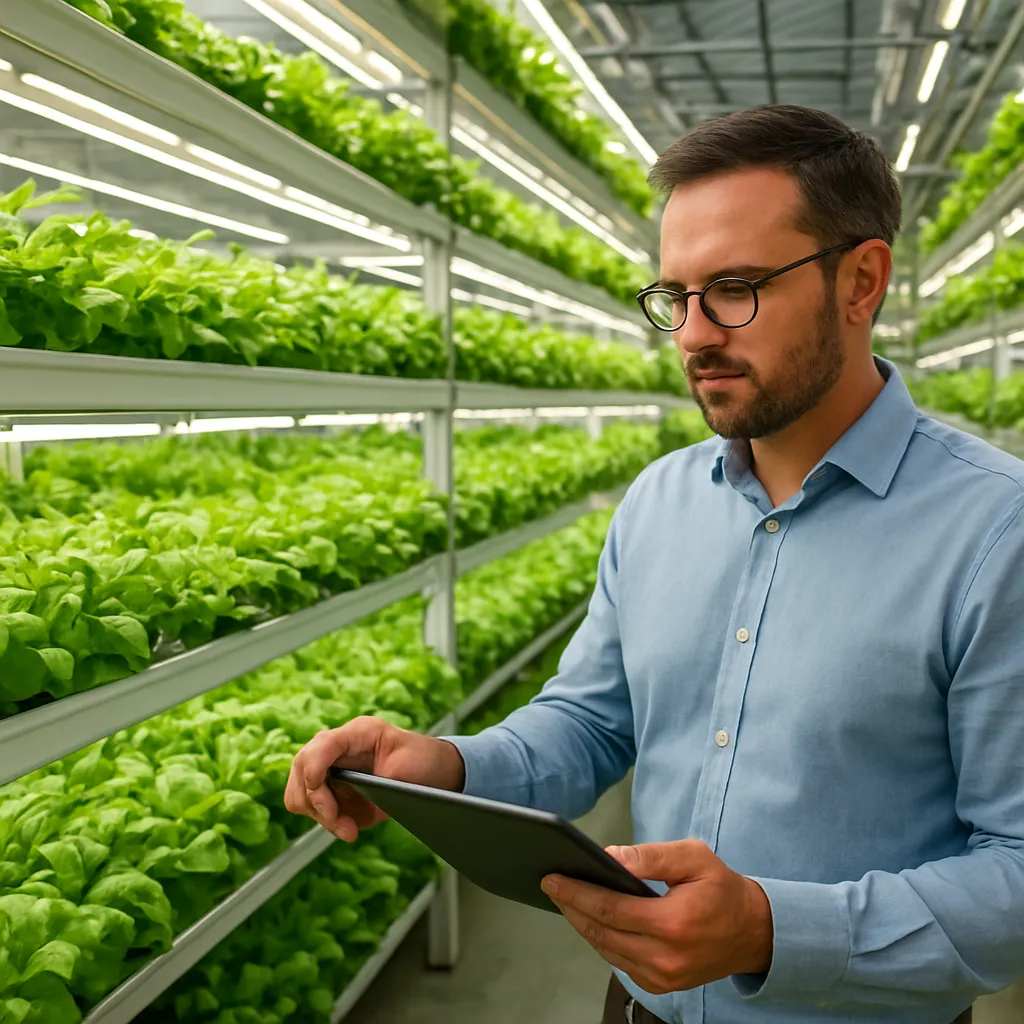
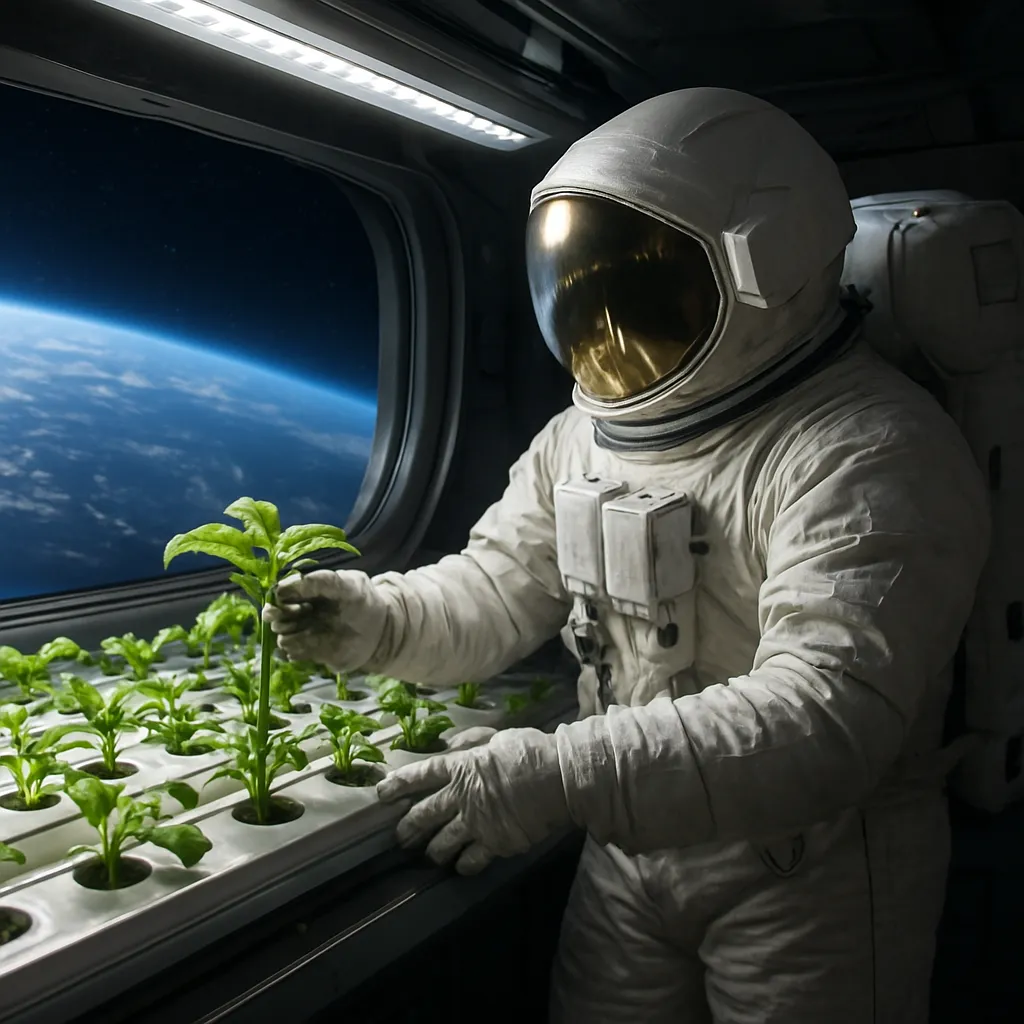
Hydroponics eliminates soil, delivering nutrients in water solutions. Cutting-edge systems employ automated sensors to monitor pH, electrical conductivity, and mineral concentrations. The result is dramatic improvement in crop yields per unit volume and drastically reduced water usage—critical when every drop counts in closed-loop habitats.
Aeroponics and Fog Culture
Aeroponic setups mist nutrient-rich droplets onto exposed roots, enhancing oxygen access and accelerating growth. Recent trials aboard the International Space Station demonstrated 30% faster lettuce maturation compared to hydroponic counterparts. Fog culture further refines this approach by atomizing nutrients, creating an ultrafine mist that roots absorb with unprecedented efficiency.
Bioregenerative Life Support
Future missions aim to integrate bioregenerative modules combining plants, algae, and microbes. Photobioreactors cultivate microalgae strains that scrub CO₂ and produce oxygen, complementing higher plants’ capabilities. Meanwhile, beneficial bacteria recycle waste into organic fertilizers. This symbiotic network reduces resupply dependence and closes critical life support loops in extended missions.
Leveraging Robotics and AI in Orbital Farms
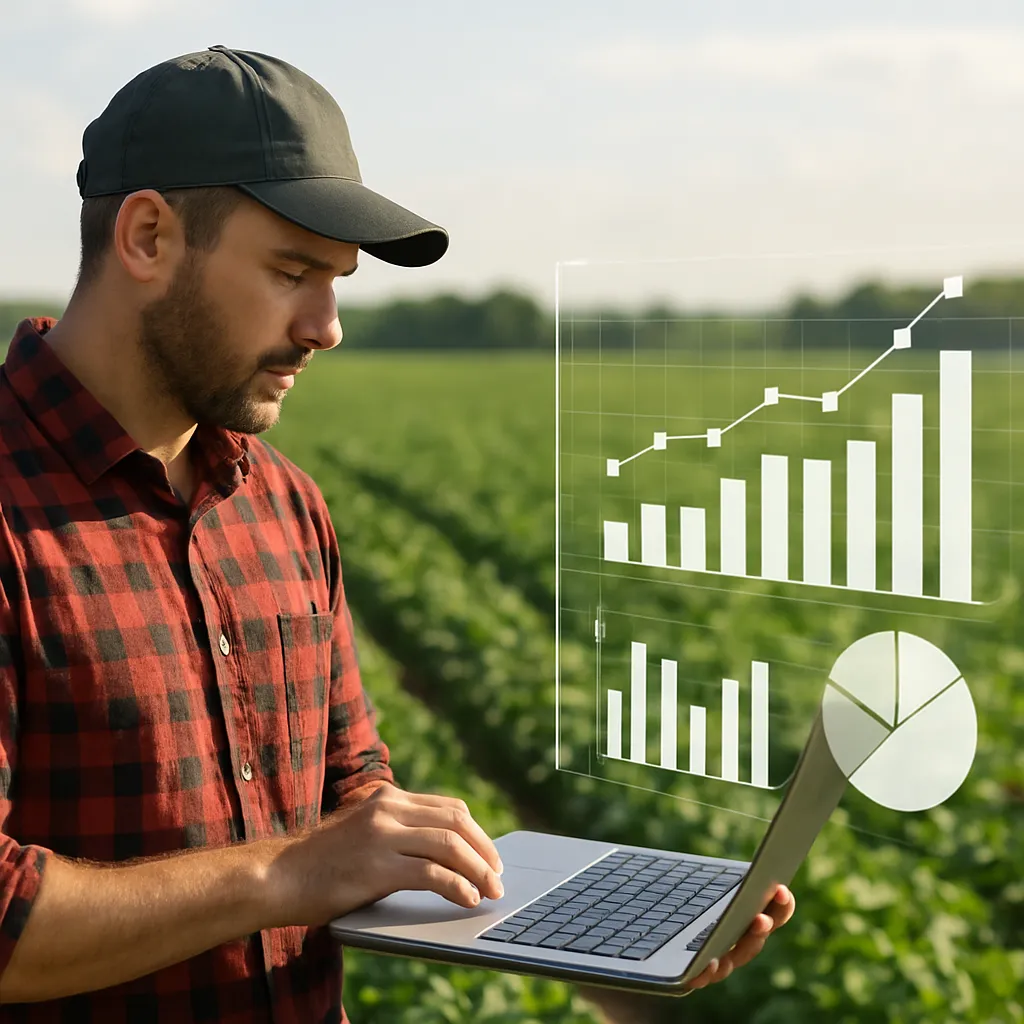
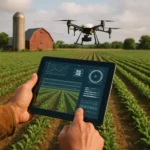
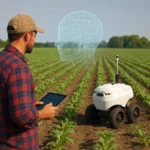
Robotics play a pivotal role in monitoring and maintaining space greenhouses. Automated arms equipped with multispectral imaging cameras can detect early signs of nutrient deficiency or disease. Integrated AI algorithms analyze sensor data in real time, adjusting lighting schedules and nutrient profiles without human intervention. This synergy of robotics and machine learning enhances reliability and minimizes crew workload.
- Predictive maintenance alerts prevent system failures before they disrupt growth cycles.
- Automated pollination robots ensure fruiting crops, like tomatoes and peppers, reproduce effectively in zero gravity.
- Swarm robotics concepts propose fleets of micro-drones tending thousands of plant units simultaneously.
Such fully autonomous operations are vital during long-duration missions where crew time is precious and supply lines distant.
Genetic Engineering for Space-Ready Crops
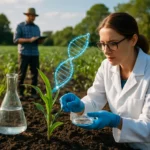
Space conditions—radiation exposure, limited nutrients, and microgravity stress—necessitate specially tailored plants. Geneticists employ CRISPR and other gene-editing tools to develop varieties with enhanced resilience. Targets include:
- Drought Tolerance: Modified root architecture optimizes water uptake in hydroponic or aeroponic systems.
- Radiation Resistance: Genes from extremophiles bolster DNA repair mechanisms.
- Rapid Lifecycle: Shortened seed-to-harvest cycles allow multiple growth phases within mission timelines.
These breakthroughs not only support off-world settlements but also have profound implications for terrestrial agriculture in arid or degraded environments.
Sustainability and Earthly Benefits
Technologies forged for space translate into powerful solutions on Earth. Controlled Environment Agriculture (CEA) facilities adopt hydroponic and aeroponic methods to produce food in urban centers, slashing transportation emissions and land use. Bioregenerative principles inspire circular waste treatment systems, reducing municipal solid waste and wastewater volumes. Moreover, integration of AI-driven climate control promotes **resource efficiency** on a global scale.
- Vertical farms in skyscrapers deliver fresh produce year-round, independent of climate variability.
- Precision nutrient delivery curbs fertilizer runoff, protecting aquatic ecosystems.
- Low-energy LED growth modules powered by renewable sources minimize carbon footprints.
Future Prospects for Interplanetary Agriculture
Establishing viable far-flung colonies—on Mars, lunar outposts, or deep-space vessels—relies on ever-advancing agricultural ecosystems. Modular growth units could be dispatched ahead of crewed missions, autonomously establishing food production nodes. The ultimate vision encompasses self-sufficient biospheres supporting hundreds or thousands of settlers in alien landscapes.
Through continuous innovation in genetic engineering, nutrient delivery, and highly automated systems, the dream of cosmic agriculture becomes increasingly tangible. These strides pave the way for humanity’s transformation from Earth-bound species to true interplanetary pioneers.