

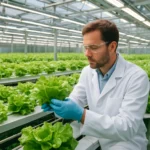
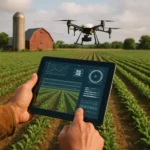
Smart Hydroponics Systems merge cutting-edge technology with innovative agricultural practices, revolutionizing how food is cultivated. By integrating data-driven processes, these systems deliver unmatched precision and resource efficiency, setting new standards in modern farming.
Advancements in Smart Hydroponic Technology
Over the past decade, significant strides in hydroponics have led to fully automated cultivation modules. Utilizing IoT-enabled devices and AI-driven analytics, growers can now maintain optimal growing conditions without constant manual intervention. These advancements not only streamline labor-intensive tasks but also enhance overall system optimization.
Innovative Sensor Array Integration
Modern hydroponic facilities deploy an extensive network of sensors to continuously monitor critical parameters:
- pH levels and electrical conductivity to balance nutrient solutions
- Temperature and relative humidity to prevent plant stress
- Light intensity and spectrum analysis for tailored photosynthesis
Sophisticated sensor data is processed in real time, enabling instantaneous corrective actions. This integrated approach ensures plants receive the precise conditions necessary for maximum growth, significantly reducing waste and downtime.
Automated Nutrient Delivery Systems
Smart nutrient delivery platforms leverage peristaltic pumps and proportional dosing mechanisms to sustain ideal feeding schedules. By calculating nutrient concentration through advanced algorithms, these systems achieve unparalleled efficiency. Growers can customize feeding regimens for specific crops, fostering healthier root development and accelerated growth cycles.
Environmental and Economic Benefits
Incorporating smart hydroponics into agricultural frameworks yields profound environmental advantages. These high-tech systems address key sustainability challenges by minimizing resource consumption and maximizing output.
- Water Conservation: Up to 90% less water usage compared to traditional soil-based agriculture
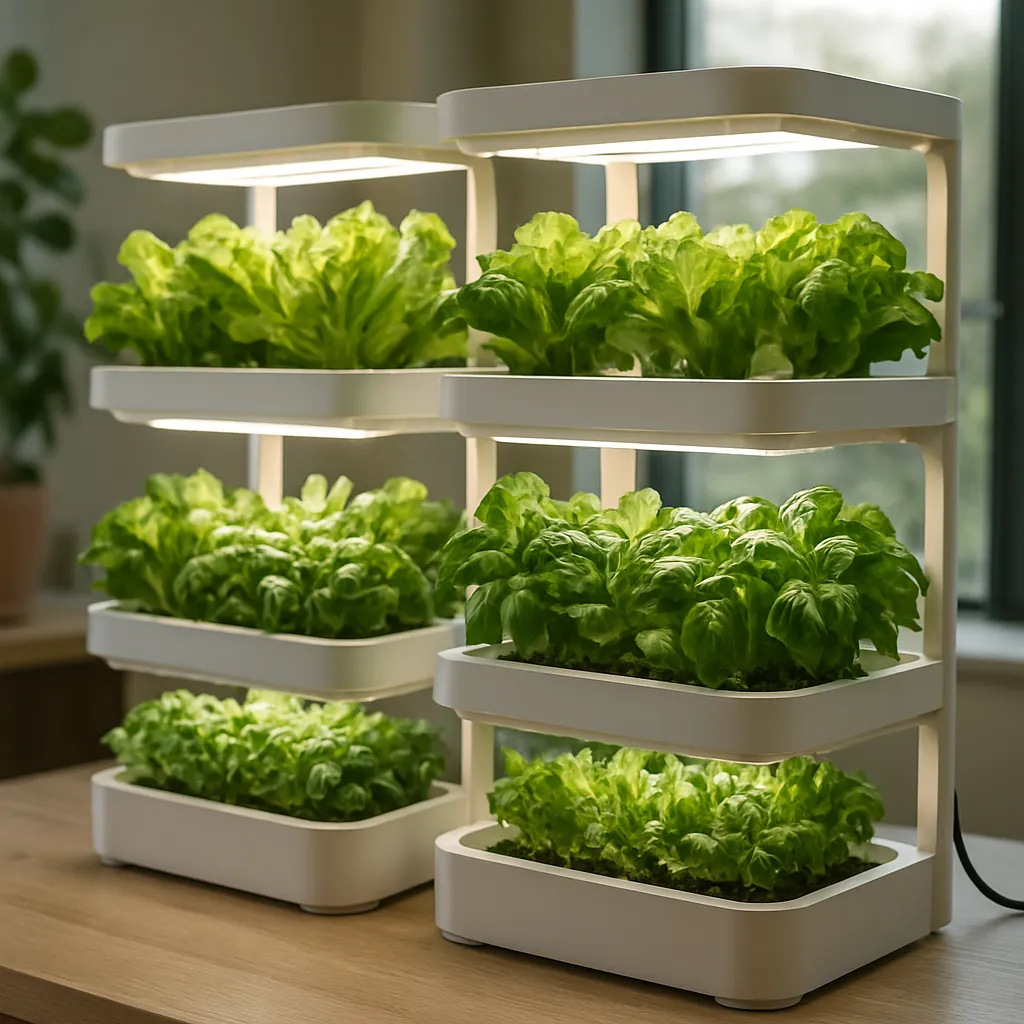
- Land Optimization: Vertical stacking configurations reduce land footprint while boosting production per square meter
- Energy Management: LED grow lights paired with intelligent climate control cut energy costs by up to 40%
From an economic standpoint, upfront investments in smart hydroponic infrastructure pay dividends through reduced labor expenses and higher crop yield. The predictable production cycles also stabilise revenue streams, lowering market risk for commercial growers.
Applications and Case Studies
The versatility of smart hydroponics transcends traditional greenhouse environments. Urban farms, controlled-environment agriculture facilities, and on-site production units in retail outlets demonstrate how these systems adapt to diverse settings.
Urban Vertical Farming
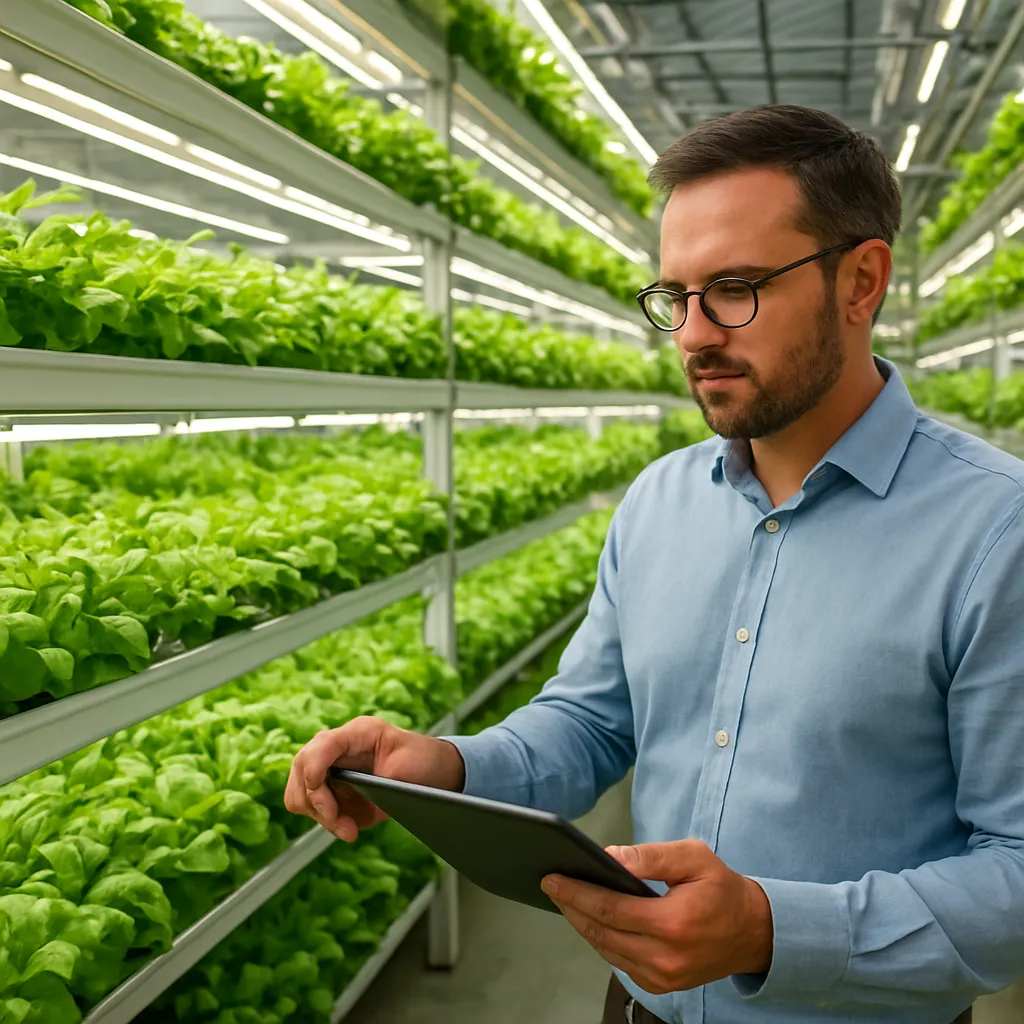
In densely populated cities, vertical farming installations transform underutilized spaces into food production hubs. Multi-tiered racks equipped with nutrient-rich water delivery and LED lighting yield fresh produce year-round, even in extreme climates. One notable facility in Tokyo produces over 300 tons of leafy greens annually in a repurposed warehouse.
Aquaponics Synergy
By combining sustainability principles from aquaculture with hydroponic nutrient cycles, aquaponics systems create a closed-loop ecosystem. Fish waste provides organic fertilizer for plants, while the vegetative beds filter water that recirculates back to fish tanks. This harmonious integration showcases how interdisciplinary designs can amplify resource efficiency.
Future Directions and Challenges
Despite impressive achievements, the next wave of smart hydroponics will hinge on further technological breakthroughs and systemic optimizations. Researchers are exploring advanced robotics for seedling transplanting, drones for condition scouting, and machine-learning platforms for predictive maintenance.
- AI-powered disease detection to identify pests and pathogens before outbreaks
- Blockchain-based supply chain tracking ensuring traceability from seed to shelf
- Modular system designs for rapid scalability and decentralized production
Adopting these innovations poses challenges, including high initial capital costs, technical expertise requirements, and integration complexity. However, as component prices decline and training programs expand, smart hydroponic solutions will become more accessible to growers of all scales.
Unlocking Precision Agriculture Through Data
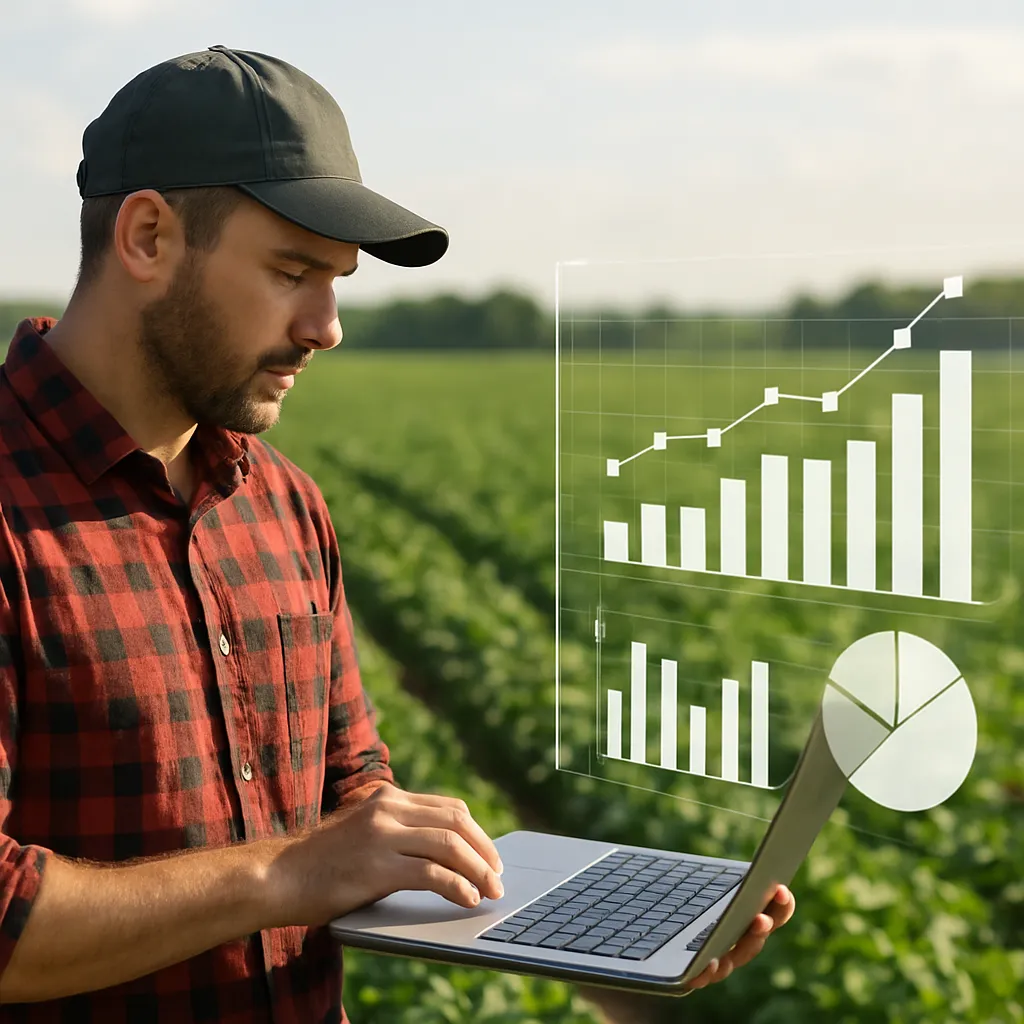
Central to the success of smart hydroponics is the intelligent use of data. Through continuous monitoring and algorithmic adjustments, farmers can tailor environmental conditions to each crop’s unique needs. This level of precision agriculture not only improves plant health but also diminishes chemical inputs, further reducing environmental impact.
- Cloud-based dashboards for remote system control
- Real-time alerts on nutrient imbalances and system faults
- Historical data analytics for fine-tuning seasonal production strategies
Scaling Sustainable Food Production
As global populations surge and arable land declines, smart hydroponics emerges as a vital strategy for ensuring food security. By harnessing digital innovation and sustainable design principles, these systems can deliver consistent, high-quality harvests in locales where traditional agriculture is impractical.
Through cross-sector collaboration between agronomists, engineers, and data scientists, the next generation of hydroponic farms will redefine the boundaries of modern agriculture. Prioritizing resource stewardship and environmental responsibility, smart hydroponics stands at the forefront of a more resilient and productive food system.