

Innovations in the realm of agriculture are reshaping the way the world tackles food waste. As global populations soar, the imperative to preserve perishable goods and optimize every stage of the supply chain becomes more urgent. Cutting-edge tools and digital solutions now empower farmers, distributors, retailers, and consumers to collaborate seamlessly, minimizing spoilage and maximizing resource efficiency. This exploration delves into the most impactful advancements that define today’s impressive agriculture landscape.
Supply Chain Optimization Through Real-time Monitoring
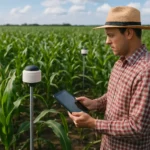
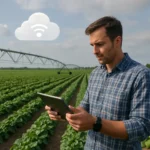
One of the most transformative shifts in modern farming is the adoption of real-time tracking systems. By deploying networks of IoT sensors across fields, storage facilities, and transport vehicles, stakeholders gain an unprecedented view of environmental conditions—temperature, humidity, and vibration levels—that directly affect produce quality. These connected sensors relay data continuously to cloud-based dashboards, enabling swift action to mitigate risks.
- Cold Chain Integrity: Advanced sensors detect deviations in refrigeration units instantly, triggering alerts to prevent spoilage of fruits, vegetables, dairy, and meat.
- Blockchain Traceability: Immutable ledgers document every transaction and handling event, ensuring provenance and reducing losses from mismanagement or contamination fears.
- Perishables Shelf-Life Extension: Dynamic routing algorithms propose alternative distribution paths when delays occur, preserving quality while adapting delivery schedules.
- Sustainability Metrics: Real-time dashboards measure carbon footprint and waste figures for each shipment, empowering companies to set reduction targets and monitor progress.
By harnessing these technologies, food distributors can reduce inefficiencies, slash waste volumes, and build consumer trust through transparent practices.
AI and Big Data Forecasting for Demand and Harvest Timing
Predicting how much food will be needed—and when—is crucial to preventing both shortages and surpluses. AI-driven platforms analyze historical sales figures, weather patterns, social media trends, and even economic indicators to generate demand curves. Farmers equipped with this intelligence can schedule harvests to align precisely with market needs, avoiding glut-filled marketplaces that lead to unsold crops rotting in storage.
- Analytics Engines: Machine learning models identify hidden correlations within terabytes of data, producing day-by-day consumption forecasts for retailers and wholesalers.
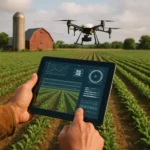
- Drone-based Aerial Imaging: High-resolution maps estimate field yield early in the season, facilitating staffing and equipment allocation for peak harvest periods.
- Forecasting Tools: Predictive modules simulate multiple scenarios—drought, pest outbreaks, price fluctuations—helping agribusinesses develop resilient strategies.
- Precision Agriculture: Variable rate application of water, fertilizers, and pesticides reduces resource waste and improves crop homogeneity for easier packaging and distribution.
These innovations ensure that supply aligns closely with demand, trimming back store-level markdowns, reducing unsold stock, and improving profitability for growers and retailers alike.
Innovative Preservation and Processing Techniques
Beyond digital solutions, revolutionary approaches in food science contribute substantially to waste reduction. By leveraging emerging technologies, producers can prolong freshness and repurpose imperfect produce that would previously have been discarded.
- High-Pressure Processing: This non-thermal method uses intense hydrostatic pressure to inactivate spoilage organisms while preserving flavor, color, and nutrients—ideal for juices, meats, and ready-to-eat meals.
- Edible Coatings: Thin layers of natural polymers, enzymes, and antimicrobial extracts are applied to fruits and vegetables, creating breathable barriers that slow respiration and moisture loss.
- Preservation with Pulsed Electric Fields: Short bursts of electricity disrupt microbial cell membranes without heat, extending the shelf life of liquid foods and plant-based milks.
- Upcycling Imperfect Produce: Turn misshapen carrots into dehydrated chips, bruised apples into jam, and cosmetic rejects into flour blends—unlocking value from items once destined for landfill.
- Enzymatic Treatments: Targeted enzymes inhibit browning and soften cell walls, maintaining crispness in fresh-cut produce and reducing trim waste in processing plants.
By integrating these methods into processing lines, companies can create premium products from surplus or imperfect harvests, boosting both sustainability credentials and profit margins.
Digital Marketplaces and Redistribution Platforms
Connecting surplus food with communities in need is easier than ever thanks to a new wave of digital platforms. Mobile applications and online marketplaces facilitate direct transactions between food donors—farms, processors, retailers—and charities, food banks, or bargain-seeking consumers.
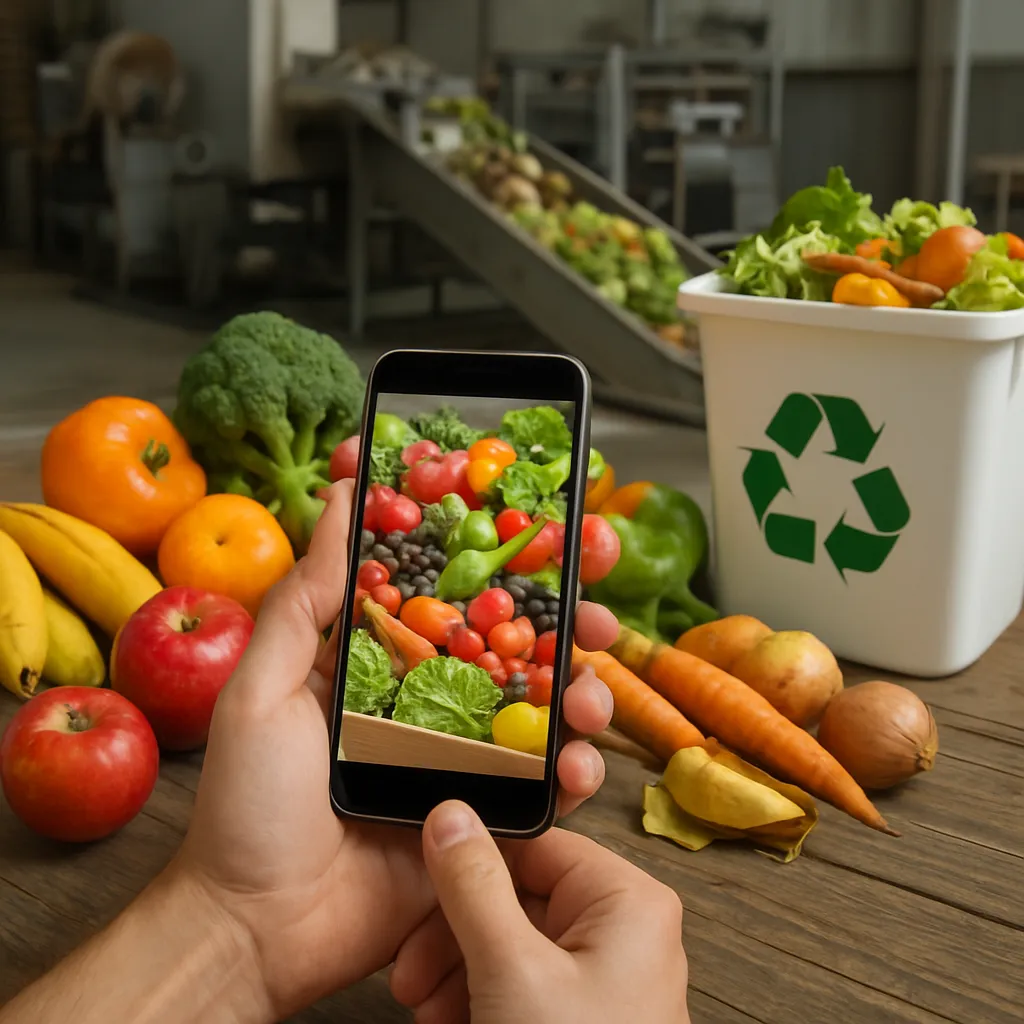
- Apps for Surplus Sales: Platforms allow restaurants and grocers to list near-expiry items at discounted rates, attracting price-sensitive shoppers and keeping edible goods in circulation.
- Charity Integration: Automated logistics coordinate pick-ups and drop-offs, ensuring safe transport of perishable donations to shelters and community kitchens.
- Redistribution Networks: Regional hubs aggregate excess produce from multiple suppliers, distributing it effectively across urban and rural areas experiencing food insecurity.
- Crowd-Sourced Delivery: Volunteer drivers use GPS-enabled apps to collect and deliver surplus meals, creating a grassroots network that complements professional logistics.
- Community Engagement Features: Social sharing, volunteer coordination, and impact dashboards foster a sense of collective responsibility, encouraging wider participation.
These digital channels not only reduce environmental impact but also generate social value by tackling hunger and strengthening local economies.