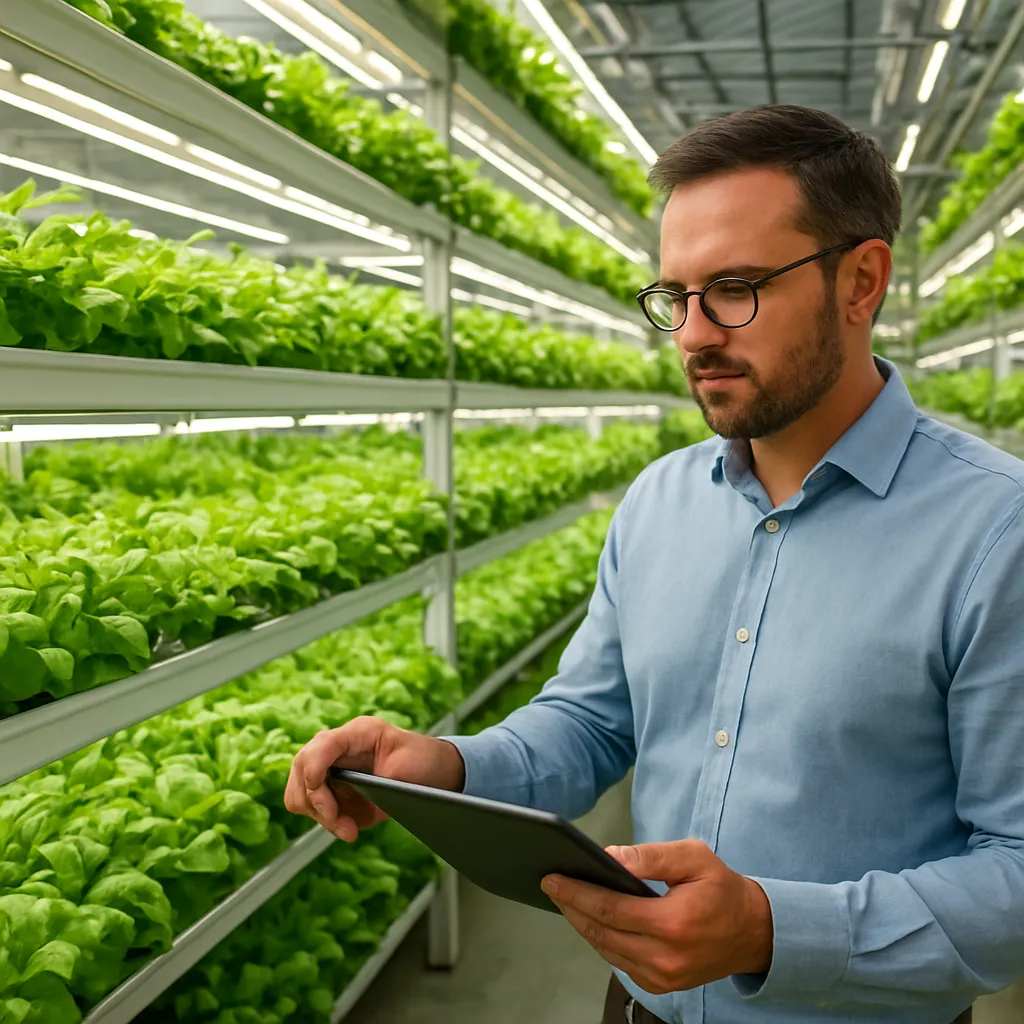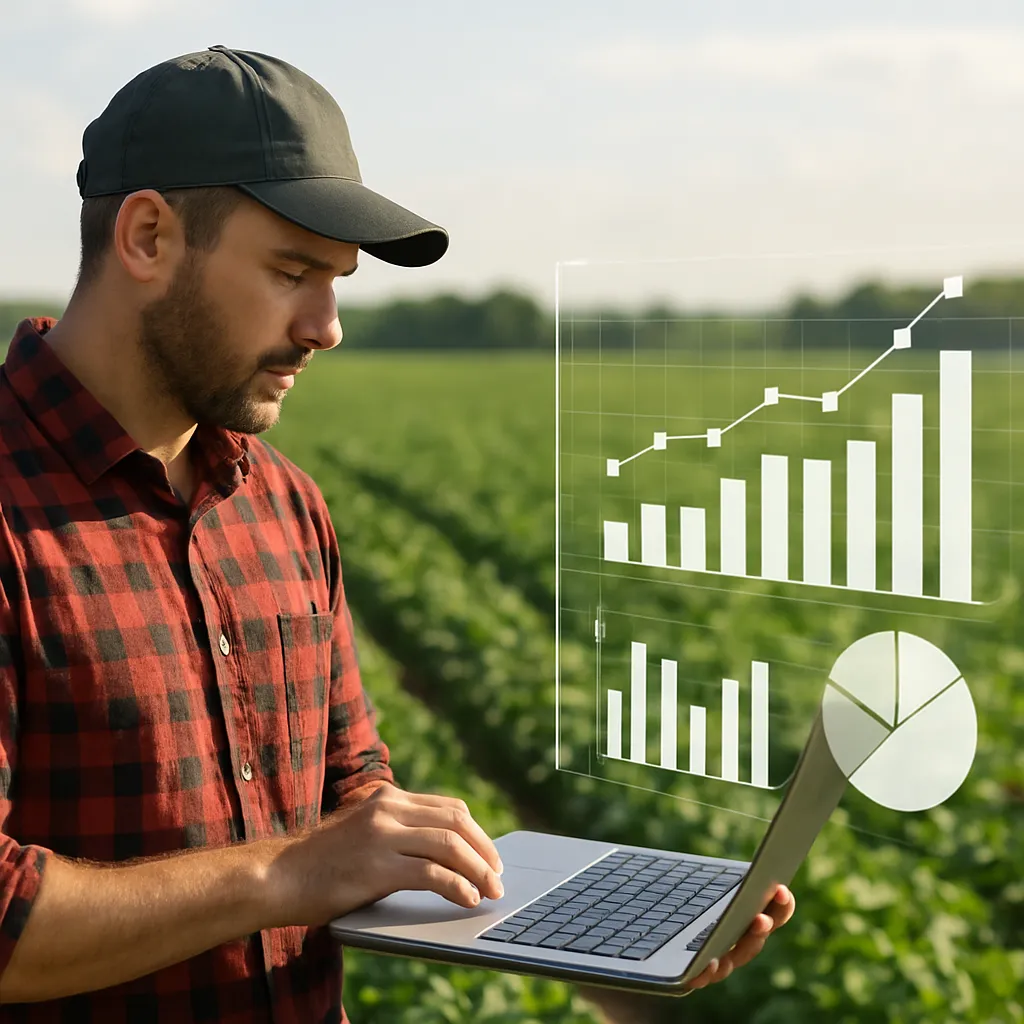


harnessing the power of AI in modern agriculture is no longer a distant vision but an essential strategy to tackle mounting challenges in crop protection. As global demand for food rises and environmental concerns intensify, farmers seek tools that deliver targeted interventions while minimizing collateral damage. By integrating advanced sensors, real-time analytics, and predictive algorithms, this article explores how technology reshapes pesticide usage, uplifts yields, and ensures long-term sustainability across diverse agroecosystems.
Revolutionizing Pesticide Management with Intelligent Systems
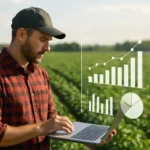
Traditional pesticide application often relies on rigid schedules and blanket coverage, which can lead to overuse, resistance buildup, and non-target effects on beneficial organisms. In contrast, automated platforms leverage precision agriculture to identify pest hotspots and tailor interventions at the plant or even leaf level. High-resolution satellite imagery, coupled with ground-based cameras, feeds continuous streams of imagery and spectral data into learning models. Over time, these systems refine their detection capabilities, distinguishing between disease symptoms, nutrient stress, and actual pest presence. Farmers receive actionable alerts via mobile apps, ensuring that sprays only occur when and where necessary. This shift from reactive to proactive protection translates into substantial cost savings and reduced ecological footprint.
The Role of Remote Sensing and IoT
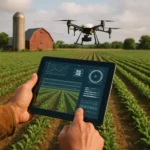
Advanced remote sensors mounted on drones or field towers measure subtle changes in vegetation vigor. Multispectral and thermal sensors detect stress patterns invisible to the human eye, enabling targeted scouting missions. Networks of soil moisture probes, weather stations, and automated sprayers communicate with cloud-based analytics engines. By correlating climatic conditions with pest life cycles, the system forecasts outbreak probabilities days in advance. This integrated approach empowers stakeholders to optimize spray timing, reduce drift, and limit chemical runoff.
AI-Driven Precision in Application
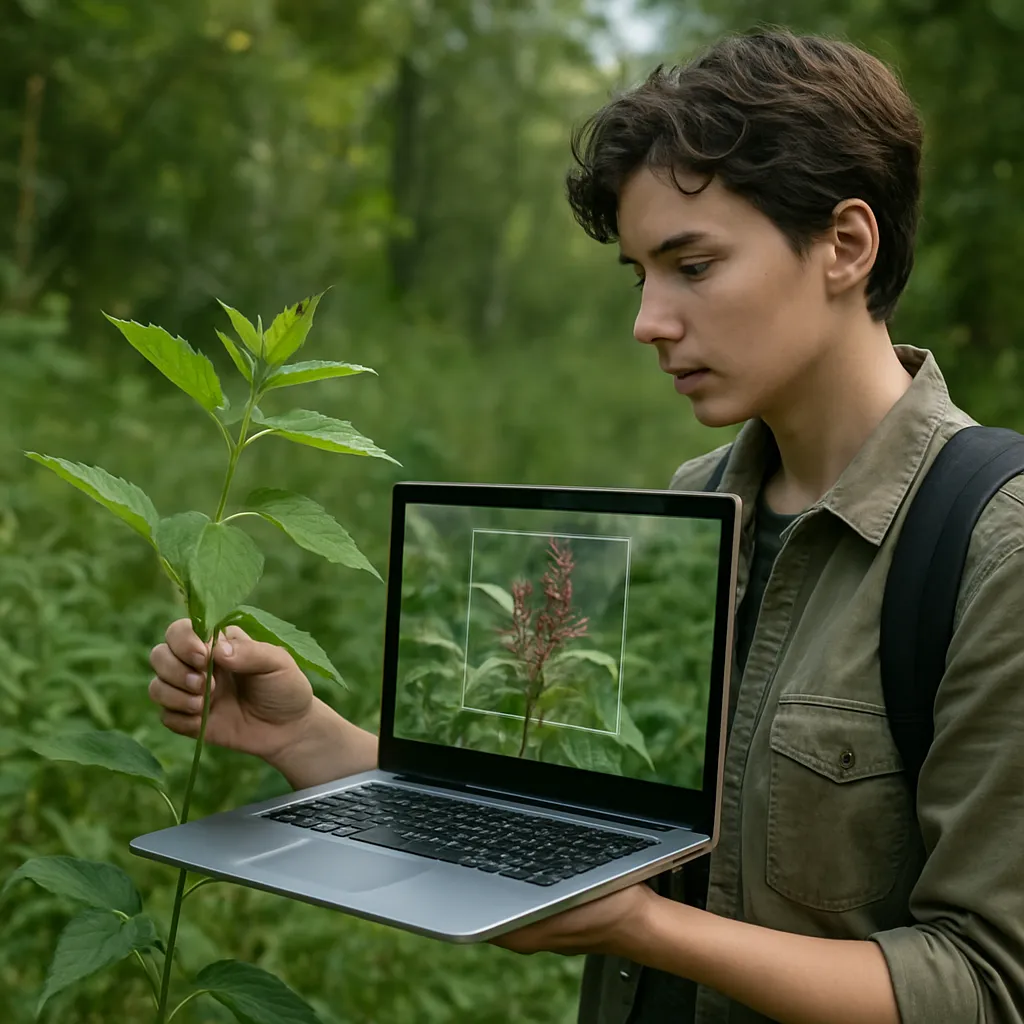
Machine vision and learning algorithms scrutinize live feeds, distinguishing leaf discoloration, insect damage, and fungal lesions with remarkable accuracy. These insights inform variable-rate sprayers that modulate droplet size, flow rate, and nozzle activation on the fly. Key components include:
- Computer vision modules trained on thousands of annotated images
- Autonomous ground vehicles and drones equipped with GPS guidance
- Edge computing units performing machine learning at the point of data capture
- Adaptive control systems adjusting pesticide mixture based on real-time conditions
- Secure cloud platforms for aggregating multi-season and multi-field data
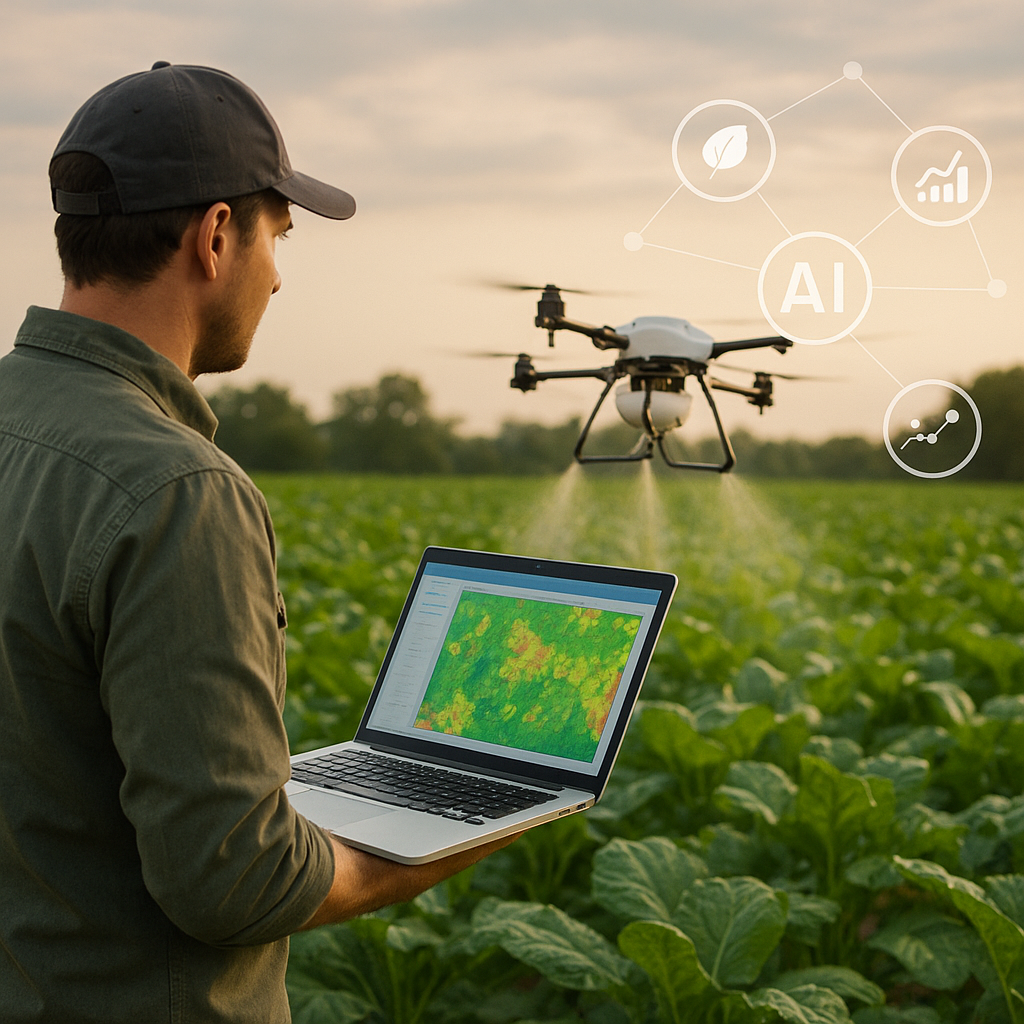
With these tools, growers achieve remarkable efficiency gains. A single drone can survey large tracts in minutes, pinpointing zones that require treatment. Meanwhile, integrated flow meters ensure that only the exact volume of spray is released, dramatically reducing overapplication. By applying pesticides selectively, the technology safeguards beneficial insects and promotes biodiversity within and around fields.
Environmental and Economic Benefits
Deploying intelligent pesticide management yields a dual impact on both profitability and ecological health. Precise targeting translates to lower input costs as less chemical is purchased, stored, and disposed of. Simultaneously, runoff into waterways diminishes, protecting fish populations and aquatic ecosystems. Key advantages include:
- Decreased pesticide residues in soil and water
- Mitigated development of pest resistance through variable dosing
- Enhanced pollinator activity by sparing flowering areas
- Improved worker safety due to remote operation and automated handling
- Data-driven insights that inform long-term crop rotation and soil health strategies
Farmers report measurable improvements in crop quality and uniformity. Fields managed with intelligent systems often produce higher yield margins, translating into greater revenue per hectare. Insurance premiums may also decrease as risk of large-scale pest outbreaks diminishes. On a regional scale, coordinated networks of farms sharing anonymized data can anticipate and contain invasive species before they spread widely.
Future Directions and Emerging Innovations
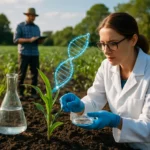
Research continues to push boundaries by integrating genomic data from both crops and pests. In the near future, predictive models will incorporate gene expression profiles to forecast susceptibility and resistance patterns. Synthetic biology could generate bio-based pesticides tailored to specific insects, further reducing off-target impacts. Other promising developments include:
- Robotic pollinators and bio-robots that deliver beneficial microbes directly to flowers
- Blockchain-enabled supply chains ensuring transparency and traceability of chemicals
- Augmented reality interfaces that overlay pest maps onto a live camera view, guiding manual scouting
- Collaborative AI networks where data analysis from one region trains models applied in another
Policy frameworks are evolving to support digital agriculture adoption, offering incentives for sustainable practices and open data sharing. As these technologies mature, they promise to foster resilient food systems capable of feeding a growing population while preserving natural resources. Through continuous innovation and collaborative partnerships among researchers, industry players, and farmers, agriculture moves closer to a harmonious balance between productivity and environmental stewardship.