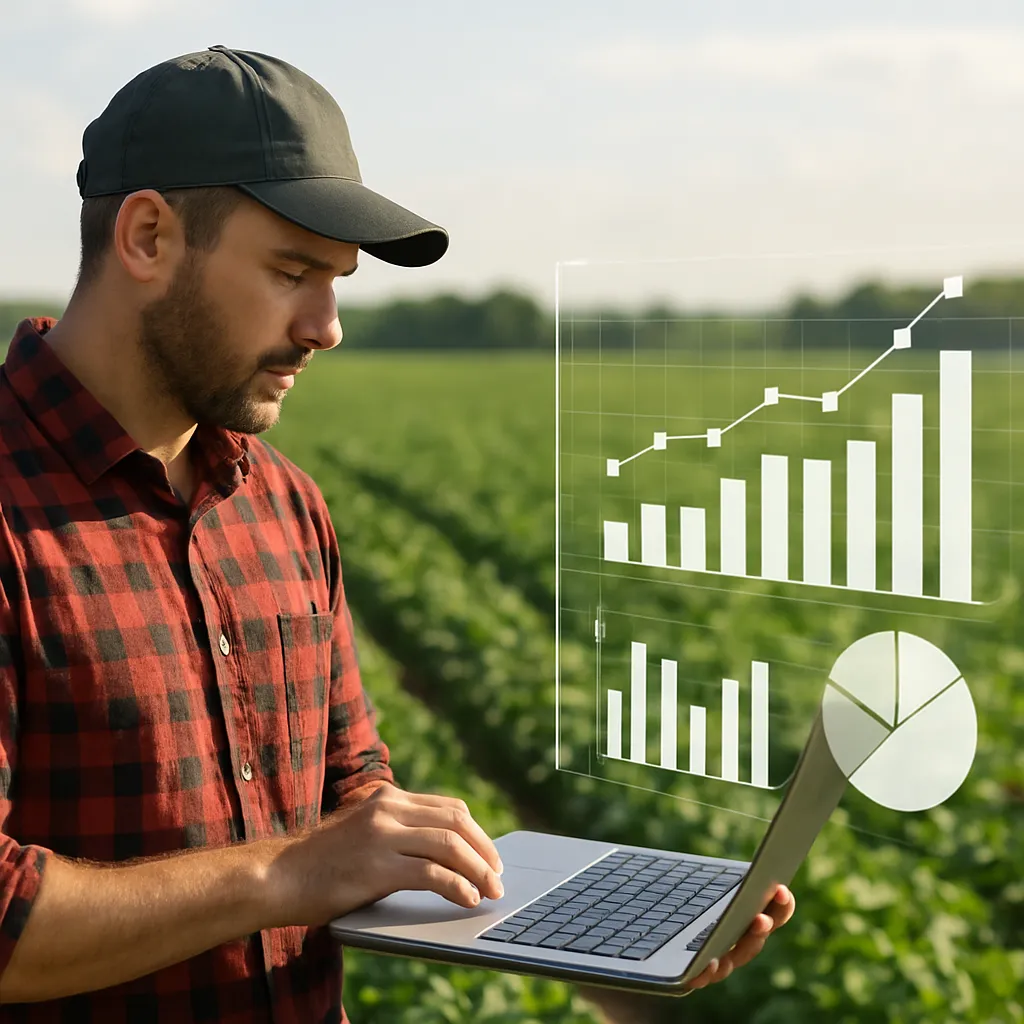






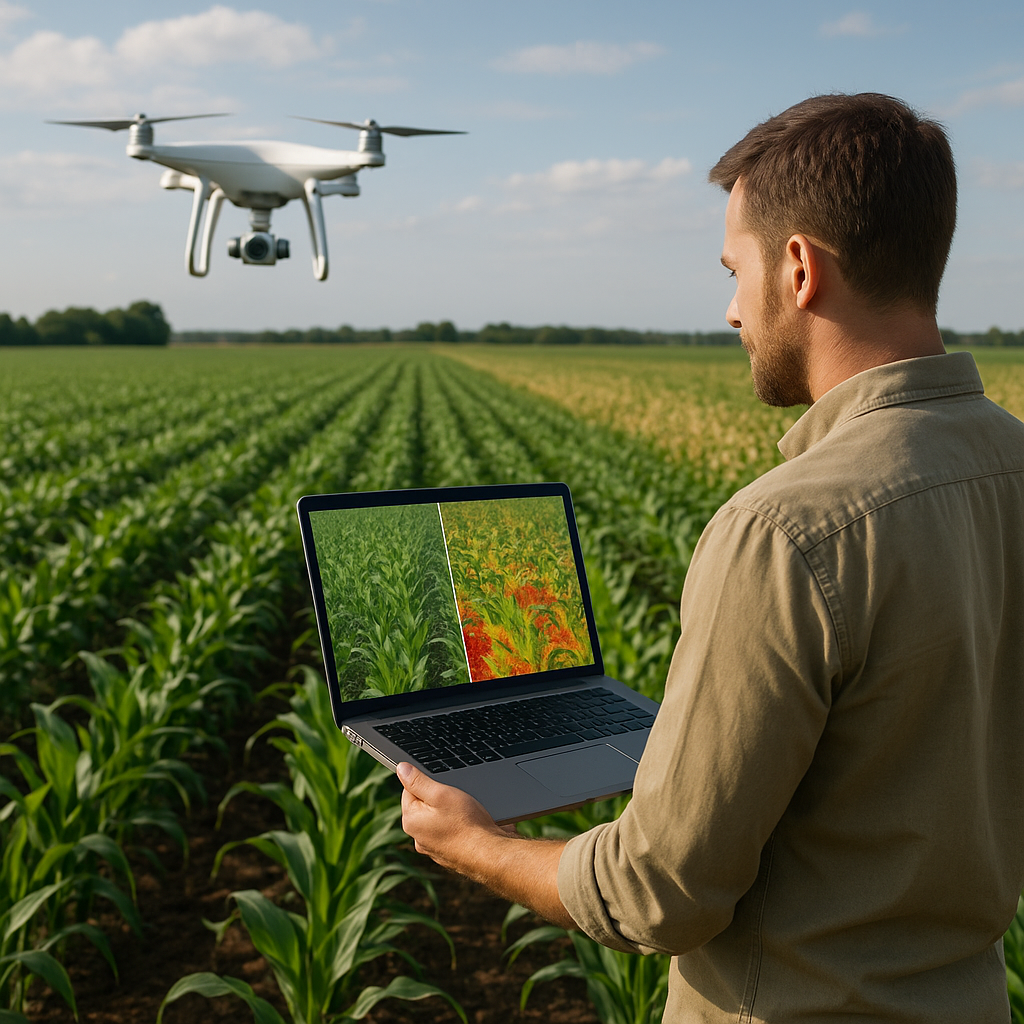
Early detection of crop stress has become a cornerstone of modern agriculture, transforming fields into dynamic ecosystems where data-driven decisions boost yield, conserve resources, and safeguard food security. By leveraging sophisticated machine learning techniques, farmers and agronomists can now diagnose plant health anomalies long before visible symptoms emerge. This proactive approach not only enhances productivity but also underpins a new era of sustainability and resilience in global food systems.
Integration of Sensor Networks with ML Models
A robust detection system begins with a dense array of in-field sensors that continuously monitor environmental parameters. These devices capture temperature, humidity, soil moisture, nutrient levels, and even acoustic vibrations generated by root growth. When paired with algorithms specifically trained to recognize subtle patterns, these sensors form the backbone of an intelligent crop surveillance network.
Wireless Sensor Deployments
Deploying wireless nodes across fields enables seamless data collection at granular intervals. Each node transmits information to a central hub where preprocessing routines filter out noise and calibrate readings. Once cleaned, the data flows into a machine learning pipeline that classifies each sample into healthy or stressed categories. Over time, the system refines its internal parameters through continual learning, improving detection precision.
Key benefits of this integration include:
- Real-time alerts when stress thresholds are breached.
- Resource optimization via targeted irrigation and fertilization.
- Reduced chemical usage thanks to timely intervention.
- Enhanced yield predictions through long-term trend analysis.
Advanced Imaging Techniques and Data Fusion
Beyond point measurements, aerial and ground-based imaging platforms have revolutionized how we visualize plant health. Multispectral, hyperspectral, and thermal cameras mounted on drones or tractors capture vast swaths of farmland in a fraction of the time required for manual scouting. By analyzing reflectance patterns across dozens of wavelengths, machine learning models can identify water stress, nutrient deficiencies, and pathogen invasion well before symptoms become visible to the naked eye.
Data fusion plays a pivotal role in elevating detection accuracy. By combining sensor readings with high-resolution imagery, ML frameworks construct a multi-dimensional representation of field conditions. This holistic view enables the identification of spatial anomalies, such as dry patches or early disease hotspots, with unprecedented clarity. Underpinning this approach are convolutional neural networks (CNNs) fine-tuned to recognize specific stress signatures and differentiate them from harmless variations.
Challenges and Solutions
- Data volume: Handling terabytes of imagery requires scalable storage and processing, often addressed via cloud-based platforms.
- Label scarcity: Annotating diverse stress examples is labor-intensive; transfer learning and synthetic augmentation help bridge data gaps.
- Environmental variability: Models must adapt to differing soil types, crop species, and weather patterns—a task accomplished through continuous retraining and regional calibration.
Real-Time Monitoring and Predictive Analytics
The most transformative capability of machine learning in agriculture lies in predictive analytics. By mining historical records, weather forecasts, and real-time sensor feeds, these systems can forecast stress events days or weeks in advance. Predictive models blend regression techniques with time-series analysis, offering insights into the likelihood of drought impact, pest outbreaks, or nutrient depletion.
Farm managers receive dashboards that highlight high-risk zones, accompanied by actionable recommendations. For example, a sudden drop in leaf temperature coupled with low soil moisture triggers an automated suggestion for targeted irrigation. In the event of potential fungal infection, the system might recommend localized fungicide application, minimizing both cost and environmental footprint.
Incorporating feedback loops is crucial for model refinement. When interventions succeed or fail, that outcome data loops back into the ML architecture, allowing it to adjust weightings and improve future forecasts. This cyclical process transforms passive monitoring into an adaptive, self-optimizing platform.
Key Components of an Effective Predictive System:
- Robust data ingestion pipelines for continuous sensor and imagery input.
- Real-time analytics engines capable of processing streaming data.
- Integration with farm management software for seamless decision support.
- Automated alert mechanisms via SMS, email, or mobile apps.
By harnessing these technologies, growers achieve a new standard of crop stewardship—where every ounce of water, nutrient, and labor is deployed with surgical accuracy. The fusion of intelligent analytics and cutting-edge hardware drives both productivity and ecological harmony, ensuring that agriculture meets the challenges of a changing climate without compromising long-term soil health.