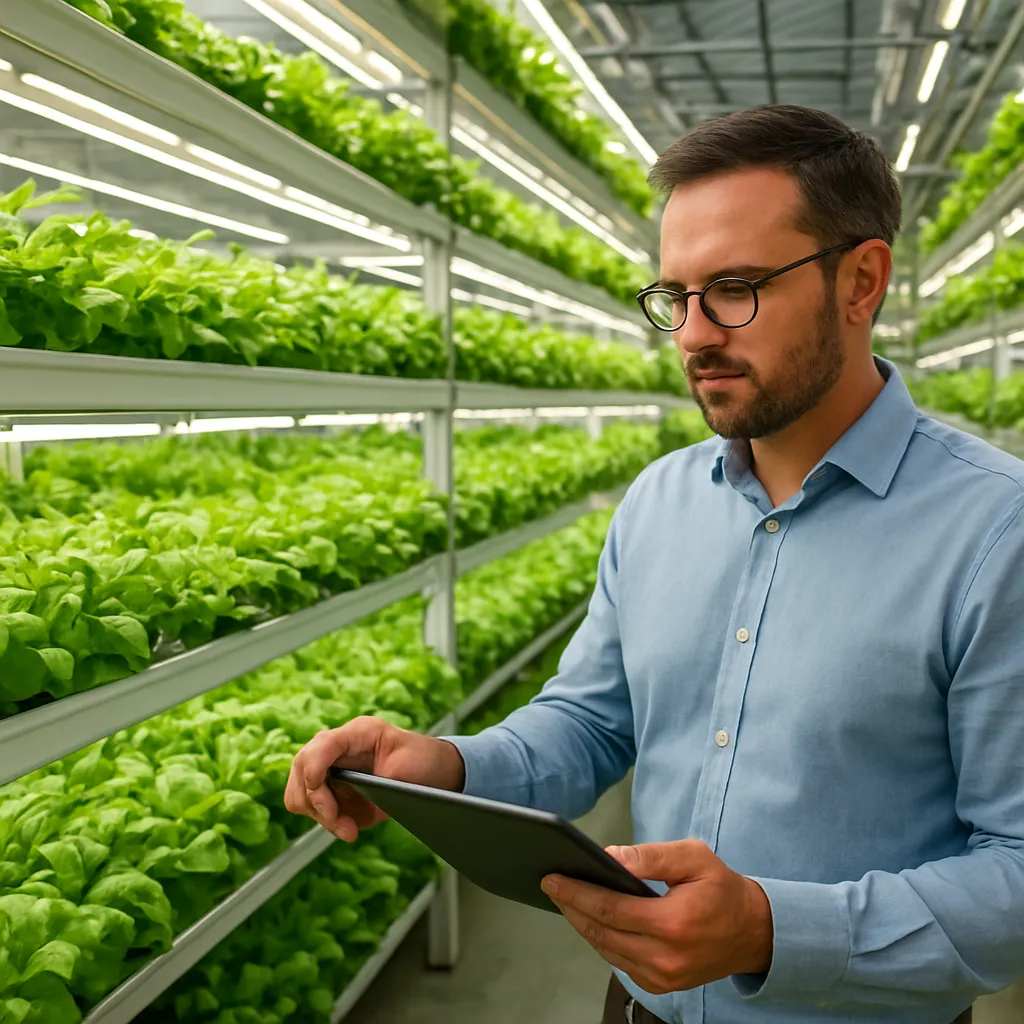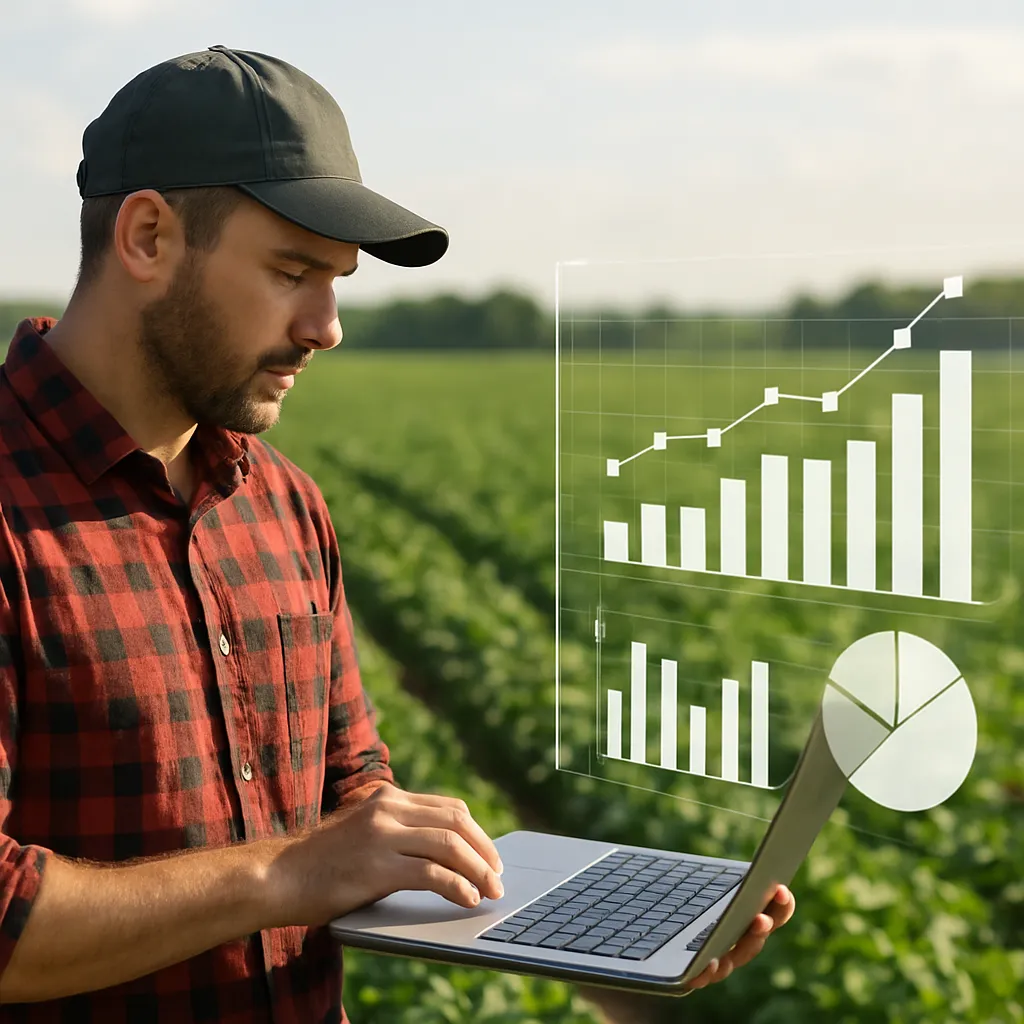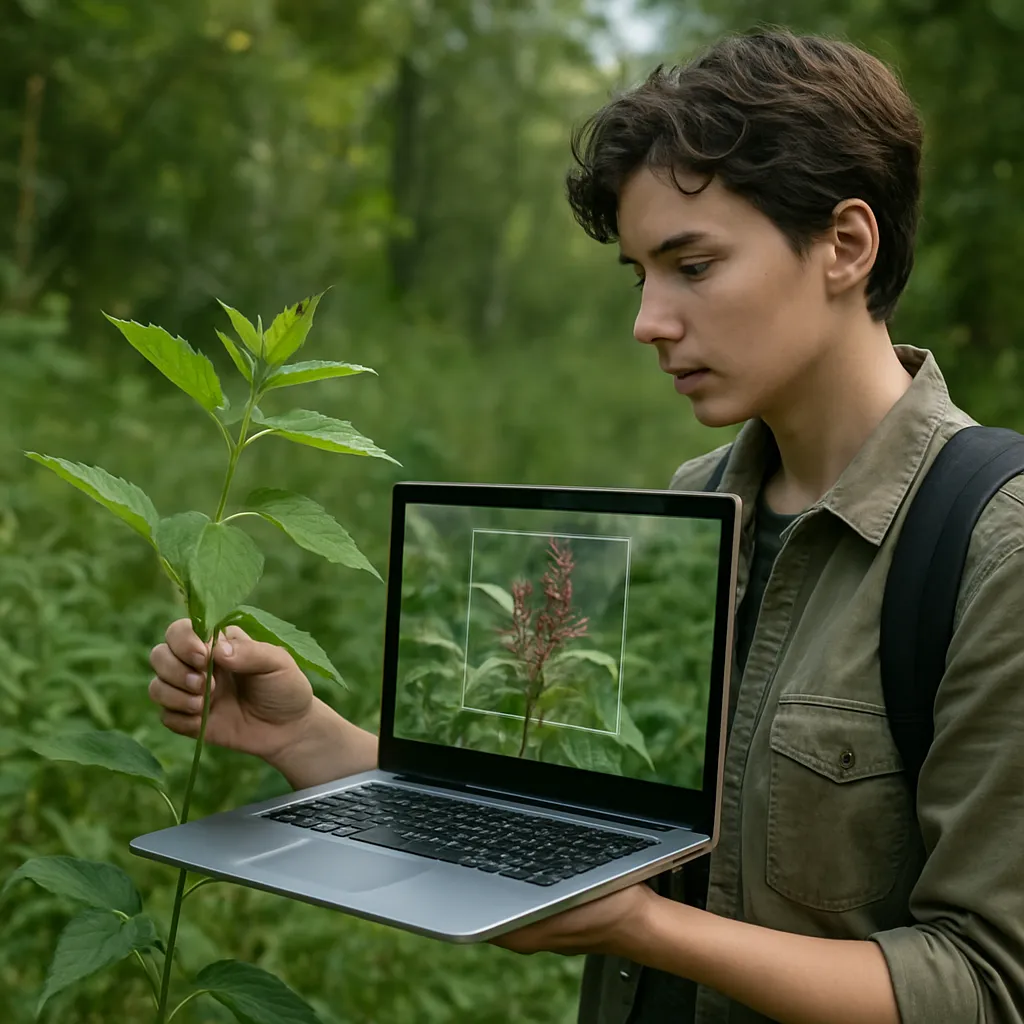
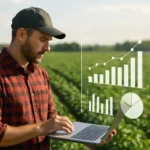


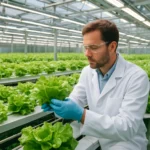
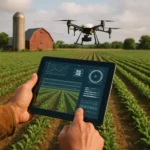
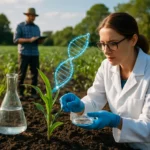

Smart microclimate control in indoor farming transforms the way we cultivate plants by creating precisely managed environments. By harnessing a combination of sensors, IoT devices, and advanced algorithms, growers can maintain optimal conditions for crop development, regardless of external weather patterns. This approach not only maximizes yield and quality but also drives down resource consumption, paving the way for a more sustainable and resource-efficient food production system.
Integration of Sensor Networks and IoT
The backbone of any smart indoor farm is its array of sensors and connected devices that continuously monitor the microclimate. These elements provide real-time data, enabling instantaneous adjustments to lighting, temperature, humidity, and nutrient delivery.
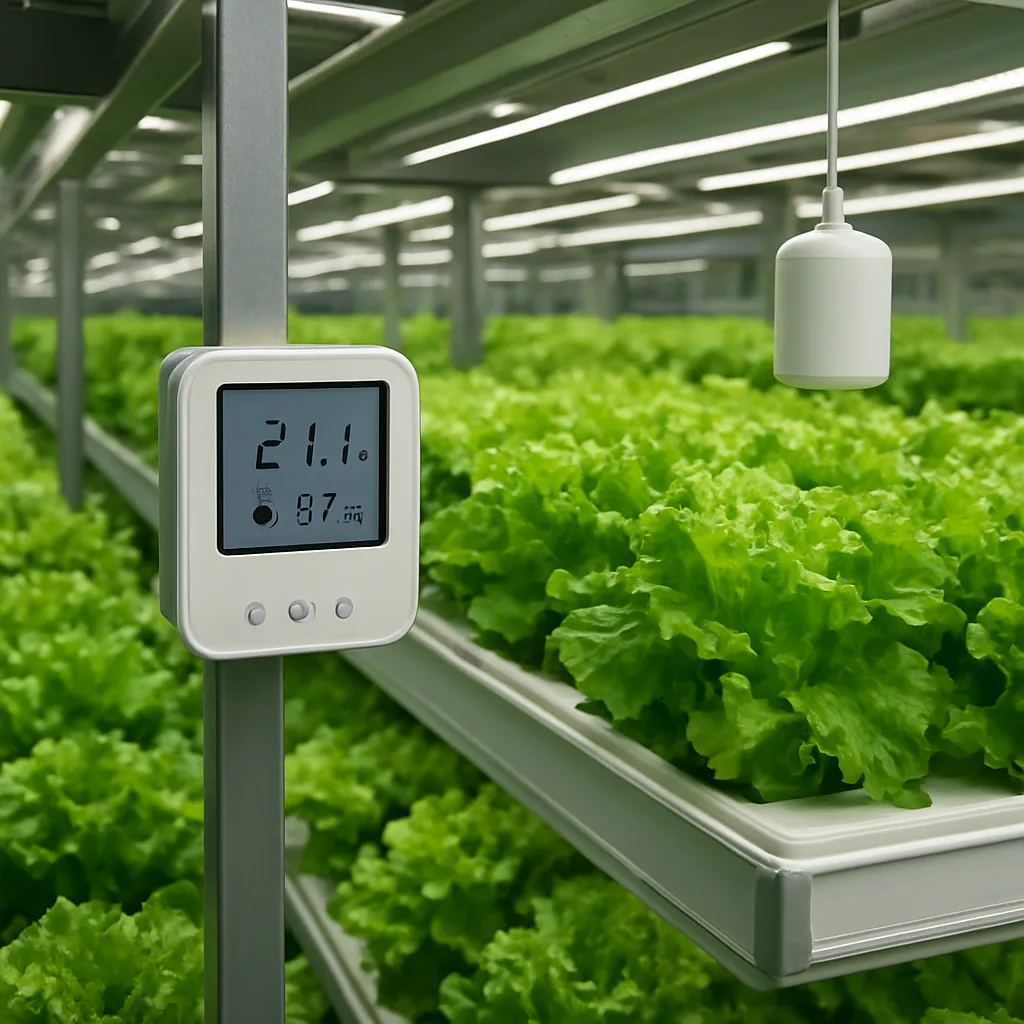
- Temperature and Humidity Monitoring: High-precision thermistors and capacitive moisture sensors capture ambient readings, ensuring that greenhouse or vertical farm environments remain within narrow thresholds.
- Light Intensity and Spectrum Analysis: Photosynthetically Active Radiation (PAR) sensors and spectroradiometers measure both intensity and wavelength distribution, guiding LED or HPS lighting systems to deliver ideal spectral recipes.
- CO₂ and Gas Concentration: Infrared gas analyzers detect CO₂ levels, enabling enrichment protocols that accelerate photosynthesis while maintaining air quality for plant health.
- Soil and Substrate Probes: Electrical conductivity and pH sensors embedded in growth media provide insights into nutrient availability and root-zone conditions.
All these signals are transmitted via wireless mesh networks or industrial Ethernet to a centralized control hub. Here, edge computing devices preprocess data streams, reducing latency and bandwidth requirements before forwarding aggregated information to cloud-based platforms.
Advanced Control Systems and Automation
With continuous data flow established, the next layer involves sophisticated automation engines that translate sensor inputs into actionable outputs. Closed-loop control strategies maintain environmental parameters within target ranges, reacting instantaneously to any deviation.
Climate Regulation Algorithms
Customizable PID (Proportional-Integral-Derivative) controllers and advanced predictive models use historical trends and machine learning forecasts to anticipate changes. By analyzing variables such as diurnal temperature cycles and external weather forecasts, these algorithms adjust HVAC setpoints proactively, rather than reactively.
Actuators and Mechanical Systems
- Heating, Ventilation, and Air Conditioning (HVAC): Variable-frequency drives (VFDs) modulate fan speeds and compressor performance, achieving energy efficiency while stabilizing air temperature.
- LED and Dynamic Lighting: Programmable light banks adapt intensity and spectra throughout plant growth stages, optimizing photosynthesis and secondary metabolite production.
- Automated Irrigation and Nutrient Delivery: Peristaltic pumps and solenoid valves dispense water and fertilizer blends in precise dosages, reducing waste and preventing root-zone stress.
- Shade and Ventilation Systems: Motorized louvers and exhaust fans coordinate to balance solar gain and airflow, safeguarding against heat stress during peak sunlight hours.
The seamless integration of these components is crucial for achieving a truly precision-driven indoor farming ecosystem, where each plant receives tailor-made conditions around the clock.
Benefits and Challenges
Smart microclimate control offers a multitude of advantages, but it also presents technical and economic hurdles that innovators must address.
Enhanced Crop Yield and Quality
- Consistent environmental conditions result in uniform growth cycles and repeatable harvests, boosting overall productivity.
- Optimized light spectra and CO₂ enrichment encourage higher concentrations of phytonutrients, vitamins, and antioxidants in leafy greens and herbs.
- Reduced plant stress leads to fewer disease outbreaks, lowering the reliance on chemical pesticides and promoting a more sustainable approach.
Technical and Economic Considerations
- Initial Capital Investment: Deploying advanced sensor networks, climate controls, and automated actuators can require substantial upfront funding.
- System Complexity: Maintaining and calibrating diverse hardware components demands skilled technicians and robust maintenance protocols.
- Data Management: Aggregating large volumes of environmental data necessitates secure cloud infrastructure and reliable broadband connectivity.
- Scalability: As greenhouse footprints expand, ensuring uniform microclimate control across multiple zones or floors becomes increasingly challenging.
Future Trends in Indoor Farming Microclimates
Emerging innovations promise to further refine microclimate management, ushering in a new era of impressive agriculture that leverages the power of AI and machine learning.
Predictive Analytics and Digital Twins
Virtual replicas of indoor farms—digital twins—model plant responses to hypothetical environmental scenarios. By simulating temperature spikes or lighting adjustments, growers can preemptively fine-tune controls and avoid crop stress.
Edge AI and Federated Learning
- On-device machine learning models analyze sensor data locally, enabling split-second decisions without relying on cloud connectivity.
- Federated learning frameworks allow multiple facilities to collaboratively train algorithms while keeping proprietary data secure, accelerating innovation across the industry.
Integration with Renewable Energy
Linking microclimate control systems with solar PV arrays and energy storage solutions furthers energy efficiency goals. Smart controllers can optimize HVAC and lighting schedules based on real-time power availability, reducing operational costs and carbon footprints.
Customization through Biotechnology
In tandem with environmental controls, genetically tailored plant varieties may be developed to thrive under specific microclimate regimes, enhancing flavor profiles and nutrient density. This synergy between biotechnology and controlled environments heralds a future of hyper-optimized crop production.