



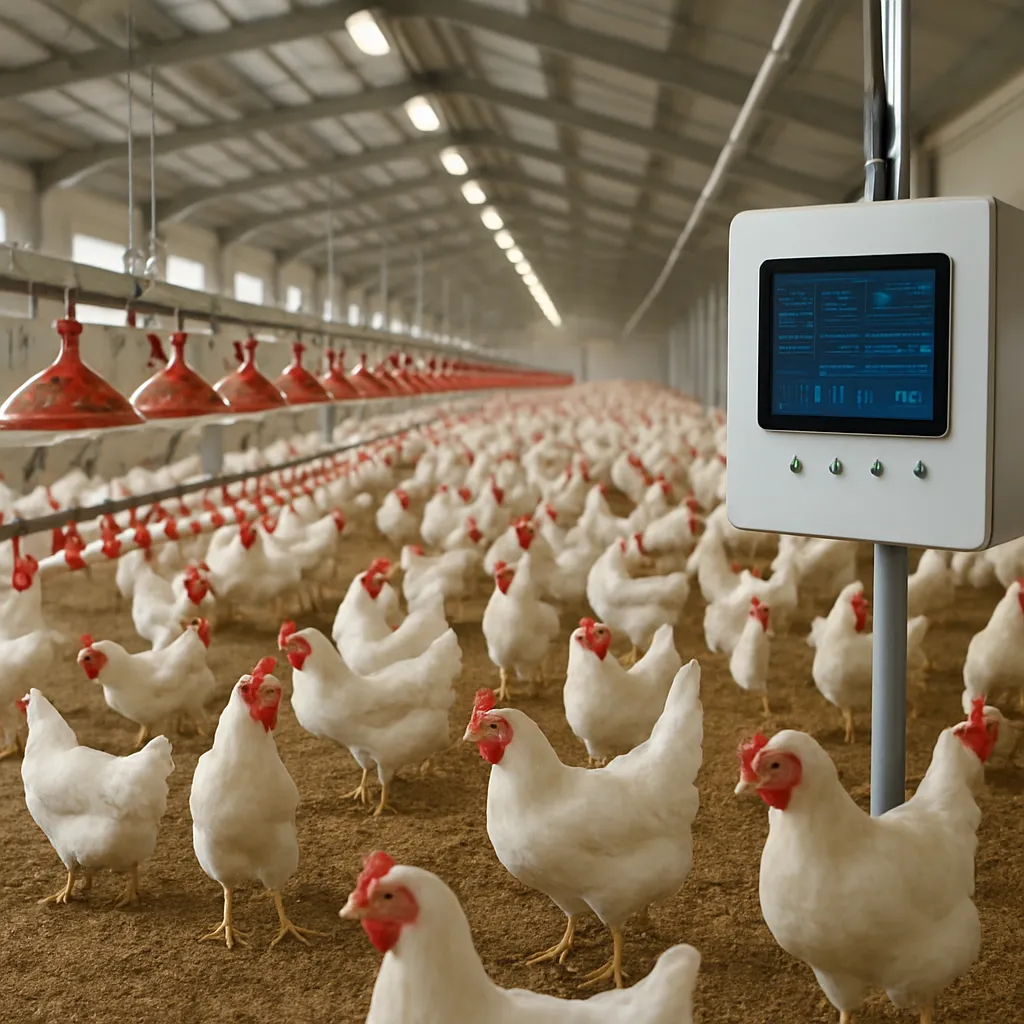
The concept of Smart Poultry Farms represents a leap forward in agribusiness, blending cutting-edge technology with traditional husbandry to achieve unprecedented levels of efficiency and sustainability. By harnessing the power of the Internet of Things (IoT), artificial intelligence (AI), and advanced robotics, these next-generation facilities optimize every aspect of poultry production. From precise environmental control to predictive health monitoring, farmers can now secure higher yields with reduced resource consumption and improved animal welfare. This article explores the transformative technologies driving this revolution and the real-world benefits they deliver.
Smart Sensors and Real-Time Monitoring
Integrating a network of sensors across the barn interior is the foundation of any smart poultry operation. These devices continuously track critical variables, including temperature, humidity, air quality, and ammonia levels. By feeding real-time data into a central management platform, farmers can:
- Automatically adjust ventilation and heating systems to maintain optimal conditions.
- Trigger alarms when thresholds are breached, preventing stress-induced mortality.
- Visualize trends through intuitive dashboards, enhancing decision-making speed.
Advanced sensors also measure water consumption and feed intake, enabling an unparalleled level of precision in nutrition management. When integrated with automated feeders and drinkers, these inputs ensure each flock receives the exact ration required for robust growth, minimizing waste and lowering operational costs.
Data Analytics and AI-Driven Decision Making
At the heart of smart poultry systems lies a sophisticated analytics engine powered by AI algorithms. By analyzing historical and real-time data, the system can predict potential issues before they escalate. Key applications include:
Predictive Health Surveillance
- Identifying early signs of disease through deviations in activity patterns and feed consumption.
- Issuing targeted interventions—such as vaccination reminders—via mobile alerts to farm managers.
- Reducing reliance on blanket antibiotic use by treating only affected birds, which supports global sustainability goals.
Growth Optimization
- Modeling ideal weight trajectories for different poultry breeds under variable environmental conditions.
- Recommending customized feed formulations to accelerate growth rates without compromising welfare.
- Balancing stocking density and floor space to maximize throughput while preventing overcrowding.
These AI-driven insights translate into tangible benefits: enhanced productivity, lower mortality rates, and a drastic reduction in resource consumption. As datasets grow over multiple production cycles, the system’s predictive accuracy continues to improve, further elevating farm performance.
Automation and Robotics in Poultry Farms
The integration of automation and robotics is transforming labor-intensive tasks into seamless, machine-driven processes. Farmers can deploy:
- Automated feeding systems that distribute feed at precise intervals, ensuring consistent intake.
- Robotic cleaning units equipped with UV sterilization to maintain a pathogen-free environment.
- Drones for aerial surveillance, offering rapid assessment of flock distribution and behavior.
Robotic arms handle egg collection with minimal breakage, while autonomous vehicles transport feed and bedding materials across the facility. This innovation reduces labor costs, improves staff safety, and enables 24/7 operations without fatigue-related errors. Furthermore, robotics facilitate precise delivery of supplements and vaccines directly to designated zones, streamlining health management protocols.
Enhancing Animal Welfare and Biosecurity
Maintaining high standards of animal welfare is both an ethical imperative and a key driver of product quality. Smart poultry farms leverage technology to:
- Monitor behavioral indicators such as pecking activity and movement, spotting early signs of distress.
- Adjust lighting schedules automatically to mimic natural day-night cycles, promoting healthier growth.
- Implement entry-control systems that enforce hygiene protocols for personnel and equipment.
Biosecurity is further supported by AI-powered image recognition that detects unauthorized entry points or breaches in perimeter defenses. Combined with monitoring data, managers can trace contamination sources swiftly, minimizing the risk of disease outbreaks and ensuring compliance with stringent regulatory standards.
Sustainability and Environmental Impact
Reducing the ecological footprint of poultry operations is a central objective of next-generation farms. Through connectivity and precision management, operators achieve:
- Lower greenhouse gas emissions by optimizing feed conversion ratios and minimizing fuel consumption in climate-control systems.
- Efficient water usage via smart irrigation for feed crops and recycling systems within the barn.
- Waste-to-energy solutions that convert poultry litter into biogas, providing a renewable energy source.
By turning waste streams into productive assets, smart farms contribute to a circular economy model. Energy generated on-site can power lighting and machinery, further reducing dependence on external utilities and cutting operational expenses.
Economic Benefits and Future Prospects
Adopting smart technologies requires initial investment, but the long-term return on investment (ROI) is compelling. Farmers experience reduced labor costs, improved feed efficiency, and higher-quality output, which translates into premium prices in competitive markets. In addition:
- Real-time reporting enhances traceability, allowing producers to meet consumer demands for transparency and ethical sourcing.
- Scalable solutions enable gradual expansion, supporting both boutique enterprises and large-scale industrial operations.
- Collaboration with agritech startups and research institutions ensures continuous innovation and system upgrades.
As the global population grows, pressure on food systems intensifies. Smart poultry farms offer a pathway to responsible intensification—delivering more protein with fewer resources. Ongoing advances in sensor technology, machine learning, and robotics promise even greater gains in productivity and environmental stewardship, establishing these farms as a cornerstone of future agribusiness.