



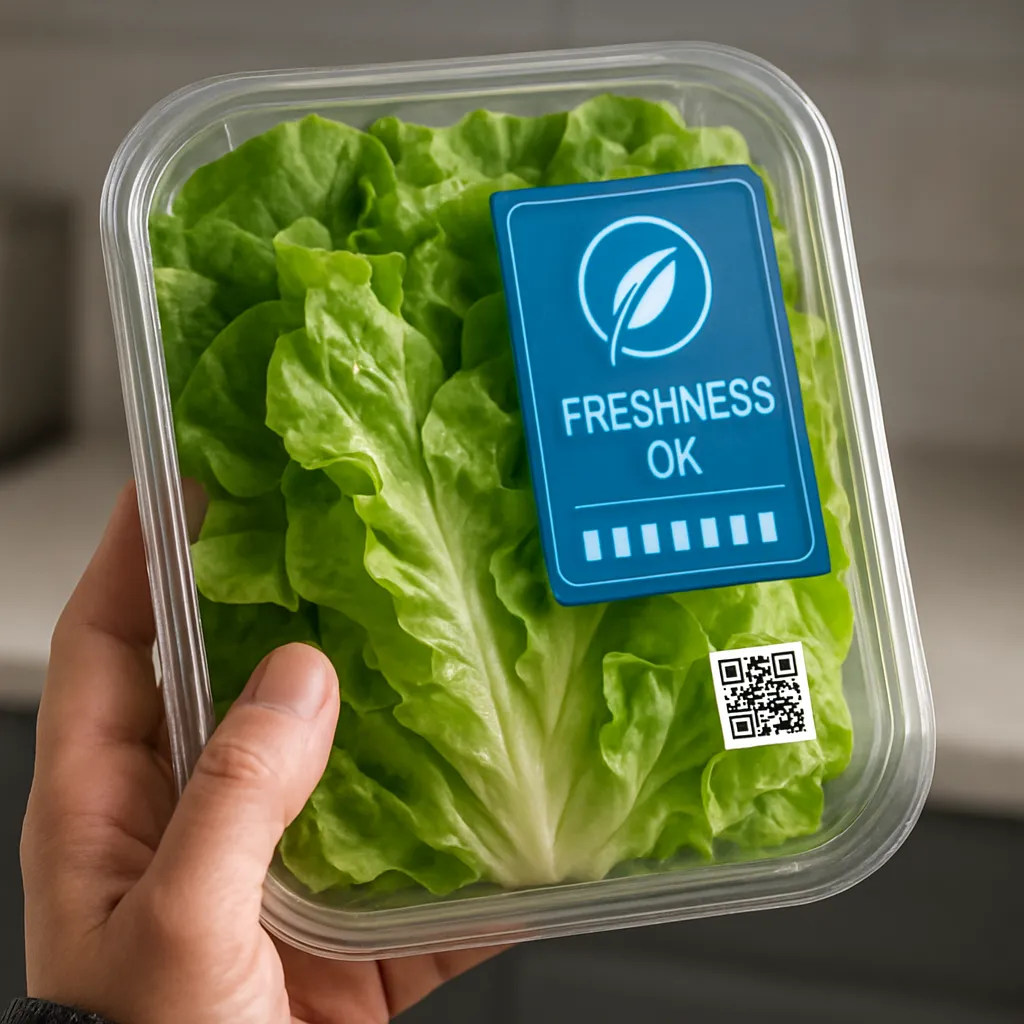
Global agriculture is undergoing a transformative shift as new technologies converge to tackle persistent challenges. From safeguarding freshness during transit to reducing environmental footprints, the evolution of smart packaging is reshaping how food moves from field to table. This exploration unveils the innovations driving this revolution, highlighting the potential to curb food waste, bolster traceability, and champion sustainability.
The Rise of Technology-Enhanced Packaging
The agricultural sector once relied on simple wraps and vacuum seals to preserve produce, yet modern supply chains demand far more. Enter innovative materials and embedded electronics that actively engage with their surroundings. These systems provide real-time data on temperature, humidity, and gas composition, allowing stakeholders to address deterioration before it becomes irreversible. By integrating wireless communication modules, producers and distributors can ensure optimal conditions throughout every stage of transit.
Such solutions extend beyond passive barriers. Rather than merely slowing spoilage, smart packaging now participates in maintaining ideal environments. Active layers can absorb ethylene—the ripening hormone responsible for accelerated decay—while releasing moisture-regulating agents to prevent dehydration. In tandem, these functionalities deliver extraordinary improvements in freshness retention, especially for delicate fruits and leafy vegetables.
Moreover, the application of cloud-based analytics transforms raw sensor outputs into actionable insights. Machine learning algorithms recognize patterns that predict spoilage events up to several days in advance. Armed with these forecasts, logistics managers can reroute shipments dynamically, reducing waste and maximizing profit margins. Such predictive capabilities illustrate the synergy between hardware advances and data science in modern agriculture.
Advanced Sensor Technologies for Food Monitoring
Critical to any smart packaging system are the embedded sensors that quantify environmental parameters. Temperature sensors, once bulky and expensive, have shrunk to flexible, foil-thin strips that adhere directly onto packages. These devices communicate wirelessly via RFID or Bluetooth Low Energy, transmitting frequent updates without manual intervention.
Gas sensors capable of detecting oxygen, carbon dioxide, and ethylene trace spoilage markers with impressive precision. When levels exceed predefined thresholds, alerts trigger corrective responses—whether adjusting refrigerated units or initiating rapid redistribution. For perishable goods such as berries or herbs, these rapid interventions can mean the difference between a premium-grade product and unavoidable waste.
Next-generation sensors harness nanomaterials to amplify sensitivity. Nanoscale metal oxides and graphene-based films detect trace gas concentrations at parts-per-billion levels. This heightened responsiveness allows packaging to sense minute changes in respiration rates of fresh produce, signaling microbial growth at its earliest stages. The combination of nano-enabled sensor arrays and artificial intelligence lays the groundwork for a truly proactive food preservation strategy.
Biodegradable Films and Nanotechnology Integration
While electronics bring intelligence, novel films supply the functional barrier properties required for extended shelf life. Researchers are developing biodegradable polymers infused with nanoclay or cellulose nanocrystals to create coatings that are both robust and compostable. These bio-derived films maintain mechanical strength comparable to conventional plastics yet break down naturally under industrial composting conditions.
Embedding nano-capsules within the polymer matrix offers controlled release of preservatives and antimicrobials. As packages transit through warm or humid environments, these capsules deliver bursts of organic compounds that inhibit bacterial and fungal growth. By localizing active agents directly to the food surface, this method decreases the need for bulk chemical additives and aligns with clean-label trends.
Coupling biodegradable substrates with printed electronics furthers cost-effectiveness. Roll-to-roll manufacturing techniques can deposit conductive inks and semiconductor gels onto large sheets of film, enabling mass production of intelligent wraps. The result: a seamless integration of nanotechnology and packaging materials that is scalable, eco-friendly, and tailored to specific crop requirements.
Future Trends and Global Impact
Looking forward, the convergence of robotics, the Internet of Things, and advanced materials will define the next frontier of food packaging. Autonomous sorting machines guided by spectral imaging may classify produce quality in real time, directing items into specialized containers equipped with bespoke preservation protocols. By leveraging distributed networks of sensors and actuators, supply chains become living systems, able to adapt instantly to environmental fluctuations.
Such pervasive monitoring capabilities offer significant social benefits. In regions where refrigeration infrastructure is sporadic, solar-powered coolers paired with smart packaging can stabilize temperatures, reducing spoilage losses that often exceed 30 percent. Smallholder farmers gain improved market access and incomes, while consumers worldwide enjoy safer, fresher goods.
On a macro scale, minimizing food waste directly addresses greenhouse gas emissions associated with decomposition. Enhancing the average shelf life of fresh produce by even a day or two can translate into millions of tons of diverted organic waste annually. Coupled with optimized transportation routes and real-time supply-demand matching, these innovations promise a more resilient food system capable of meeting the demands of a growing population.
Ultimately, smart food packaging embodies a vital step toward a circular agricultural economy. By harnessing refrigeration advancements, sensor technologies, and eco-friendly materials, this approach ensures that each harvest reaches its full potential. As research accelerates and costs decline, these solutions will become ubiquitous, redefining expectations for quality, safety, and environmental stewardship in global agriculture.