



Harnessing renewable energy sources has become a cornerstone for transforming modern agriculture into an efficient, resilient, and eco-friendly endeavor. By integrating solar, wind, and bioenergy systems, farmers can reduce reliance on fossil fuels, enhance on-farm productivity, and foster biodiversity within agroecosystems. Throughout the following sections, we explore cutting-edge technologies, strategic synergies, and real-world examples of how renewable energy drives innovation and long-term sustainability in agriculture.
Solar and Photovoltaic Innovations
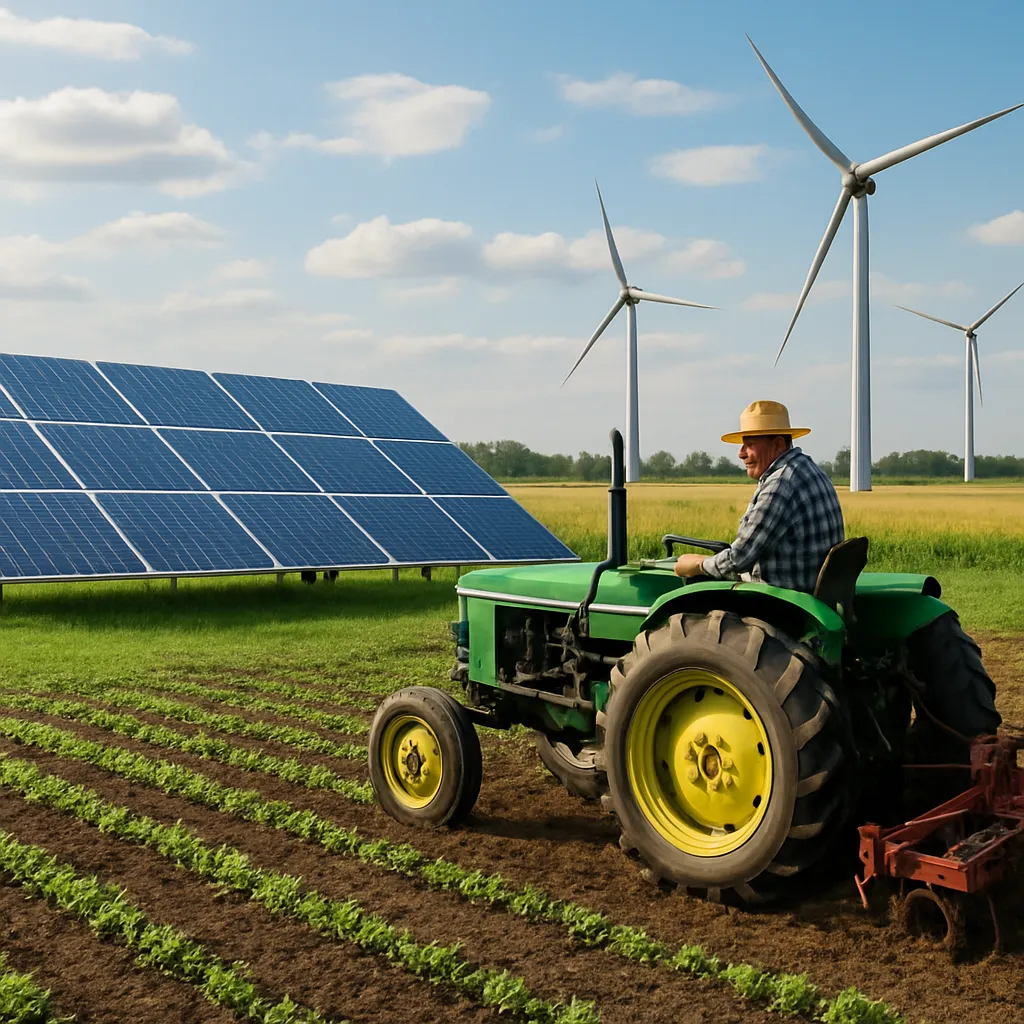
Solar power, one of the most accessible forms of renewable energy, has witnessed remarkable adoption in the agricultural sector. Farmers install photovoltaic (PV) panels on rooftops of barns, over irrigation canals, or even as dual-use solar grazing fields, where livestock can graze beneath shaded arrays. This approach delivers clean electricity and provides shelter for animals, boosting overall efficiency and animal welfare.
Key Benefits of Solar Integration
- Reduced electricity costs for pumping, lighting, and climate control.
- Stabilized energy supply during peak growing seasons.
- Enhanced carbon-offset potential, moving farms closer to carbon-neutral goals.
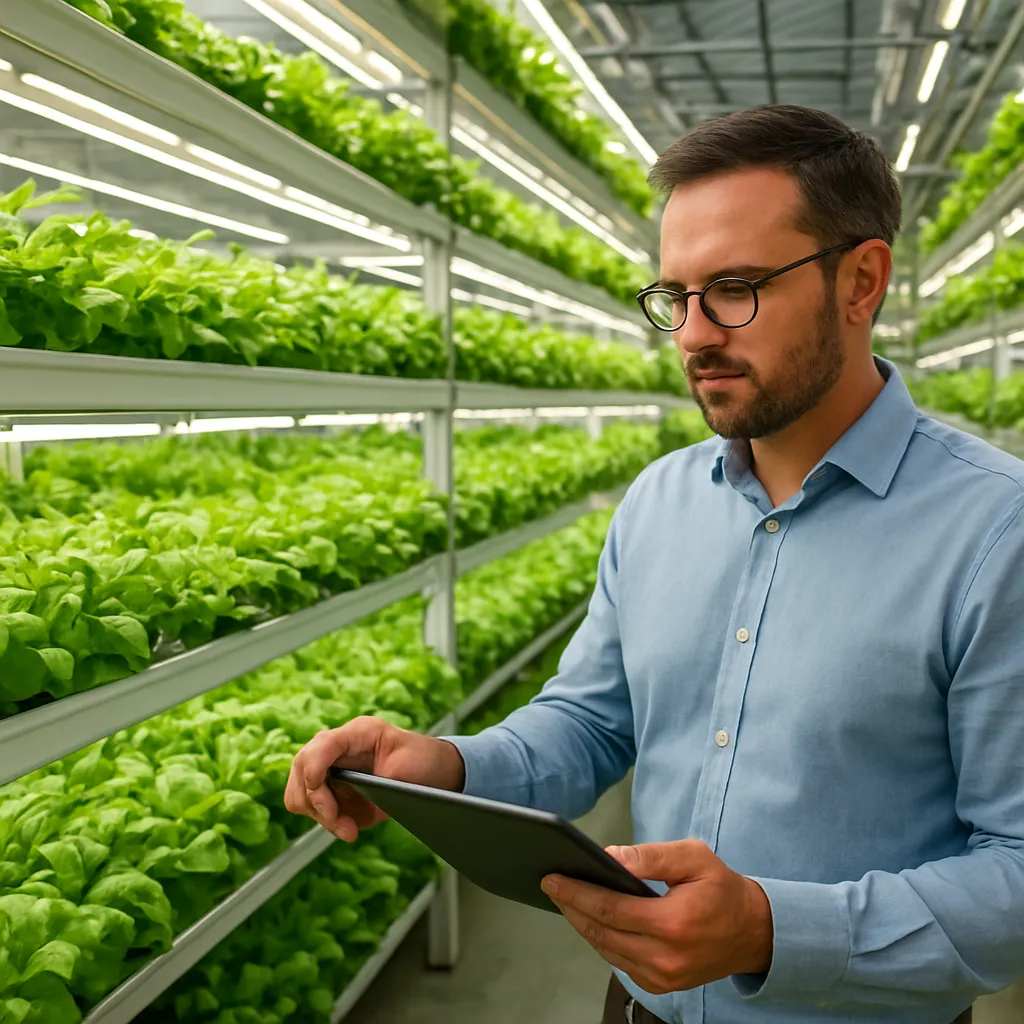
Advanced agrivoltaic systems allow crops to grow under elevated panels, optimizing land use. Shade-tolerant plants such as lettuce, spinach, or medicinal herbs thrive in partial sunlight, while high-value fruits can benefit from temperature regulation under arrays. By smartly aligning panel orientation and crop patterns, farmers achieve remarkable synergies between food production and energy generation.
Wind Energy and Bioenergy Synergies
Wind turbines harness kinetic energy to power irrigation pumps, grain dryers, and farm workshops. Small- to medium-scale turbines are now designed for rural landscapes, minimizing visual impact while maximizing local energy independence. When combined with bioenergy—derived from agricultural residues, manure, or dedicated biomass crops—a diversified energy portfolio emerges.
Bioenergy from Agricultural Residues
- Anaerobic digesters convert animal manure and crop stalks into biogas for heating greenhouses.
- Combined heat and power systems (CHP) yield thermal energy for barns and electricity for processing.
- Solid biomass boilers combust nutshells, wood chips, or rice husks to maintain stable temperatures during winter months.
Integrating wind and bioenergy systems creates an uninterrupted power supply: wind generation peaks during certain seasons, while biogas production remains constant. This hybrid model enhances productivity and reduces operational risks posed by grid fluctuations or fuel price volatility.
Smart Agriculture and Precision Farming
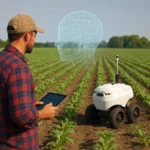
Cutting-edge sensors, drones, and AI-powered platforms are revolutionizing how farmers manage crops and livestock. When these technologies are powered by renewable energy, the result is a truly synergistic model that optimizes inputs, minimizes waste, and enhances environmental stewardship.
Precision Irrigation and Energy Management
- Soil moisture probes linked to solar-powered controllers deliver water only when needed.
- Variable rate technology (VRT) uses wind-generated electricity to adjust fertilizer application across field zones.
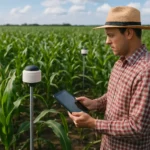
- Real-time weather stations, charged by on-farm PV panels, provide hyperlocal data for climate-smart decisions.
By matching irrigation and nutrient delivery to crop demand, resource use is lowered by up to 40%. Furthermore, autonomous vehicles and robotic platforms, recharged via solar or wind sources, conduct precise weeding and harvesting operations—farms become more resilient and less dependent on labor fluctuations.
Global Case Studies of Impressive Agriculture
Across continents, pioneering farms illustrate the transformative potential of renewable energy. From arid regions harnessing solar arrays to power drip irrigation, to Nordic operations utilizing wind turbines for greenhouse heating, success stories abound.
- SunSeed Farm in Southern California integrates 1.2 MW of solar capacity with permaculture practices. The farm’s greenhouse temperatures remain consistent through passive solar design and battery storage, enabling year-round salad production.
- Green Meadows Cooperative in Denmark employs community-owned wind turbines and a district heating network fueled by biogas from livestock manure. Member farms report a 70% reduction in heating expenditures.
- AgriSmart India uses solar pumps for rice paddies in remote villages. Paired with mobile apps offering irrigation schedules, the initiative reduced water consumption by 35% and cut diesel use entirely.
- EcoVille Ranch in Australia blends solar-powered electric fences with methane capture from cattle pens. The captured gas fuels on-site engines, converting waste into reliable electricity for desalination units used in feedlot operations.
These examples demonstrate how customized combinations of solar, wind, and bioenergy technologies can create thriving agricultural models. Each farm tailors solutions to its climate, crop selection, and economic context, yet all share the goal of advancing sustainability and resilience against climate variability.