

In the vast expanse of modern farmlands, achieving the perfect balance between resource utilization and environmental stewardship has become a top priority for agricultural innovators. Cutting-edge systems are reshaping how growers manage water, energy, and nutrients, yielding remarkable gains in productivity while preserving vital ecosystems.
Emergence of Smart Irrigation in Modern Agriculture
While irrigation has been practiced for millennia, recent technological breakthroughs have propelled the sector into a new era. Traditional methods such as flood or furrow irrigation often lead to water loss through evaporation and runoff. The advent of sensors, connectivity and real-time monitoring ushered in a paradigm shift, enabling farmers to apply water exactly where and when it is needed.
At the heart of this transformation is the integration of:
- Precision moisture probes that measure soil humidity at various depths
- Weather stations forecasting rainfall, temperature, and evapotranspiration
- Automated valve controls ensuring timely delivery of water to designated zones
- Data platforms that aggregate field measurements for analysis
These elements work in harmony to optimize irrigation scheduling, reducing waste and enhancing crop health. As more growers adopt these systems, the agricultural landscape is witnessing a leap forward in resource management and yield consistency.
Key Technologies Driving Efficiency and Conservation
Innovations in hardware and software have laid the foundation for a resilient agroecosystem. Below are several pivotal technologies:
- Internet of Things (IoT) networks that interconnect field devices, ensuring continuous data flow
- Machine learning models that predict crop water requirements based on historical and real-time data
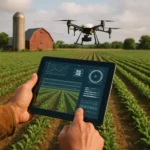
- Remote sensing via drones and satellites, providing high-resolution imagery of plant health
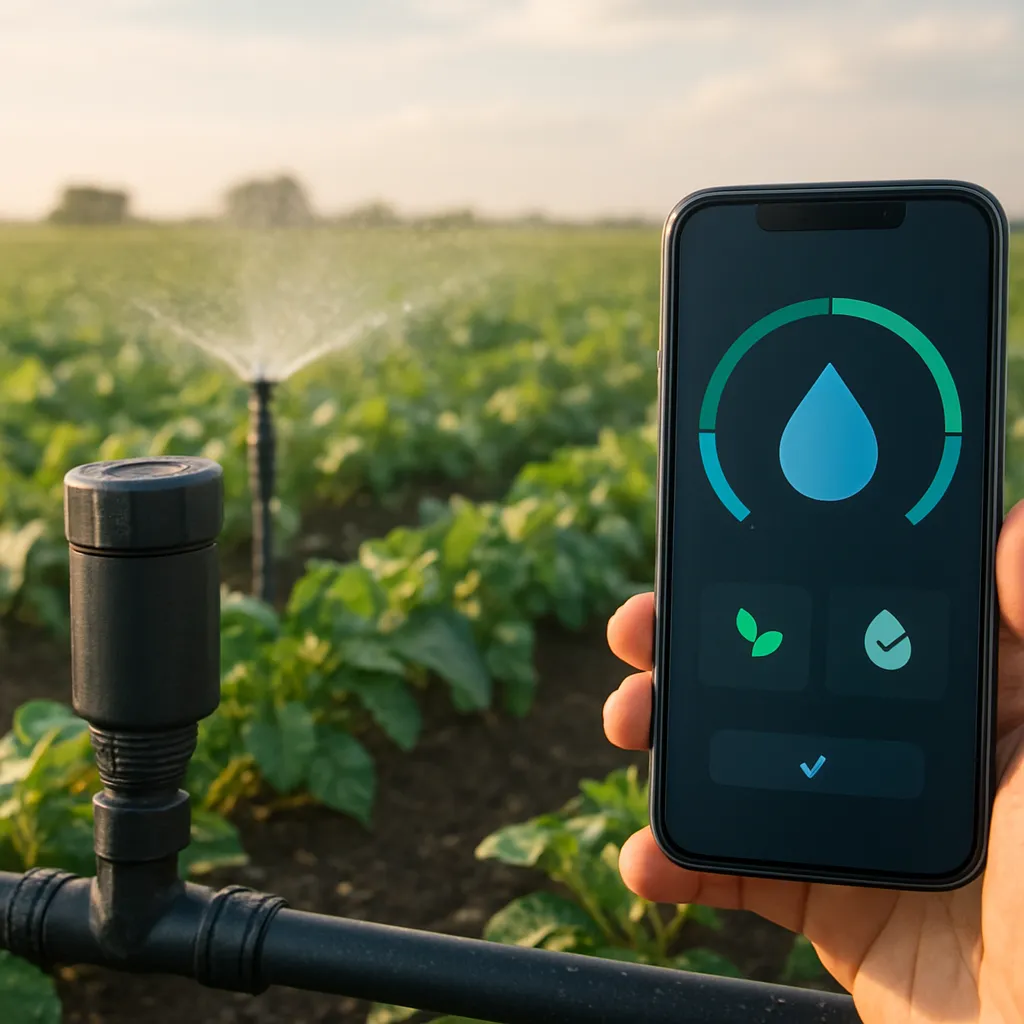
- Cloud-based dashboards offering actionable insights and mobile alerts
By combining these tools, farmers can achieve unprecedented levels of optimization. Soil moisture sensors trigger precise irrigation events, cutting down on wasted volume. Meanwhile, AI-driven analysis identifies stress patterns in vegetation, prompting preventive measures before significant yield losses occur.
Implementing Conservation Practices on the Field
Translating technological potential into tangible savings demands strategic planning and careful execution. Successful field deployment often involves:
- Mapping soil variability to define irrigation zones
- Calibrating drip, micro-sprinkler or subsurface emitters to match root uptake rates
- Establishing thresholds for sensor-triggered irrigation cycles
- Training farm crews to interpret analytics and execute responsive management
This approach ensures uniform moisture distribution, preventing both over-irrigation and water stress. By monitoring crop responses, growers can refine their systems season after season, steadily improving resource use and crop performance.
Economic and Environmental Impacts
Adoption of automation and data-driven frameworks yields benefits that extend beyond water savings. On the economic front, farmers experience:
- Lower operational costs from reduced labor and energy consumption
- Higher yields due to consistent soil moisture profiles
- Enhanced crop quality, commanding premium market prices
Environmentally, targeted irrigation mitigates nutrient leaching into waterways and curbs greenhouse gas emissions associated with pump operation. With smarter water management, agricultural regions build resilience against drought, preserving aquifers and supporting long-term sustainability.
Challenges and Future Prospects
Despite clear advantages, widespread adoption faces hurdles. Initial capital investment for advanced sensors and control infrastructure can be substantial. Additionally, effective utilization requires technical expertise in data interpretation and system maintenance. Addressing these gaps involves collaborative efforts:
- Offering subsidized financing programs for smallholder farmers
- Providing training workshops and digital tutorials on system operation
- Developing open-source platforms to lower software costs
Looking ahead, the integration of blockchain could facilitate transparent water trading among farmers, while edge computing will enable on-site processing and faster response times. Continuous evolution in sensor materials may yield ultra-low-power devices, further reducing the environmental footprint. As innovation accelerates, agriculture stands poised to achieve a harmonious fusion of productivity and conservation, ensuring food security for generations to come.