


Impressive advances in livestock management are revolutionizing the way farmers ensure animal well-being and optimize productivity. By integrating cutting-edge identification devices into everyday operations, modern ranchers can harness unprecedented insights into herd health and performance. This exploration delves into the transformative potential of Smart Livestock Tags and how they pave the way toward a more sustainable and efficient future in agriculture.
Innovative Tagging Technologies
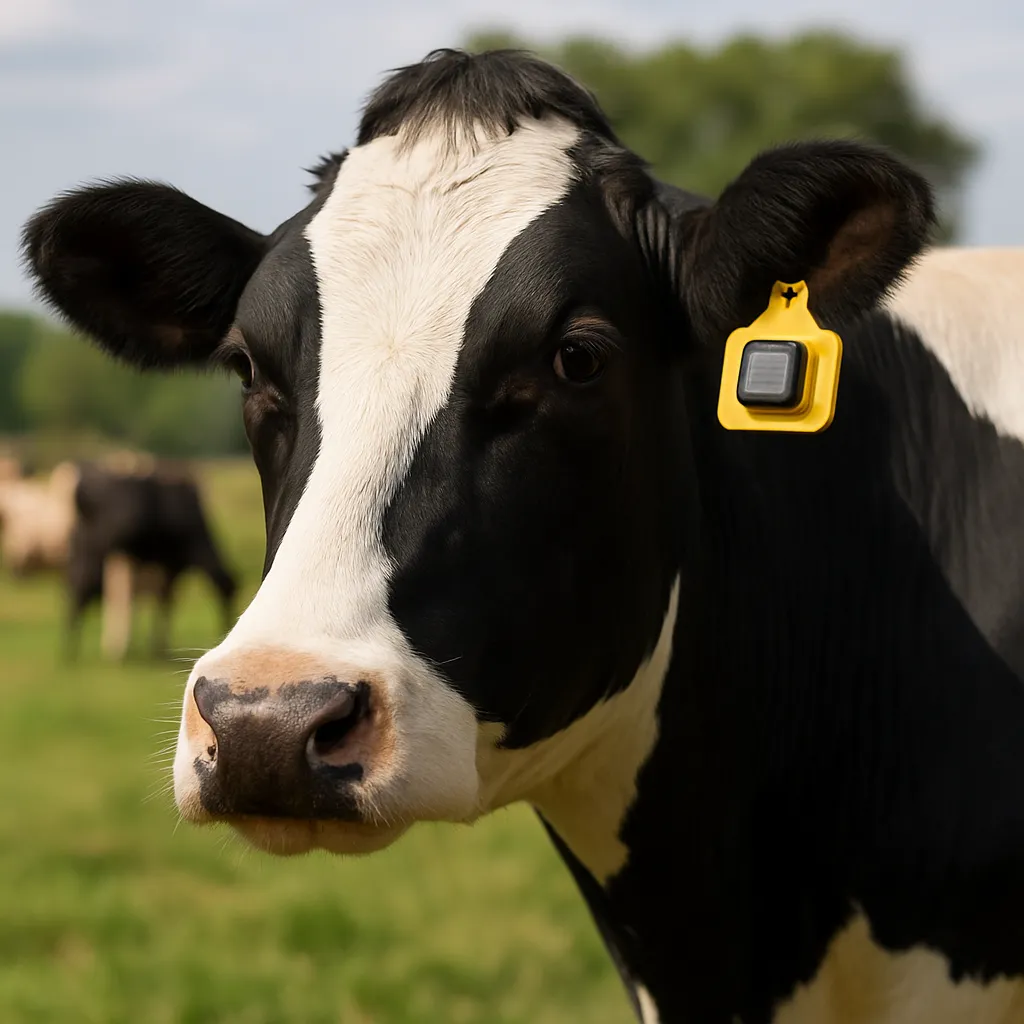
At the heart of the revolution lies the advent of sophisticated identification devices that go far beyond traditional branding or ear tags. These wireless tools are designed to collect and transmit a wealth of biometric and environmental data, empowering farmers with real-time visibility over individual animals and the entire herd. Key features include:
- RFID integration for unique identification and seamless data capture.
- Embedded sensors that monitor temperature, heart rate, and movement patterns.
- Solar-powered or long-life battery options to sustain continuous operation in remote pastures.
- Waterproof, durable casings to withstand harsh weather and physical stress.
These attributes allow tags to operate autonomously in diverse environments, ensuring that no critical health event goes unnoticed. By incorporating miniaturized electronics, farmers can effortlessly deploy devices that weigh mere grams yet deliver rich streams of actionable data.
Real-Time Data Acquisition and Analytics
Seamless Data Flow
Once animals are equipped with Smart Livestock Tags, a network of wireless receivers captures transmitted signals and relays them to central servers. This continuous pipeline ensures that data arrives with minimal latency, enabling proactive decision-making. Farmers can review:
- Activity levels to detect signs of discomfort or lameness.
- Body temperature trends for early fever detection.
- Feeding and grazing patterns to assess nutrition intake.
Advanced Analytics and Alerts
Raw signals transform into valuable insights through powerful analytics platforms. Machine learning algorithms sift through vast datasets to identify anomalies, forecast disease outbreaks, and recommend interventions. Alerts can be configured to:
- Notify veterinarians of potential respiratory issues.
- Flag unexpected weight loss in individual animals.
- Recommend adjustments in feed rations based on activity.
Such intelligence-driven notifications reduce response times and enhance herd health management, ultimately supporting higher yields and lower mortality rates.
Impact on Animal Welfare and Farm Efficiency
Adopting Smart Livestock Tags offers substantial benefits in both welfare and operational domains. Enhanced monitoring fosters a more humane environment while optimizing resource allocation.
Elevated Animal Welfare
Precise health tracking ensures that each animal receives tailored care. Early detection of stress or illness allows for prompt treatment, minimizing suffering and preventing disease spread. Improved comfort translates into:
- Reduced use of broad-spectrum antibiotics through targeted therapy.
- Lower incidence of chronic conditions such as mastitis or hoof problems.
- Quieter handling, as farmers can intervene only when necessary, reducing stress.
Operational Efficiency
Automated data collection eliminates manual record-keeping, saving labor and minimizing human error. Key efficiencies include:
- Optimized feeding schedules based on individual consumption patterns.
- Streamlined breeding decisions using fertility and heat cycle data.
- Precise inventory management, as each tag tracks vital statistics over time.
These improvements boost overall productivity and profitability, reinforcing the role of sustainability in modern farming practices.
Future Perspectives and Challenges
While the promise of real-time livestock monitoring is immense, widespread adoption hinges on overcoming several hurdles:
- Upfront investment costs for hardware and network infrastructure.
- Data security and privacy concerns in an increasingly connected world.
- Interoperability standards to ensure tags work across different platforms.
- Training farmers and staff in data interpretation and technology upkeep.
Nevertheless, as economies of scale emerge and innovation drives down costs, these smart solutions will become accessible to a broader range of operations—from vast commercial ranches to smallholder enterprises. Collaboration between technology providers, agricultural researchers, and policymakers will further accelerate the integration of digital tools in the livestock sector.
Emerging Trends and Integration
Beyond individual monitoring, the synergy between monitoring devices and other farm systems points toward holistic management platforms. Future developments may include:
- Integration with drone-based surveillance for locating strays and assessing pasture conditions.
- Blockchain-enabled traceability to guarantee product provenance from farm to fork.
- Advanced environmental sensors to correlate weather data with animal performance.
- Predictive maintenance schedules for farming equipment based on usage patterns.
By uniting diverse data streams, farmers will harness a comprehensive view of their operations, driving better strategies for health, productivity, and environmental stewardship.