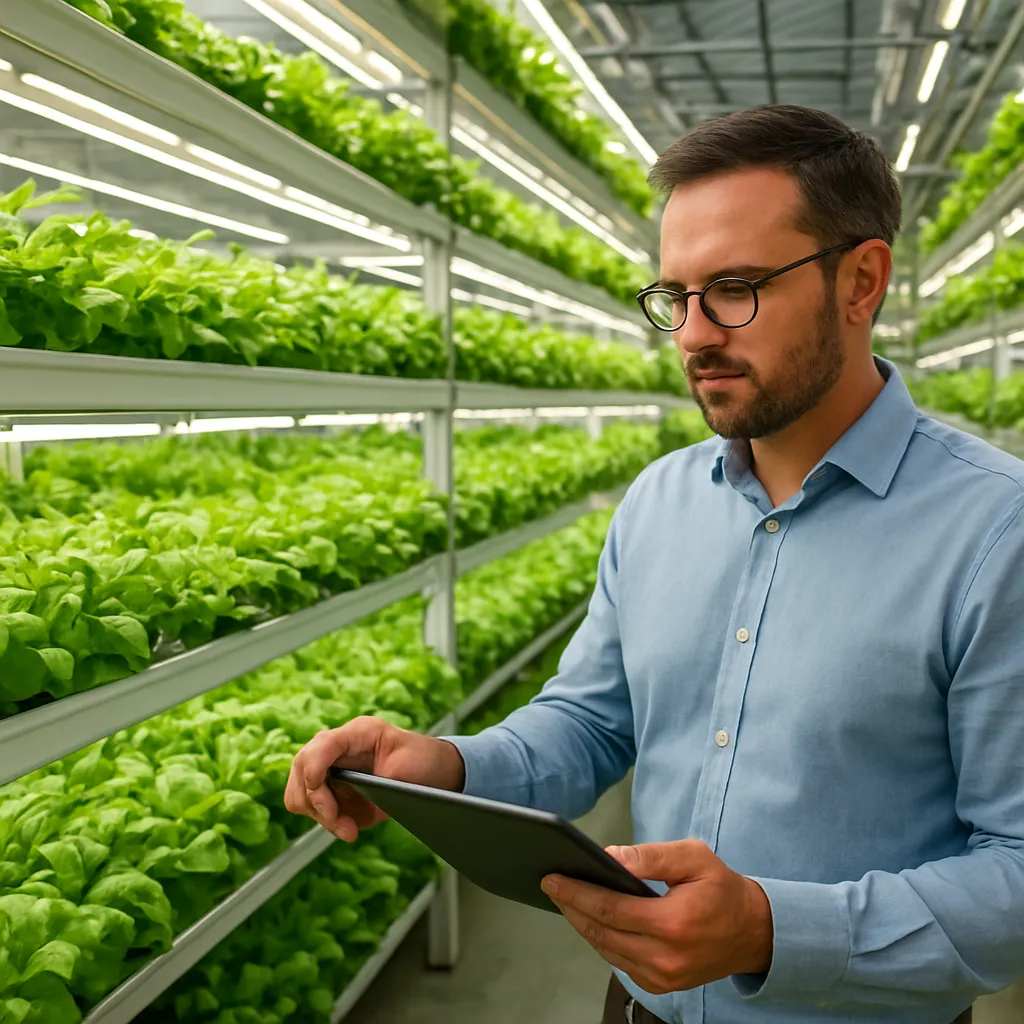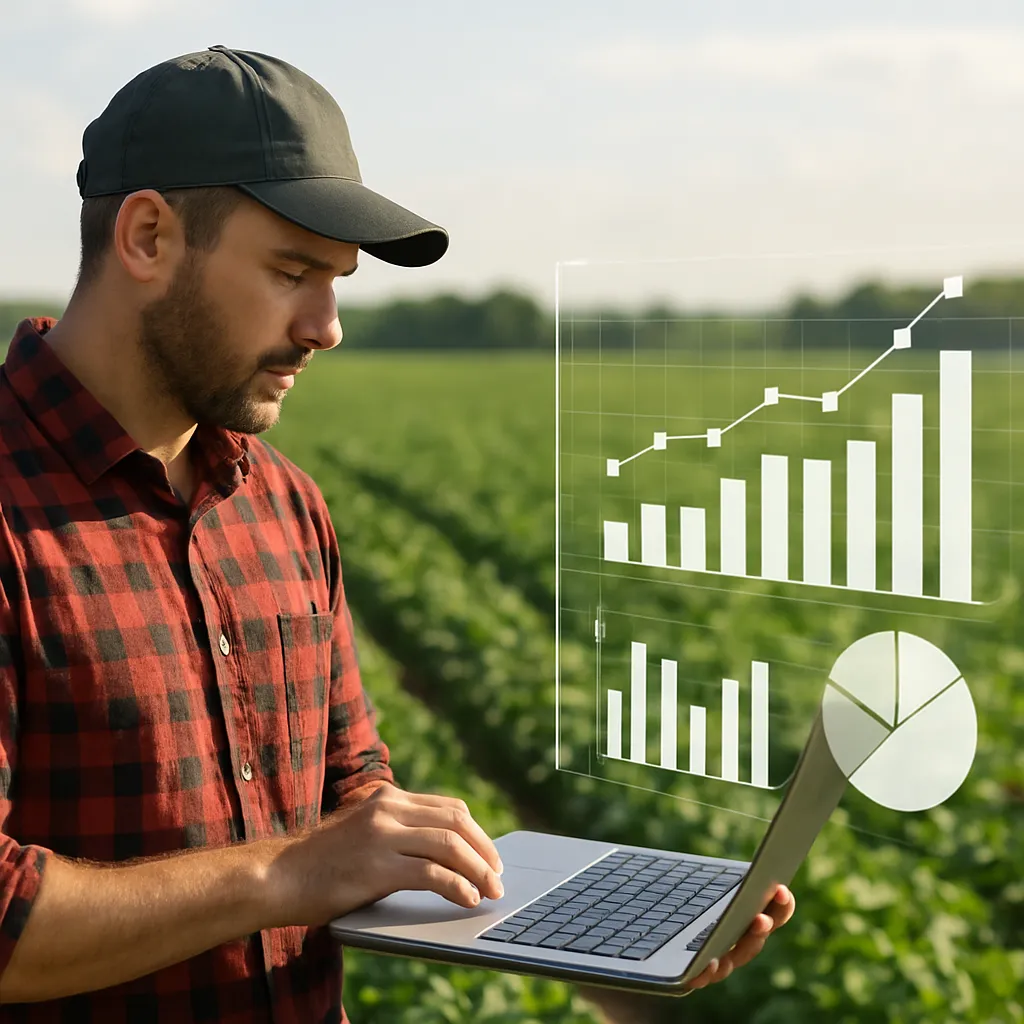


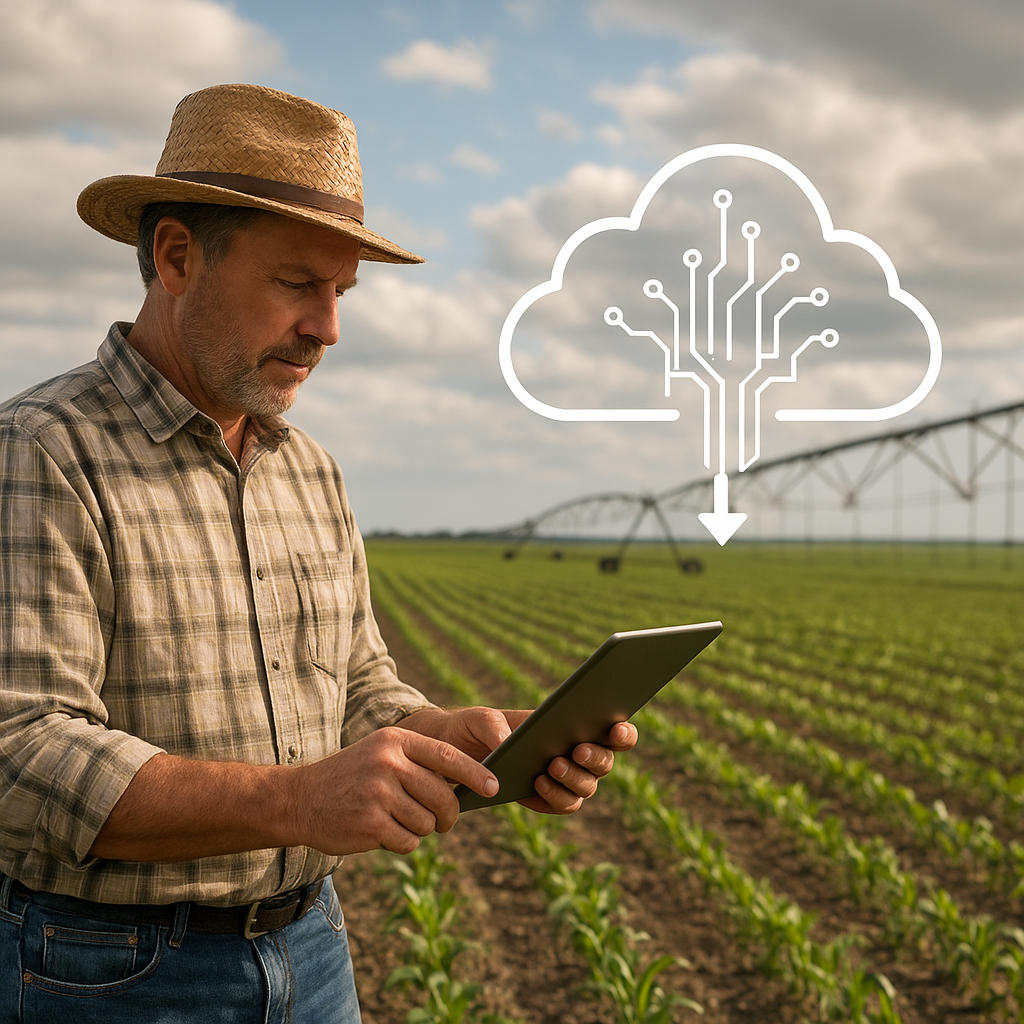
Farmers today are navigating a landscape marked by unpredictable weather patterns, volatile market demands, and the urgent need for sustainable practices. Artificial intelligence (AI) emerges as a transformative ally, empowering growers to harness vast amounts of environmental and agronomic data to make smarter, more timely decisions. By integrating advanced algorithms with on-the-ground insights, agricultural stakeholders can build stronger, more resilient operations that stand firm against climate-related threats.
Integrating Predictive Analytics for Weather Adaptation
One of the most significant challenges in modern agriculture is anticipating sudden shifts in weather. Traditional forecasting methods often fall short, leaving farmers vulnerable to unexpected storms, heatwaves, and droughts. AI-driven systems leverage machine learning models trained on decades of meteorological records, satellite imagery, and local sensor data. These models deliver highly accurate short- and long-term forecasts, enabling growers to prepare for climatic extremes with unprecedented lead time.
High-Resolution Climate Models
AI-enhanced climate models can parse atmospheric data at granular scales, factoring in topography, soil moisture levels, and vegetation cover. This fine-grained approach goes beyond regional weather reports to offer field-level predictions, alerting farmers to potential frost events or heat stress that could damage sensitive crops.
Real-Time Alerts and Decision Support
Integrated mobile apps and dashboard platforms deliver real-time alerts directly to farmers’ smartphones or on-farm terminals. When a high-risk event is detected—such as a flash flood or sudden temperature drop—automated recommendations guide actions like adjusting planting schedules, deploying frost protection measures, or scheduling irrigation events. This data-driven responsiveness minimizes crop exposure to harmful conditions and reduces potential losses.
Precision Irrigation and Water Management
Water scarcity is a mounting concern in many agricultural regions, where competition for limited resources can intensify during prolonged dry spells. AI solutions optimize irrigation by continuously analyzing sensor readings on soil moisture, evapotranspiration rates, and crop water uptake. The result is a sustainable approach that maximizes yields while conserving precious water.
- Soil Moisture Sensors: Networks of in-ground probes feed live data to AI platforms, which calculate exact irrigation needs by crop type and growth stage.
- Satellite Monitoring: High-resolution remote sensing tracks canopy temperature and color indices, flagging water stress before it becomes visible to the naked eye.
- Automated Valve Control: Connected irrigation systems respond to AI directives—opening or closing valves, adjusting pressure, and targeting specific field zones.
Incorporating AI-driven irrigation not only curbs excessive water use, but also reduces energy consumption and lowers operational costs. Farmers can shift from reactive watering schedules to a proactive, optimized strategy that synchronizes precisely with crop needs.
Early Detection of Pests and Diseases
Biotic stressors such as pests, fungi, and bacterial pathogens pose grave risks, especially under changing climate conditions that favor outbreak proliferation. AI-powered image recognition, combined with pattern analysis, empowers farmers to identify infestations at their inception.
Computer Vision in the Field
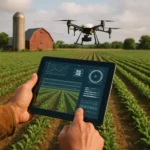
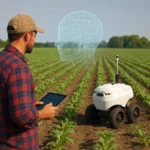
Drones and field robots equipped with multispectral cameras capture thousands of crop images daily. AI algorithms then assess leaf discoloration, deformities, and spatial patterns indicative of stress. Early identification of aphid colonies or fungal spore development allows targeted interventions—spraying only affected areas rather than treating entire fields.
Smart Traps and Acoustic Sensors
Innovative trap networks use pheromone lures and sound sensors to monitor insect populations. AI systems process vibration signatures and movement data, distinguishing species and estimating infestation levels. Armed with these insights, farmers can deploy biological controls or precise chemical treatments before the threat escalates.
Enhancing Financial and Supply Chain Resilience
Climate risk extends beyond the field, impacting market prices, supply chain continuity, and overall farm profitability. AI-driven platforms integrate weather forecasts, commodity trend analysis, and production cost data to craft robust risk-management strategies.
- Dynamic Pricing Models: By correlating supply forecasts with historical price fluctuations, AI can suggest optimal times to sell or store produce, preserving margins in turbulent markets.
- Insurance Underwriting: Insurtech solutions harness satellite and IoT data to validate crop conditions, accelerating claims processing and customizing premium rates based on verified yield risk.
- Logistics Optimization: Route-planning algorithms account for weather disruptions, optimizing delivery schedules and minimizing spoilage during transit.
These financial tools foster farm-level resilience, reducing vulnerability to sudden market shocks and ensuring steady cash flow even in adverse climate scenarios.
Advancing Sustainable Practices with AI Insights
Beyond immediate risk mitigation, AI catalyzes a broader transition to regenerative agriculture, promoting soil health, biodiversity, and carbon sequestration. Data-driven crop rotation plans, cover cropping schedules, and variable-rate nutrient applications support long-term ecosystem vitality.
Soil Health Monitoring
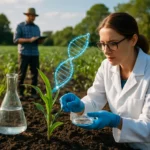
AI analyzes sensor and laboratory data to track organic matter content, pH levels, and microbial diversity. These insights guide tailored amendments—such as targeted biofertilizers or compost applications—enhancing soil structure and resilience against extreme weather.
Carbon Footprint Tracking
Machine learning models estimate greenhouse gas emissions from farm operations, enabling farmers to implement low-carbon practices. By optimizing machinery use, minimizing fertilizer runoff, and adopting no-till methods, growers can reduce their carbon footprint and even participate in emerging carbon credit markets.
Future Outlook: AI as a Climate-Savvy Partner
As climate variability intensifies, the role of AI in agriculture will only grow more critical. Ongoing advancements in deep learning, edge computing, and sensor technology promise ever-finer decision support, empowering farmers to cultivate crops with surgical precision. Collaboration between agronomists, data scientists, and technology providers will unlock new layers of innovation, driving an era of impressive agriculture that thrives despite environmental uncertainties. Through deliberate investment and knowledge sharing, AI can cement its position as an indispensable ally in the global effort to secure food systems against the shifting whims of nature.