

Agriculture continues to evolve at a rapid pace, driven by breakthroughs in technology and a growing demand for resource-efficient practices. Among the array of emerging tools, digital twins stand out as a revolutionary concept reshaping how farmers, agronomists, and planners approach every facet of crop and livestock management. By creating a virtual replica of a farm environment, stakeholders can forecast outcomes, mitigate risks, and discover novel pathways to increased yield and reduced waste.
Embracing Digital Twins in Precision Agriculture
The notion of a digital twin originates from aerospace and manufacturing sectors, where engineers use virtual models to simulate complex systems. Now, this approach is making its mark on agriculture by offering an unprecedented level of precision and foresight.
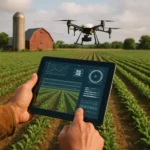
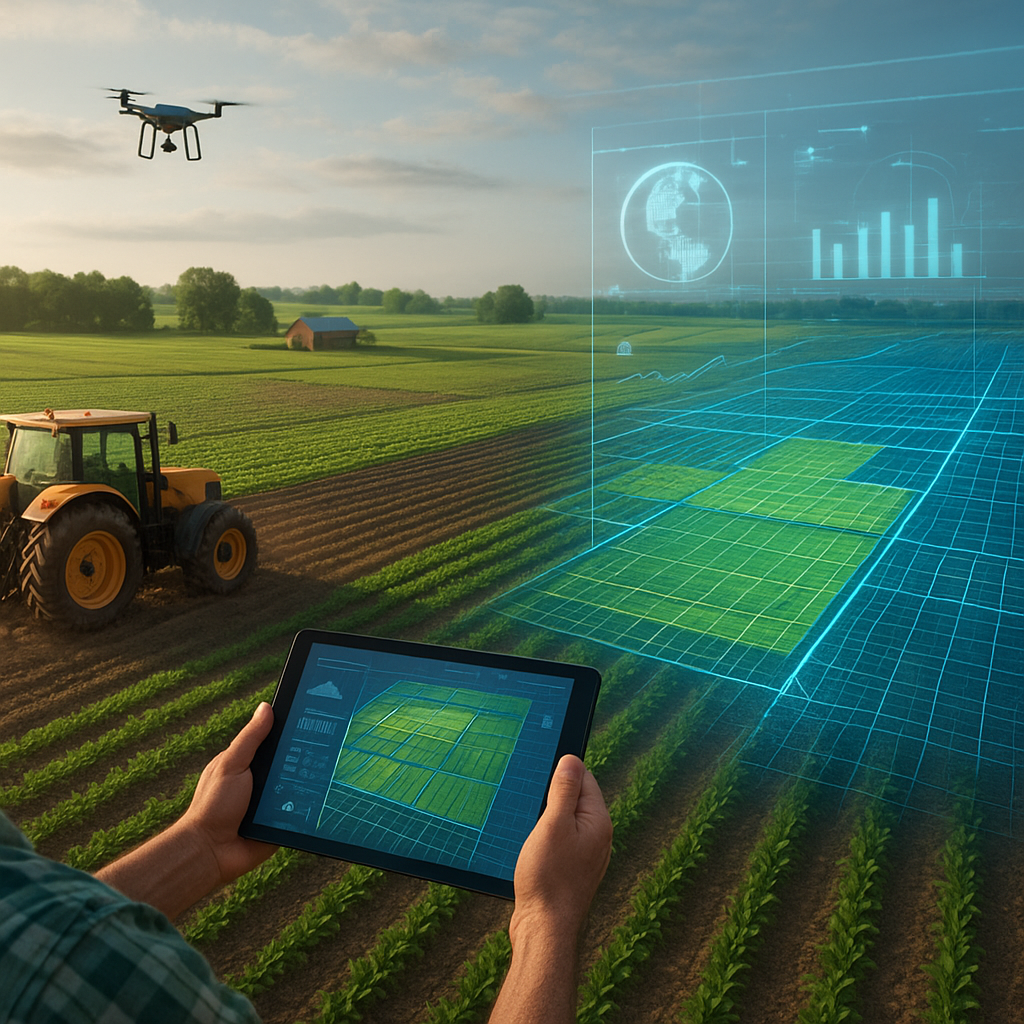
- Geospatial mapping: Integrating satellite imagery and drone data to form detailed field maps.
- IoT sensor networks: Collecting soil moisture, temperature, and nutrient levels around the clock.
- Simulation engines: Running “what-if” scenarios to test planting dates, irrigation schedules, and pest control strategies.
These virtual representations allow farmers to analyze performance under diverse conditions without risking real-world assets. For instance, a farmer can adjust fertilizer rates in the digital environment and instantly see projected impacts on crop health and environmental runoff.
Key Benefits for Farm Planning and Resource Management
When harnessed effectively, digital twins offer multiple advantages that directly tackle today’s agricultural challenges:
- Optimization of Inputs: Precision application of water, fertilizers, and pesticides reduces costs and environmental footprint.
- Enhanced data analytics: Aggregating historical yields, weather data, and sensor readings to unearth patterns and insights.
- Proactive Pest and Disease Control: Early warnings based on predictive models prevent outbreaks before they escalate.
- Boosted productivity: Identifying ideal planting windows and crop rotations to maximize output per acre.
- Improved sustainability: Aligning practices with eco-friendly goals, preserving soil health and biodiversity.
By observing how variables interplay in the virtual environment, farmers can refine their decision-making process, reacting swiftly to anomalies and reducing the trial-and-error approach that once dominated agriculture.
Technological Components Driving Digital Twin Adoption
The synergy of several cutting-edge technologies underpins the successful deployment of digital twin solutions on the farm:
- IoT and Edge Computing: Real-time data flows from tractors, drones, and field sensors to central platforms.
- Advanced simulation Tools: Cloud-based engines capable of running multiple scenarios simultaneously at scale.
- Machine Learning and AI: Extracting actionable insights and continuously refining models based on new data.
- Real-time Monitoring Dashboards: Visualizing live metrics, alerts, and key performance indicators for rapid response.
- Blockchain and Secure Data Sharing: Enabling transparent collaboration among growers, suppliers, and regulators.
Together, these components transform raw measurements into an intelligent ecosystem, turning every acre into a dynamic laboratory for experimentation and improvement.
Real-World Applications and Case Studies
Several pioneering farms and agribusinesses are already showcasing the practical value of digital twins:
Case Study: Vineyard Yield Enhancement
A large vineyard in California integrated weather stations and soil sensors into a digital twin platform. By simulating frost events and irrigation runs, the vineyard manager reduced water usage by 20% while increasing grape quality grade, leading to higher wine prices at auction.
Case Study: Grain Farm Risk Mitigation
In the Midwest, a grain operation used a digital model to forecast pest migration patterns. Early alerts prompted targeted treatments, lowering pesticide expenses by 30% and averting potential yield losses equivalent to hundreds of tons of crop.
Case Study: Livestock Health Monitoring
A dairy cooperative deployed wearable sensors on cows to track activity and rumination. The digital twin aggregated this information, pinpointing animals at risk of infection days before symptoms emerged, thus safeguarding herd health and milk production.
Challenges and Future Perspectives in Agriculture Innovation
Despite the promise, widespread adoption of digital twins in agriculture faces several hurdles:
- High initial investment in sensors, connectivity, and software subscriptions.
- Data interoperability issues between diverse hardware and legacy systems.
- Skills gap: Farmers need training to interpret complex model outputs.
- Cybersecurity concerns surrounding sensitive farm data.
Nevertheless, ongoing advancements in data analytics, affordable IoT devices, and collaborative platforms are bridging these gaps. As edge AI becomes more accessible, digital twins will evolve to offer near-instantaneous insights, adapting models on the fly as new information arrives from the field.
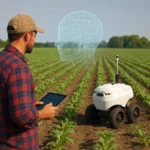
Looking ahead, integration with autonomous machinery and robotic systems could enable continuous self-optimizing farms. Imagine drones replanting seeds where emergence was poor, or robotic cultivators adjusting planting density based on soil compaction mapped in the twin. Such closed-loop automation promises a future where human oversight focuses on strategic stewardship rather than routine tasks.
In an era where agriculture must feed a growing population while preserving ecosystems, digital twin technology emerges as a transformative enabler. By fusing virtual experimentation with real-world observability, farms of all scales can navigate complexity with confidence, unlocking new levels of productivity, sustainability, and economic resilience.