

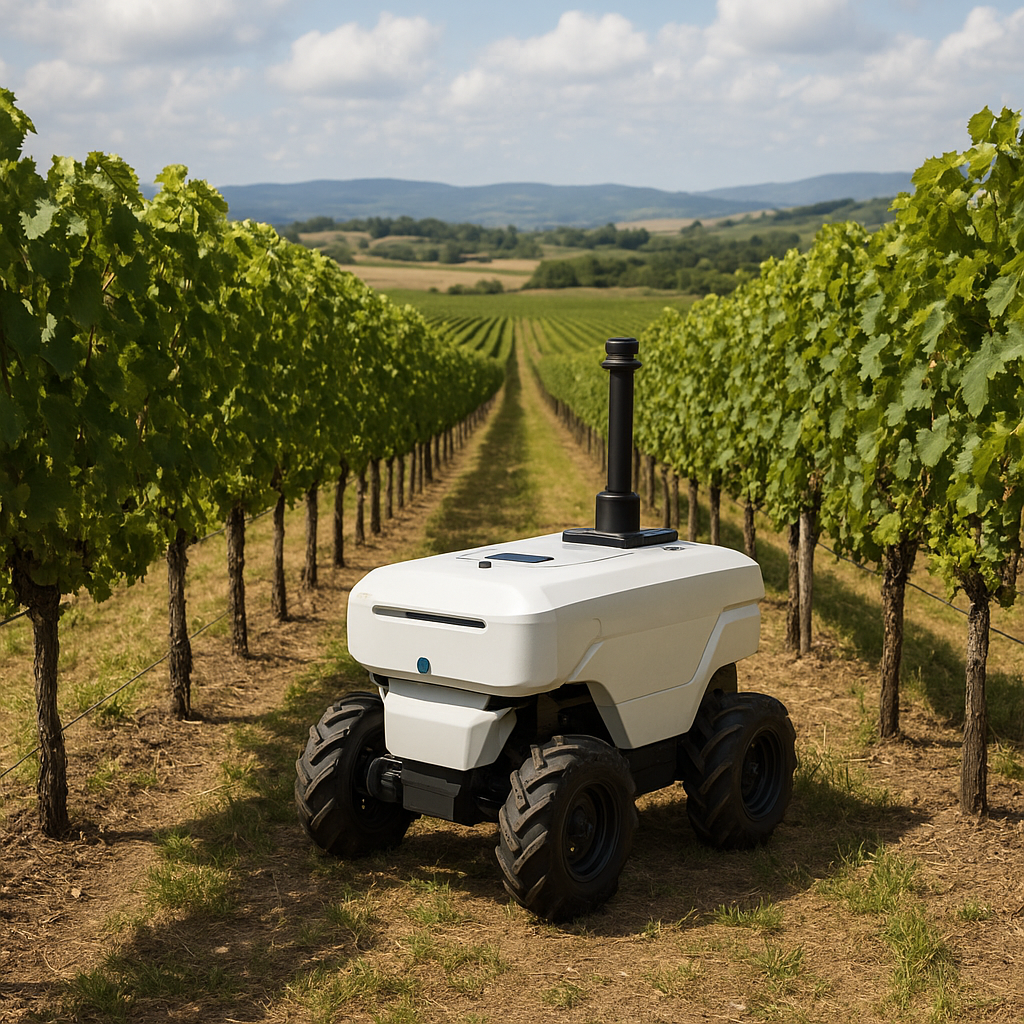
Across rolling hills draped in verdant vines, a quiet revolution is unfolding. Robotic systems once relegated to factory floors are now steering through narrow vineyard rows, collecting data, pruning shoots, and even harvesting grapes. This intersection of tradition and technology is reshaping the art of grape cultivation, raising the bar for quality, scale, and environmental stewardship. Farmers who once relied on manual labor and intuition are adopting high-tech tools, unlocking new avenues for yield optimization and consistency. By harnessing the power of autonomous machines, winemakers are enhancing grape quality while reducing waste and labor costs. The fusion of mechanical precision with agricultural expertise heralds a new era of innovation in viticulture.
Enhancing Precision and Efficiency
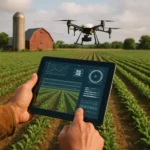
Precision has always been the hallmark of great winemaking. Tiny variations in soil moisture, sun exposure, and canopy density can influence the color, aroma, and flavor profile of each cluster. Traditionally, vineyard managers walked rows and took spot measurements, relying on experience and educated guesswork. Today’s robotic platforms, equipped with an array of sensors, deliver millimeter-level accuracy in monitoring key variables. Light drones equipped with hyperspectral cameras map vine health from above, while ground-based vehicles navigate narrow corridors to measure trunk diameter, leaf chlorophyll content, and even soil composition. This suite of technologies translates into actionable insights, enabling growers to tailor irrigation, fertilization, and pruning schedules to each plant’s unique needs.
For example, autonomous pruning robots use sophisticated vision systems to identify clusters of buds and determine the optimal cuts, preserving the plant’s structure and maximizing future fruit loads. Machines guided by LIDAR and GPS data maintain precisely parallel paths down each row, avoiding vine damage and reducing human error. Such meticulous attention to detail drives significant gains in efficiency, cutting labor costs by up to 50% in some commercial operations. Real-time data collection also accelerates decision-making, allowing growers to respond instantly to weather events or pest outbreaks. In turn, these improvements support more consistent harvest windows, ensuring grapes reach wineries in peak condition.
Integration of AI and Sensor Technologies
At the heart of robotic vineyard management lies an intricate web of sensors and machine intelligence. Soil moisture probes buried at varying depths relay continuous updates on water availability, while autonomous weather stations monitor temperature, humidity, and wind. The data streams converge in centralized platforms where advanced algorithms detect patterns and recommend interventions. Machine learning models, trained on years of historical data, predict disease outbreaks such as powdery mildew or botrytis bunch rot, enabling preemptive treatments that minimize chemical usage.
Robots equipped with computer vision systems scan leaves for early signs of stress. Using multispectral imaging, they can distinguish between normal variations in color and the telltale symptoms of nutrient deficiencies or pest infestations. Once an issue is identified, targeted interventions follow. Drones may spray precise droplets of organic fungicide only where needed, reducing chemical drift and safeguarding beneficial insects. Ground-based sprayers can adjust nozzle patterns in real time, ensuring full coverage while conserving resources. The result is a truly data-driven approach, where each drop of water and each gram of fertilizer is used with pinpoint accuracy.
Beyond monitoring and intervention, AI-driven robots are beginning to play a creative role. Some systems can analyze grape cluster density and leaf area to predict potential flavor profiles, guiding decisions on canopy management to accentuate desired grape characteristics. Through continuous feedback loops, the robots learn from each growing season, refining their algorithms and improving performance year after year. This self-optimizing capability promises to elevate grape quality to unprecedented heights.
Environmental Impact and Sustainability
The marriage of robotics and agriculture extends beyond profitability; it champions environmental responsibility. Over-irrigation, excessive pesticide use, and soil compaction have long plagued conventional farming methods. Autonomous vehicles, however, can reduce soil damage by distributing weight more evenly and adapting their routes to minimize pressure on vulnerable areas. Solar-powered robots harvest energy from the sun during idle periods, further shrinking the carbon footprint.
Water scarcity poses a critical challenge in many premier wine regions. Precision irrigation robots apply the exact volume required by each vine, eliminating waste and optimizing water conservation. Advanced imaging allows for the detection of water stress at the leaf level before visual symptoms appear, ensuring that irrigation schedules align with actual plant needs. These practices support sustainability goals, helping vineyards achieve certifications and satisfy environmentally conscious consumers.
Pest management benefits from a similar transformation. Instead of blanket pesticide applications, autonomous units can release beneficial insects or administer micro-doses of biopesticides in localized hotspots. This targeted strategy preserves biodiversity, maintains soil health, and reduces chemical residues on grapes. The holistic integration of mechanical and biological controls underscores the industry’s commitment to nurturing the ecosystem while producing world-class wines.
Advancing Autonomous Harvesting
Harvest season is the ultimate test for vineyard automation. Grapevine rows wind through undulating terrain, with variable sun exposure and tight spacing that challenge robotic navigation. Yet cutting-edge harvester prototypes are overcoming these obstacles with remarkable agility. Guided by 3D mapping and augmented reality overlays, they detect grape clusters, position mechanical arms, and clip stems with surgical precision. The grapes are gently placed into onboard bins, minimizing bruising and preserving juice quality. These machines can work around the clock, ensuring grapes reach the crush pad fresh and at optimal sugar levels.
Real-time connectivity enables coordinators to reroute harvesters dynamically based on ripeness data. By prioritizing blocks with ideal Brix readings, robots maximize wine quality while balancing labor availability and weather windows. In steep or irregular plots where machinery access is limited, smaller drones equipped with winch systems perform selective picking, transporting grape batches to collection points. This hybrid approach leverages both aerial and terrestrial robotics, pushing the boundaries of what’s possible in automated harvesting.
Future Prospects and Innovations
The horizon of robotic vineyard management is teeming with possibilities. Researchers are experimenting with swarm robotics, deploying fleets of micro-drones that collaborate on surveying and spraying tasks. Each unit shares insights through mesh networks, orchestrating group behaviors that adapt to changing field conditions. Such decentralized systems offer resilience; if one drone encounters a malfunction, others compensate seamlessly.
Biohybrid robots, combining living organisms with synthetic components, are in early development stages. Imagine vine-climbing robots that use gecko-inspired adhesives to traverse vertical trellises, gathering data from previously unreachable points. Meanwhile, blockchain integration promises end-to-end traceability, recording every robotic intervention in an immutable ledger. Consumers will be able to scan QR codes on wine labels and review detailed logs of irrigation, nutrient status, and harvest methods, fostering unprecedented transparency.
As robotics continue their ascent in agriculture, the boundaries between technology and tradition blur. Winemakers who embrace these tools will cultivate grapes with unmatched consistency, enhance production efficiency, and uphold the highest environmental standards. The future vineyard promises a symphony of machines, sensors, and vines working in harmony—a testament to human ingenuity and the relentless pursuit of perfection in the world of wine.