



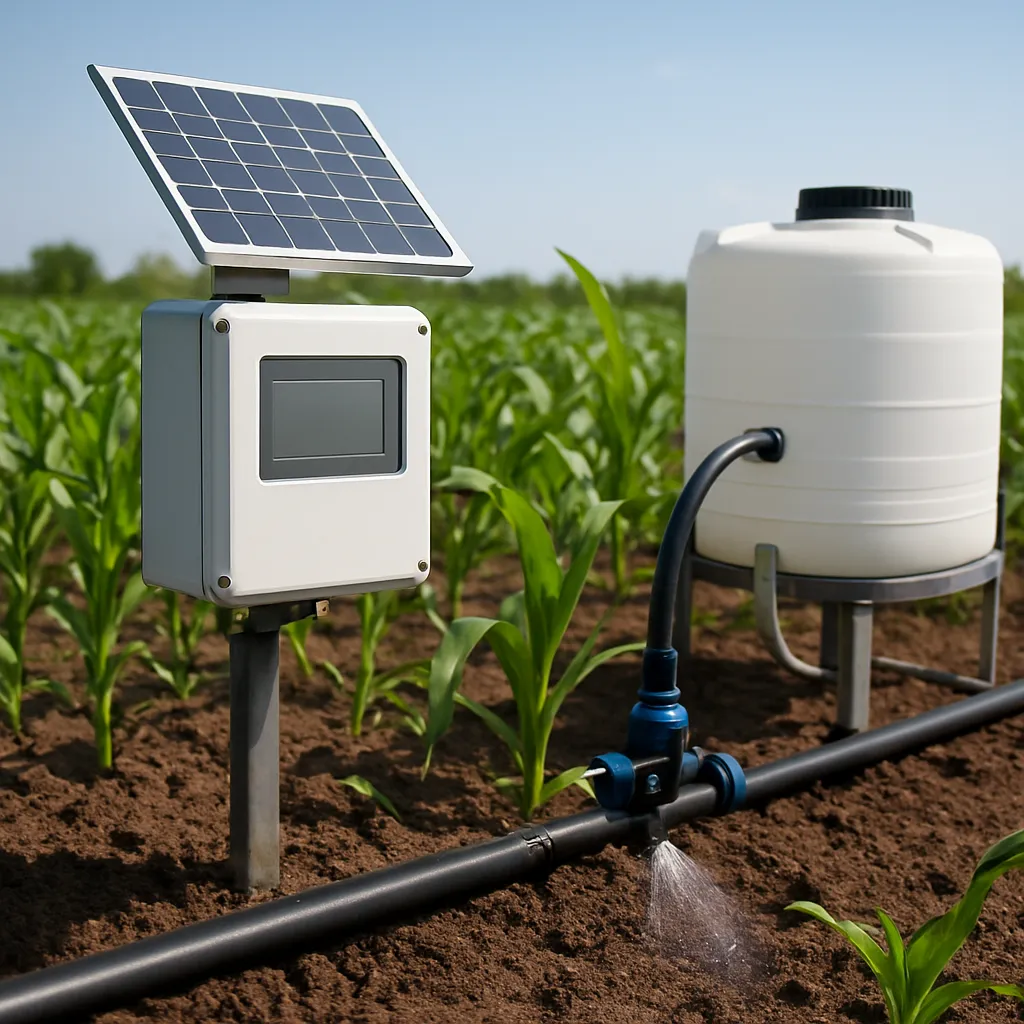
Smart Fertilization Systems for Higher Efficiency are revolutionizing the landscape of impressive agriculture by integrating cutting-edge technologies that maximize crop performance while minimizing resource waste. By leveraging a blend of advanced tools—from soil moisture probes to real-time data platforms—farmers are achieving unprecedented levels of precision and cost savings. In this exploration, we delve into the transformative potential of these systems, highlighting key strategies and innovations that drive sustainable intensification.
Harnessing Precision Through Sensors and Data Analytics
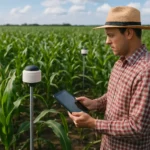
The foundation of any smart fertilization system lies in its ability to gather actionable insights from the field. High-resolution soil moisture and nutrient sensors embedded at various depths collect continuous readings, allowing agronomists to map variability down to the square meter. This granular perspective enables targeted applications rather than blanket treatments, drastically reducing over-application and runoff.
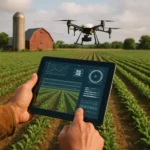
Data streaming from remote sensors is processed through advanced algorithms and cloud-based platforms. Real-time analytics generate predictive models that anticipate crop demand, weather shifts, and potential stressors. By integrating satellite imagery and drone-mounted spectral cameras, farms can overlay vegetative indices with subsurface readings, revealing hidden deficiencies before they impact growth.
Machine learning also plays a crucial role by identifying patterns in long-term datasets. Historical yield maps are cross-referenced against soil tests and fertilizer regimes. The system adapts recommendations each season, continuously refining the rate, timing, and placement of applications. This dynamic optimization ensures that inputs match plant uptake, leading to healthier canopies and stronger root systems.
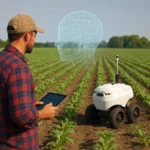
Automation further enhances operational efficiency. Autonomous tractors, guided by GPS and variable-rate technology, perform precise in-furrow or foliar treatments. These vehicles adjust fertilizer flow on the go, reducing operator error and labor costs. The synergy between robotic platforms and sensor networks exemplifies how automation transforms routine tasks into ultra-efficient processes.
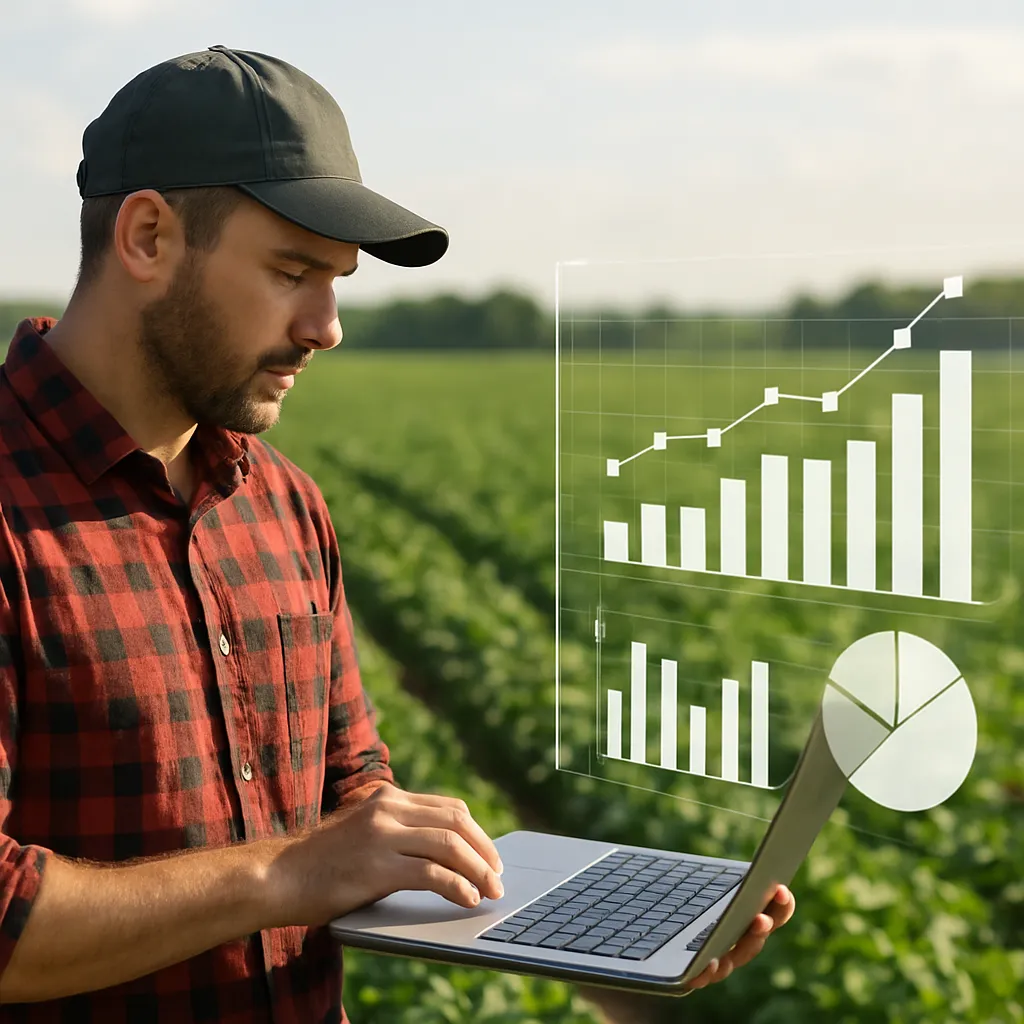
An integrated dashboard provides a unified view of field status, alerting managers to critical thresholds. When nutrient levels drop below an optimal range, automated alerts can trigger variable-rate pumps or drone sprayers configured for micro-targeted delivery. By closing the loop between detection and action, farms become agile systems—capable of responding instantly to emerging challenges.
Beyond immediate benefits, data-driven decision support systems foster long-term resilience. Predictive maintenance of equipment, based on sensor feedback, avoids costly breakdowns. Continuous calibration of probes and flow meters sustains accuracy over multiple seasons. The result is an enduring framework that scales with farm size, from boutique vineyards to broadacre grain operations.
Adaptive Nutrient Delivery: Tailoring Fertilization to Plant Needs
Traditional fertilization often relies on calendar-based schedules or blanket rates, leading to inefficiencies and environmental concerns. Smart systems employ micro-dosing techniques, delivering nutrients in small, frequent doses that align with real-time crop demand. This approach reduces leaching and volatilization, guaranteeing that each gram of fertilizer reaches the root zone when plants are most receptive.
In-season variable-rate application (VRA) uses prescription maps derived from soil and tissue analyses. By partitioning fields into management zones, operators can target each area with bespoke nutrient blends. For instance, nitrogen, phosphorus, and potassium ratios can be adjusted to optimize grain fill or fruit set, maximizing yield while conserving resources.
Foliar feeding represents another dimension of adaptive delivery. Fine mist sprayers, often mounted on drones or tractors, apply chelated micronutrients directly to leaf surfaces. This bypasses soil interactions and rapidly corrects deficiencies of iron, zinc, or manganese. The result is a swift boost in chlorophyll production and photosynthetic efficiency without disrupting soil microbiota.
Root-zone injection systems can synchronize nutrient release with irrigation cycles. By coupling fertigation units to drip or pivot systems, farms achieve uniform distribution across varied soil textures. Precise control of pH and electrical conductivity in the injected solution prevents precipitation and lock-up of critical elements, ensuring optimal nutrients remain bioavailable.
Digital twin models—virtual replicas of actual fields—enable scenario testing for different fertilization strategies. Growers can simulate the impact of early-season applications versus split treatments at tassel emergence. By comparing projected biomass responses, they select the most efficient protocol before committing precious inputs in the real world.
Collaborative platforms connect agronomists, growers, and equipment manufacturers. Shared data pools accelerate research on next-generation fertilizers, including controlled-release granules and biological enhancers. When trials confirm superior performance, recipes can be updated centrally and disseminated to participating farms within hours.
Sustainability and Environmental Integration
Smart fertilization systems are not solely about raising output—they also address pressing ecological challenges. By curbing excess nutrient runoff, they protect waterways from eutrophication and safeguard aquatic habitats. Fine-tuned sustainability metrics help farmers meet regulatory standards and qualify for eco-friendly certifications that command premium market prices.
Cover cropping and strip-till combined with precision fertilization further minimize soil erosion. Intercropping legumes between cereal rows can fix atmospheric nitrogen, decreasing synthetic fertilizer demand. Sensor-driven guidance ensures that only non-leguminous strips receive additional inputs, preserving the natural benefits of living root systems.
Lifecycle assessments of fertilizer products, including production emissions and transportation, are increasingly integrated into decision-support tools. Growers can evaluate the carbon footprint of different inputs and opt for low-impact alternatives such as polymer-coated urea or bio-based NPK blends. When linked to carbon-credit markets, these choices generate ancillary revenue streams.
Water stewardship is another pillar of environmental integration. Soil moisture sensors coordinate irrigation events with fertigation schedules, preventing overwatering and nutrient displacement. As a result, water use efficiency improves alongside fertilizer performance, reinforcing the farm’s role in regional resource conservation.
Buffer zones and vegetative filter strips, guided by precision soil maps, intercept any residual runoff. These green corridors also provide wildlife habitat and enhance on-farm biodiversity. The interplay between mechanical, chemical, and biological components characterizes the holistic nature of smart agriculture—where technology harmonizes with natural processes.
Emerging Technologies: AI, Robotics, and Beyond
The next frontier in smart fertilization lies at the intersection of artificial intelligence and robotics. Adaptive algorithms will soon orchestrate fleets of self-navigating UAVs and UGVs, each optimized for specific tasks: sensor deployment, real-time sampling, and targeted dispensing. Such machine swarms promise unparalleled field coverage and responsiveness.
Edge computing capabilities embedded in sensor nodes will enable instantaneous decision-making without reliance on remote servers. These autonomous units can execute variable-rate commands the moment a threshold is crossed, reducing latency and ensuring timely interventions during critical growth phases.
Advancements in nanotechnology may yield fertilizer nanoparticles engineered to release nutrients only under defined pH or moisture conditions. Combined with smart triggers, these materials could revolutionize nutrient use efficiency, ensuring that each ion becomes available precisely when and where it’s needed.
Blockchain applications are also under exploration, securing supply chain transparency for fertilizers and validating sustainability claims. Immutable ledgers will document source-to-field journeys, enabling consumers and regulators to trace every nutrient pellet back to its origin.
Interdisciplinary collaborations among agronomists, data scientists, and engineers will continue to expand the toolkit for smart fertilization. As innovations converge, we can expect integrated ecosystems where every element—from seed genetics to soil biota—contributes to resilient, high-performing agricultural landscapes.