


As modern livestock operations embrace the convergence of agriculture and technology, farmers are unlocking unprecedented opportunities to safeguard herd health and optimize productivity. Through the integration of advanced monitoring tools and sophisticated data pipelines, the industry is witnessing a transformative shift toward proactive care and resource efficiency. This article explores how cutting-edge analytics shape the future of animal husbandry and drive advancements in impressive agriculture.
Advanced Sensors and Real-time Data Acquisition
Equipping livestock with wearable and ambient sensors enables farmers to collect continuous streams of physiological and behavioral data. From smart collars that track heart rate and body temperature to barn-mounted cameras observing movement patterns, these devices lay the foundation for effective real-time monitoring. Key components include:
- Temperature probes embedded in ear tags or boluses, detecting subtle deviations indicative of fever.
- Accelerometers attached to limbs or halters, capturing activity levels, restlessness, and grazing behavior.
- Acoustic sensors analyzing cough frequency and vocalizations to signal respiratory distress.
- IoT networks providing low-latency data transmission across vast pastures and barns.
By harnessing these inputs, veterinarians can intervene swiftly when anomalies arise, reducing the risk of widespread outbreaks and enhancing overall herd resilience.
Big Data Integration and Predictive Modeling
Once raw data flows from the field, robust pipelines aggregate, cleanse, and store it within centralized repositories. Combining environmental metrics (such as humidity, air quality, and feed composition) with individual animal records unlocks the power of predictive analytics. Leading practices include:
- Applying statistical techniques to historical performance data, revealing patterns that forecast disease emergence.
- Utilizing cloud platforms for scalable storage and on-demand compute, accommodating terabytes of sensor logs.
- Implementing data lake architectures, enabling seamless integration of structured records and unstructured video feeds.
- Driving decision support systems that rank risk levels and recommend targeted preventive measures.
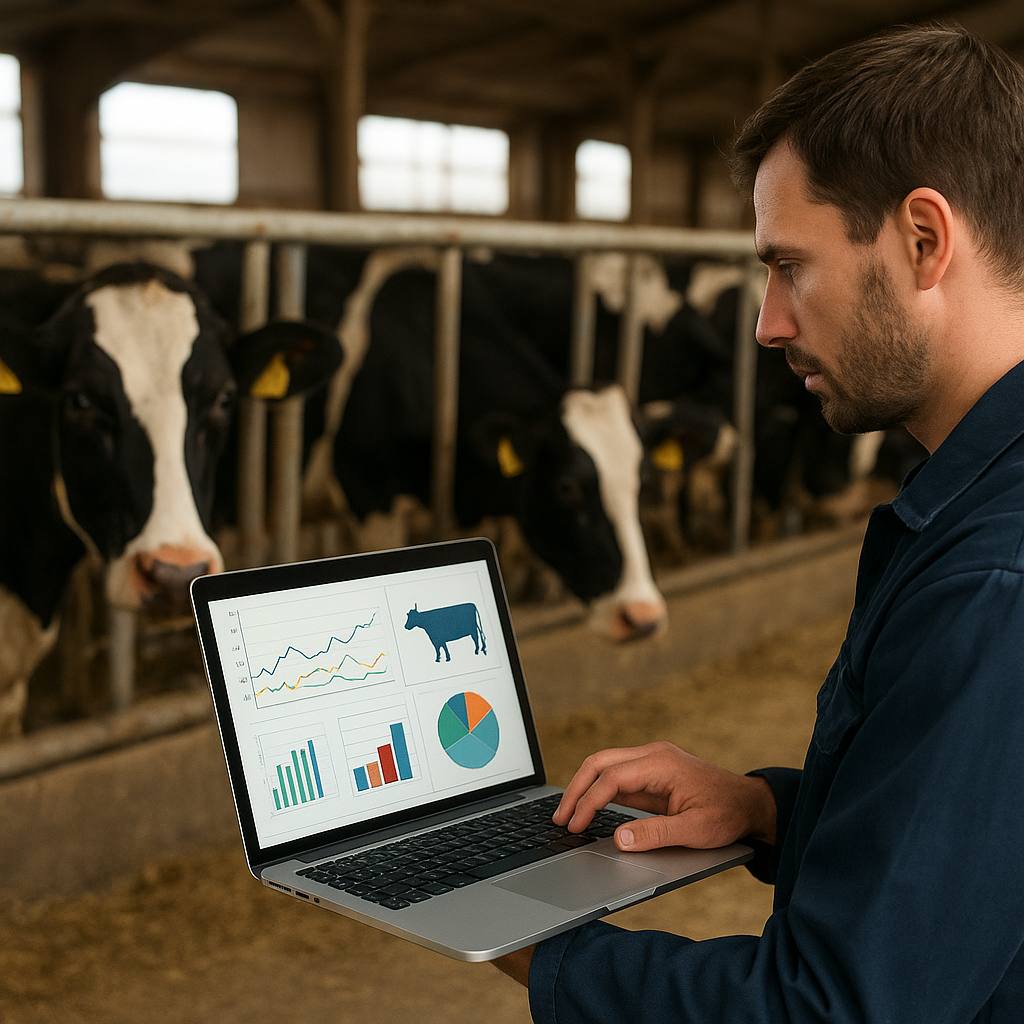
Farm managers leverage these insights to anticipate fever clusters, adjust vaccination schedules, and optimize feed rations. As a result, routine tasks shift from reactive to anticipatory, fostering a culture of continuous improvement in livestock welfare.
Machine Learning Applications in Disease Detection
The deployment of machine learning techniques enhances diagnostic accuracy far beyond manual observation. Algorithms trained on labeled datasets of healthy and infected animals can classify disease states with remarkable precision. Notable methods include:
- Supervised learning models that correlate gait anomalies with lameness, enabling early detection before overt clinical signs manifest.
- Convolutional neural networks processing thermal images to identify inflammation hotspots beneath the skin.
- Time-series analysis networks forecasting mastitis incidence by monitoring fluctuations in milk yield and composition.
- Reinforcement learning frameworks that optimize treatment protocols through simulation-driven feedback loops.
Progress in this realm accelerates due to open-source libraries and domain-specific toolkits, lowering the barrier for specialized research in animal health analytics.
Enabling Genomic Selection and Precision Breeding
Beyond monitoring, data analytics informs genetic improvement efforts. Coupling phenotypic observations with genomic data facilitates genomic selection, wherein breeding candidates are ranked by predicted disease resistance and productivity. This integration rests on:
- High-throughput DNA sequencing to identify single-nucleotide polymorphisms associated with robust immune responses.
- Bioinformatics pipelines performing genome-wide association studies, highlighting loci tied to milk yield and growth rate.
- Decision-support dashboards recommending mating pairs to accelerate herd improvement while minimizing inbreeding.
Adopting this data-driven breeding approach enhances herd genetics over generations, yielding animals better equipped to withstand environmental stressors and pathogens.
Enhancing Animal Welfare through Data-driven Decisions
Ultimately, the goal of integrating analytics into livestock systems is to fortify animal welfare and operational sustainability. By translating insights from multivariate datasets into actionable protocols, producers achieve:
- Reduced antibiotic usage thanks to precise identification of at-risk individuals.
- Lower mortality rates through timely intervention guided by automated alerts.
- Cost efficiency gains as health incidents decline, conserving resources and boosting revenue.
- Regulatory compliance via transparent record-keeping and traceability of treatments.
Furthermore, real-world pilots demonstrate that farms embracing analytics realize significant improvements in milk yield, growth performance, and customer trust. The fusion of technology and husbandry practices heralds a new era of precision farming, where every hoofbeat and rumination contributes to a holistic picture of herd health.