


Faced with increasing pressures to feed a growing population and reduce environmental impact, agro-logistics has entered a transformative era. The integration of cutting-edge technologies into every stage of the agricultural supply chain is reshaping how fresh produce moves from field to fork. By harnessing automation, advanced robotics, and intelligent networks, stakeholders can enhance efficiency, reduce waste, and ensure greater food security for communities worldwide.
Smart Farming and the Rise of Precision Agriculture
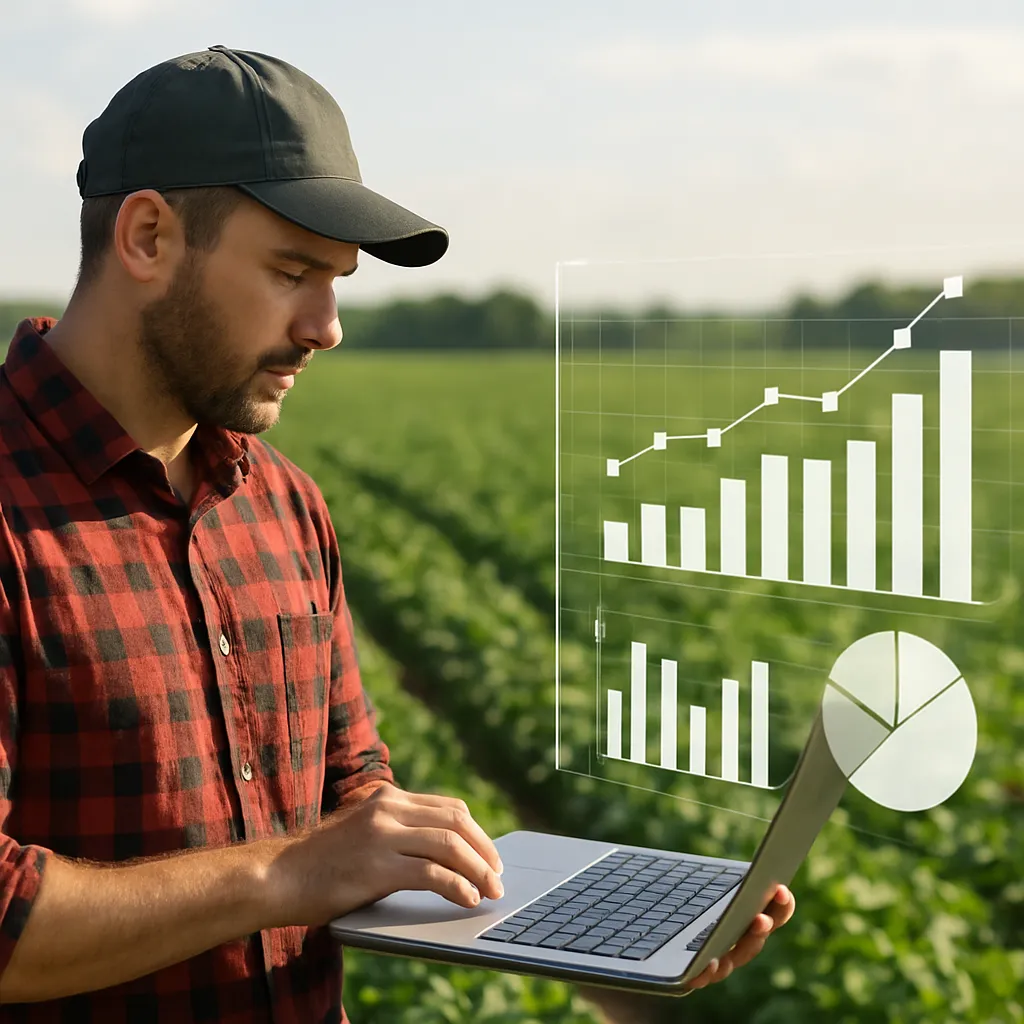
The foundation of next-generation agro-logistics lies in precision agriculture. This approach leverages data-driven insights to optimize planting, irrigation, and harvesting decisions. Key innovations include:
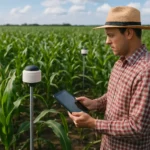
- IoT sensors monitoring soil moisture, nutrient levels, and weather conditions in real time.
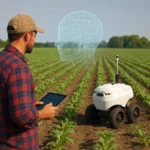
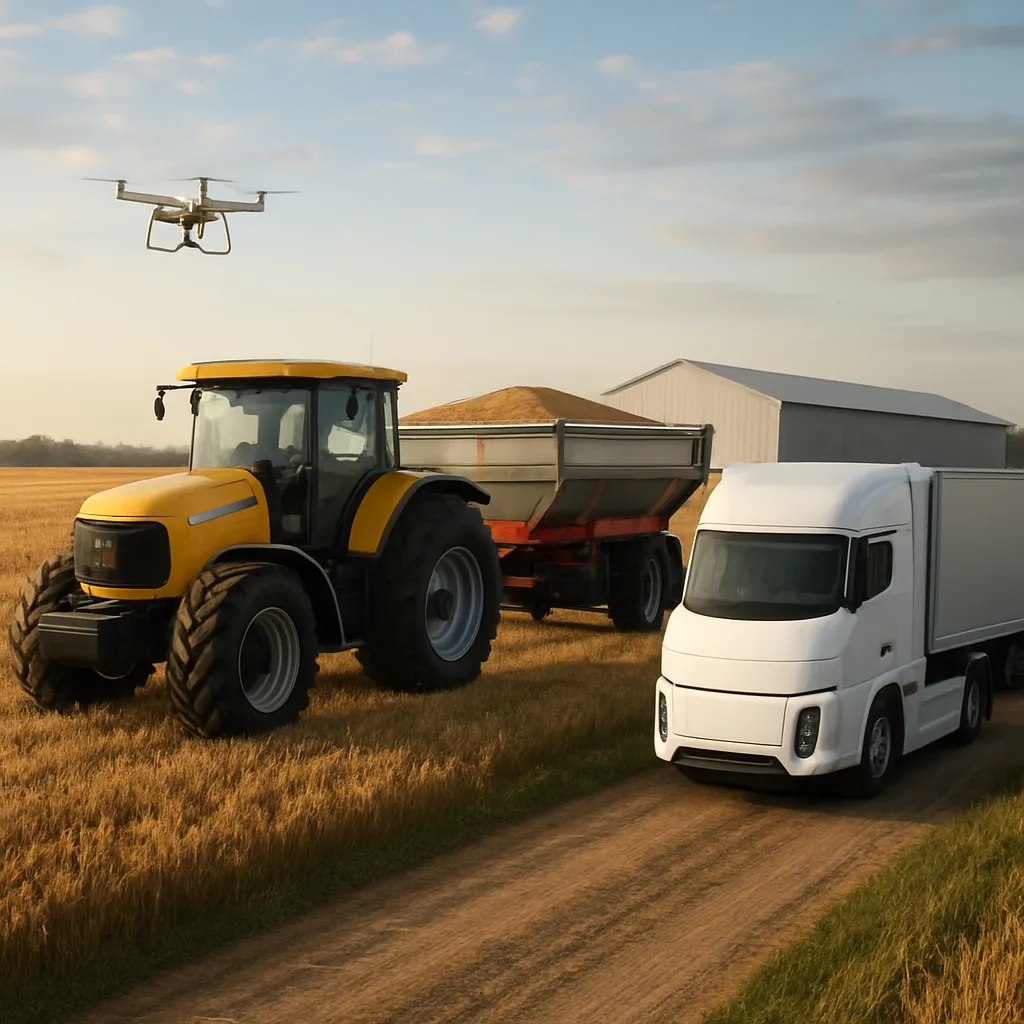
- Autonomous tractors and harvesters equipped with GPS and computer vision for accurate field operations.
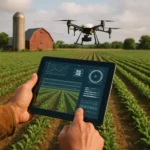
- Drones conducting aerial surveys to detect pest infestations and crop stress before they become widespread.
By combining these technologies with robust data analytics platforms, farmers can pinpoint the precise amount of water or fertilizer each plant requires. This targeted approach not only boosts yields but also minimizes resource consumption, contributing to long-term sustainability.
Automated Warehousing and Intelligent Storage Solutions
Once crops are harvested, efficient warehousing ensures that produce maintains its freshness. Traditional storage facilities with manual processes often struggle with delays and human error. Modern agro-logistics, however, embraces automation through:
- Robotic arms and automated guided vehicles (AGVs) for palletizing, sorting, and loading goods.
- Climate-controlled chambers regulated by AI to preserve optimal temperature and humidity levels.
- Real-time inventory management systems connected via IoT to track stock levels and expiration dates.
These advanced warehouses reduce labor costs and accelerate throughput. Coupled with real-time monitoring, they prevent spoilage and guarantee that high-quality produce reaches distributors and retailers faster than ever before.
Streamlining Transport with Autonomous Fleets
The logistical journey does not end at the warehouse door. Transportation remains a critical bottleneck in many supply chains. The adoption of autonomous vehicles and route optimization software is revolutionizing this stage:
- Self-driving trucks navigating highways with enhanced safety features and continuous connectivity.
- Dynamic routing algorithms that adjust in real time to traffic conditions, weather events, and delivery windows.
- Electric fleet options reducing carbon footprints and aligning with corporate sustainability goals.
By automating the last-mile delivery process, companies achieve consistent delivery times and lower operational risks. Enhanced tracking systems also offer complete traceability, providing end consumers and regulators with full visibility into product origins and handling conditions.
Blockchain for Transparent and Secure Supply Chains
Trust is paramount in food logistics. Consumers demand accountability regarding the safety, quality, and ethical sourcing of their food. Blockchain technology delivers a decentralized ledger that records every transaction in the supply chain:
- Immutable records of planting dates, pesticide usage, and harvest yields.
- Smart contracts that automate payments and penalties based on predefined quality metrics.
- Real-time access for stakeholders, from farm cooperatives to retail buyers, ensuring data integrity.
Implementing blockchain not only enhances traceability but also deters fraud and counterfeiting. When combined with sensor-generated data, this ledger creates an end-to-end audit trail that strengthens consumer confidence and regulatory compliance.
AI-Driven Demand Forecasting and Inventory Optimization
Overproduction and stockouts are perennial challenges in agriculture. Modern supply chain platforms employ artificial intelligence to forecast demand with remarkable accuracy:
- Machine learning models analyzing historical sales, seasonal trends, and market indicators.
- Predictive analytics adjusting procurement and distribution strategies to match consumer behavior.
- Automated replenishment systems triggering orders based on threshold alerts and forecast deviations.
These tools minimize waste by aligning supply with actual demand, leading to reduced spoilage and logistics costs. Retailers benefit from consistent product availability, while farmers gain more predictable pricing and market access.
Robotic Sorting and Quality Control
Ensuring uniform quality and appearance is critical for fresh produce. High-speed conveyor belts integrated with advanced robotics and machine vision systems offer:
- Rapid inspection of fruits and vegetables for defects, size consistency, and coloration.
- Rejection of substandard items before they enter packing lines, preserving brand reputation.
- Adaptive algorithms learning new defect patterns over time, improving classification accuracy.
By automating quality control, operations achieve higher throughput rates and lower labor dependencies. This technological layer fortifies brand trust, as consumers receive consistently top-tier products.
Vertical Farming and Urban Agro-Logistics Hubs
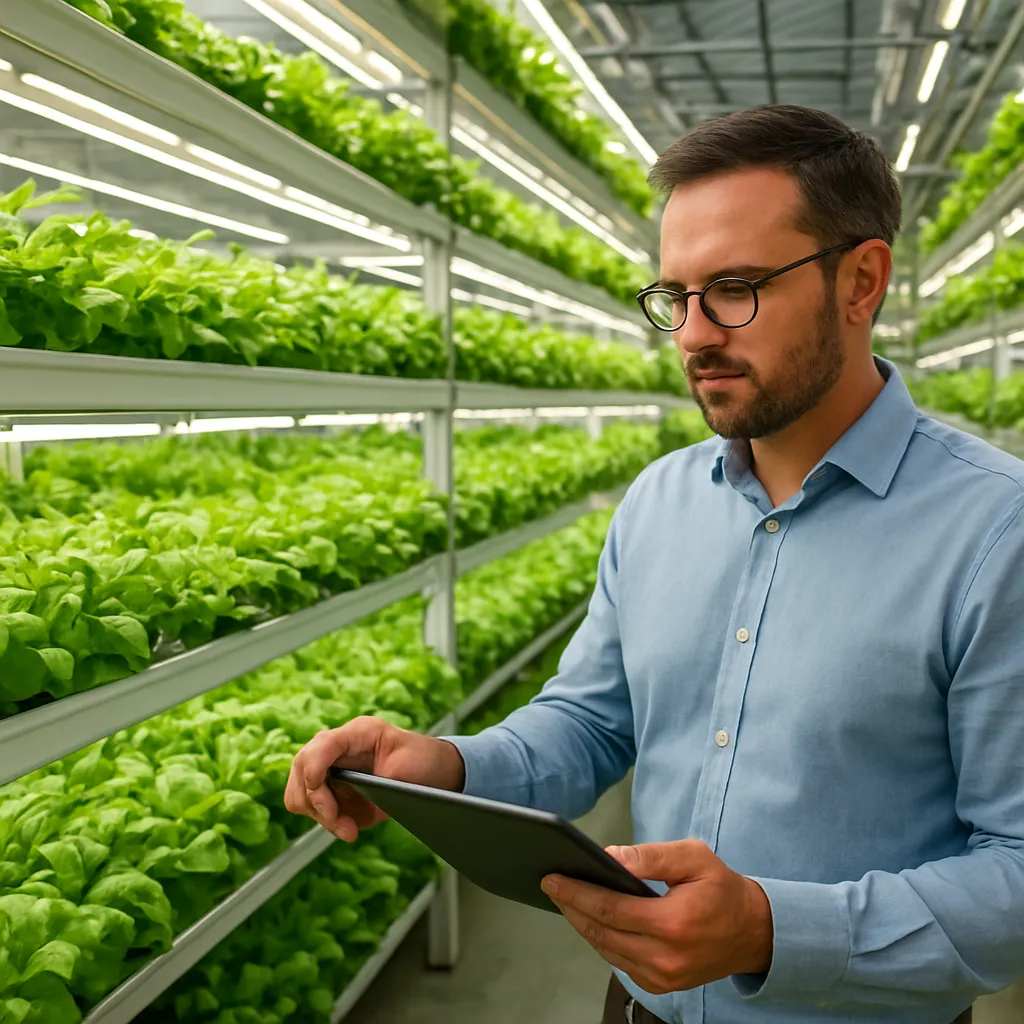
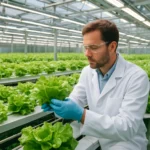
In metropolitan areas, innovative vertical farms and indoor cultivation facilities are emerging. These controlled-environment agriculture (CEA) systems offer several advantages:
- Multi-level growing racks maximizing space utilization within urban warehouses.
- Hydroponic or aeroponic systems delivering nutrients directly to plant roots, reducing water usage.
- Integration with local distribution centers, shortening supply chains and slashing transit times.
Urban agro-logistics hubs leverage automation to handle seeding, nutrient delivery, and harvest cycles. The result is hyper-local produce that arrives on retail shelves or dining tables within hours, significantly extending shelf life and reducing carbon emissions associated with long-haul trucking.
Future Outlook: Integration and Collaboration
The ongoing revolution in agro-logistics thrives on collaboration across technology providers, agricultural cooperatives, and policymakers. Future developments will likely include:
- Unified platforms merging logistics, financial services, and sustainability metrics.
- Standardized data protocols ensuring seamless interoperability among diverse systems.
- Public-private partnerships accelerating infrastructure upgrades and workforce training.
As the industry embraces holistic solutions, stakeholders can confidently navigate challenges related to climate change, resource scarcity, and global demand. The synergy of automation, robotics, IoT, and cutting-edge analytics promises a smarter, more resilient agricultural supply chain—one that benefits producers, distributors, retailers, and, ultimately, consumers around the world.