

The agricultural landscape is undergoing a profound transformation as technology weaves itself into every aspect of farm management. From the skies above to the soil below, a network of intelligent devices collaborates to optimize resource use, predict challenges, and ensure bountiful harvests. The marriage of precision tools and real-time data is redefining the way farmers cultivate crops and manage livestock, ushering in an era of unprecedented connectivity and control.
Unmanned Aerial Vehicles Revolutionizing Crop Monitoring
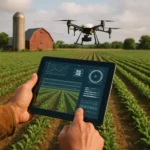
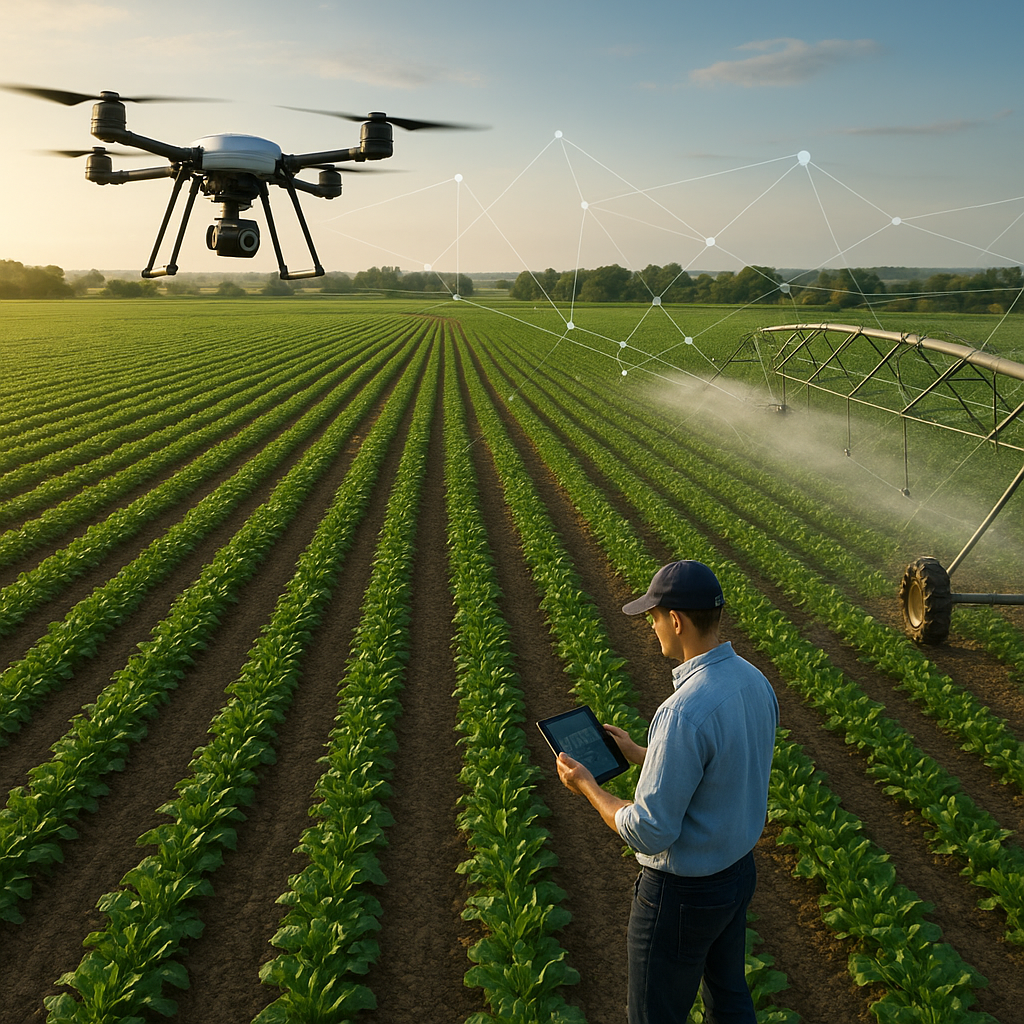
Drones have quickly become indispensable tools in modern agriculture. Equipped with multispectral cameras and advanced imaging systems, these aerial vehicles offer farmers a **comprehensive** view of their fields, identifying issues invisible to the naked eye. By capturing high-resolution imagery at regular intervals, drones enable:
- Early detection of nutrient deficiencies through color variations in plant canopies.
- Rapid identification of pest infestations and disease outbreaks before they spread.
- Create detailed field maps for variable-rate application of water, fertilizer, and pesticides.
One farm in California reported a 20% reduction in chemical inputs and a 15% increase in yield after integrating drone-based scouting into their routine operations. Far from being a luxury, these devices deliver actionable insights that translate directly into cost savings and environmental benefits.
Integration of IoT Devices and Sensor Networks
On the ground, a vast array of sensors measures soil moisture, temperature, pH levels, and nutrient content. These IoT devices form the backbone of a **resilient** network that keeps farmers continuously informed about crop health and soil conditions. Key components include:
- Soil moisture probes that adjust irrigation schedules automatically, preventing both overwatering and drought stress.
- pH and EC sensors that monitor nutrient availability in real time.
- Weather stations that track microclimates, reducing uncertainty about rainfall and temperature fluctuations.
By linking these sensors to cloud-based platforms, farmers can visualize trends, set threshold alerts, and trigger automated responses. For example, an alert about dropping soil moisture can initiate a precise irrigation event, conserving water while ensuring optimal plant growth. This level of interconnectivity fosters an environment where decisions are informed by reliable data rather than guesswork.
Harnessing Big Data and Analytics for Decision Making
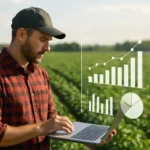
Data alone holds little value unless it is transformed into **insight**. Advanced analytics platforms ingest streams of information from drones, sensors, machinery, and historical records, applying machine learning algorithms to forecast yields, detect anomalies, and recommend tailored interventions. Among the most transformative applications are:
- Predictive yield modeling that anticipates production levels weeks or months in advance, helping align harvest logistics and market strategies.
- Anomaly detection tools that flag unexpected variations in crop health, soil chemistry, or equipment performance.
- Prescriptive analytics that suggest optimal planting dates, crop rotations, and input mixes for maximum returns.
One collaborative project in Europe demonstrated that farms using predictive modeling achieved a 12% higher profitability margin compared to those relying on traditional methods. By leveraging pattern recognition and simulation, analytics platforms empower growers to fine-tune every stage of the production cycle.
Automation and Robotics in Field Operations
Beyond monitoring and analysis, robotics are taking on labor-intensive tasks with precision and consistency. Autonomous tractors, robotic harvesters, and weeding bots are increasingly common, performing functions such as:
- Autonomous plowing and seeding guided by GPS and sensor fusion.
- Robotic harvesters that pick delicate fruits based on ripeness detection.
- Intelligent weeding machines that distinguish between crops and weeds, selectively removing unwanted plants.
These machines not only alleviate the **labor** shortage challenges facing many farms but also reduce soil compaction through controlled traffic farming. As robotics integrate vision systems and AI, their adaptability and efficiency continue to grow, enabling scalable operations across diverse crop types.
Sustainable Practices and Environmental Stewardship
Impressive agriculture increasingly emphasizes sustainability and ecosystem health. Connectivity and data-driven methods support practices that minimize environmental impact while sustaining long-term productivity. Key benefits include:
- Reduced chemical runoff through variable-rate application and targeted treatments.
- Enhanced **biodiversity** by monitoring habitats and adjusting field margins to support pollinators and beneficial insects.
- Water conservation achieved via precision irrigation and real-time moisture management.
Many farms now participate in certification programs that recognize sustainable operations. By documenting resource use and demonstrating environmental stewardship, they gain access to premium markets and incentive programs. In turn, consumers benefit from transparent supply chains and products that align with ecological values.
Future Horizons: AI, Robotics, and Beyond
The fully connected farm continues to evolve. Emerging technologies promise to deepen integration and drive further improvements in **efficiency** and resilience. Some anticipated advancements include:
- Edge computing devices that process sensor data locally, reducing latency and dependency on cloud connectivity.
- Swarm robotics, where multiple drones or ground bots collaborate dynamically to cover large areas with speed and precision.
- Integration of satellite imagery with on-farm data to generate hyper-local weather forecasts and stress indicators.
- Blockchain-enabled traceability platforms, ensuring tamper-proof records of every step in the supply chain.
As these innovations converge, farms will operate as **digital ecosystems**, responsive to environmental cues and market dynamics alike. The synergy of drones, sensors, analytics, and automation heralds a reality where agricultural productivity coexists with sustainability, driving a new era of global food security.