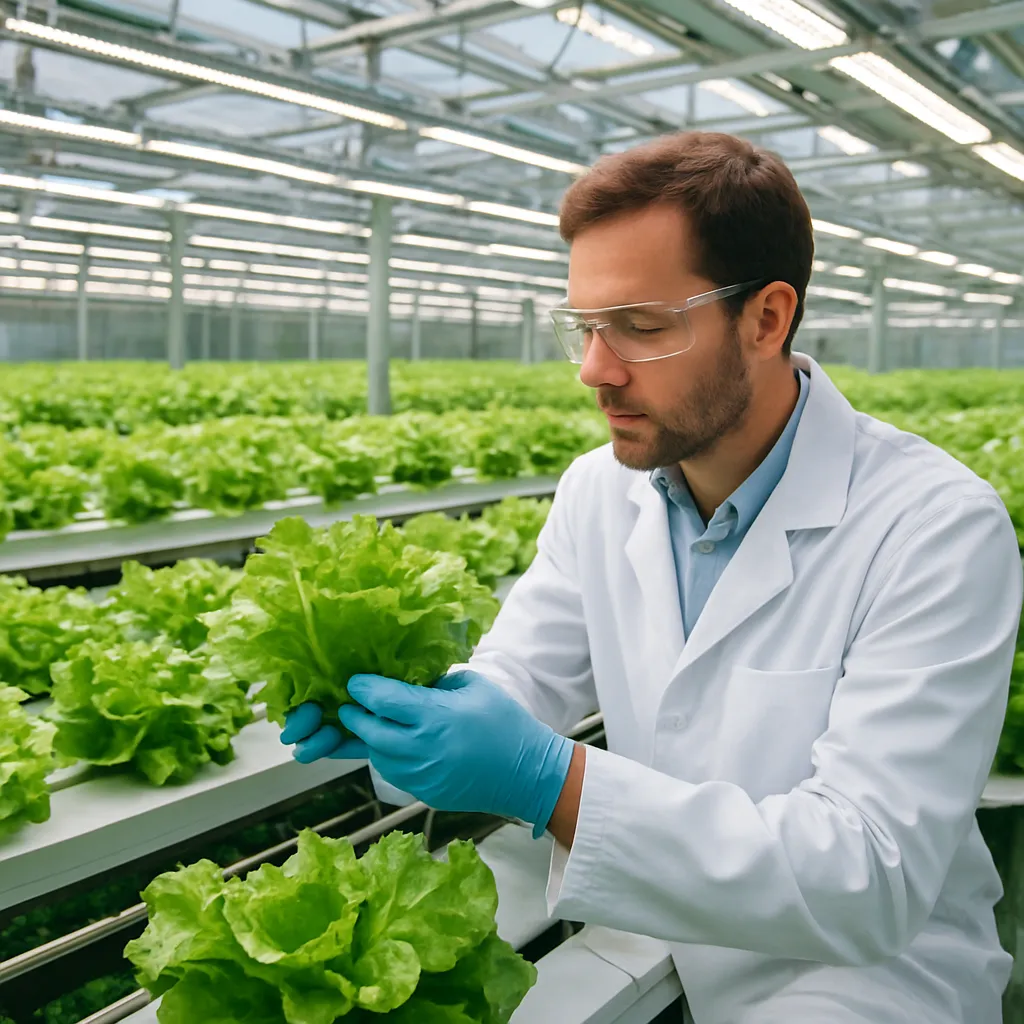





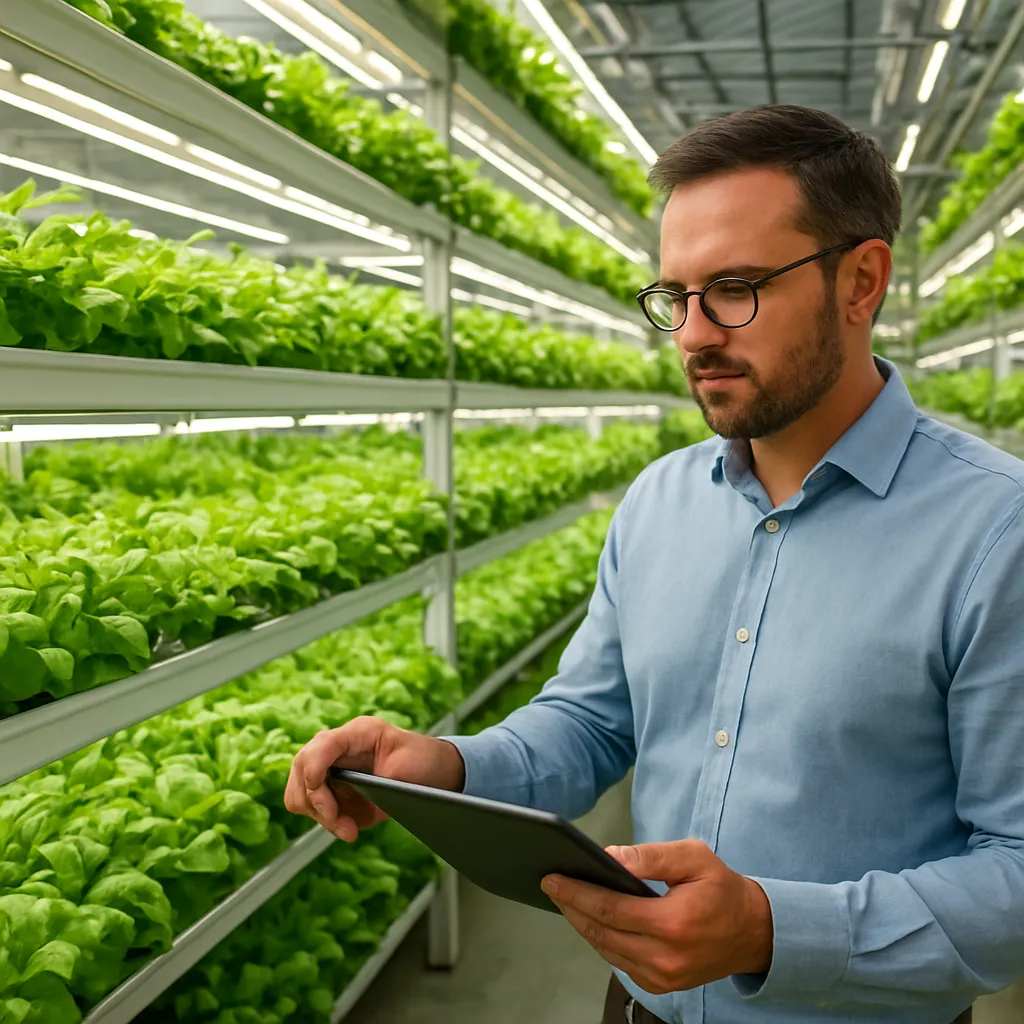
The rapid emergence of indoor agriculture has sparked debates over the economic viability of so-called vertical farming operations. By stacking production layers in confined spaces, entrepreneurs promise year-round harvests, reduced land use, and shorter supply chains. However, the balance between soaring setup costs and potential revenue remains a contentious topic. This article unpacks key financial drivers, explores diverse income streams, examines inherent risks, and paints a picture of what the economic future might hold for this revolutionary approach to food production.
Understanding the Cost Structure
Initial Capital Outlay
Launching a vertical farm demands hefty upfront funds. Proprietary racks, hydroponic or aeroponic systems, and advanced sensors quickly add up. Real estate in urban or peri-urban zones often carries a premium, and retrofitting warehouses with humidity control or fire safety measures further elevates the total expense. Securing essential equipment such as LED lighting fixtures capable of mimicking full-spectrum sunlight can alone represent a significant portion of the budget. Investors also must consider installation fees, software integration, and compliance costs for health and safety certifications.
Ongoing Operational Expenses
After installation comes the continuous flow of monthly bills. The major cost categories include:
- Energy costs – powering lights, pumps, HVAC units, and backup generators around the clock.
- Labor – hiring skilled agronomists, technicians, and packaging staff to maintain peak efficiency.
- Inputs – nutrient solutions, seeds, growing substrates, and water filtration systems.
- Maintenance – routine cleaning, equipment calibration, and unplanned repairs.
- Software subscriptions – for remote monitoring, data analytics, and automated process control.
When summed, these expenses can eclipse traditional field farming, making tight cost management indispensable for achieving profitability.
Diversified Revenue Streams
While fresh produce lies at the core of most vertical farms, savvy operators explore multiple avenues to bolster turnover.
- Premium greens and microgreens – delivering high-quality salad mixes or garnishes directly to upscale restaurants and specialty grocers.
- Herb cultivation – supplying aromatic herbs such as basil, mint, and cilantro with consistent flavor profiles unaffected by seasonal variations.
- Technology licensing – offering proprietary climate control algorithms or modular growth racks to other urban growers.
- Agritourism and workshops – inviting schools, culinary enthusiasts, and investors for tours, training sessions, and team-building events.
- Carbon credits and green certifications – partnering with municipal authorities to offset urban emissions and secure sustainability grants.
By tapping into these complementary channels, a well-managed farm can smooth cash flow throughout the year, reducing vulnerability to market swings in any single product category.
Challenges and Risks
Vertical farming’s allure often obscures several critical vulnerabilities that can derail financial projections.
Technical Complexity
Achieving reliable yields hinges on flawless coordination among lighting, irrigation, nutrient dosing, and air circulation. A single sensor malfunction or power spike could compromise entire tiers of crops, underscoring the importance of redundancy and preventive maintenance.
Market Saturation and Competition
As more startups and legacy agribusinesses enter the space, the market for premium leafy greens may experience downward price pressure. Retailers sensitive to unit cost often demand volume discounts, squeezing margins.
Supply Chain Fragmentation
Urban farms still rely on third-party distributors, packaging suppliers, and last-mile logistics. Any breakdown—be it shipping delays or packaging shortages—can trigger spoilage and revenue losses. Establishing a robust supply chain network is therefore indispensable.
Regulatory and Permitting Hurdles
Local zoning ordinances, water use restrictions, and food safety regulations differ widely across jurisdictions. Negotiating these bureaucratic landscapes can lead to delays and hidden fees, eating into the projected ROI.
- Power outages and natural disasters – requiring emergency protocols and backup power investments.
- Staff turnover – necessitating ongoing training programs to maintain operational consistency.
- Biological threats – including pests, molds, and viruses that can spread rapidly in confined environments.
- Changing consumer preferences – potentially shifting demand away from commodity greens toward new superfoods or alternative proteins.
Strategies for Boosting Economic Performance
Given these obstacles, successful operators often deploy a set of proactive measures aimed at maximizing efficiency and reducing waste.
- Automating routine tasks – employing robotics and AI-driven sorting, picking, and packaging to cut labor costs.
- Energy recapture systems – using heat exchangers and smart lighting schedules to lower net electricity consumption.
- Data-driven yield optimization – leveraging machine learning to fine-tune nutrient formulas and light cycles for each crop variety.
- Modular design – building expansion-ready facilities that allow incremental scale-up without rebuilding entire floors.
- Vertical integration – partnering with local retailers or operating flagship farm stores to capture a larger share of the consumer dollar.
Future Outlook and Scalability
As technology matures and investment capital becomes more accessible, the cost curve of vertical farming is steadily declining. Research labs are experimenting with more efficient diodes, ultra-thin growth media, and novel climate algorithms that promise even tighter environmental control. Meanwhile, collaborations with universities and government agencies are unlocking subsidies and research grants targeted at urban food security initiatives.
With smaller operations proving proof of concept, the sector is entering a phase of consolidation. Large agritech firms are acquiring niche startups to secure intellectual property, while major food retailers explore in-store micro-farms to cut transport footprints and market transparency. This trend points toward greater scalability, but also intensifies the need for vertical farms to differentiate through quality, brand identity, and community engagement.
Ultimately, striking the right balance between innovation and cost-efficiency will determine whether vertical farming transcends pilot projects and evolves into a cornerstone of global agriculture. As stakeholders continue to tackle energy hurdles, refine supply networks, and harness data-driven cultivation, the vision of a decentralized, year-round food system draws ever closer. The question now is not whether vertical farming can grow plants off the ground—but whether it can sustainably balance dreams with the harsh realities of economic survival.