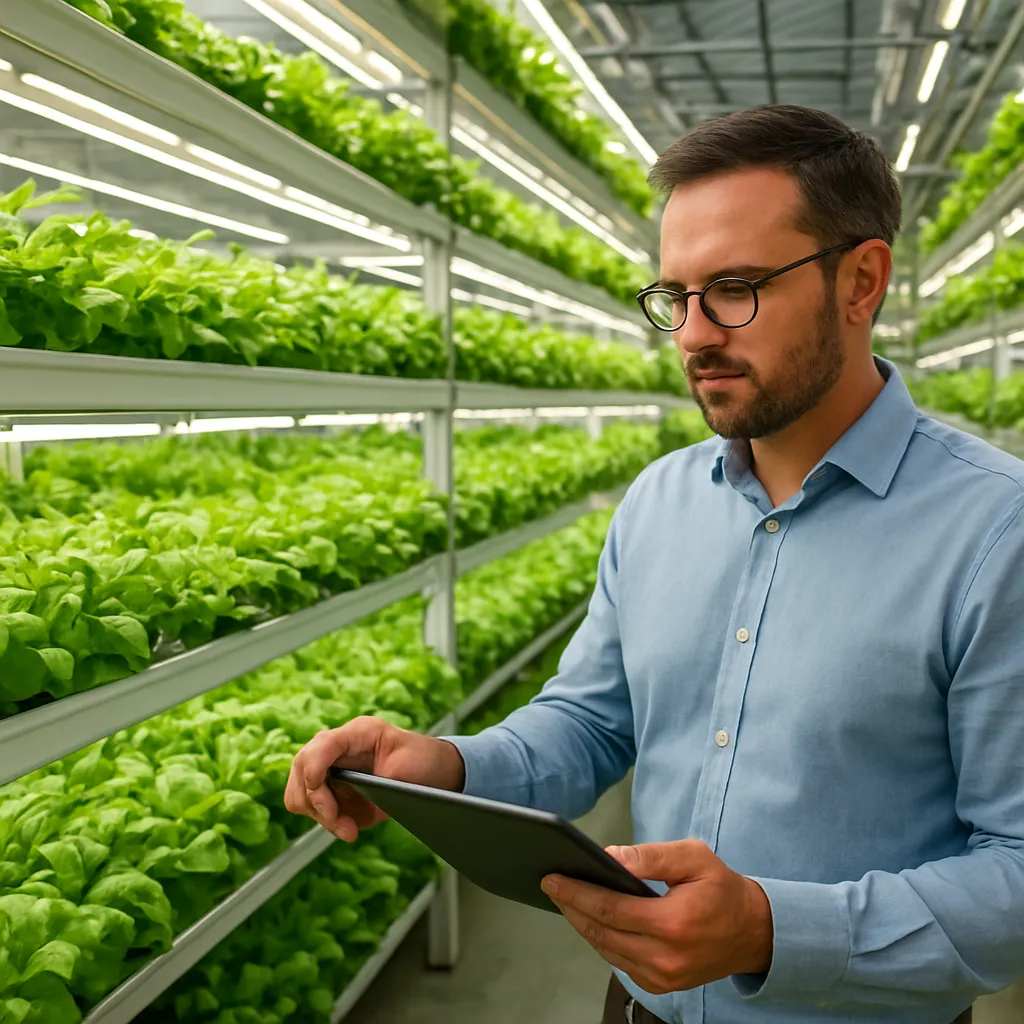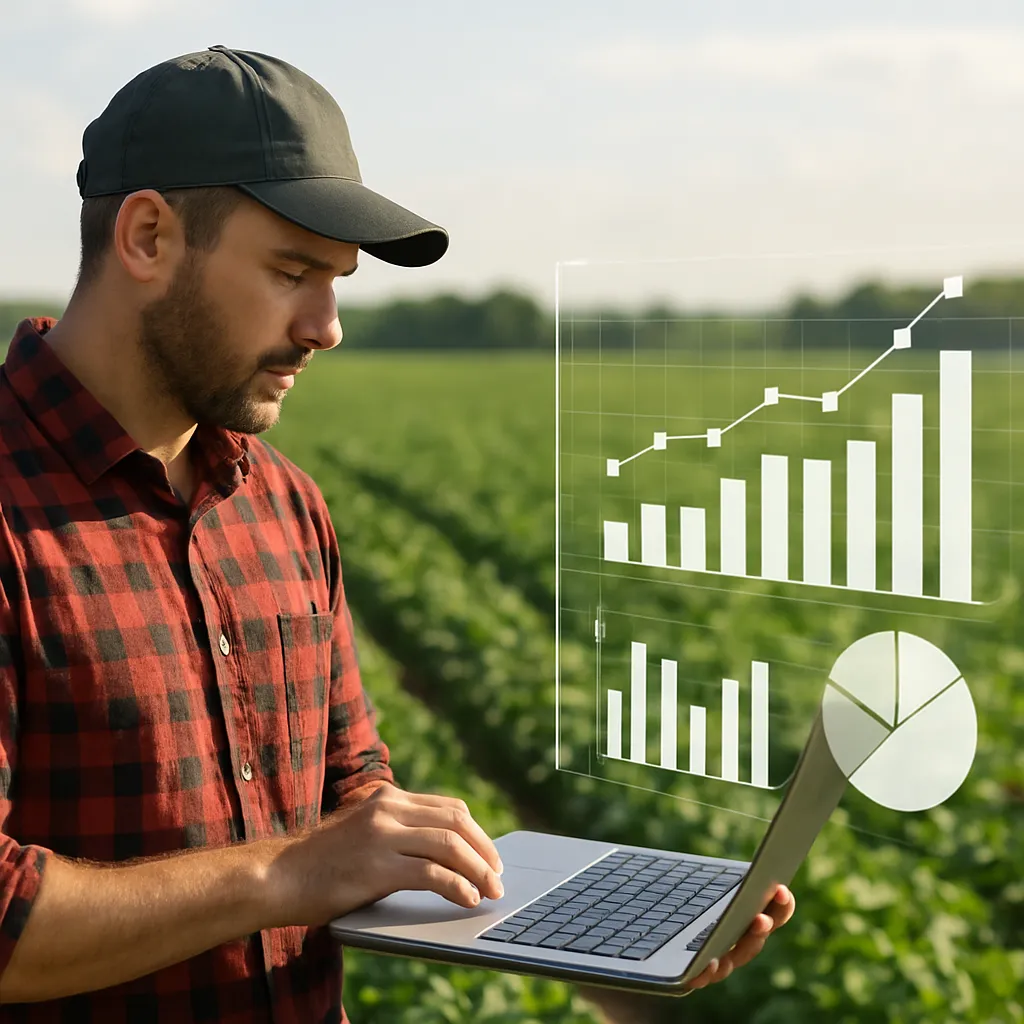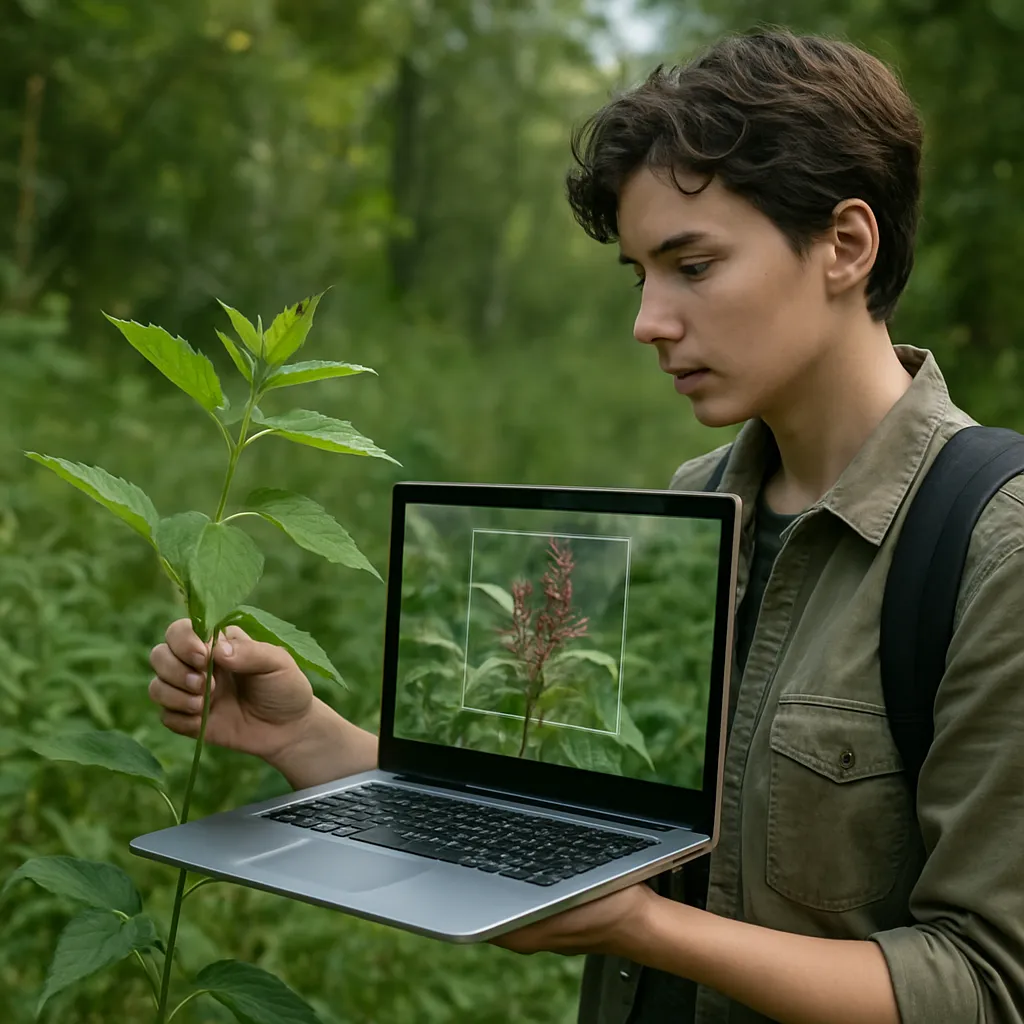
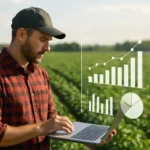


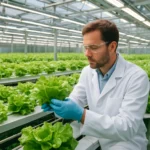
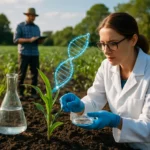

In the realm of remarkable agronomy, the deployment of IoT sensor networks has ushered in a new era of efficiency and sustainability. By integrating advanced measurement devices across sprawling fields, farmers achieve unprecedented levels of data-driven decision-making. This interplay of sensors, connectivity, and analytical tools transforms traditional practices into a high-tech tapestry of productivity.
Optimizing Water Management with IoT Sensor Networks
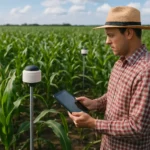
Water scarcity is a critical concern in agriculture. Embedding soil moisture probes and climate stations across fields enables real-time monitoring of hydration levels. With a dense mesh of sensor nodes, irrigation systems respond dynamically to precise thresholds, avoiding both drought stress and waterlogging.
- Precision irrigation reduces waste by up to 40%, aligning water application with actual crop needs.
- Networked sensors transmit data via low-power wide-area networks, ensuring reliable connectivity over long distances.
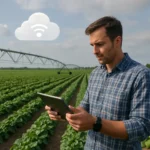
- Mobile apps and cloud dashboards offer visualization of moisture trends, empowering farmers to schedule irrigation windows.
- Automated feedback loops integrate weather forecasts, further refining irrigation plans and supporting sustainability.
Enhancing Crop Health through Precision Monitoring
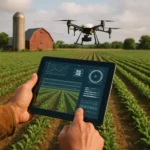
Detecting early signs of stress or disease can spell the difference between a bumper harvest and severe losses. Advanced field sensors measure variables such as leaf temperature, chlorophyll content, and ambient humidity. Coupled with remote sensing drones and satellite imagery, these measurements feed into robust analytics pipelines.
- Leaf wetness sensors identify pathogen-favoring conditions, triggering targeted interventions before outbreaks escalate.
- pH and nutrient probes embedded in the root zone guide precise fertilizer application, reducing chemical runoff.
- Localized microclimate stations capture temperature and light intensity, revealing areas prone to frost or heat stress.
- Data fusion from multiple sensor types generates a holistic view of plant health, thanks to powerful analytics engines.
Data Analytics and Automation Driving Yield
Massive volumes of sensor data require sophisticated processing. Machine learning models ingest historical and live data streams to forecast growth patterns and expected yields. With these predictions, farm machinery can be orchestrated in an automated manner, optimizing planting, weeding, and harvesting schedules.
- AI-driven decision support pinpoints optimum planting times to maximize yield and resource utilization.
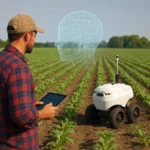
- Robotic platforms equipped with variable-rate implements adjust seed and input distribution on the fly.
- Centralized dashboards consolidate insights into actionable alerts, reducing human error and boosting operational efficiency.
- Edge computing nodes preprocess data in the field, minimizing latency and enabling autonomous control loops.
Challenges and Future Directions in Sensor-Driven Farming
While the promise of networked sensors is immense, hurdles remain. Ensuring robust power sources for remote nodes, safeguarding data against cyber threats, and integrating disparate vendors’ equipment require ongoing attention.
- Innovations in energy harvesting—such as solar panels and kinetic converters—extend sensor uptime in off-grid areas.
- Developing open protocols fosters interoperability, allowing farmers to mix and match devices without vendor lock-in.
- 5G and low-earth-orbit satellite links hint at even greater bandwidth and coverage, accelerating data transfer for mission-critical operations.
- Collaborations between agronomists, engineers, and policymakers will shape guidelines that balance technological growth with environmental stewardship.
Embracing a Data-Forward Farm Ecosystem
By weaving together sensor networks, advanced connectivity, and intelligent software, modern agriculture moves toward a vision where every decision is informed by precise measurement. This optimization of resources not only boosts profits but also fosters resilient landscapes capable of withstanding climate uncertainties. As technology continues to evolve, farmers stand poised to cultivate a future where innovation rooted in data becomes the hallmark of sustainable food production.