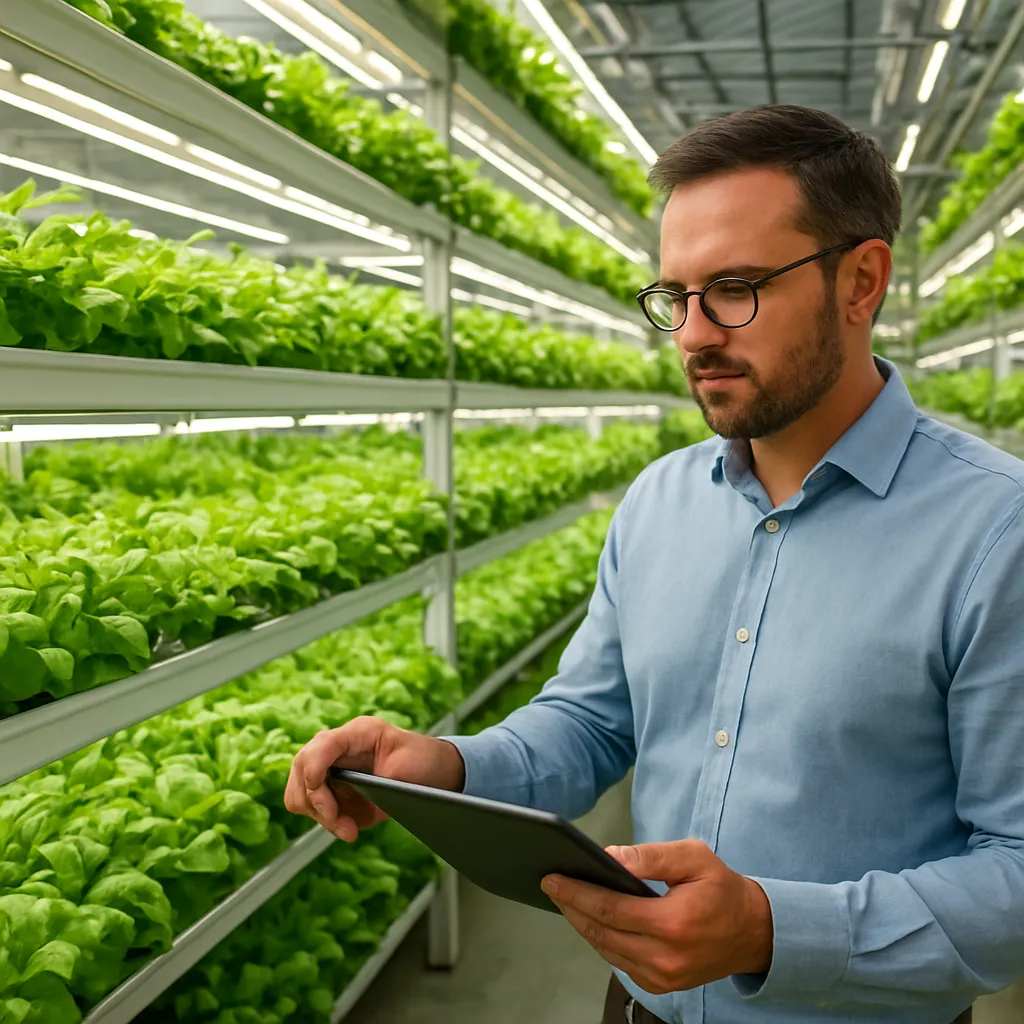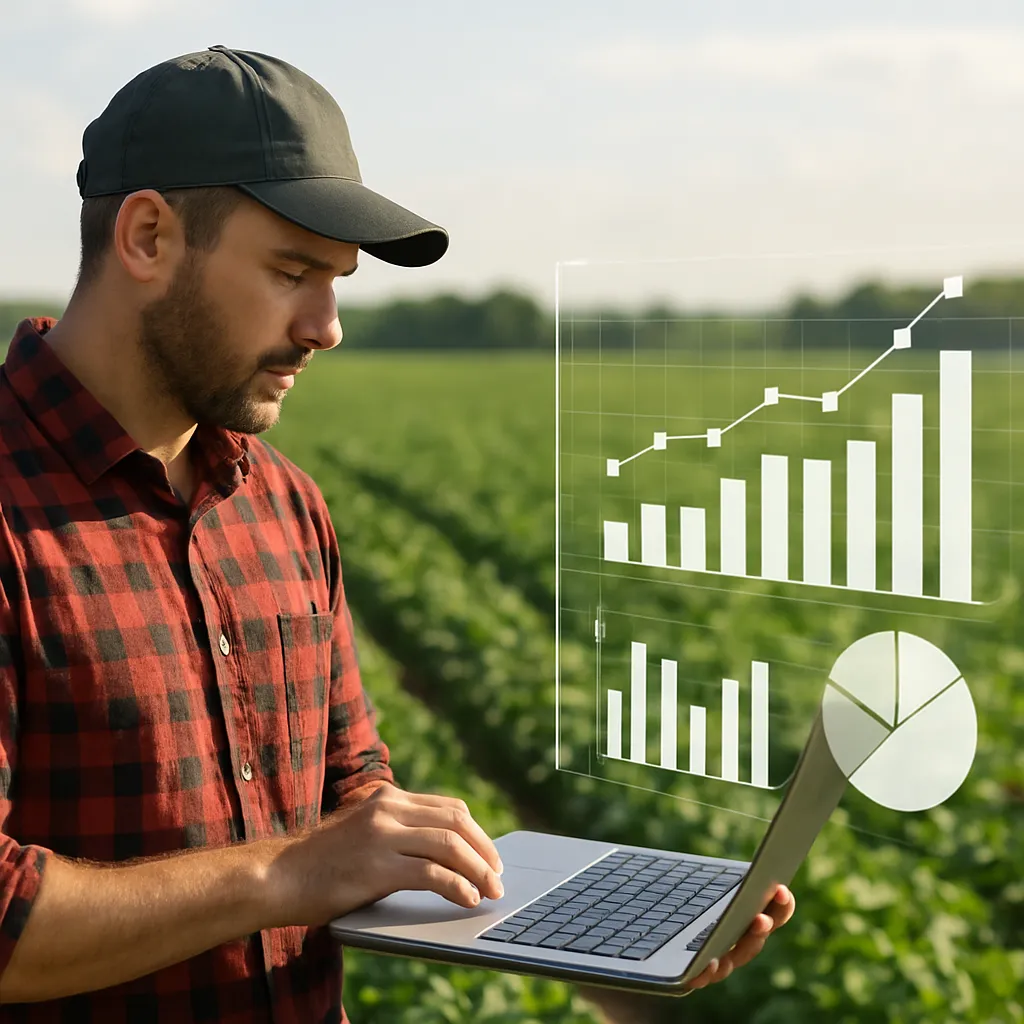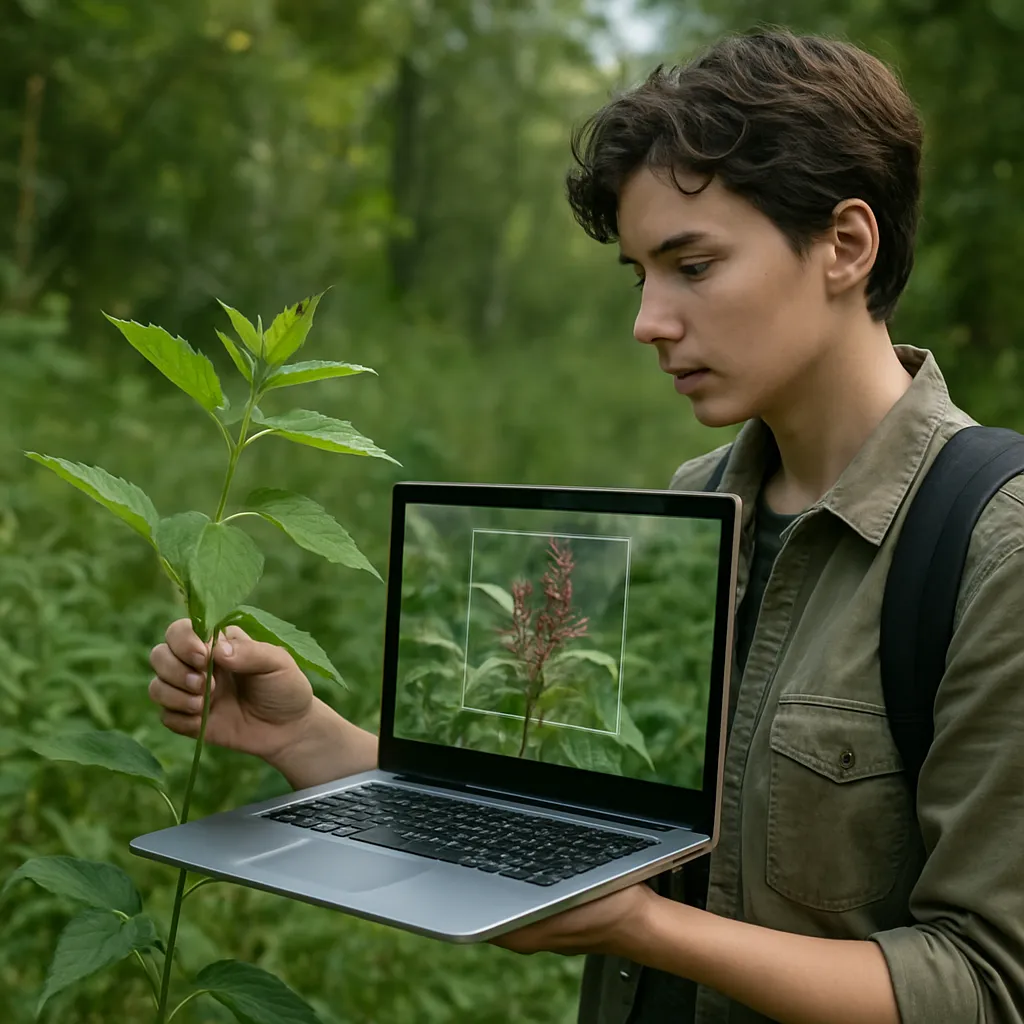
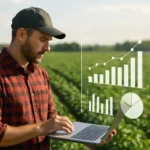


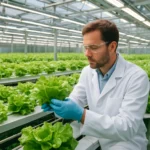
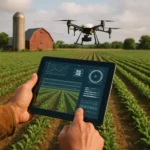
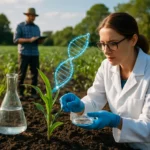
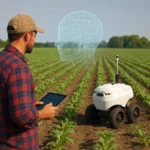
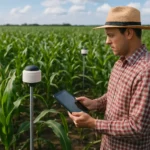
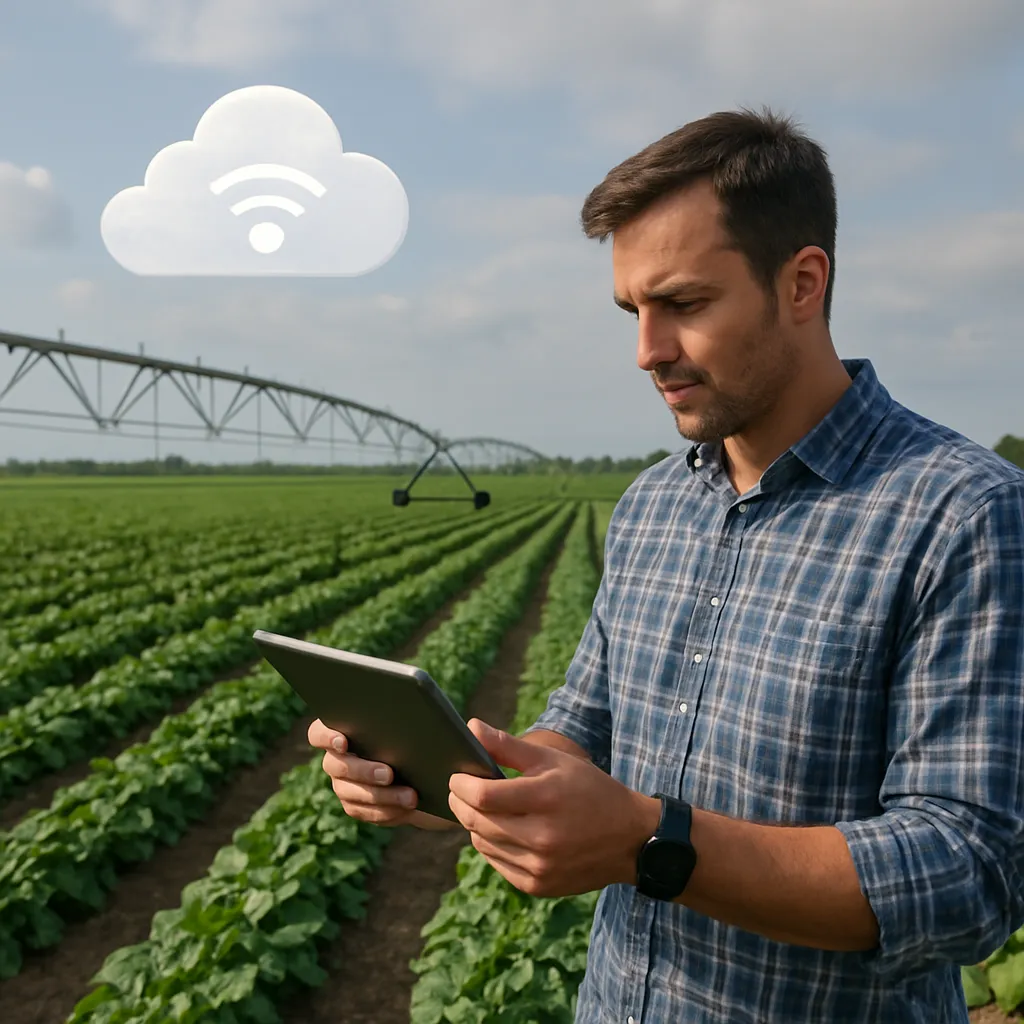
Cloud farming is revolutionizing the agricultural landscape by enabling growers to manage their fields from thousands of miles away. This approach marries cutting-edge digital tools with traditional farming practices, creating a seamless network of data-driven decisions and real-time interventions. Powered by the latest advancements in connectivity and information processing, remote agriculture promises to enhance crop yields, optimize resource usage, and reduce environmental impact. The Rise of Cloud Farming is more than a trend—it represents the future of how we feed a rapidly growing global population.
Technological Foundations of Cloud Farming
At the heart of cloud farming lies a suite of integrated technologies designed to monitor, analyze, and optimize every aspect of crop production. From soil condition to weather patterns, each variable is captured, transmitted, and processed in near real time.
Internet of Things (IoT) Networks
IoT sensors are deployed across fields to gather continuous data on moisture, temperature, pH levels, and nutrient concentrations. These compact devices are interconnected via wireless protocols, feeding an endless stream of information to centralized platforms. By leveraging connectivity solutions such as LPWAN, 5G, and satellite links, farmers can access critical metrics from their tractors, drones, or smartphones, regardless of geographic barriers.
Cloud-Based Data Analytics
Once sensor data reaches the cloud, sophisticated algorithms spring into action. Through machine learning models and advanced data analytics, the system identifies patterns invisible to the naked eye. Historical trends are compared with current conditions to forecast growth trajectories, predict pest outbreaks, and recommend optimal fertilization schedules. This analytical engine continuously refines its output, improving accuracy over time and driving more informed decisions.
Artificial Intelligence and Automation
AI plays a pivotal role in interpreting complex datasets. Neural networks dissect satellite imagery, classify crop health status, and detect anomalies such as disease spots or water stress. Automated machinery, guided by AI-driven commands, performs targeted tasks like precision spraying or robotic harvesting. The integration of automation not only accelerates labor-intensive processes but also ensures uniform application, reducing waste and enhancing overall efficiency.
Benefits and Opportunities
Adopting cloud farming strategies yields a multitude of advantages for agribusinesses, cooperatives, and individual growers. By harnessing digital tools, stakeholders unlock new avenues for sustainable and scalable food production.
Enhanced Resource Management
With granular insights into field conditions, farmers can apply water and fertilizers exactly where needed. Precision irrigation systems, informed by moisture sensor readings, can deliver just the right amount of water to each plant. This not only conserves precious water resources but also prevents over fertilization that could lead to nutrient runoff and soil degradation.
Improved Crop Yields
By continuously monitoring plant health and growth stages, cloud systems help optimize the timing of interventions such as planting, pruning, and harvesting. Predictive models anticipate yield potential, enabling farmers to adjust seeding densities or variety selections accordingly. Studies have reported yield increases of up to 20% when employing cloud-driven recommendations.
Risk Mitigation and Climate Resilience
Extreme weather events pose significant threats to agriculture. Cloud farming platforms integrate local weather forecasts and climate simulations, providing early warnings for frost, heat waves, or heavy rainfall. Response strategies—such as activating frost-protection fans or adjusting greenhouse ventilation—can be triggered automatically, fortifying farms against unpredictable conditions. In regions prone to drought, real-time soil moisture data empowers decisive action to avoid crop failure.
Economic and Environmental Sustainability
- Cost Reduction: Automated monitoring reduces labor expenses and minimizes chemical use.
- Carbon Footprint: Optimized field operations lead to lower fuel consumption and greenhouse gas emissions.
- Scalability: Cloud-based platforms accommodate farms of any size, from smallholders to industrial estates.
- Traceability: End-to-end digital records ensure transparency throughout the supply chain, bolstering consumer confidence.
Challenges and Future Directions
Despite its promising outlook, cloud farming must overcome technical, regulatory, and social obstacles before achieving widespread adoption.
Data Security and Privacy
As farms become increasingly digitalized, they attract cyber threats. Protecting sensitive information—crop plans, proprietary algorithms, and financial records—requires robust encryption standards and secure authentication protocols. Collaborative frameworks between agri-tech providers and regulatory bodies must define data ownership rights and usage policies to build trust among farmers.
Infrastructure and Accessibility
Reliable broadband connectivity remains uneven in rural areas. Bridging this digital divide is essential for small-scale producers to access cloud solutions. Investments in satellite internet, community networks, and public-private partnerships will expand coverage and lower entry barriers. Training programs are also crucial to equip farmers with the skills needed to interpret data dashboards and operate automated machinery.
Integration with Traditional Practices
The transition to cloud farming should respect local knowledge and cultural practices. Co-designing technology with rural communities ensures tools are tailored to specific climates, crops, and resource constraints. Combining generational wisdom with modern innovation fosters greater acceptance and maximizes the strengths of both paradigms.
Next-Generation Research
Future developments in cloud farming will be guided by interdisciplinary research in fields such as genomics, nanotechnology, and advanced robotics. Breakthroughs in precision gene editing may yield crop varieties optimized for automated cultivation systems. Nano-sensors embedded in plant tissues could transmit biochemical signals, enabling hyper-localized adjustments. Meanwhile, swarm robotics might carry out planting and harvesting tasks collaboratively, revolutionizing labor dynamics.
Global Collaboration
Addressing food security challenges demands international cooperation. Shared data repositories, open-source tools, and cross-border research initiatives can accelerate the deployment of cloud farming solutions in regions facing acute hunger and climate stress. By fostering a global network of stakeholders—governments, NGOs, tech firms, and farmer associations—the agriculture sector can unlock the full potential of cloud-enabled cultivation.
The evolution of cloud farming promises to redefine modern agriculture, merging digital intelligence with ecological stewardship. As we continue to refine the underlying technologies and expand their reach, this transformative approach could pave the way for a resilient, productive, and sustainable food system.