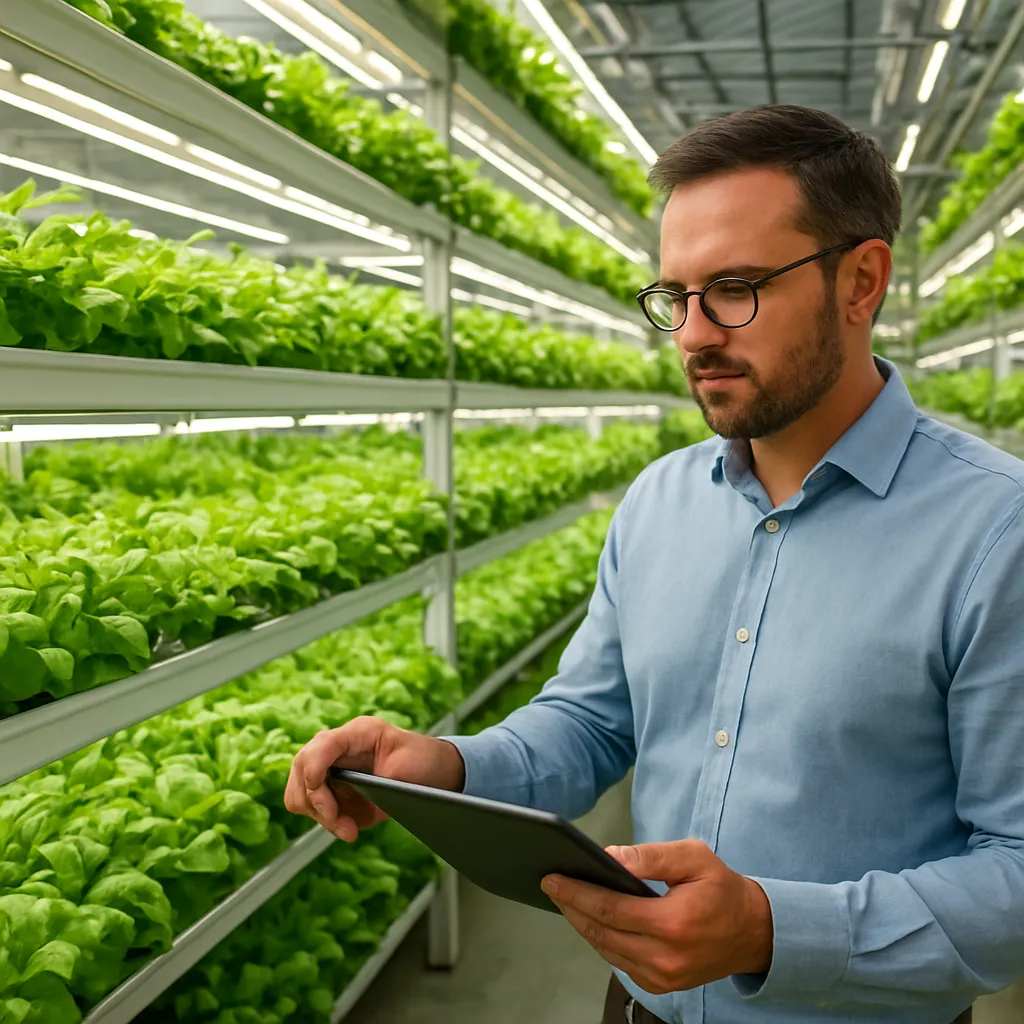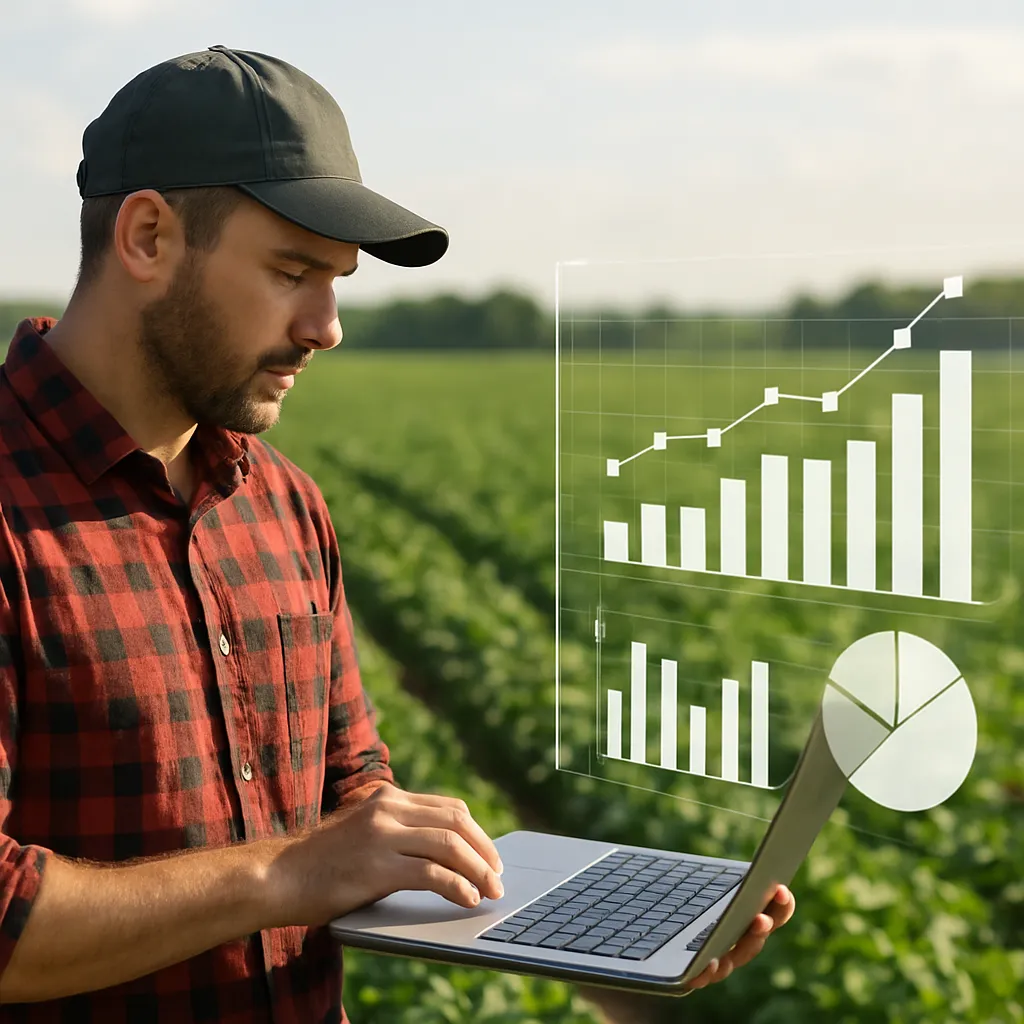



In the evolving agricultural landscape, the integration of artificial intelligence is reshaping the way policymakers and planners approach resource allocation, risk management, and long-term development strategies. By leveraging advanced algorithms and vast datasets, governments and organizations can enhance precision in decision-making, respond to emerging challenges, and foster resilient food systems that benefit both producers and consumers.
Harnessing AI for Data-Driven Decision Making
Modern agricultural policy relies heavily on access to high-quality information. Through the deployment of AI-powered platforms, stakeholders can analyze complex variables—such as weather patterns, soil conditions, and market trends—in real time. These systems use machine learning models to identify correlations and generate actionable insights, enabling:
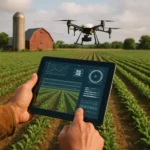
- Accurate crop yield forecasting based on satellite imagery and sensor data
- Dynamic risk assessment for pest outbreaks and disease spread
- Optimized allocation of government subsidies and grants
Such capabilities empower planners to make evidence-based recommendations, reducing waste and prioritizing investments in areas with the highest potential impact. The combination of remote sensing, Internet of Things (IoT) devices, and robust analytics creates a comprehensive picture of agricultural operations at national and regional scales.
Enhancing Sustainability Through Predictive Modeling
One of the most compelling benefits of AI lies in its ability to support sustainability goals. By modeling resource consumption and environmental impact, policymakers can develop strategies that balance productivity with conservation. For instance:
- Water management systems use neural networks to predict irrigation needs, preventing overuse and ensuring equitable distribution.
- Climate-smart agriculture initiatives integrate AI to recommend crop rotations and cover-cropping practices that maintain soil health.
- Carbon footprint tracking tools estimate greenhouse gas emissions from farming activities, guiding carbon credit programs and regulatory measures.
These applications contribute to holistic planning efforts, aligning agricultural production with national commitments under frameworks like the Paris Agreement. By instilling data-driven checks and incentives, governments can encourage farmers to adopt practices that enhance ecosystem services and mitigate environmental risk.
Integrating AI in Policy Frameworks
To realize the full potential of AI, it must be embedded within coherent policy frameworks that address technological, economic, and social dimensions. Key elements include:
- Governance models ensuring transparency, accountability, and ethical use of data
- Capacity-building initiatives for smallholder farmers to access and interpret AI-led recommendations
- Public–private partnerships that drive innovation while safeguarding public interests
Effective regulations need to strike a balance between fostering market competition among AI service providers and protecting sensitive agricultural data. Legislation should define standards for data sharing, privacy, and intellectual property, mitigating risks of misuse or exacerbation of existing inequalities.
Moreover, cross-sector collaboration is vital. Ministries of agriculture, environment, and technology must coordinate their efforts to avoid siloed approaches. Aligning strategies with broader socio-economic objectives—such as rural development, food security, and climate resilience—ensures that AI interventions produce widespread benefits.
Challenges and Future Prospects
Despite the promise of AI, several obstacles hinder its widespread adoption in agricultural policy and planning. Key challenges include:
- Limited infrastructure in remote or under-resourced regions, affecting access to high-speed internet and computing power
- Data fragmentation across institutions, resulting in interoperability issues and inconsistent datasets
- Skill gaps among policymakers, planners, and farmers who may lack training in AI methodologies
Addressing these hurdles requires concerted efforts to enhance digital scalability and foster inclusive education programs. Investment in rural broadband, edge computing, and open data platforms can bridge technological divides. At the same time, targeted workshops and certification courses can equip stakeholders with the knowledge needed to interpret AI outputs and integrate them into day-to-day operations.
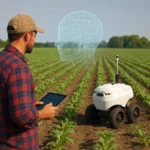
Looking ahead, the integration of AI with emerging technologies—such as blockchain for traceability and robotics for automated field tasks—will unlock new dimensions of efficiency and reliability. AI-driven decision-support tools will become increasingly sophisticated, incorporating real-time feedback loops that adapt policies as conditions evolve. This dynamic approach will cultivate a more resilient agricultural sector capable of withstanding climate shocks, market volatility, and shifting consumer demands.
By embedding optimization principles at the heart of policy design, planners can foster equitable growth, bolster food security, and promote sustainable land use. The journey toward intelligent agriculture is not without its complexities, but with strategic collaboration and a commitment to responsible innovation, AI can serve as a transformative force in shaping the future of farming worldwide.