


The convergence of 21st-century technologies has ushered in a transformative era for modern farming. Harnessing the power of edge computing combined with AI offers unprecedented capabilities to optimize crop yields, minimize resource waste, and empower farmers operating in the most remote regions. This exploration delves into how these advancements reshape the future of agriculture, spotlighting the practical applications, enabling technologies, and strategic benefits that make remarkable feats possible on farms located miles away from traditional infrastructures.
Integrating Edge AI in Agricultural Operations
Traditional precision farming relies heavily on centralized cloud platforms for data analysis, which can suffer from latency and intermittent connectivity in distant fields. By shifting computation closer to the source—right at the sensor node or field gateway—edge AI delivers real-time insights that drive critical decisions. Farmers can deploy smart nodes equipped with machine learning models to handle image recognition, anomaly detection, and predictive maintenance without round-trip delays.
Key applications include:
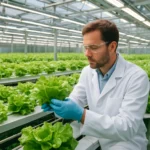
- Crop Health Monitoring: High-resolution cameras and multispectral sensors running on edge devices detect early signs of disease, nutrient deficiencies, or pest infestations. On-device algorithms analyze leaf patterns and soil moisture, alerting farm managers within seconds.
- Automated Irrigation Control: Weather forecasts, soil sensors, and satellite feeds converge via edge units to create adaptive irrigation schedules that conserve water and boost yield quality.
- Livestock Management: Wearable trackers and RFID-enabled feeders connected through local gateways analyze animal activity, feeding behavior, and health indicators, enabling precision nutrition plans and prompt veterinary interventions.
By minimizing data transmission to distant servers, bandwidth requirements drop, operational efficiency rises, and energy consumption is curtailed—critical in off-grid settings where every watt and byte counts.
Key Technologies Empowering Remote Farms
Several innovations converge to make edge AI a practical reality for isolated agricultural sites:
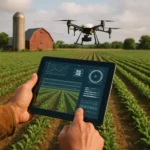
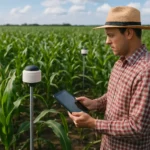
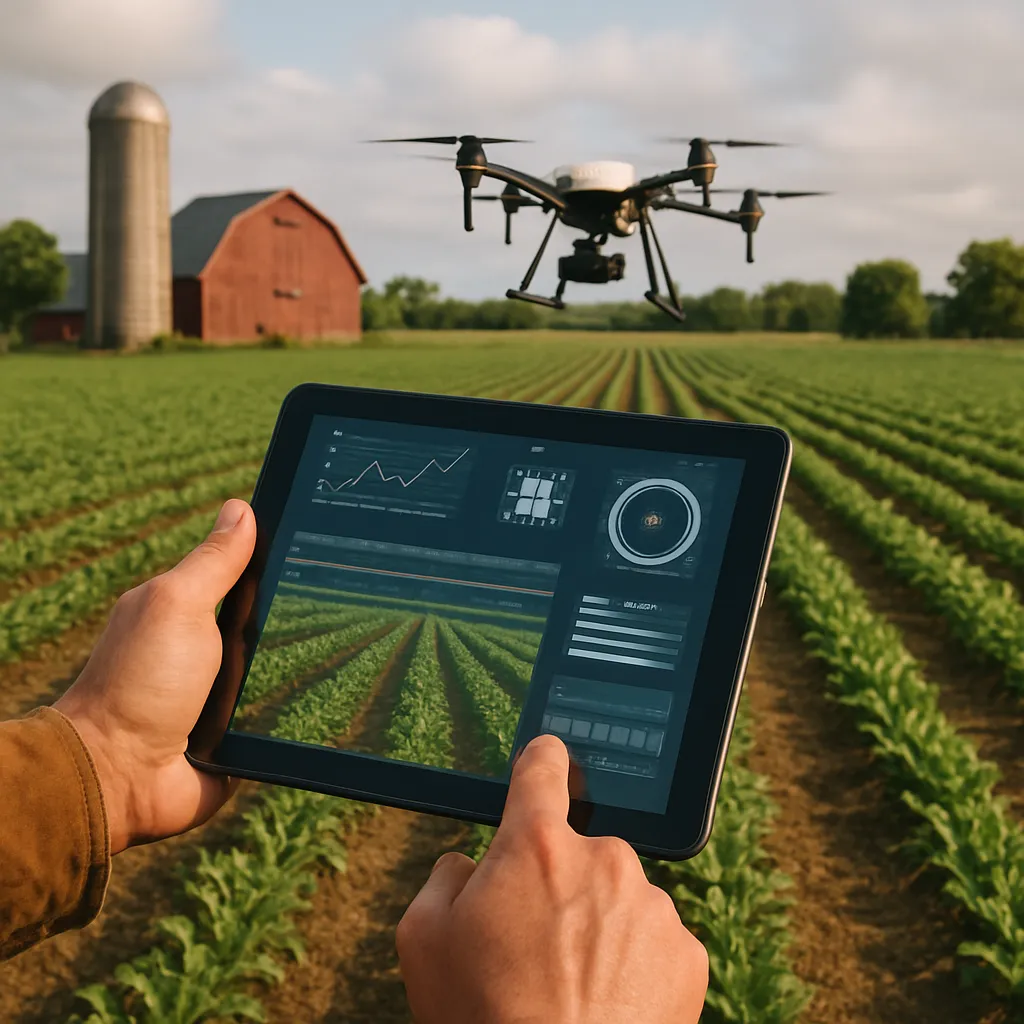
- Sensors and IoT Nodes: Advanced soil probes, environmental arrays, and drone-mounted cameras feed continuous streams of data into local processing hubs.
- Low-Power Microcontrollers: Embedded AI accelerators execute deep learning models at milliwatt power levels, ensuring prolonged field operation on solar or battery power.
- Mesh Networking and LPWAN: Protocols such as LoRaWAN and Zigbee create resilient, low-bandwidth networks that bridge vast farm plots without relying on cellular towers.
- On-Device Analytics: Compressed neural networks and federated learning frameworks allow models to evolve based on localized data, while preserving privacy and reducing cloud dependence.
- Satellite and UAV Backhaul: When local links falter, unmanned aerial vehicles or microsatellites ferry aggregated data to central servers for aggregation and long-term trend analysis.
These building blocks foster a modular approach, enabling farms to deploy incremental upgrades—swapping in new sensors, boosting computing power, or extending network range—without overhauling entire systems.
Operational Benefits and Farm-Level Impacts
The synergy between edge computing and AI delivers tangible advantages that resonate with agribusiness goals and sustainability targets alike:
- Resilience: By processing critical alerts locally, farms remain operational even during prolonged internet outages or extreme weather disruptions.
- Rapid Response: Automated actuators can adjust nutrient dosing, pesticide deployment, or greenhouse ventilation within seconds of detecting anomalies.
- Cost Savings: Reducing data transmission fees and extending equipment lifespans through predictive maintenance cuts long-term expenditures.
- Environmental Stewardship: Precise resource application curtails chemical runoff and optimizes water consumption, aligning with global sustainability initiatives.
- Scalability: As farms expand or diversify into new crops, existing edge infrastructures adapt quickly by loading novel AI models relevant to changing agronomic needs.
Challenges and Strategies for Implementation
Despite compelling benefits, deploying edge AI in remote farm locations presents specific hurdles:
- Model Update Logistics: Ensuring field devices receive updated algorithms requires robust over‐the‐air deployment schemes that tolerate low or unreliable connectivity.
- Hardware Durability: Edge nodes must withstand dust, moisture, and temperature extremes. Ruggedized enclosures and conformal coatings become essential design considerations.
- Data Standardization: Harmonizing formats across sensor vendors is necessary to prevent integration bottlenecks and ensure interoperability within heterogeneous environments.
- Local Expertise: Rural areas may lack specialized technicians, necessitating user-friendly interfaces, remote support systems, and intuitive diagnostics to minimize downtime.
Effective rollout strategies include modular pilot programs, partnerships with agricultural co-ops for resource sharing, and leveraging open-source platforms to accelerate customization. Training sessions and localized documentation equip farmers with the confidence to maintain and troubleshoot edge systems autonomously.
Emerging Trends and Future Prospects
Looking ahead, several frontier developments promise to further democratize edge AI for agriculture:
Federated Learning Networks
Collaborative learning across dispersed farms will refine predictive models without centralizing sensitive data. Shared insights on pest outbreaks or market dynamics will emerge from anonymized, aggregated edge contributions.
AI-Driven Robotics Integration
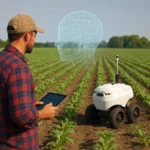
Autonomous tractors and drones embedded with edge intelligence will execute tasks such as precision weeding, targeted pollination, and real-time yield mapping—creating closed-loop agroecosystems that self-optimize daily operations.
Energy Harvesting Innovations
Next-generation solar skins and vibration-based energy harvesters will sustain sensor networks indefinitely, erasing the burden of battery replacements and enabling true zero-maintenance deployments.
Collectively, these advancements will elevate remote farms from resource-limited outposts to highly efficient, self-governing production centers. The fusion of edge computing and AI stands poised to redefine what is possible in the world’s most isolated agricultural frontiers, driving food security and environmental resilience for generations to come.