


Implementing advanced analytical methods on farmland can revolutionize the way producers maximize returns and preserve natural resources. By leveraging a blend of cutting-edge sensors, robust machine learning algorithms, and real-time monitoring tools, farmers can gain critical insights into every aspect of their operations. As global demand for food rises, harnessing the power of data to drive sustainable gains in crop yield and operational efficiency has never been more crucial.
Understanding Data Science in Agriculture
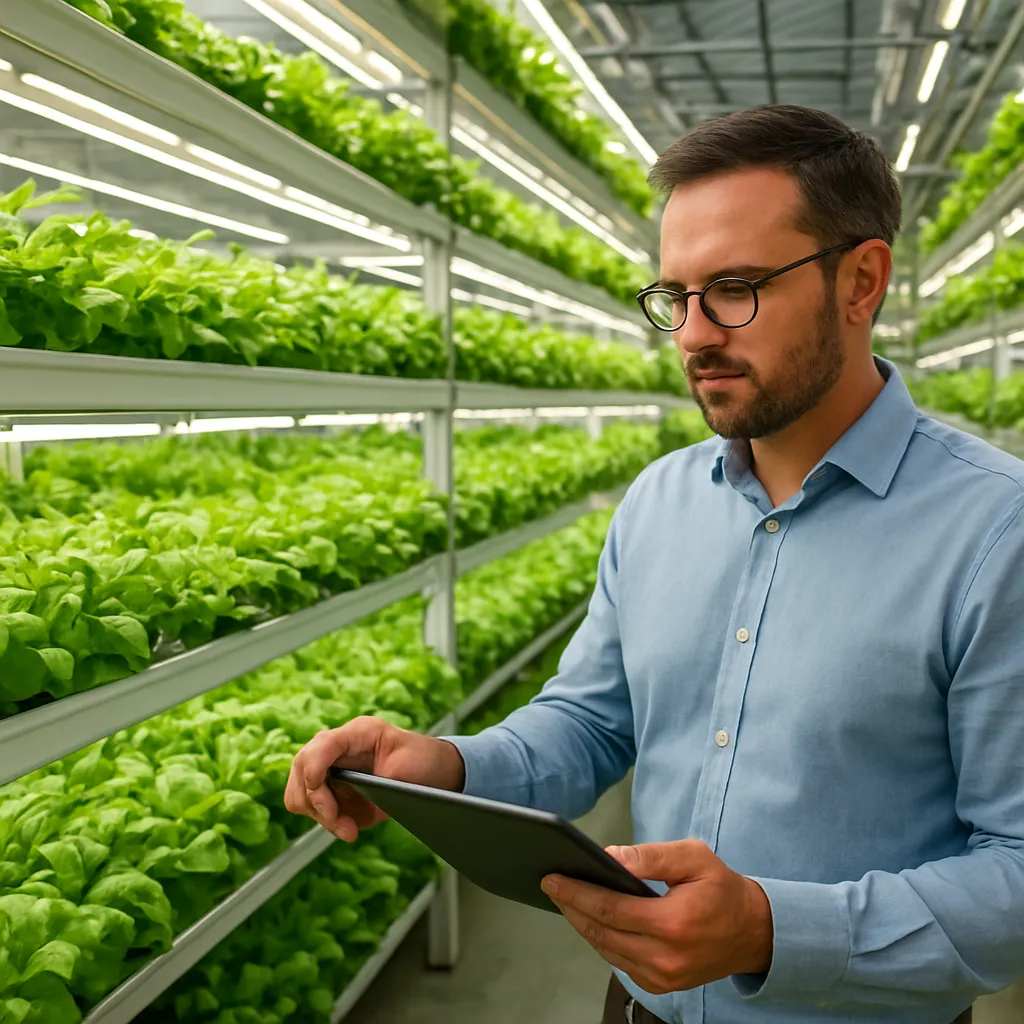
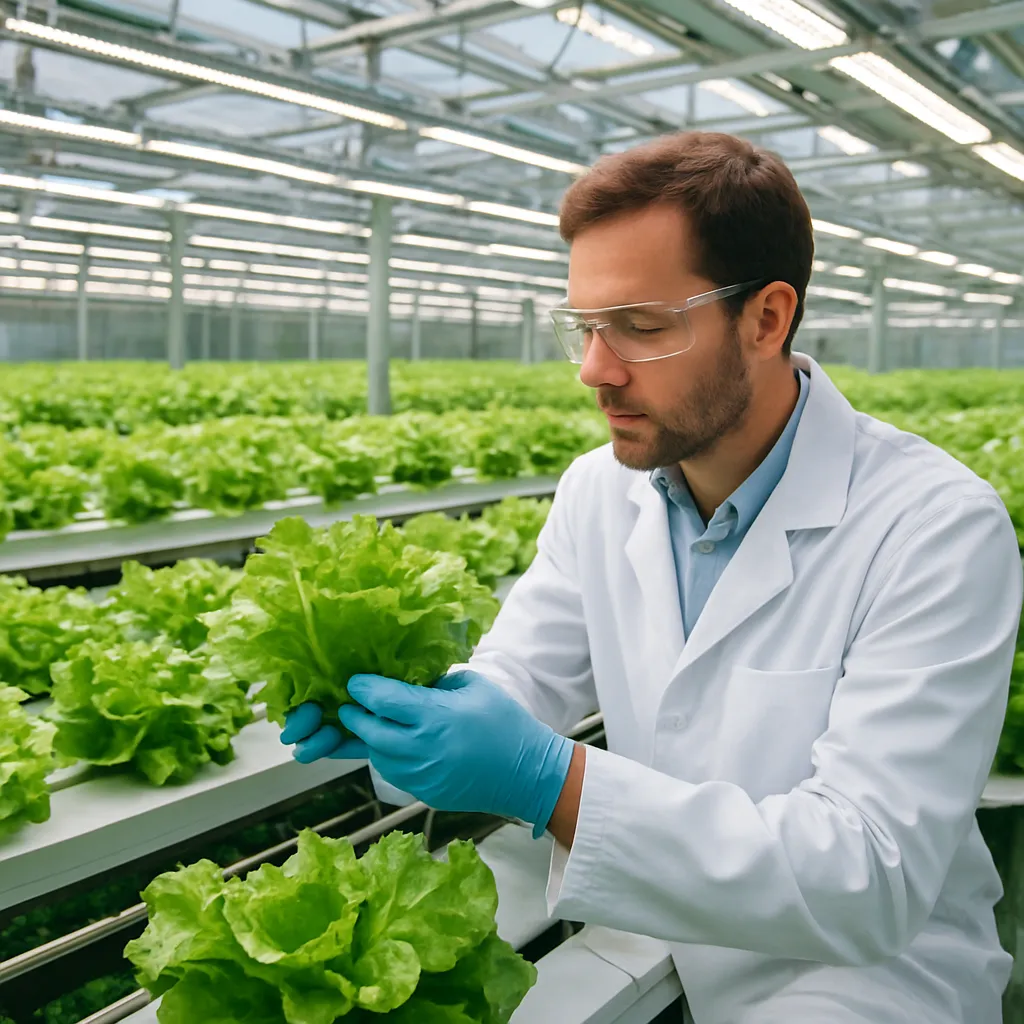
Data science merges statistical techniques, computational power, and domain expertise to extract actionable knowledge from large datasets. In the realm of agriculture, these datasets might include soil chemistry profiles, weather station logs, satellite imagery, and machinery telemetry. The fusion of these diverse sources allows for a holistic view of farm performance, unlocking opportunities to optimize inputs and boost profitability.
Core Components of Agricultural Data Science
- Sensor networks deployed across fields to measure moisture, temperature, and nutrient levels.
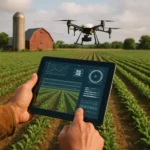
- Remote sensing via drones or satellites to monitor crop health and detect early signs of stress.
- Data warehouses that store historical and real-time records for rapid querying and analysis.
- Advanced analytics platforms running predictive algorithms to forecast growth patterns and disease outbreaks.
- Visualization dashboards that present complex findings in user-friendly formats for managers and agronomists.
Key Benefits of a Data-Driven Approach
- Enhanced decision-making speed and accuracy.
- Minimized waste of seeds, water, and fertilizer.
- Proactive detection of pests and pathogens before they spread.
- Improved long-term sustainability by balancing inputs with environmental impact.
Precision Farming Technologies
Precision farming integrates location-specific management to treat each part of the field according to its unique requirements. This approach relies on precise geospatial mapping, variable-rate applicators, and predictive models to ensure resources are deployed only where needed. By tailoring practices at a granular level, farmers can conserve resources and maximize output.
Variable Rate Technology (VRT)
Variable Rate Technology equips tractors and sprayers with the ability to adjust seeding rates, irrigation volumes, and chemical applications on the go. Connected to a central database of field maps and predictive models, VRT systems modulate inputs in real time. This dynamic control reduces costs and enhances uniform crop development across variable terrains.
Autonomous Machinery and Robotics
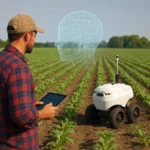
Emerging robotics platforms are transforming tedious tasks such as weeding, harvesting, and soil sampling. Automated vehicles follow preprogrammed routes guided by GPS and computer vision, ensuring precise navigation through planting rows. Integrating robots with data pipelines allows continuous feedback loops, improving optimization algorithms as more performance data is collected.
Data-Driven Decision Making
Farm managers armed with timely and accurate data can make smarter decisions regarding planting schedules, irrigation planning, and market timing. A robust decision support system (DSS) combines a variety of inputs—local weather forecasts, long-term climate models, and real-time field sensors—to generate customized recommendations for each unique farm scenario.
Yield Forecasting Models
By training machine learning models on historical yield records, soil characteristics, and climate trends, agronomists can predict upcoming harvest volumes with remarkable precision. These forecasts enable producers to negotiate better contracts with buyers and optimize logistics for storage and transportation.
Risk Management and Crop Insurance
Data science also underpins more sophisticated risk assessment frameworks. Advanced predictive analytics can simulate potential weather disasters, pest outbreaks, or price fluctuations, allowing farmers to secure tailored insurance coverage that aligns with their risk profile. This financial resilience encourages investment in innovative technologies and reduces vulnerability to external shocks.
Case Studies: Success Stories
Across the globe, pioneering growers have demonstrated the transformative potential of data science in agriculture. Examining these real-world examples illuminates best practices and inspires adoption on a broader scale.
Midwestern Corn Farm Uses Real-Time Monitoring
A large-scale operation in the American Midwest fitted its planters with moisture and nutrient sensors. By integrating sensor feeds with a cloud-based analytics engine, the farm was able to adjust irrigation schedules dynamically. Over two growing seasons, inputs were reduced by 20% while yields climbed by 12%, directly boosting net margins.
Vineyard Implements Drone-Based Disease Detection
An award-winning winery in Europe deployed autonomous drones equipped with multispectral cameras. The drones surveyed each block weekly, transmitting high-resolution imagery to a central DSS. Early detection of fungal infections allowed targeted spray applications, slashing chemical use and improving overall grape quality, leading to higher auction prices.
Rice Cooperative Leverages Blockchain and IoT
In Southeast Asia, a cooperative of smallholder rice farmers embraced an algorithm-driven platform linking Internet of Things (IoT) sensors to a blockchain ledger. This integration ensured secure traceability from planting to sale. Buyers paid premiums for verified quality, raising member incomes and reinforcing sustainable practices across the region.
Challenges and Future Directions
Despite compelling results, several obstacles remain on the path to widespread data adoption in agriculture:
- High initial costs for sensor networks and analytics platforms.
- Lack of technical expertise in rural communities.
- Data interoperability issues among different equipment manufacturers.
- Concerns around data privacy and ownership.
Addressing these challenges will require coordinated efforts among technology providers, policymakers, and agricultural extension services. Continued investment in farmer education and collaborative R&D projects can drive down costs and build the necessary skillsets.
Building a Sustainable, Profitable Future
As the global population approaches 10 billion, the pressure to produce more with less will intensify. Data science offers a powerful toolkit to meet this challenge, blending advanced computing power with ecological stewardship. By embracing precision farming, robust analytics, and automated technologies, growers can achieve unprecedented levels of productivity while conserving precious resources. The farms that succeed in tomorrow’s marketplace will be those that harness the full potential of data to ensure long-term sustainability and economic resilience.