

Regenerative farming represents a paradigm shift in agriculture, emphasizing the restoration of ecosystems while boosting productivity. By harnessing biotechnology innovations, modern farmers can accelerate natural processes that rebuild soil health and enhance crop resilience. This article explores the intersection of advanced genetic tools, microbial partnerships, and data-driven methodologies in shaping the future of sustainable agriculture.
Integrating Gene Editing for Enhanced Crop Performance
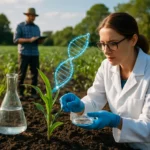
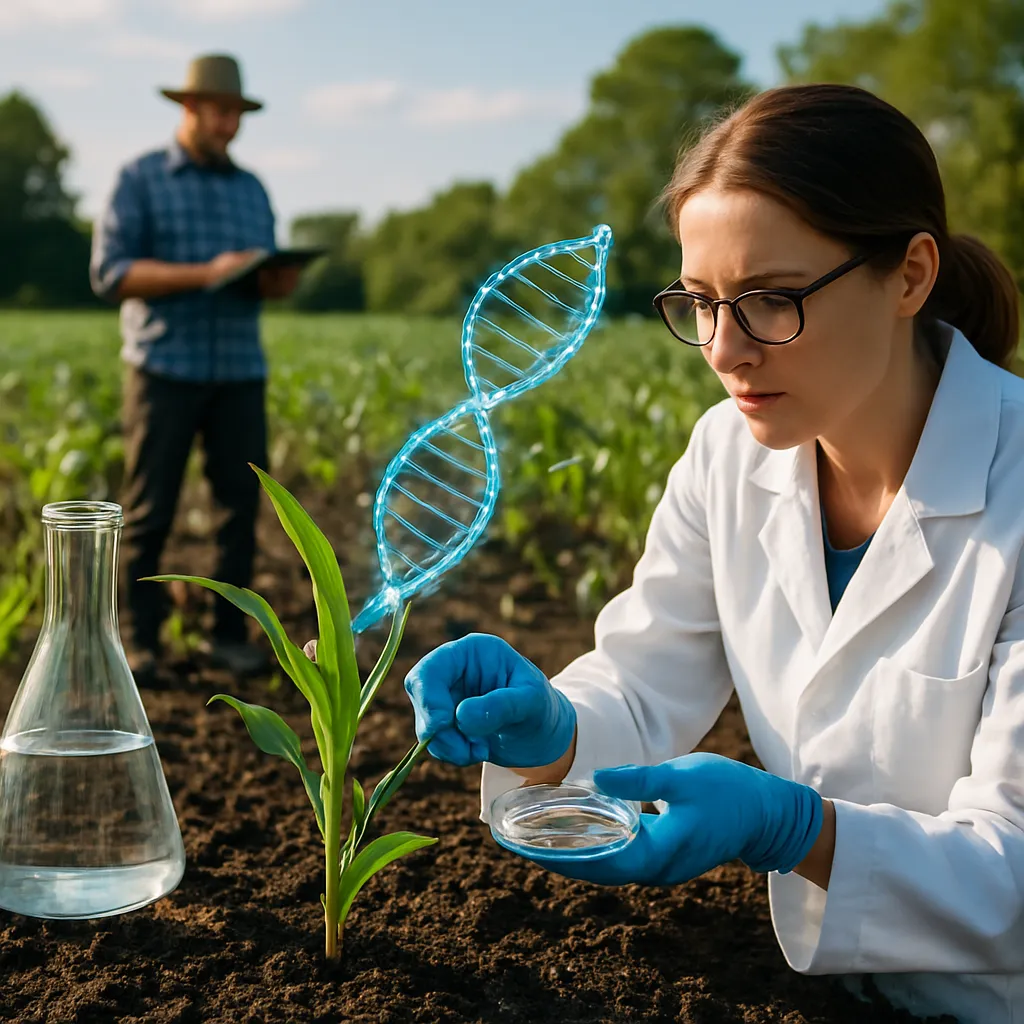
The advent of precise gene editing platforms such as CRISPR-Cas9 has unlocked new possibilities for tailoring crops to diverse environments. Rather than relying solely on traditional breeding, researchers can directly modify genetic sequences to improve stress tolerance, nutrient use efficiency, and pest resistance. Key achievements include:
- Engineering drought-tolerant varieties that maintain high yield under water scarcity conditions.
- Introducing disease-resistant traits to reduce dependency on chemical inputs.
- Optimizing root architecture genes to increase water and nutrient uptake.
These advances not only bolster productivity but also minimize environmental footprints by curbing fertilizer and pesticide use. As regulatory frameworks evolve, gene-edited crops will play an increasingly vital role in restorative agricultural systems.
Microbial Innovations in Soil Rejuvenation
Harnessing Beneficial Microbiomes
Healthy soils teem with a diverse array of microorganisms that cycle nutrients, suppress pathogens, and promote plant growth. Biotechnology enables the formulation of tailored microbial consortia that can jump-start degraded soils and maintain ecosystem balance. Notable strategies include:
- Biofertilizers enriched with nitrogen-fixing bacteria to reduce reliance on synthetic fertilizers.
- Mycorrhizal inoculants that enhance phosphorus acquisition and improve soil structure.
- Biocontrol agents targeting root pathogens to foster natural disease suppression.
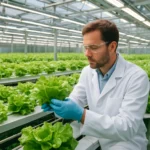
Field trials have demonstrated sustained improvements in biodiversity and organic matter content, leading to long-term enhancement of productivity. By partnering with native soil inhabitants, biotech solutions pave the way for robust, self-sustaining farmlands.
Precision Agriculture and Data-Driven Sustainability
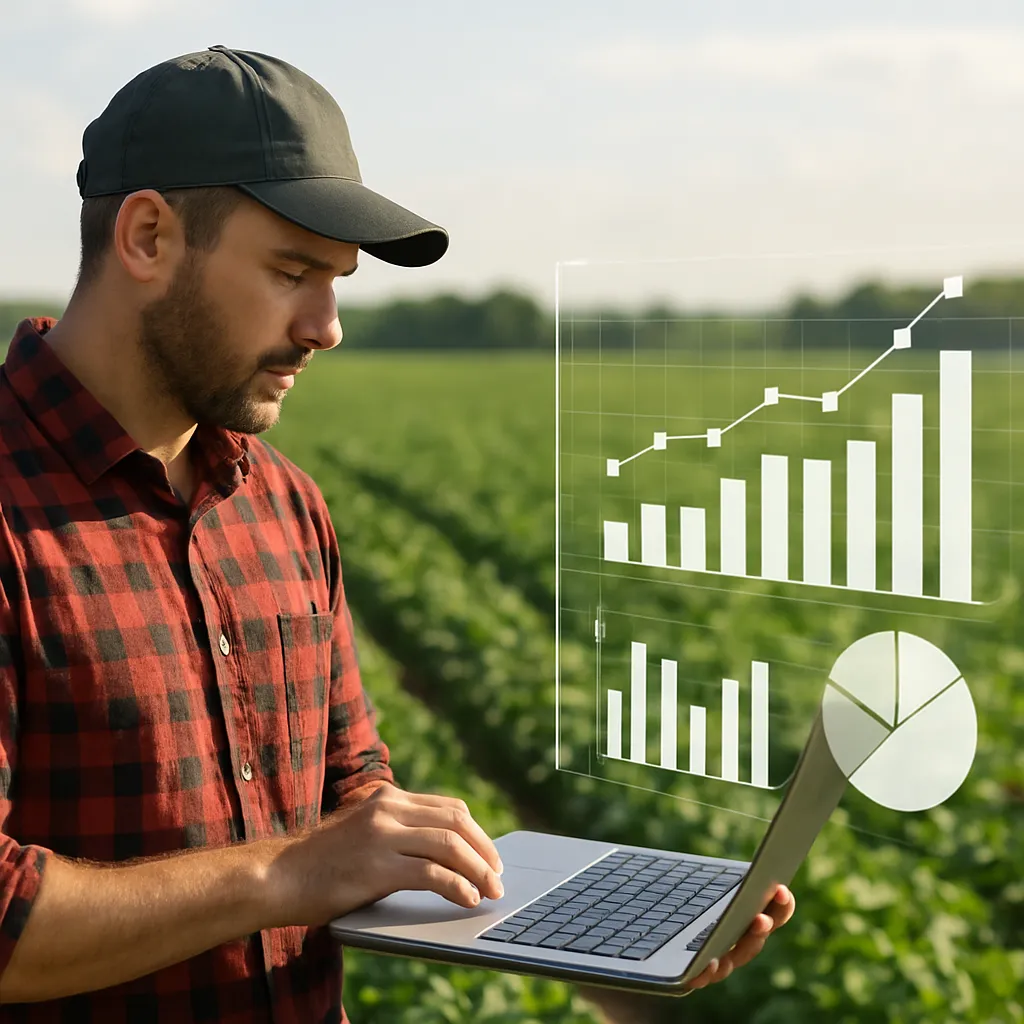
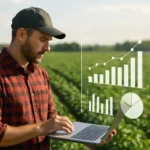
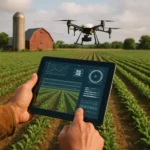
Integrating sensors, drones, and AI-powered analytics allows farmers to apply inputs only where and when they are needed most. This precision approach reduces waste, lowers costs, and protects natural resources. Key components of this system include:
- Soil moisture and nutrient sensors that deliver real-time data for targeted irrigation and fertilization.
- Unmanned aerial vehicles equipped with multispectral cameras to monitor crop health, pest outbreaks, and canopy vigor.
- Machine learning algorithms that predict disease pressure and recommend timely interventions.
By combining these tools with biotechnological inputs such as customized bio-stimulants, regenerative farmers can fine-tune their management plans to maximize output while safeguarding environmental integrity.
Synthetic Biology Meets Carbon Sequestration
Engineering Plants for Climate Mitigation
One of the greatest promises of next-generation biotechnology is the capacity to bolster carbon sequestration through tailored plant-microbe partnerships. Synthetic biology techniques allow developers to:
- Enhance root exudate profiles to attract carbon-storing microbes and accelerate soil organic matter formation.
- Modify lignin content to make plant residues more resistant to decomposition, locking carbon underground for longer periods.
- Create algae-based biochar feedstocks that amplify soil carbon retention.
Such innovations have the potential to transform farms into net carbon sinks, contributing to climate change mitigation while preserving agricultural productivity. Early demonstrations show that biodesigned cover crops and intercropping systems can significantly increase total ecosystem carbon pools within a few growing seasons.
Building Resilient Agrisystems through Crop Diversification
Biotechnology supports the revival of ancient grains, heirloom varieties, and underutilized species by improving their agronomic traits without sacrificing genetic diversity. Strategies include:
- Genome-wide association studies to identify genes for stress tolerance in traditional landraces.
- High-throughput phenotyping platforms that accelerate the selection of elite cultivars suited for regenerative rotations.
- Marker-assisted selection to integrate desirable traits rapidly while maintaining the cultural heritage of diverse crops.
This multifaceted approach strengthens the overall system against climatic shocks, pest invasions, and market fluctuations, fostering a secure food supply that thrives on ecological complexity.
Connecting Farmers with Cutting-Edge Biotech Tools
Successful adoption of regenerative biotechnology depends on accessible delivery systems and collaborative knowledge networks:
- Mobile labs and on-farm pilot units that demonstrate the efficacy of bio-based products under local conditions.
- Digital platforms that share real-time data, protocols, and best practices across farming communities.
- Public-private partnerships to subsidize initial investments and facilitate scaling of novel technologies.
By bridging the gap between innovation hubs and field practitioners, these initiatives empower farmers to experiment with low-risk trials, fostering a culture of continuous improvement and stewardship.
Challenges and Future Directions
Navigating Regulatory and Societal Landscapes
Despite the promise of biotechnological solutions, several hurdles remain:
- Complex regulatory frameworks that vary by region and may delay field deployment.
- Public perception issues surrounding genetic modification and synthetic biology.
- Infrastructure gaps in developing countries that limit access to advanced tools.
Addressing these challenges requires transparent communication, robust safety assessments, and capacity-building programs. Looking ahead, integrated systems combining biological, mechanical, and digital innovations will redefine the boundaries of what is possible in regenerative agriculture.