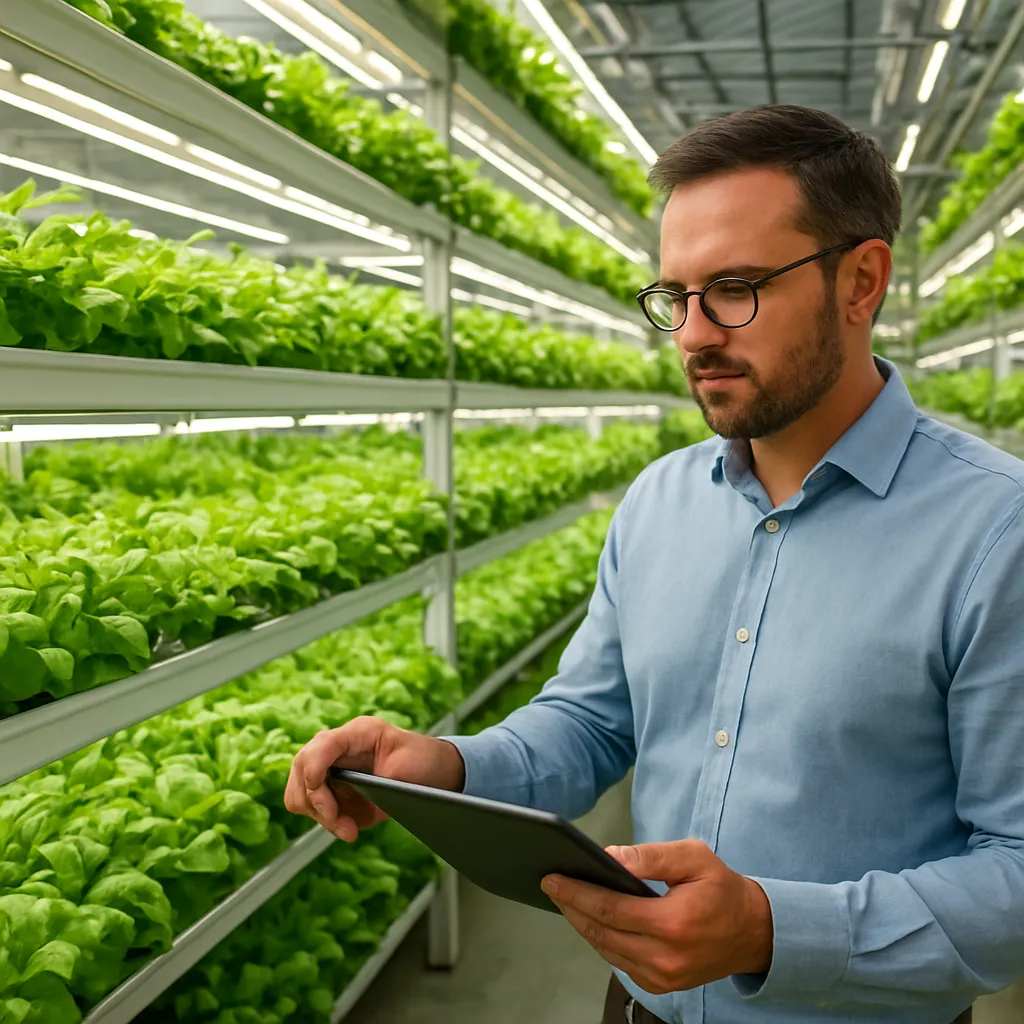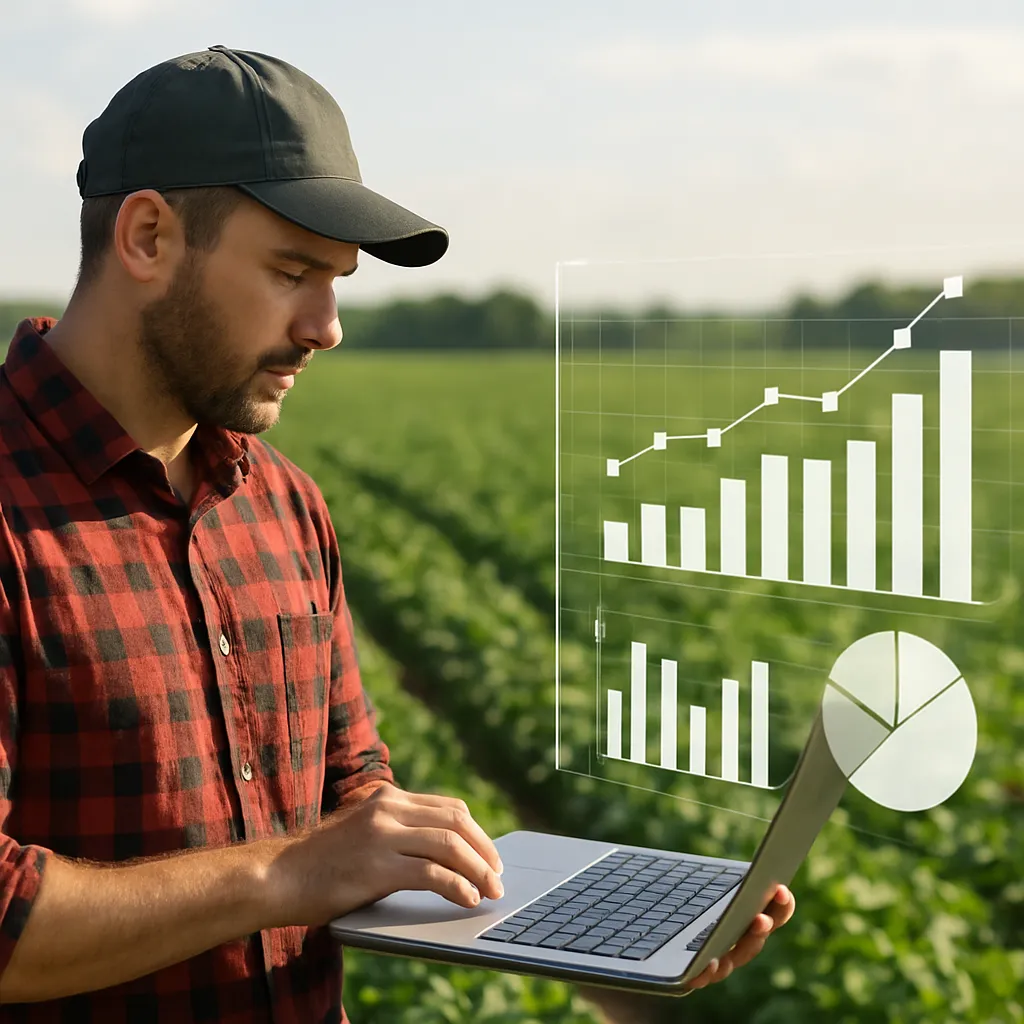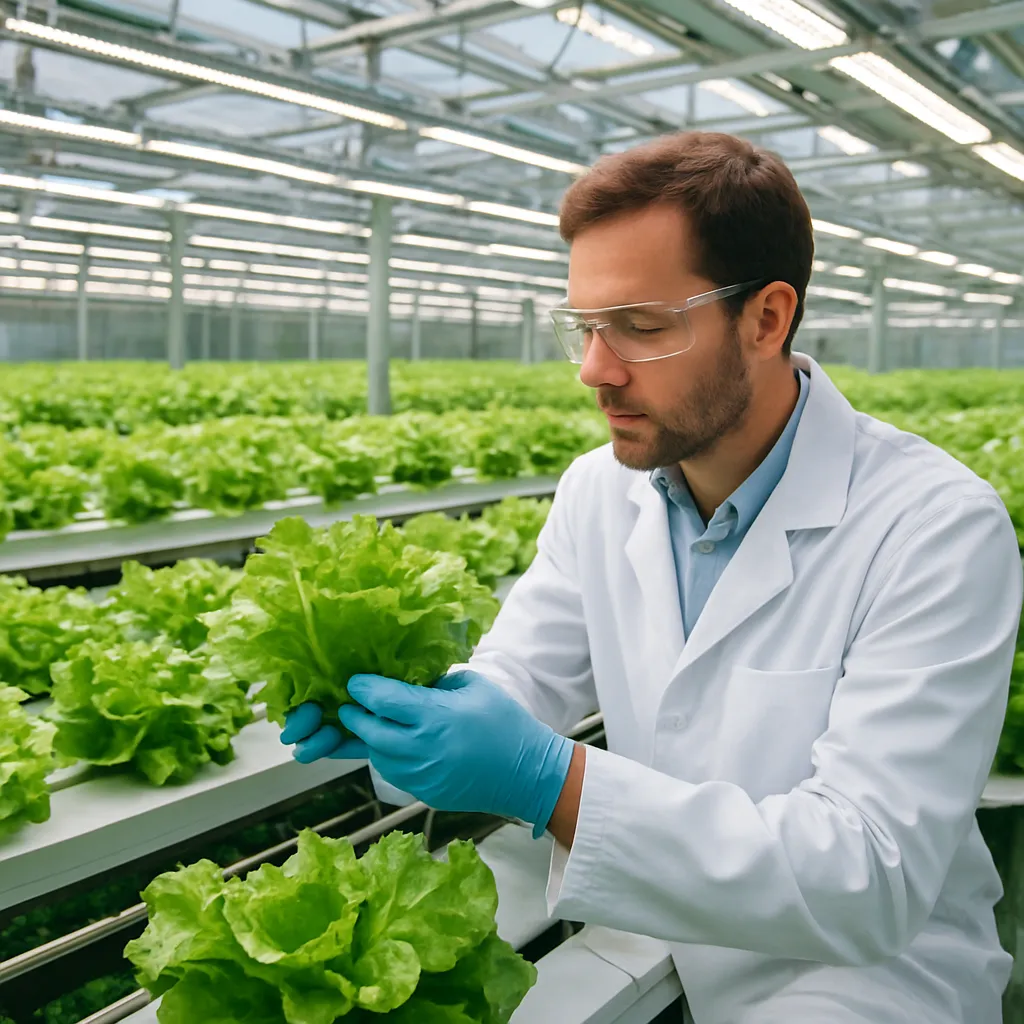



Innovations in agriculture are reshaping farm operations by leveraging massive datasets to drive smarter decision-making. Through the integration of precision technologies and robust data pipelines, growers can unlock unprecedented levels of efficiency and resource management. From field-level monitoring to enterprise-scale dashboards, the union of hardware, software, and advanced analytics is creating a new paradigm in which every drop of water, ounce of fertilizer, and hour of labor is optimized for maximum return.
Harnessing Data Collection Technologies
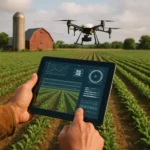
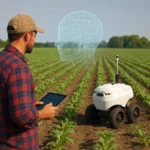
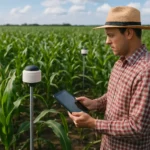
At the heart of modern farming lies an intricate network of Internet of Things (IoT) devices and remote sensing platforms. Soil probes, weather stations, drones, and satellite imagery work together to provide constant streams of environmental readings. These devices generate real-time information on temperature, moisture, nutrient levels, and crop health. Farmers using autonomous tractors and robotic harvesters can further enrich data repositories by capturing operational telemetry, planting depths, and harvest yields on a per-row basis.
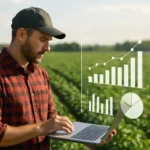
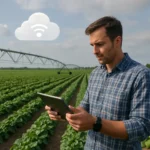
By consolidating these diverse inputs into a unified architecture, operations teams gain immediate insights into emerging issues—whether it’s a developing drought stress zone or a pest outbreak. Mobile apps and cloud-based dashboards visualize this wealth of information, enabling agronomists and field managers to take targeted action. The result is a move away from calendar-based schedules toward dynamic, condition-driven protocols that adapt to real-world variability.
Network Infrastructure and Connectivity
Reliable connectivity is a prerequisite for uninterrupted data flow. Farms often deploy a mix of cellular, LoRaWAN, and satellite links to ensure coverage across expansive fields. Edge computing nodes preprocess data to filter noise and reduce bandwidth costs. When a soil moisture sensor detects values below crop thresholds, local controllers can trigger irrigation systems within milliseconds, exemplifying a data-driven control loop in action.
- LoRaWAN gateways covering tens of kilometers
- AI-powered edge boxes for anomaly detection
- Redundant links for mission-critical uplink
Implementing Predictive Analytics for Yield Improvement
Advanced machine learning models translate raw signals into actionable forecasts. By correlating historical harvest records with current sensor readings and weather projections, predictive algorithms can estimate end-of-season yield down to individual field sections. This empowers growers to allocate workforce and machinery in alignment with expected productivity, minimizing idle time and transportation waste.
Data scientists use ensemble learning techniques—combining decision trees, neural networks, and gradient boosting—to refine predictions as the season unfolds. Early detection of nutrient deficiencies or disease pressure allows for precise interventions. For instance, variable-rate application systems adjust fertilizer deposition based on predictive maps, ensuring that each square meter receives exactly what it needs.
Crop Modeling and Scenario Planning
Scenario analysis tools simulate growth trajectories under different management scenarios, from irrigation schedules to planting densities. By running multiple configurations in silico, farmers can identify the optimal strategy before committing resources on the ground. This kind of virtual experimentation accelerates innovation, reducing the risk associated with trial-and-error field trials.
- Simulation of drought versus adequate irrigation
- Comparison of hybrid crop varieties under heat stress
- Economic analysis of input costs versus projected returns
Enhancing Sustainability and Resource Management
Responsible stewardship of land and water is critical for long-term viability. Big Data approaches enable precise tracking of resource utilization, promoting sustainability across all farm activities. Water usage metrics combined with soil moisture trends inform deficit irrigation strategies, reducing consumption without sacrificing output.
Conservation tillage, crop rotation plans, and cover crop scheduling benefit from data-driven recommendations. By examining satellite-derived vegetation indices alongside field-level metrics, farmers can pinpoint areas requiring remediation, such as zones prone to erosion or nutrient runoff. Compliance reporting tools automatically generate logs for regulatory agencies, simplifying audits and certifications.
Carbon Footprint and Environmental Impact
Lifecycle assessment models integrate fuel usage, fertilizer production footprints, and on-farm emissions data to quantify carbon outputs. Armed with these analytics, producers can implement carbon credit programs or adopt renewable energy installations—solar arrays powering drip irrigation systems, for example. Systematic measurement and verification processes ensure transparency and credibility in sustainable agriculture initiatives.
Future Outlook and Scalability
The pace of innovation in agricultural Big Data shows no sign of slowing. Tomorrow’s fields will be even more connected, with robotic swarms performing tasks collaboratively and autonomous supply chains reacting in real-time to market signals. As artificial intelligence matures, models will become self-improving, continuously refining their performance through feedback loops that capture every harvesting cycle.
Interoperability standards and open data frameworks will help smallholder farms access the same advanced tools once reserved for conglomerates. Collaborative platforms will allow growers to pool data, unlocking region-wide analytics that address climate resilience, pest migration patterns, and emerging consumer trends. With a relentless focus on optimization and incremental gains, agriculture stands poised to feed a growing population while preserving the planet for generations to come.