

Controlled environment agriculture (CEA) represents a paradigm shift in modern farming, where every aspect of the growing process is finely tuned to maximize productivity and resource use. By harnessing cutting-edge technologies and scientific insights, growers can transcend traditional limitations, delivering high-quality produce year-round. This article delves into the remarkable advances that make CEA one of the most innovative frontiers in sustainability and explores how these breakthroughs address pressing global challenges such as food security and environmental resilience.
Environmental Control Systems and Energy Efficiency
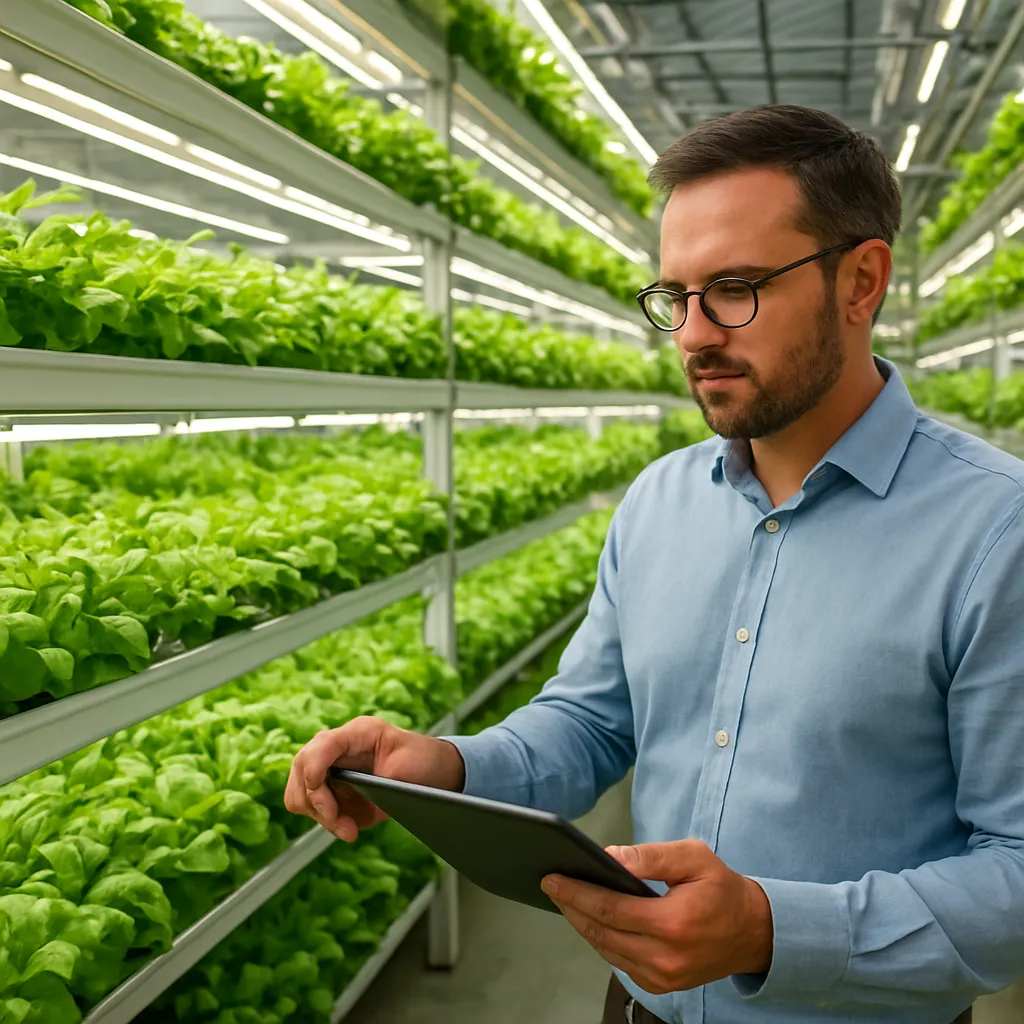
At the heart of any CEA facility lies a suite of integrated systems designed to regulate temperature, humidity, climate composition, and light intensity. Advanced heating, ventilation, and air conditioning (HVAC) units, often coupled with heat recovery modules, ensure that energy consumption remains minimal even as optimal growing conditions are maintained. LED lighting arrays provide highly tailored light spectra to support photosynthesis and plant development, while smart controllers adjust intensity and photoperiods based on real-time data.
Innovations such as phase-change materials and geothermal heat exchange can further reduce reliance on fossil fuels. By storing excess heat during peak production hours and releasing it when temperatures drop, these passive systems improve overall efficiency. Moreover, novel reflector designs and light diffusion panels help distribute photons more uniformly across plant canopies, boosting light-use efficiency and ensuring that every leaf receives the precise photon flux density it requires.
Soilless Cultivation Methods: Hydroponics, Aeroponics and Aquaponics
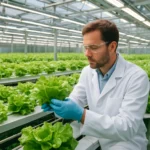
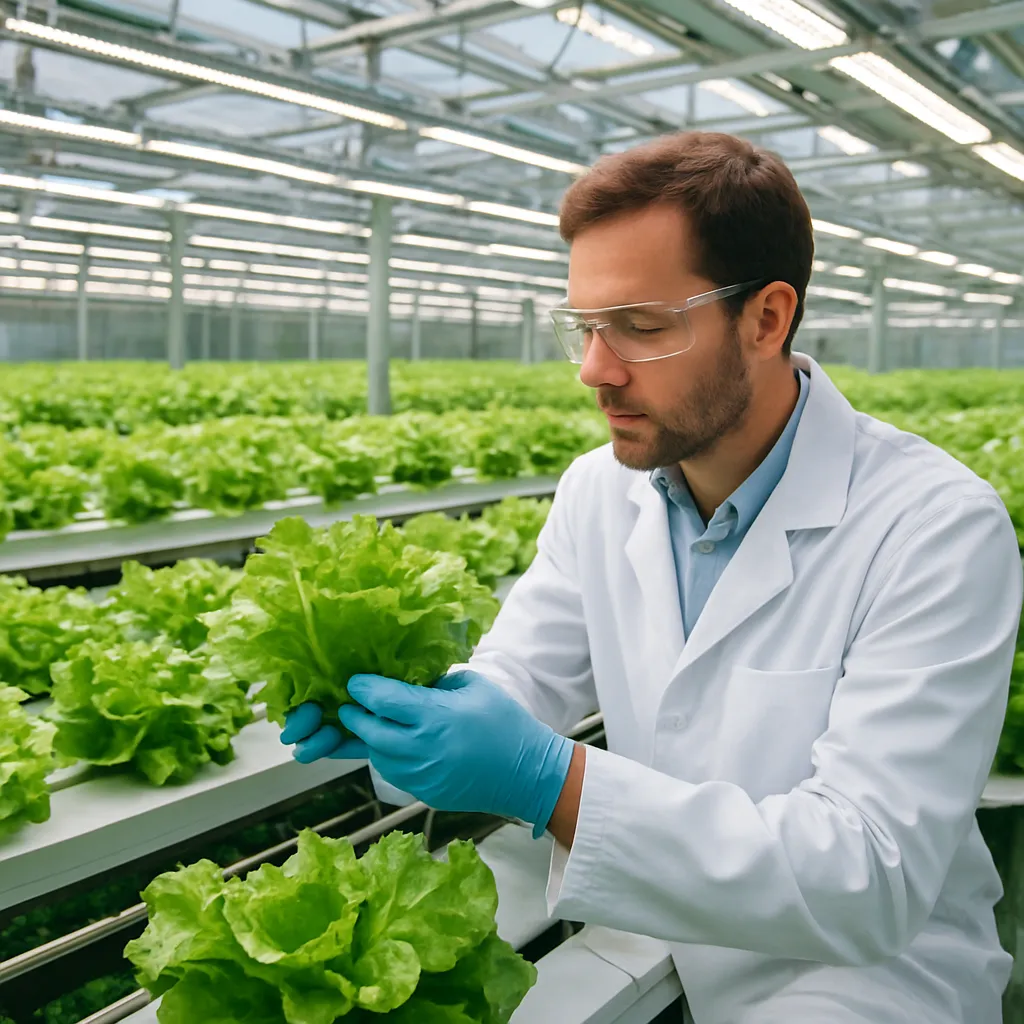
Soilless systems redefine how plants access essential nutrients. Hydroponics uses nutrient-enriched water solutions to deliver minerals directly to roots, eliminating the need for soil and drastically reducing water waste. In aeroponic setups, plant roots are suspended in air and misted periodically, enhancing oxygen availability and accelerating nutrient uptake. Aquaponics merges fish farming with hydroponics; fish waste supplies organic fertilizer to crops, while plants naturally filter and recycle water back to the aquaculture tanks.
- Hydroponics: Offers precise control over nutrient ratios and pH levels, leading to rapid growth cycles and higher yield.
- Aeroponics: Enables up to 90% water savings compared to conventional field agriculture, thanks to recirculating mist systems.
- Aquaponics: Creates a symbiotic ecosystem that reduces chemical fertilizer usage and preserves water resources.
Each method carries unique advantages and challenges. For instance, hydroponic nutrient solutions must be carefully monitored to prevent ionic imbalances, while aquaponics demands sophisticated biofilter designs to maintain healthy fish populations. Yet, the convergence of these soilless techniques continues to broaden the horizons for urban and rural producers alike.
Precision Monitoring: Sensors, AI, and Data-Driven Optimization
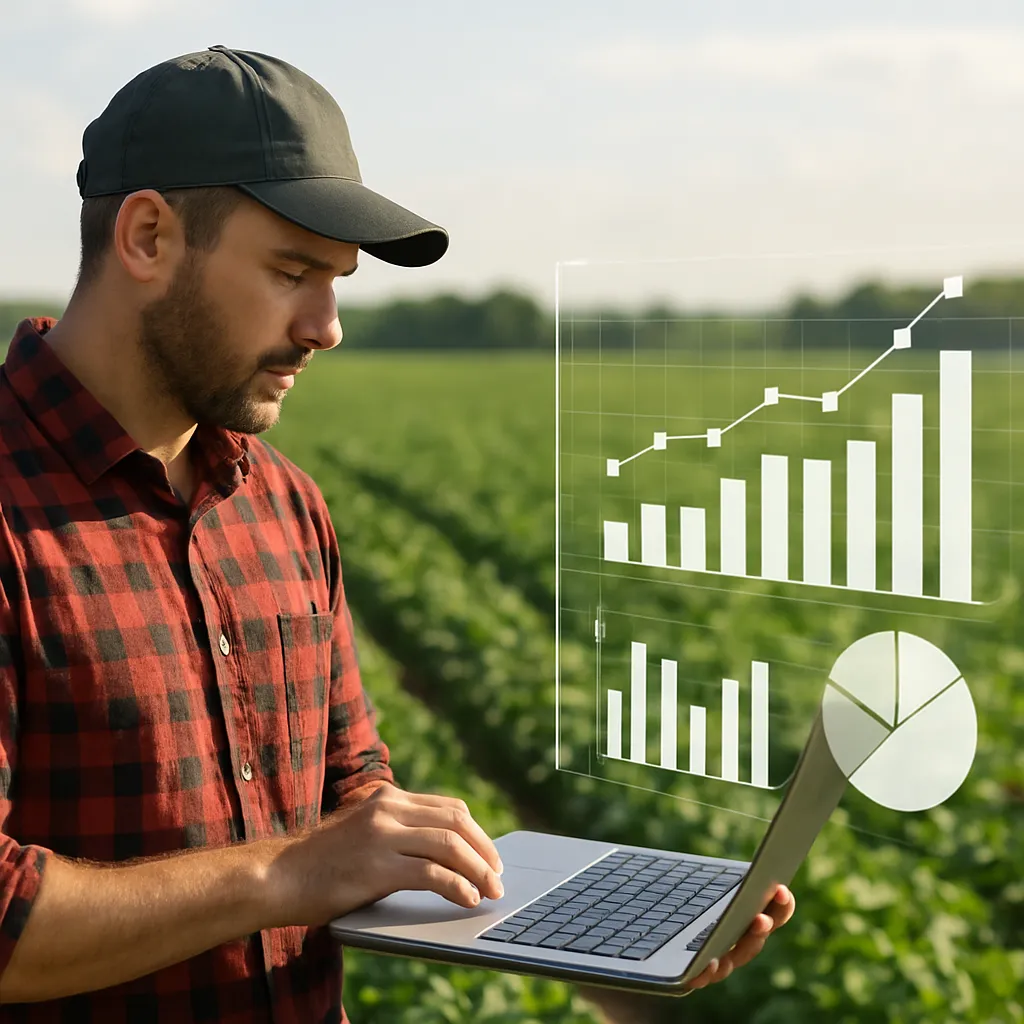
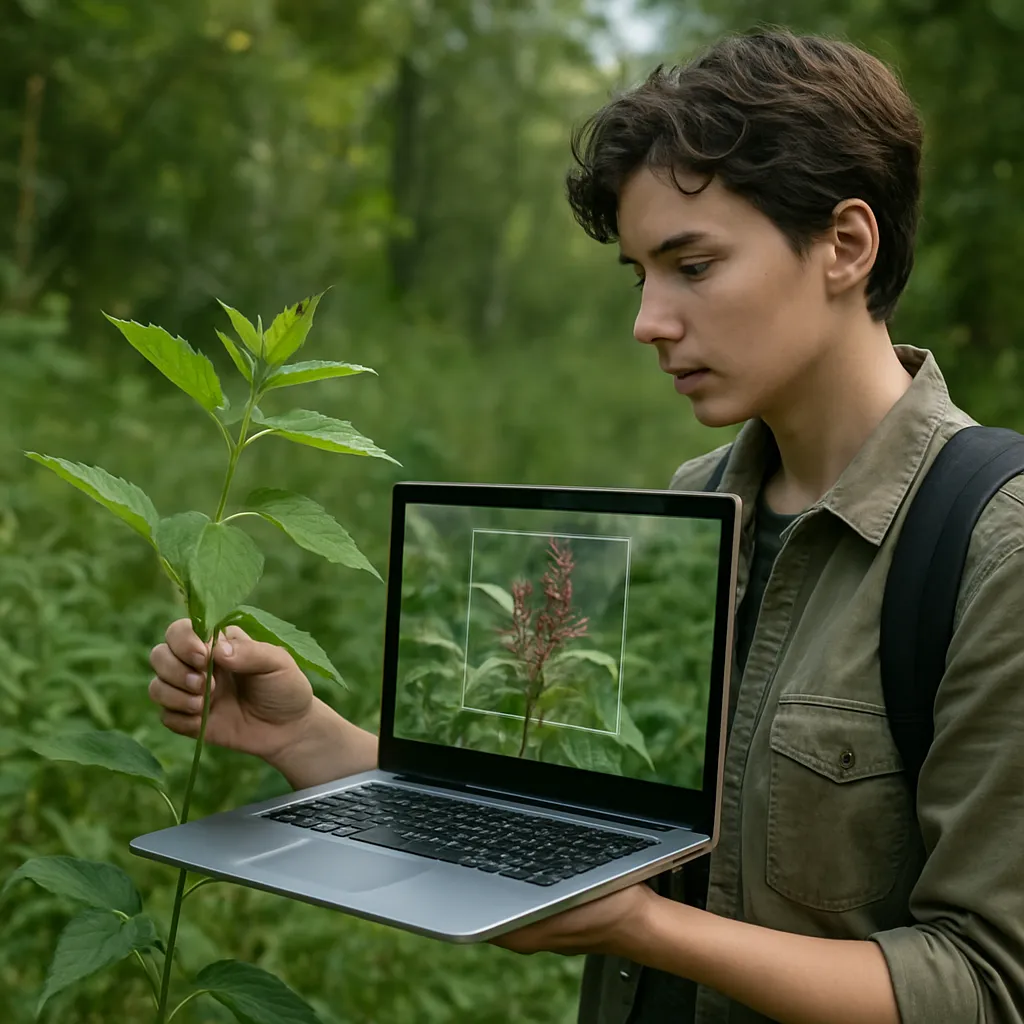
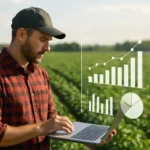
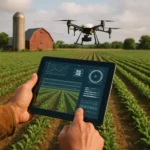
One of the most transformative aspects of CEA is the application of advanced sensing technologies and artificial intelligence. Multi-spectral cameras, leaf temperature sensors, and dissolved oxygen probes continuously feed data into cloud-based platforms. Machine learning algorithms then analyze trends to predict plant stress, identify disease outbreaks, and optimize irrigation schedules.
For example, by detecting early signs of water deficit or pest infestation, growers can intervene proactively, reducing crop losses and limiting pesticide use. Automated dosing pumps calibrate nutrient solutions in real time, adjusting recipes to match each growth stage. Robotics handle delicate tasks such as transplanting seedlings or harvesting fruit, ensuring labor-intensive operations meet rigorous quality standards while alleviating workforce shortages.
Such automation not only enhances productivity but also generates valuable datasets. Over time, this wealth of information enables continuous process refinement, unlocking new levels of productivity and consistency. The result is a highly optimized cropping environment where plants receive exactly what they need, when they need it.
Scaling Up: From Urban Farms to Vertical Skyscrapers
Urban agriculture has moved beyond rooftop greenhouses to occupy entire skyscraper complexes. Vertical farms stack multiple production layers, maximizing land-use efficiency and bringing food production closer to metropolitan consumers. This vertical approach reduces supply-chain distances, cutting transportation costs and lowering carbon footprints.
Designers are integrating CEA facilities into existing urban landscapes, transforming abandoned warehouses into food production hubs. In dense city centers, modular vertical farms can be installed in shipping containers, offering scalable solutions for local communities. These compact systems often feature closed-loop water recycling, renewable energy generation, and waste-to-resource technologies, such as composting organic residues to produce biofertilizers.
Large-scale commercial operations now produce thousands of tons of leafy greens, herbs, and berries annually, proving that vertical integration is a viable path toward global food resilience. Partnerships with grocery chains, restaurants, and food service providers demonstrate the market’s appetite for fresh, locally grown produce—often harvested less than 24 hours before delivery.
Challenges and Future Perspectives
Despite its promise, CEA still faces hurdles on the road to widespread adoption. Initial capital outlays for high-tech equipment and facility construction can be substantial. Electricity costs for lighting and climate control remain a significant operating expense, especially in regions without access to affordable renewable energy. Furthermore, regulatory frameworks regarding food safety, zoning laws, and building codes may not yet accommodate emerging vertical farm designs.
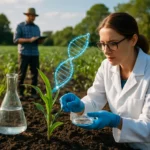
Research efforts are now turning toward new frontiers—such as integrating sensors with plant genetic data to breed varieties specifically suited for indoor environments. Advances in innovation include the development of self-healing materials for greenhouse films, magnetic water treatment systems to boost nutrient uptake, and low-temperature plasma technologies for sterilizing root zones without chemicals.
Looking ahead, the fusion of CEA with decentralized energy grids, offshore aquafarms, and even space-based agriculture could revolutionize how humanity cultivates food. By constantly refining system designs, improving resource efficiency, and fostering interdisciplinary collaboration, the next generation of indoor farms will play a pivotal role in ensuring food security and environmental stewardship across diverse climates and geographies.