
Biochar: The Ancient Technology Making a Comeback

Farmers and researchers alike are rediscovering an age-old practice that promises to reshape the future of agriculture. By transforming organic waste into a stable form of carbon, this technique not only enriches soil but also tackles pressing environmental challenges. From ancient Amazonian landscapes to high-tech laboratories, the resurgence of biochar underscores its multifaceted potential. Historical…

Read More

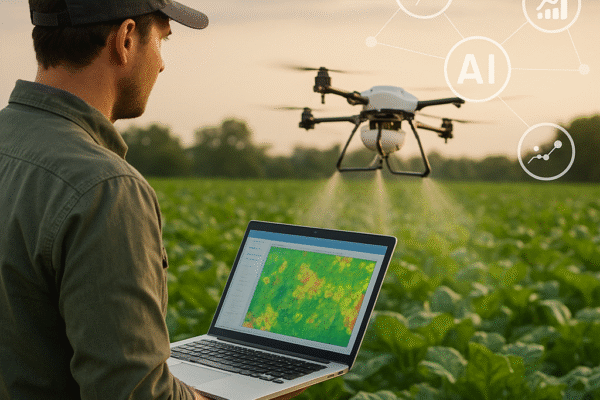
Automated Weed Detection and Removal Systems

Across expansive farmlands, weeds pose relentless challenges to crop efficiency and field management. Thanks to breakthroughs in automation and precision technologies, farmers can deploy intelligent systems for targeted weed control. This article explores the latest advances in Automated Weed Control, detailing how state-of-the-art vision, machine learning and robotic innovations combine to deliver sustainable, cost-effective solutions….

Read More
The Importance of Crop Diversity in Sustainable Farming

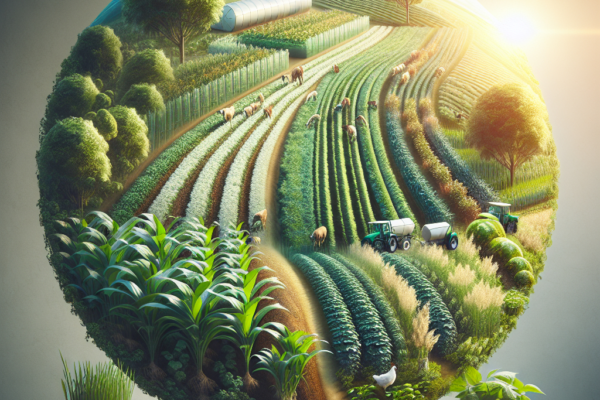
The Importance of Crop Diversity in Sustainable Farming

Crop diversity plays a crucial role in sustainable farming, offering numerous benefits that extend beyond the immediate agricultural environment. By cultivating a variety of crops, farmers can enhance soil health, reduce pest and disease outbreaks, and improve resilience to climate change. This article delves into the significance of crop diversity and its impact on sustainable…

Read More
How Solar-Powered Farms are Reducing Energy Costs

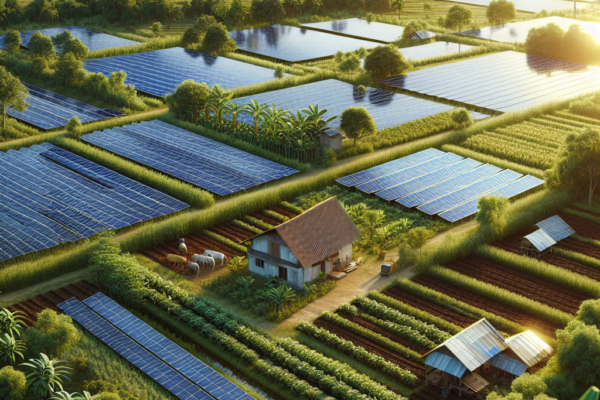
How Solar-Powered Farms are Reducing Energy Costs

Solar-powered farms are revolutionizing the agricultural industry by significantly reducing energy costs and promoting sustainable farming practices. This innovative approach not only helps farmers save money but also contributes to environmental conservation. In this article, we will explore the various ways solar energy is being integrated into farming operations and the benefits it brings to…

Read More

Urban Farming in Developing Countries – Addressing Food Insecurity

Urban farming in developing countries is emerging as a powerful tool to address food insecurity. As urban populations continue to grow, the need for sustainable and efficient food production systems becomes increasingly critical. Urban farming offers a promising solution by utilizing available urban spaces to cultivate fresh produce, thereby enhancing food security and promoting economic…

Read More

The Benefits of Integrated Pest Management (IPM) in Crop Protection

Integrated Pest Management (IPM) is a sustainable approach to managing pests by combining biological, cultural, physical, and chemical tools in a way that minimizes economic, health, and environmental risks. This method has gained significant attention in modern agriculture due to its effectiveness and sustainability. In this article, we will explore the benefits of IPM in…

Read More

The Role of Organic Farming in Sustainable Agriculture

Organic farming has emerged as a cornerstone in the quest for sustainable agriculture. This method of farming, which eschews synthetic chemicals and emphasizes natural processes, offers a promising path toward environmental stewardship, economic viability, and social equity. In this article, we will explore the principles of organic farming, its benefits, and the challenges it faces…

Read More

No-Till Farming: Benefits and Challenges of Soil Conservation Techniques

No-till farming, a revolutionary approach to agriculture, has garnered significant attention for its potential to enhance soil conservation and sustainability. This method, which involves minimal soil disturbance, offers numerous benefits but also presents certain challenges that farmers must navigate. In this article, we will delve into the advantages and obstacles associated with no-till farming, providing…

Read More