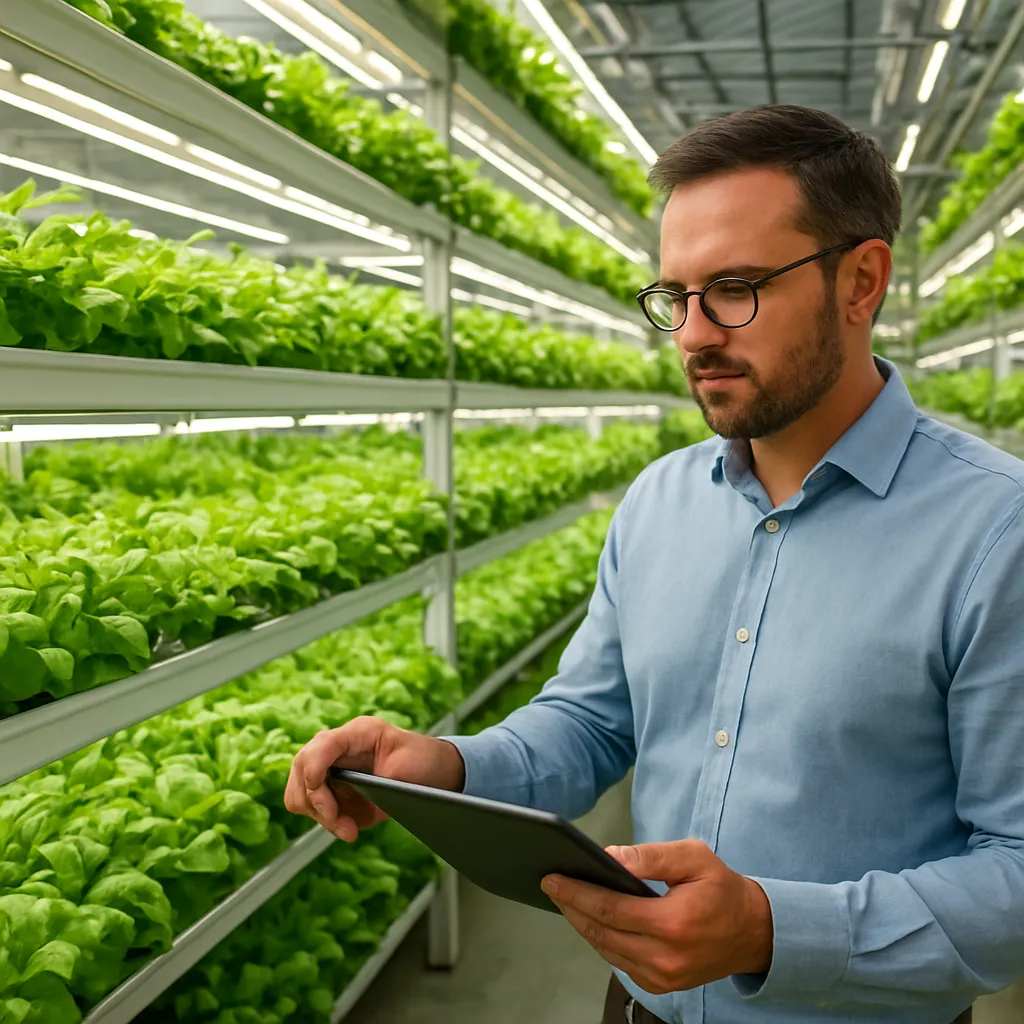


Synthetic biology has opened a transformative pathway for the future of agriculture, offering solutions that were once confined to the realm of science fiction. By integrating cutting-edge tools with traditional farming practices, researchers and practitioners are tackling some of the most pressing challenges in food production, resource management, and environmental stewardship. The synergy between biology and engineering is creating a new era of precision farming, where every genetic modification, microbial partnership, and data-driven decision contributes to a more productive and resilient food system.
Revolutionizing Crop Improvement with Synthetic Biology
Reprogrammed Genetic Circuits
At the heart of modern crop engineering are reprogrammed genetic circuits that can control plant traits with unparalleled accuracy. By assembling standardized DNA parts—often referred to as BioBricks—scientists can design modules that switch on or off in response to environmental cues. This level of control has enabled the development of plants that can adjust their photosynthetic pathways under fluctuating light conditions, optimizing energy capture and boosting yield.
CRISPR and Beyond
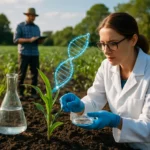
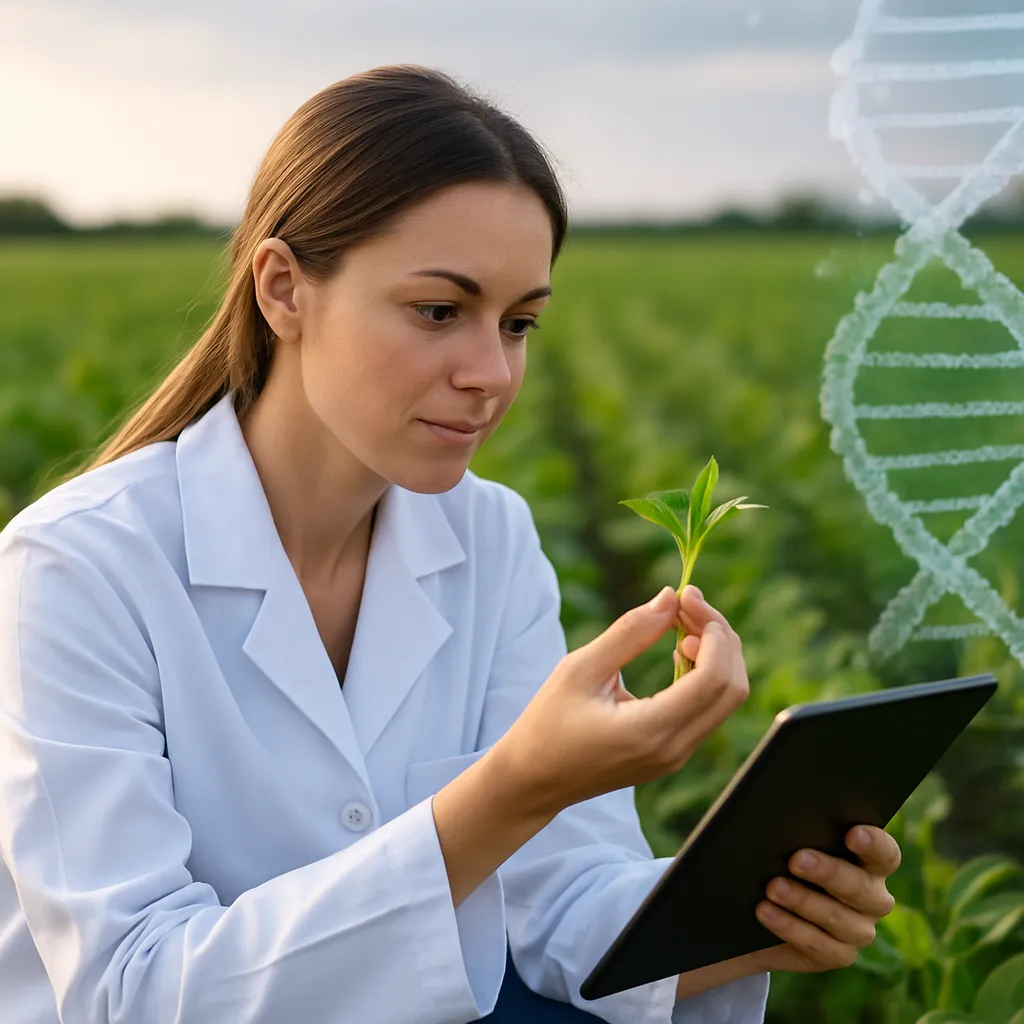
The advent of CRISPR-based gene editing has accelerated trait discovery and deployment. Unlike traditional breeding, which relies on random genetic crosses over multiple generations, CRISPR allows precise modifications at specific genomic sites. Researchers are using this technology to enhance drought tolerance by modulating stress-response genes, create rice varieties with reduced arsenic accumulation, and even tailor oil composition in seeds for healthier dietary profiles. These advances underscore the potential for rapid, targeted improvements in staple crops.
Enhancing Soil Health and Carbon Sequestration
Engineering the Microbiome
Soil represents one of the most complex ecosystems on Earth, housing trillions of microorganisms that regulate nutrient cycling, plant health, and carbon storage. By applying principles of synthetic biology, scientists can engineer the microbiome to promote beneficial interactions. Custom bacterial consortia are being developed to fix atmospheric nitrogen more efficiently, solubilize phosphate, and suppress soil-borne pathogens. These designer microbes can be formulated into seed coatings or soil amendments, transforming barren lands into fertile fields.
Biochar and Carbon Capture Innovations
Combining engineered microbes with biochar substrates has shown promise for enhancing carbon sequestration in agricultural soils. Certain genetically enhanced bacteria can convert CO2 into stable organic compounds that bind tightly to charcoal particles. Field trials indicate that this approach not only locks carbon underground but also improves soil structure, moisture retention, and nutrient availability—key factors for sustainable crop growth under changing climate conditions.
Pioneering Disease Resistance and Biosecurity
Synthetic Vaccines for Plants
Plant diseases caused by viruses, bacteria, and fungi can decimate harvests and threaten food security. Synthetic biology offers novel strategies for fortifying crops against these threats. One approach involves creating synthetic peptide-based vaccines that trigger plant immune responses without relying on chemical pesticides. By mimicking pathogen-associated molecules, these vaccines prime the plant’s defense systems, significantly reducing infection rates and supporting resilience in high-risk environments.
Biosensors for Early Pathogen Detection
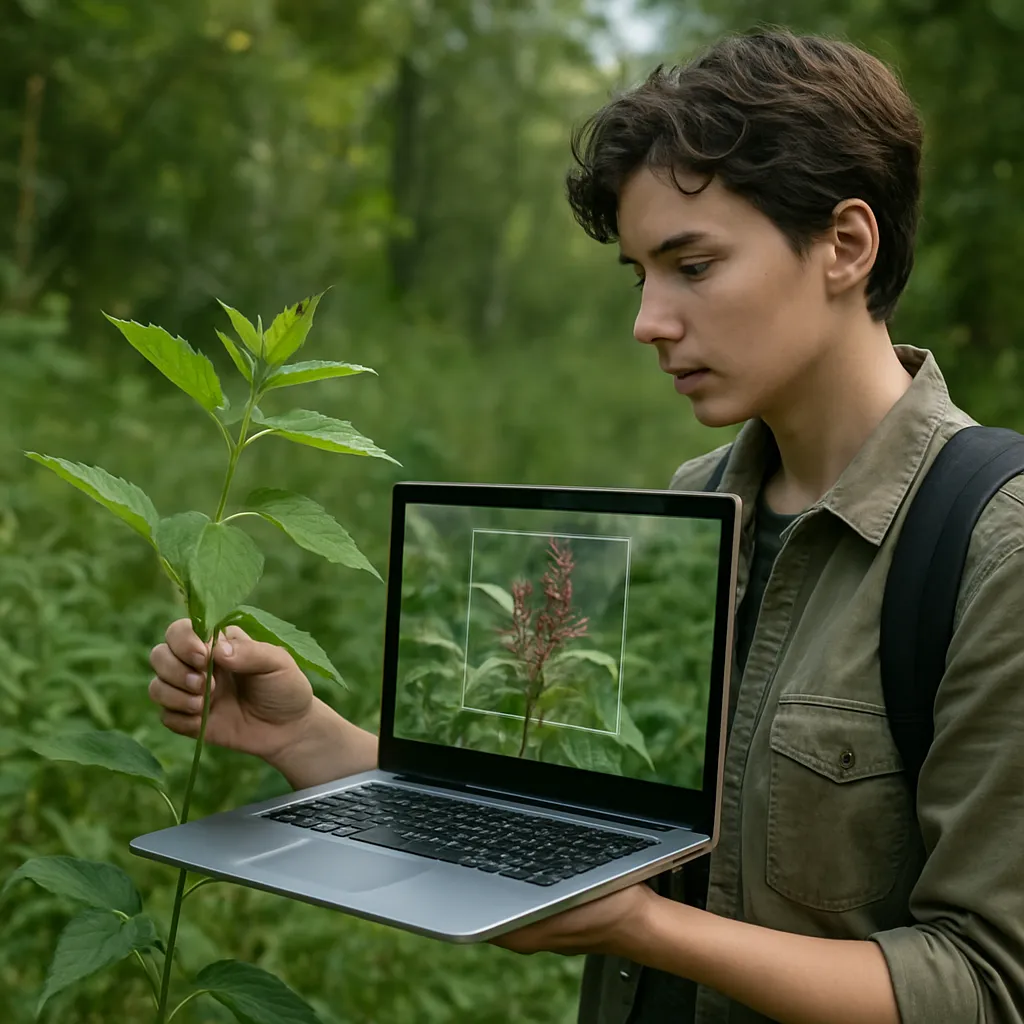
Early detection is critical for effective disease management. Researchers are constructing living biosensors—engineered microbes or plant cells that emit detectable signals upon encountering specific pathogens. These biosensors can be integrated into field monitoring devices or even expressed in companion plants, offering real-time alerts to farmers. With this proactive approach, outbreaks can be contained swiftly, minimizing crop losses and reducing the need for blanket pesticide applications.
Integrating Digital Tools and AI for Next-Generation Farming
Data-Driven Decision Making
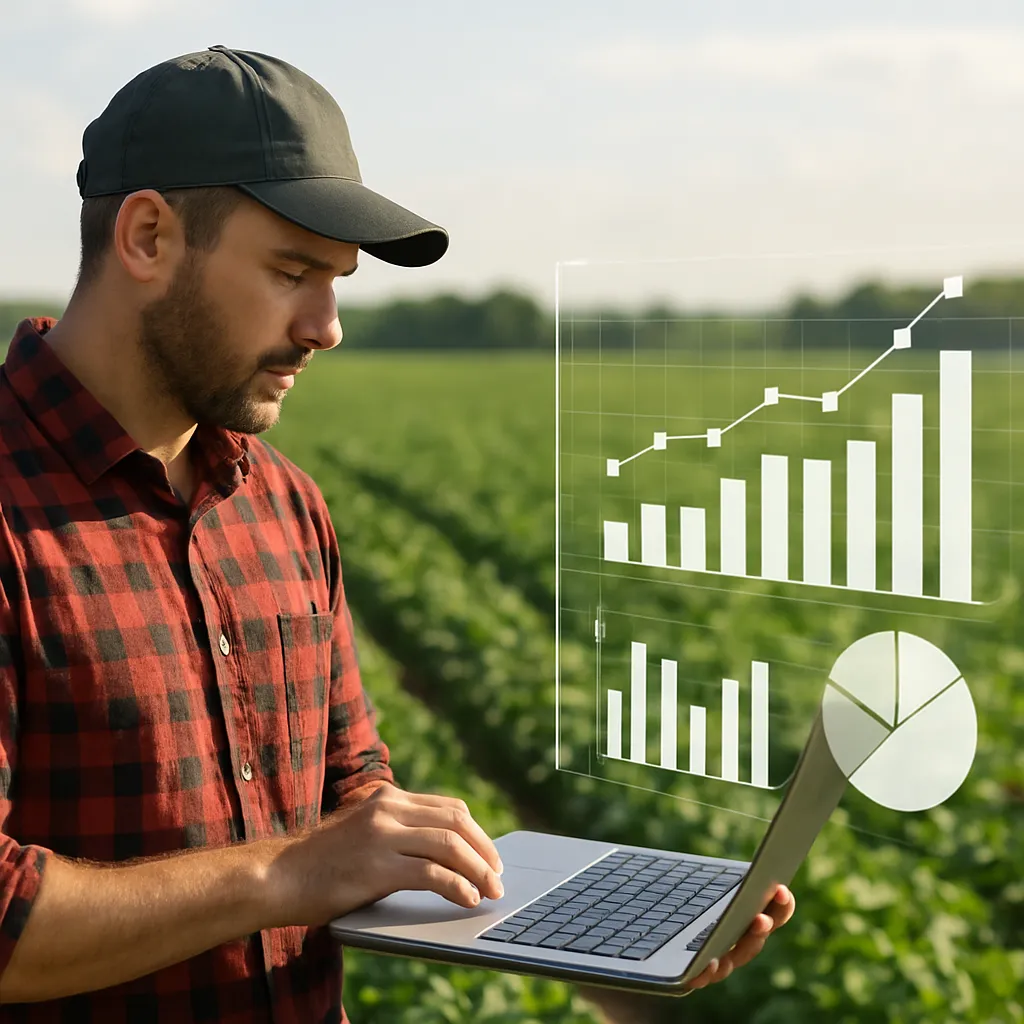
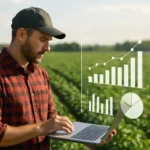
The integration of synthetic biology with data analytics and artificial intelligence is ushering in a new paradigm of decision support. High-throughput phenotyping platforms capture continuous measurements of plant health, growth rates, and environmental variables. Machine learning algorithms analyze these data streams to optimize irrigation schedules, nutrient applications, and genetic modification strategies. Farmers can thus maximize productivity while maintaining sustainability and resource efficiency.
Robotics and Autonomous Systems
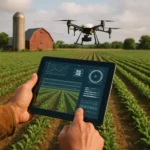
Autonomous field robots equipped with advanced sensors can deploy engineered microbes, apply targeted treatments, and perform precision harvesting. These machines operate with centimeter-level accuracy, ensuring that each plant receives the optimal dose of water, fertilizer, or microbial inoculant. The convergence of robotics, AI, and synthetic biology not only reduces labor costs but also minimizes environmental footprints by preventing overapplication of agrochemicals.
Future Perspectives and Ethical Considerations
Balancing Innovation and Safety
As synthetic biology applications expand, robust frameworks for biosafety and biosecurity become essential. Gene drive technologies, which can propagate engineered traits through wild populations, demand careful regulation to prevent unintended ecological consequences. Transparent risk assessments, stakeholder engagement, and global governance structures will play pivotal roles in ensuring that innovations remain beneficial and ethically sound.
Equitable Access and Socioeconomic Impact
Bridging the gap between high-tech agricultural solutions and smallholder farmers will be critical for achieving global food security. Public-private partnerships can facilitate technology transfer, capacity building, and equitable distribution of benefits. By empowering farming communities with affordable biotechnologies, we can foster inclusive growth and resilience in regions most vulnerable to climate stress and resource limitations.