


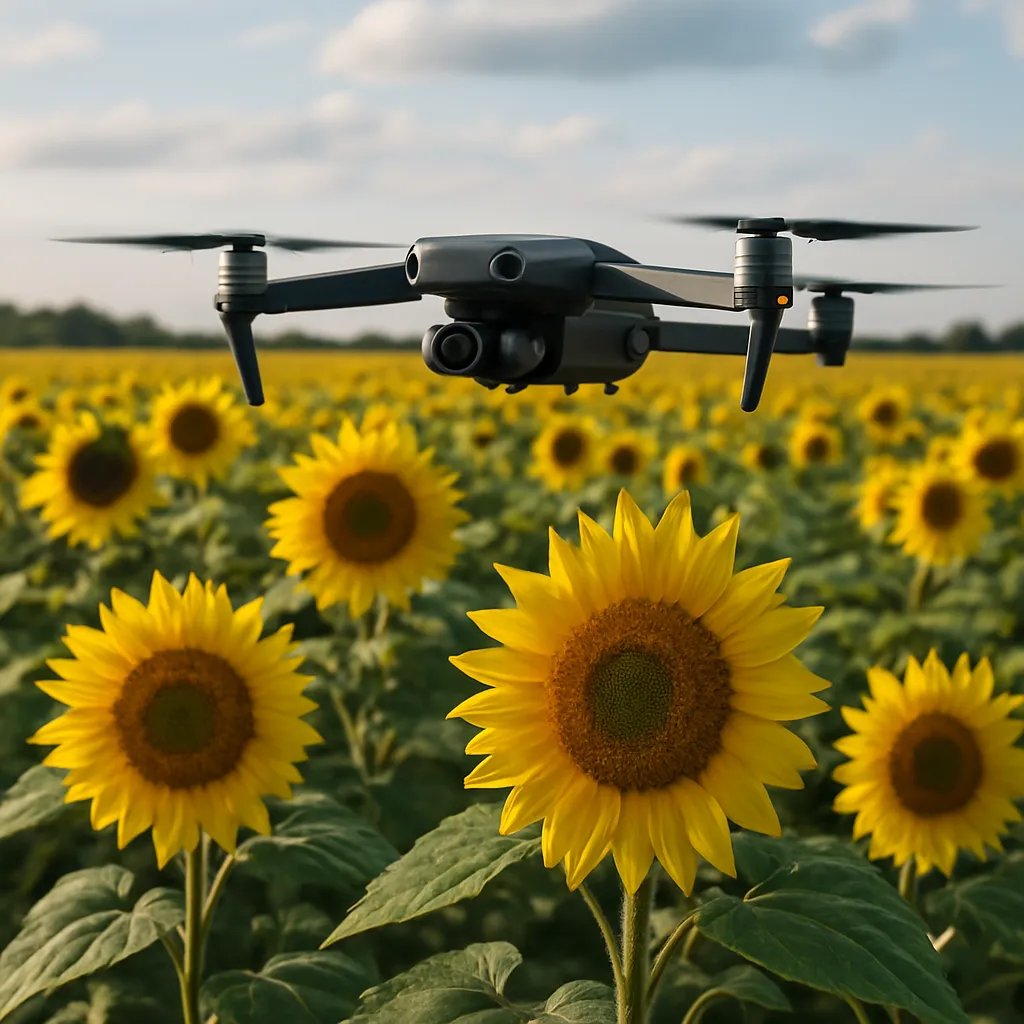
The convergence of advanced robotics and modern **agriculture** is reshaping how we approach one of nature’s most critical processes: **pollination**. As global reliance on managed pollinators like honeybees faces mounting threats from disease, habitat loss, and climate change, a new frontier has emerged. **Drone-assisted** crop pollination promises to enhance food security, bolster ecological **resilience**, and support farmers in the face of unprecedented environmental challenges.
Revolutionary Drone Designs for Targeted Pollination
Recent breakthroughs in aerial robotics have led to the creation of highly specialized platforms tailored to mimic the work of natural pollinators. Engineers and biologists collaborate to develop drones equipped with micro-bristles, electrostatic charge generators, and fine-grain pollen dispensers. These components work together to ensure **precision** transfer of pollen from anther to stigma, even under variable field conditions.
Micro-Bristle Systems
- Soft, synthetic fibers replicate the texture of pollinator fur, capturing minute pollen grains.
- Adjustable bristle stiffness to suit different flower morphologies, from the delicate petals of fruit trees to the sturdy blossoms of oilseed crops.
- Rapid deployment and replacement modules allow for extended field operations without downtime.
Electrostatic Pollen Attraction
By adopting an electrostatic charging mechanism, drones can attract and retain pollen much like bees do in nature. This **innovation** not only boosts pollen adhesion but also minimizes cross-contamination between crop varieties, preserving genetic integrity and optimizing seed purity for high-value produce.
Enhancing Crop Yields and Ecosystem Health
Traditional pollination relies heavily on bee colonies that may be vulnerable to environmental stressors. Drone-assisted systems offer a complementary solution, reinforcing natural pollinator activity while delivering targeted support where it’s needed most. Field trials in almond orchards, blueberry farms, and greenhouse tomato operations have revealed significant yield improvements.
- Yield increases of up to 25% in modular greenhouse settings, where bee access is restricted.
- Extension of pollination periods into early spring and late autumn, overcoming seasonal bee inactivity.
- Reduction in pollen wastage, leading to more efficient resource utilization and lower operating costs.
Moreover, drone interventions support broader environmental goals. By reducing the need for intensive chemical stimulants or forced colony relocations, they promote long-term **sustainability** and resilience of the agricultural **ecosystem**. When integrated with wildlife-friendly buffer zones, drone-assisted pollination ensures that native pollinators can thrive alongside modern technology.
Addressing Operational, Regulatory, and Ethical Challenges
While the promise of **autonomy** and scale in drone pollination is immense, several hurdles must be addressed before these systems can be widely adopted.
Battery Life and Payload Constraints
Current battery technologies limit flight duration and payload capacity. Engineers are exploring lightweight solar panels, advanced lithium-sulfur cells, and on-the-fly swappable power packs. These innovations aim to boost **efficiency** without compromising drone agility in complex orchard geometries.
Regulatory Frameworks and Airspace Management
National aviation authorities are gradually defining standards for unmanned aircraft operations over agricultural land. Key considerations include:
- Altitude restrictions to prevent interference with manned aircraft and wildlife.
- Geo-fencing capabilities to keep drones within farm boundaries.
- Data security protocols to safeguard proprietary farm information.
Ethical and Ecological Implications
Some advocates caution against over-reliance on mechanical pollination, emphasizing that it must complement rather than replace natural pollinators. Sustainable deployment plans include:
- Monitoring native bee population health in parallel with drone usage.
- Establishing pollinator corridors and floral diversity strips to support insects.
- Community engagement programs educating growers on ecosystem management.
Integrating Drone Pollination into Smart Farming Ecosystems
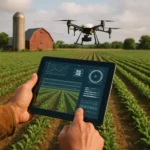
Forward-looking agricultural operations are weaving drone pollination into broader digital frameworks. By linking aerial vehicles with ground-based sensors, farm management platforms deliver real-time insights and dynamic scheduling.
IoT-Driven Flight Planning
Soil moisture probes, weather stations, and aerial imagery feed into AI-driven algorithms that determine the optimal timing and routes for drone sorties. This **precision** approach ensures drones deliver pollen when flowers are most receptive, maximizing fertilization success.
Machine Learning for Adaptive Pollination
Advanced pattern recognition techniques allow drones to identify bloom stages and adjust payload release rates. Over time, these systems learn the unique characteristics of each crop variety, further refining their **efficiency** and effectiveness in the field.
Collaborative Swarm Operations
Swarm intelligence models enable fleets of lightweight drones to coordinate movements, reducing mission durations and distributing mechanical stress. These formations adapt to changing environmental conditions, such as wind gusts or unexpected rain showers, ensuring continuous pollination activity even in variable climates.
Building a Resilient Agricultural Future
As the world seeks to nourish a growing population while conserving fragile ecosystems, **innovation** in pollination strategies will play an essential role. Drone-assisted crop pollination exemplifies the convergence of robotics, data science, and ecological stewardship. By augmenting natural processes, these technologies pave the way for more **sustainable**, **efficient**, and **resilient** food systems.
Ultimately, the success of drone-based pollination hinges on transparent collaboration between engineers, farmers, ecologists, and policymakers. As each stakeholder contributes expertise, the agricultural sector will unlock new pathways to feed the planet, preserve biodiversity, and adapt to a dynamic environmental landscape.