



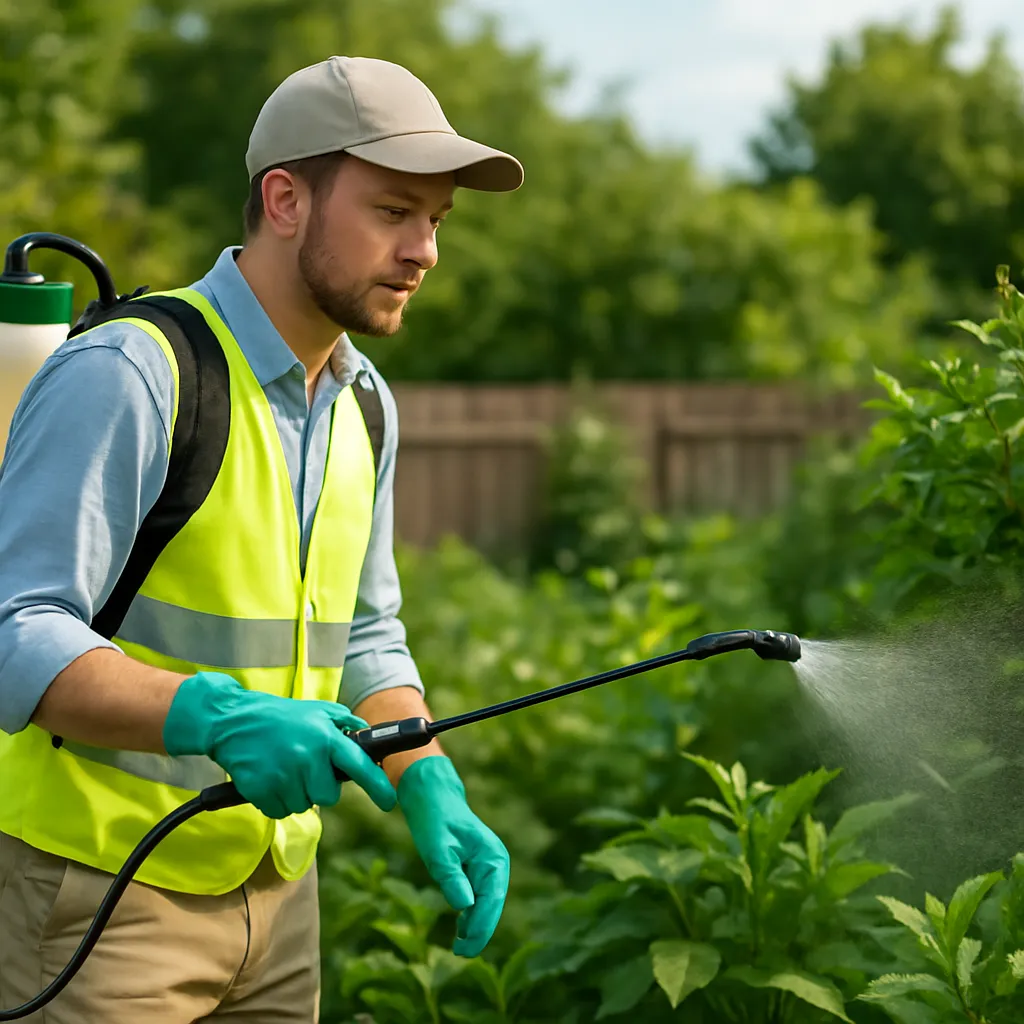
The Future of Eco-Friendly Pest Management explores groundbreaking strategies that redefine how modern farms protect crops while nurturing the environment. With growing demands for sustainable food systems, farmers and researchers collaborate to pioneer practices that minimize chemical inputs, bolster natural defenses, and harness cutting-edge technology. This article delves into the most promising approaches shaping tomorrow’s **innovation** in agriculture, ensuring robust yields and resilient ecosystems.
Innovative Biological Approaches
Eco-friendly pest control starts with harnessing nature’s own mechanisms. By strengthening the interplay between plants, soil, and beneficial organisms, farmers can achieve effective **management** without relying on synthetic chemicals. Recent advances focus on enhancing the crop’s innate defenses and leveraging a diverse cast of microbial and insect allies.
Harnessing Beneficial Insects
Conservation and augmentation of predatory and parasitic insects provide a frontline defense against pests. Lady beetles, lacewings, and parasitic wasps prey on aphids, caterpillars, and other harmful species. By establishing insectary strips and hedgerows, growers create refuges that support natural enemies throughout the growing season. This approach not only reduces pest numbers but also maintains **biodiversity** within agricultural landscapes.
- Release programs for **biopesticides** based on entomopathogenic fungi
- Farm-scale inoculation with nematodes targeting soil-dwelling pests
- Deployment of mating disruption pheromones to interrupt pest reproduction cycles
- Selective breeding of crops that emit volatile compounds attracting beneficial insects
Biopesticides and Microbial Allies
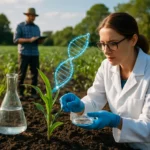
Biopesticides derived from bacteria, fungi, viruses, and plant extracts offer targeted action against pests with minimal non-target effects. Products based on Bacillus thuringiensis (Bt) toxins, for example, selectively control caterpillars harmful to corn and cotton. Meanwhile, endophytic fungi colonize plant tissues, boosting the crop’s own immune responses and fortifying the root **microbiome** against nematodes and soil-borne diseases.
- Fungal strains that produce insecticidal secondary metabolites
- Rhizobacteria promoting systemic resistance and enhanced **yield**
- Mycorrhizal inoculants improving nutrient uptake and drought **resilience**
- Botanical extracts (azadirachtin, pyrethrins) with proven efficacy and rapid degradation
Precision Farming and Tech Integration
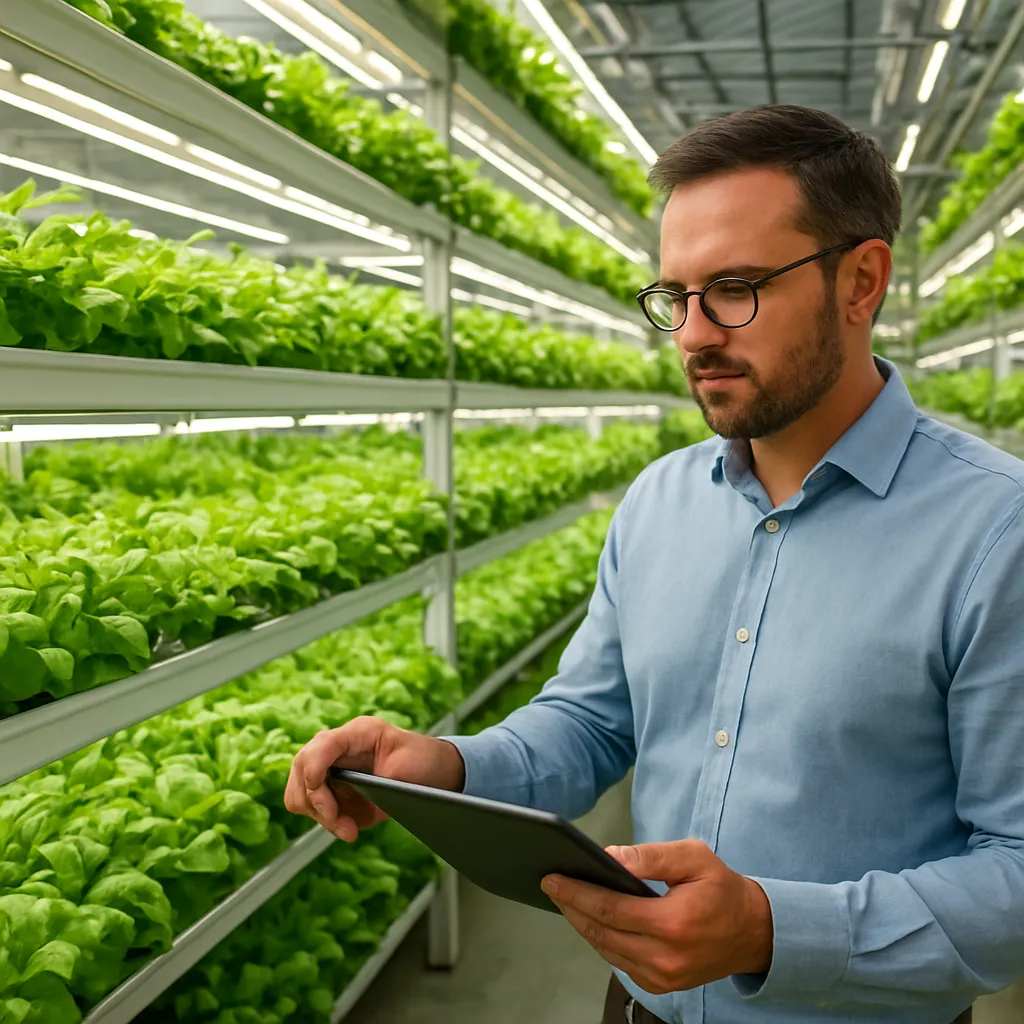
Modern agriculture is undergoing a digital revolution. Smart farming tools enable real-time monitoring and targeted interventions, reducing waste and optimizing resource use. These technologies integrate seamlessly into integrated pest management strategies, offering fine-tuned insights for decision-making.
Remote Sensing and Data Analytics
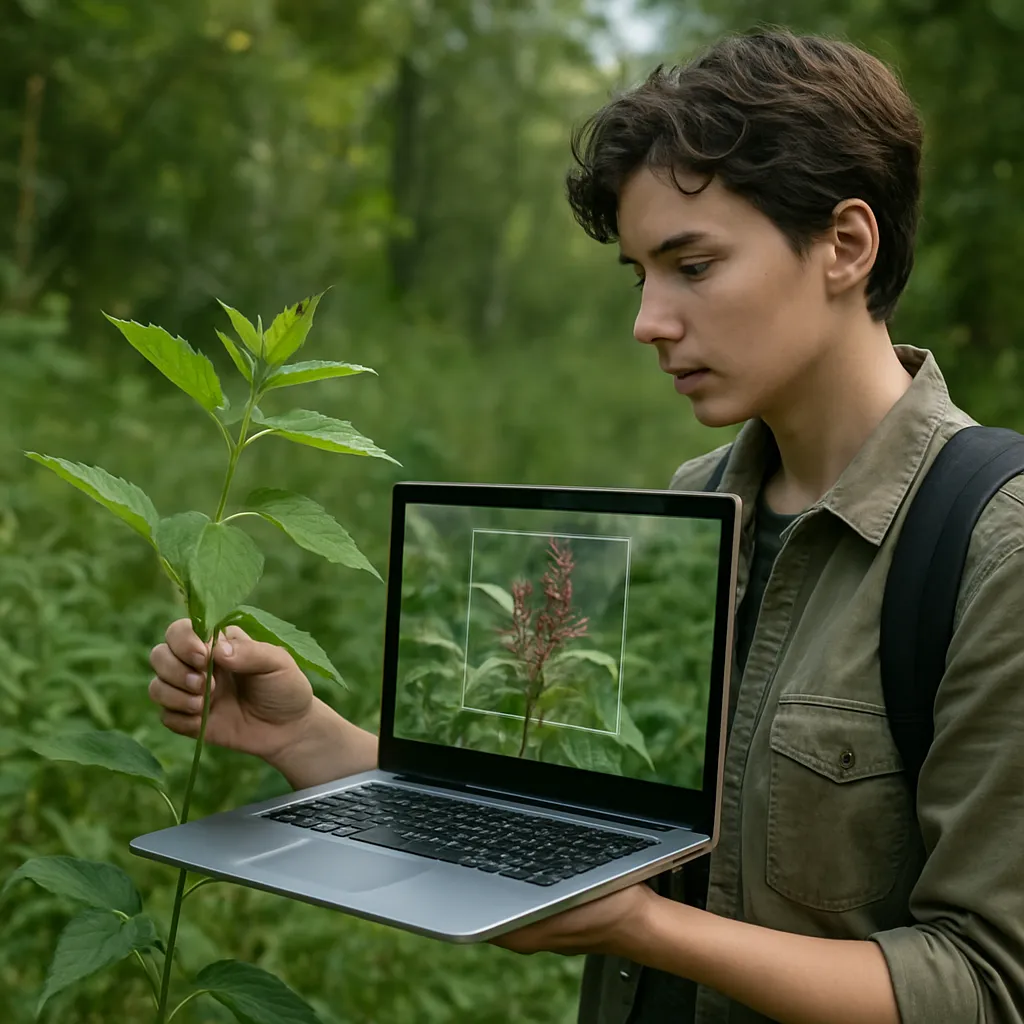
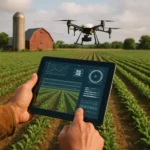
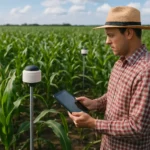
Satellite imagery, drones, and ground-based sensors capture high-resolution data on crop health, soil moisture, and pest populations. By analyzing spectral signatures and thermal patterns, agronomists can detect early signs of infestation. Machine learning models then recommend precise treatment zones, minimizing chemical applications and preserving beneficial organisms in untreated areas.
- Multispectral imaging to identify stress hotspots before visible symptoms
- IoT sensors tracking microclimate conditions conducive to pest outbreaks
- Predictive algorithms forecasting pest pressure based on weather and crop growth stage
- Automated sprayers that adjust dosage and droplet size in real time
Robotics and Autonomous Systems
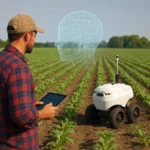
Field robots equipped with computer vision can differentiate between crops and weeds, mechanically removing unwanted plants without herbicides. Similarly, autonomous ground vehicles deliver micro-doses of biocontrol agents directly to infected zones. These innovations reduce labor costs while delivering unparalleled **precision** in pest suppression.
- Weed-picking robots that minimize soil disturbance
- Microdosing platforms for application of beneficial microbes
- UV-C robots that disinfect plant surfaces to curb fungal infections
- Drones dispersing predatory insect eggs over large areas
Holistic Ecosystem Management
Creating resilient farming systems requires an ecosystem-level perspective. By fostering diversity and ecological balance, growers can prevent pest outbreaks and maintain long-term productivity. These agroecological principles emphasize soil health, crop rotations, and habitat enhancement.
Agroforestry and Crop Rotations
Integrating trees and shrubs with annual crops generates a multilayered landscape that disrupts pest cycles and encourages natural predators. Deep-rooted trees recycle nutrients from subsoil, while shade and windbreaks moderate microclimates. Alternating plant families through rotations deprives specialized pests of continuous hosts, breaking disease and insect life cycles.
- Alley cropping with leguminous trees improving soil fertility
- Rotation schemes reducing buildup of pest populations in the soil
- Cover cropping to suppress weeds and enhance organic matter
- In-field wildflower strips supporting pollinators and predatory insects
Soil Health and Nutrient Cycling
Healthy soils form the foundation for vigorous plant growth and natural pest resistance. Practices like reduced tillage, compost additions, and green manures foster a thriving soil food web. Earthworms, protozoa, and mycorrhizae enhance nutrient availability and build organic carbon, making crops less susceptible to stress and pest attacks.
- Compost teas delivering a cocktail of beneficial microorganisms
- Reduced tillage preserving soil structure and microbial habitats
- Organic amendments boosting microbial diversity and nutrient retention
- Biochar applications to enhance cation exchange capacity and moisture buffering
By combining biological controls, state-of-the-art technologies, and ecosystem-based practices, the future of pest management promises to be both effective and environmentally responsible. Farmers embracing these strategies will enjoy healthier soils, robust **ecosystems**, and sustainable production that meets global food demands while preserving our planet.