



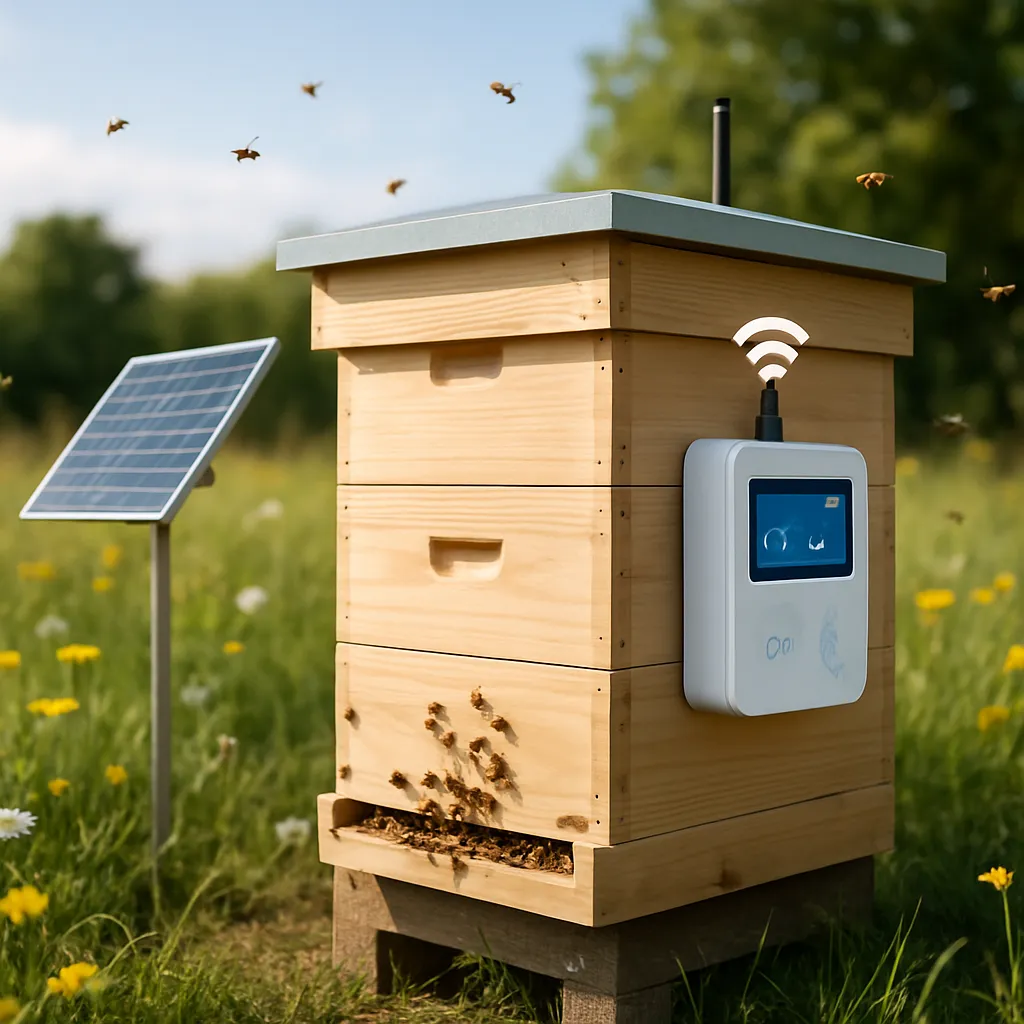
The convergence of advanced sensor systems, digital intelligence, and traditional apiculture is transforming how agricultural stakeholders approach pollination. By deploying smart beehives equipped with environmental sensors and machine learning algorithms, researchers and farmers are unlocking unprecedented insights into colony health, foraging patterns, and ecosystem dynamics. This evolution not only enhances crop yields but also strengthens the resilience of pollinator populations vital to global food security.
Emergence of Smart Beehive Technology
Over the past decade, innovations in miniaturized electronics have enabled the development of hive-mounted devices that continuously capture data on temperature, humidity, acoustic emissions, and hive weight. These instruments provide real-time feedback on internal conditions, allowing beekeepers to monitor critical parameters without physically opening the hive. Key components include:
- Precision thermal sensors to track brood chamber temperature and detect swarming events.
- Integrated scales measuring honey accumulation and forager traffic in kilograms and counts.
- Microphones recording buzzing frequencies, which serve as indicators of stress or disease.
- Solar-powered communication modules ensuring reliable connectivity across remote apiaries.
These data streams feed into mobile dashboards, alerting operators to anomalies such as parasite infestation, queenlessness, or inadequate ventilation. The shift from periodic manual inspections to continuous digital monitoring marks a pivotal step toward fully managed pollination services.
Enhancing Pollination Efficiency with IoT Networks
Deployment of smart beehives across agricultural landscapes has fostered the emergence of Internet of Things (IoT) networks tailored for pollination management. Beehive clusters form mesh topologies, enabling collective data aggregation and collaborative decision-making. Farmers can now optimize hive placement using real-time field maps that highlight flowering stages, moisture levels, and insect activity. Benefits include:
- Optimization of hive density to match crop flowering schedules, reducing overstocking or underutilization.
- Dynamic routing of mobile hives along predetermined corridors to support sequential blooming cycles.
- Integration with weather forecasts to predict nectar flows and adapt hive distribution accordingly.
- Coordination with precision irrigation systems, ensuring that moisture and pollen availability are synchronized.
By treating each hive as an autonomous agent within a larger network, agricultural managers can maximize pollination coverage while minimizing transportation costs and carbon emissions. This strategy also fosters biodiversity by encouraging bees to forage on a variety of crops and wildflowers, sustaining healthier pollinator communities.
Integrating Data Analytics and AI for Pollination Management
Advances in machine learning and big-data processing have elevated smart beehives from simple monitoring tools to predictive platforms for hive and landscape management. Raw field inputs are processed through cloud-based analytics engines, which generate actionable insights on:
- Forecasting honey yields based on historical weight data and current nectar indices.
- Predictive alerts for varroa mite proliferation or Nosema outbreaks derived from acoustic and weight trends.
- Optimization of pollination routes using graph algorithms that consider hive location, crop density, and foraging radius.
- Assessing the impact of pesticide exposure by correlating hive stress signals with nearby agrochemical applications.
Neural networks can identify complex patterns invisible to human operators, such as subtle shifts in buzz harmonics preceding queen replacement. Through continuous learning, these models refine their accuracy, enabling beekeepers to intervene preemptively and maintain colony vitality. The fusion of IoT-collected variables and AI-driven predictions is ushering in a new era of data-driven pollination services.
Sustainability, Challenges, and Future Prospects
The integration of smart beehive systems contributes directly to agricultural sustainability by promoting efficient resource use and safeguarding pollinator health. However, several challenges remain:
Power and Connectivity Constraints
Remote location of many apiaries demands energy-autonomous solutions. While solar panels and low-power radios alleviate some issues, continuous year-round operation under variable weather conditions still requires robust design improvements.
Data Standardization and Security
With multiple vendors offering proprietary platforms, interoperability is limited. Establishing open standards for data exchange will enhance collaboration among researchers, growers, and policymakers. At the same time, securing sensitive hive-location and performance data is crucial to prevent misuse.
Economic and Regulatory Considerations
High upfront costs of smart hives may deter small-scale beekeepers. Innovative financing models, such as equipment leasing or pollination service contracts, can broaden adoption. Regulatory frameworks must evolve to account for digital apiary management, ensuring that environmental and consumer safety standards are upheld.
Expanding Environmental Impact
Future developments will likely incorporate sensors for air quality, pesticide drift detection, and even geolocation tagging for individual bees. Advances in micro-drone technology could facilitate autonomy in hive relocation, responding to changing flowering patterns without human intervention. By integrating hive data with broader landscape-scale monitoring—satellite imagery, weather stations, and soil sensors—stakeholders can achieve holistic insights into agroecological systems and reinforce pollinator-friendly practices.
As research continues to push the boundaries of what smart beehives can achieve, the synergy between technology and traditional beekeeping offers a roadmap to more efficient, environmentally responsible, and resilient pollination management strategies.