

As modern challenges push global food systems to evolve, a transformative synergy emerges between traditional land stewardship and cutting-edge tools. By embracing new methodologies, farmers can rebuild soil vitality, boost crop yields, and nurture environmental harmony. This article delves into how technology is catalyzing a shift toward truly regenerative landscapes, unlocking unprecedented potential for resilient communities and thriving ecosystems.
Soil Health Reinvented Through Precision Tools
Healthy soil forms the cornerstone of any successful farming operation. Today’s innovators deploy an array of sensors, drones, and robotics to gain granular insights into nutrient levels, moisture content, and microbial activity. These real-time data streams empower land stewards to optimize inputs, reduce waste, and restore biological balance. Through a tapestry of information, farmers can cultivate a living tapestry beneath their crops, ensuring long-term fertility and carbon capture.
Real-Time Monitoring and Response
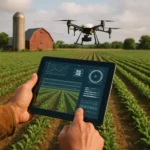
Deploying fleets of autonomous drones and in-ground probes, growers can now track pH fluctuations, detect compaction zones, and measure organic matter dynamics on an hourly basis. This approach minimizes guesswork and fosters dynamic decision-making. By integrating satellite imagery with field-level sensors, precision agriculture pioneers deliver targeted soil amendments, reducing chemical runoff and promoting microbial diversity.
Automated Soil Amendment and Irrigation
Robotic platforms navigate fields with surgical accuracy, dispensing compost teas, biofertilizers, and water only where needed. This contrasts starkly with broad-spectrum applications of the past, slashing resource consumption and greenhouse gas emissions. By automating soil carbon sequestration practices—such as cover cropping and reduced tillage—these machines bolster the soil’s ability to lock away atmospheric CO₂.
Data-Driven Insights and Artificial Intelligence
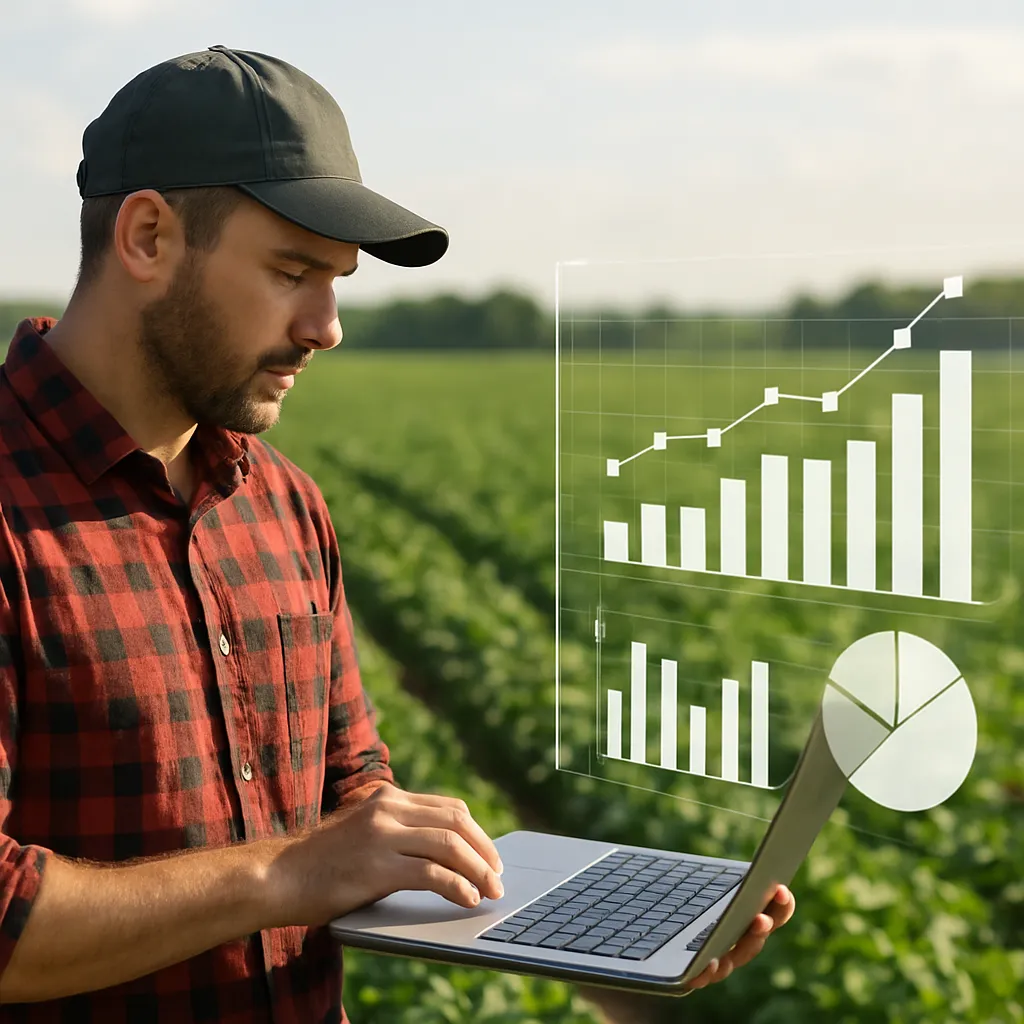
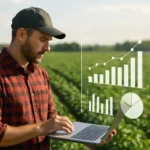
In the digital age, data transcends mere numbers to become the lifeblood of strategic planning. Advanced analytics and machine learning models sift through terabytes of information to predict pest outbreaks, optimize planting schedules, and anticipate climatic shifts. By harnessing these capabilities, agriculturalists can move from reactive to proactive management, fostering crop resilience and economic viability.
- Predictive pest management that leverages pattern recognition to reduce pesticide usage.
- Climate-adaptive planting algorithms that align crop selection with microclimate variations.
- Supply chain optimization platforms ensuring harvests find optimal markets with minimal spoilage.
With an unwavering focus on continual improvement, stakeholders can deploy AI-driven virtual assistants to guide field technicians, interpret sensor outputs, and refine strategies. Such platforms democratize high-level expertise, granting even small-scale operators access to cutting-edge AI and advanced modeling techniques.
Fostering Biodiversity and Ecosystem Services
Biodiversity acts as nature’s safety net, bolstering productivity and ecological resilience. Technological innovations now enable the systematic design of polyculture systems, integrating multiple crop species, beneficial insects, and cover plants into a single unified framework. This holistic approach not only enhances pest suppression but also promotes soil structure and nutrient cycling.
Robotics in Polyculture Systems
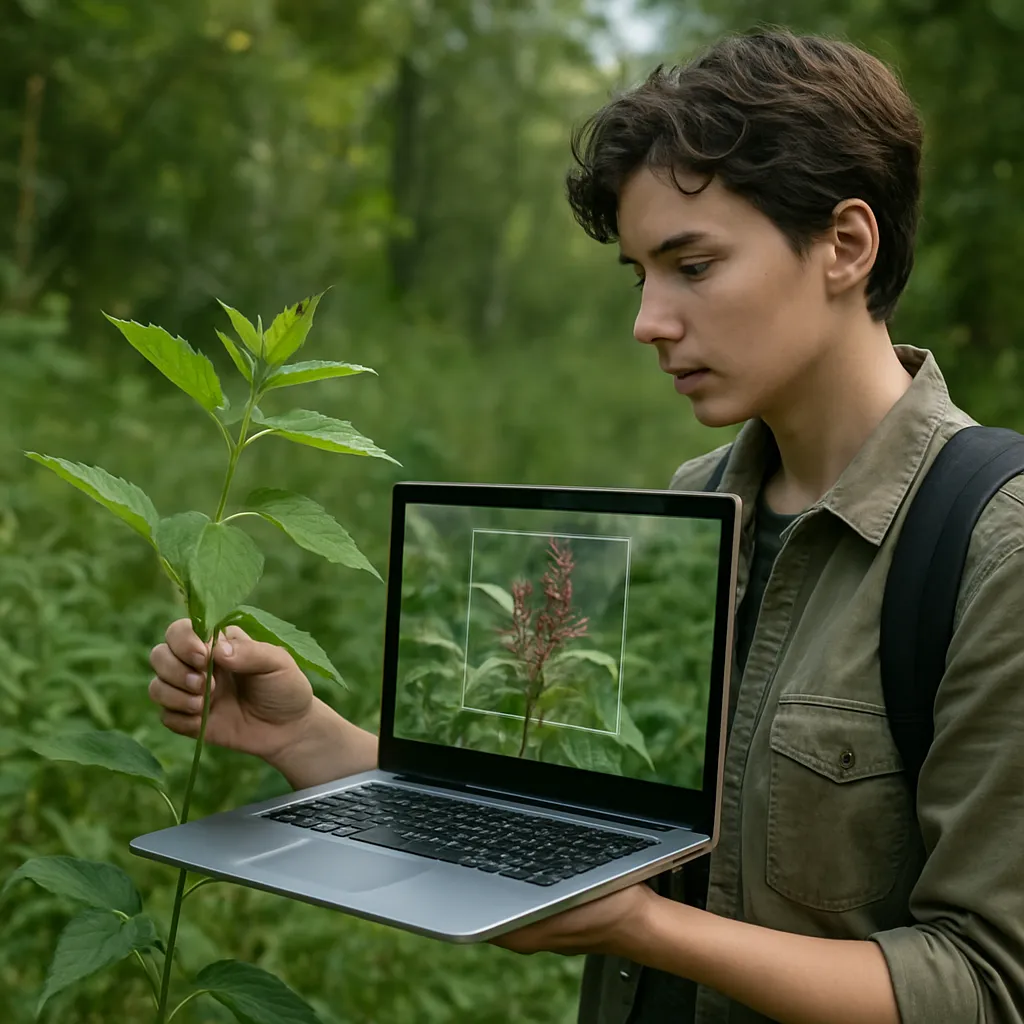
Specialized robots can differentiate between crop varieties, selectively weeding unwanted species while preserving beneficial plants. By orchestrating intricate planting patterns, these machines optimize ground cover and root architecture, curbing erosion and retaining moisture. Such precise operations foster vibrant living biodiversity hotspots within agricultural landscapes.
Advanced Breeding and Biotech
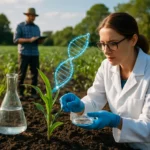
Cutting-edge genomics accelerate the development of crops adapted to regenerative frameworks. Through gene editing and marker-assisted selection, breeders can introduce traits that enhance root exudation, promote beneficial microbial partnerships, and improve nutrient uptake. This integration of biotechnology underpins a new generation of climate-resilient cultivars, driving sustainable productivity gains.
Emerging Trends Shaping the Next Decade
A confluence of digital transformation, policy incentives, and consumer awareness heralds a bright future for regenerative models. Key trends include:
- Blockchain-enabled traceability, ensuring consumers can verify sustainable sourcing from farm to fork.
- Marketplace platforms that reward farmers for ecosystem services like carbon sequestration and water purification.
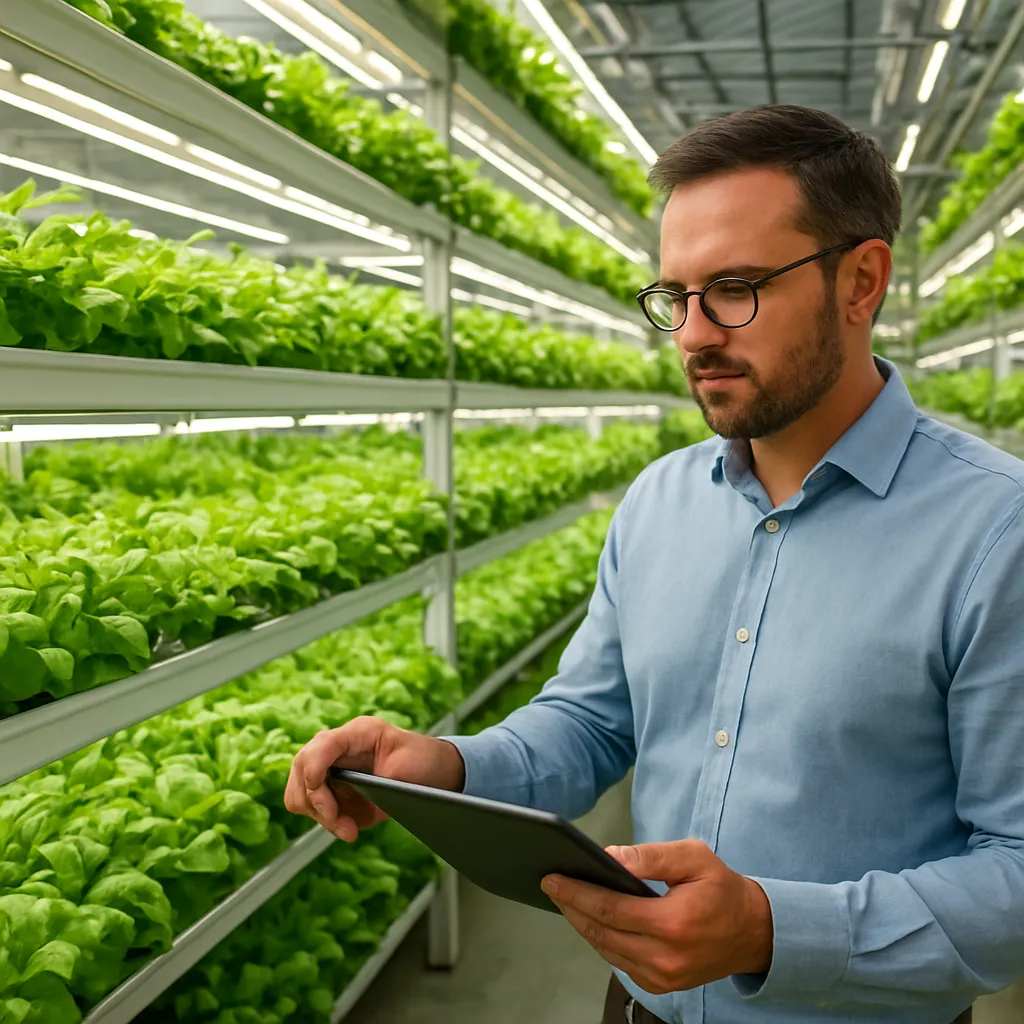
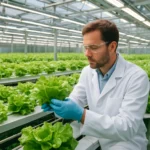
- Urban vertical farms leveraging robotic cultivation and LED lighting to produce nutrient-dense greens with minimal land footprint.
- Integration of renewable energy—solar, wind, and biogas—to power on-site machinery and reduce reliance on fossil fuels.
As digital twins of farmland become more accurate, stakeholders can simulate the impacts of various interventions before implementation. This reduces financial risk and speeds up the adoption curve of breakthrough solutions. Furthermore, collaborative networks of growers, technologists, and researchers foster open-source platforms where best practices and data converge to uplift entire regions.
Building Resilient Rural Economies and Communities
Beyond technological prowess, the true power of regenerative agriculture lies in its social and economic dimensions. By valorizing ecosystem services and reinvesting profits into local initiatives, farmers can transform isolated rural regions into vibrant hubs of innovation. Community-driven monitoring networks, powered by smartphone apps and local cooperatives, enable inclusive participation in land stewardship.
Educational programs leverage augmented reality (AR) and virtual reality (VR) to train the next generation of agronomists and technicians. These immersive tools break down geographic barriers, allowing learners to explore real-world scenarios, experiment with virtual soil profiles, and troubleshoot on simulated farms. Such platforms cultivate a workforce adept at balancing technological fluency with ecological mindfulness.
Forging Partnerships for a Shared Vision
Collaboration between agribusiness, academia, startups, and non-governmental organizations accelerates the pace of innovation. Public–private partnerships can underwrite pilot projects, creating living laboratories that demonstrate the financial and environmental viability of regenerative systems. By aligning incentives and harmonizing regulations, policymakers can unlock a wave of investment in next-generation agricultural infrastructure.
Ultimately, the future of farming hinges on integrating the ancient wisdom of soil biology with the transformative power of modern technology. By championing sustainability, value-driven markets, and equitable growth, stakeholders can nurture landscapes that feed humanity while replenishing the planet. The fusion of tradition and innovation marks a new era—one where agriculture thrives in harmony with nature, forging a legacy of abundance for generations to come.