



Agriculture is undergoing a remarkable transformation as a wave of startups deploy cutting-edge solutions to meet escalating global food demands. Fueled by rapid advances in technology and a pressing need for enhanced sustainability, agritech innovators are redefining traditional farming. These disruptive ventures harness data-driven tools, biotech breakthroughs, and automated systems to boost efficiency, optimize resource use, and fortify supply chains against climate uncertainties. From skylines dotted with multi-tiered farms to fields monitored by intelligent sensors, the sector’s momentum underscores a new era of innovation and collaboration between engineers, biologists, and growers worldwide.
Transformative Potential of Vertical Farming
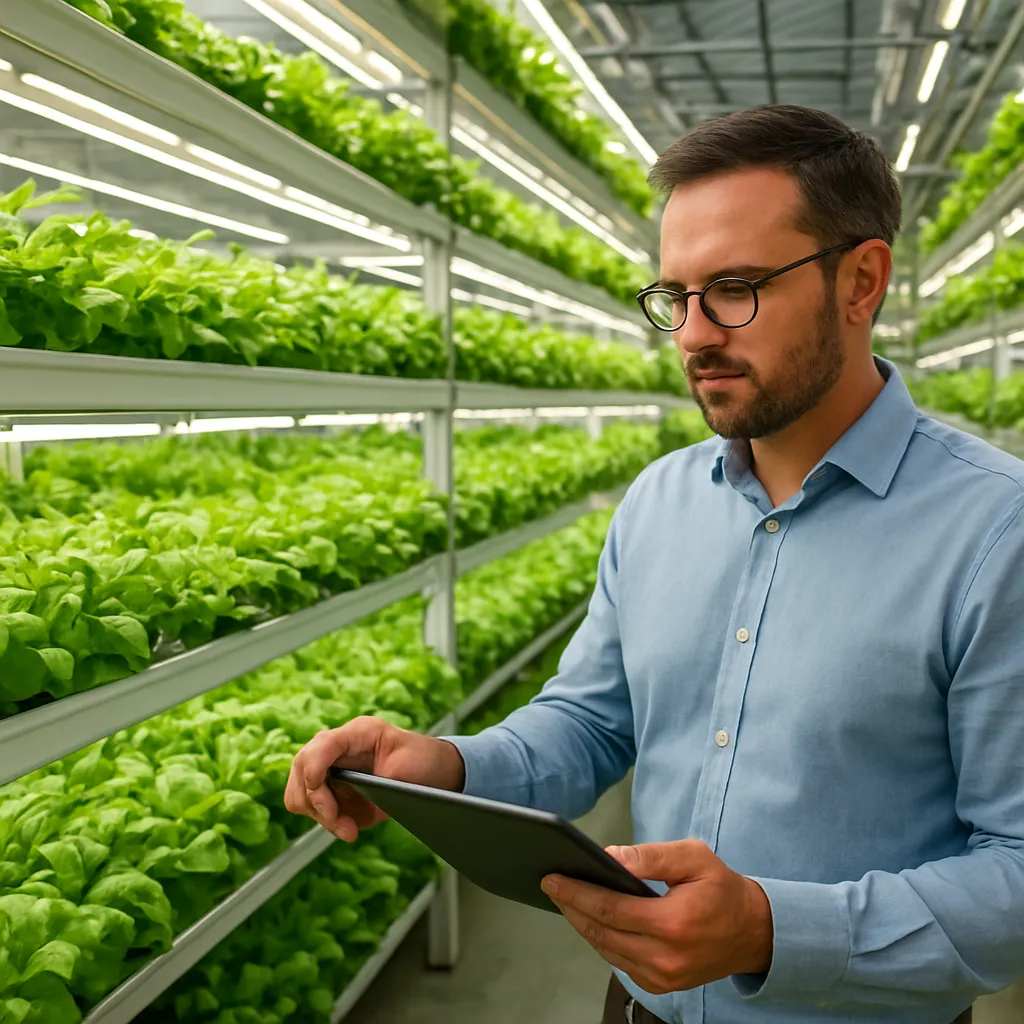
Vertical farming epitomizes the shift toward controlled environment agriculture (CEA), leveraging stacked layers of crops cultivated under artificial lighting. By decoupling plant growth from seasonal cycles, this approach delivers consistent yields year-round in urban centers and remote regions. Entrepreneurs are driving a revolution in land use, converting warehouses and repurposed buildings into vibrant, hyper-efficient farms.
Key advantages include:
- Optimized space utilization: yields per square meter surpass those of open fields by orders of magnitude.
- Water efficiency: closed-loop hydroponic and aeroponic systems reduce consumption by up to 95% compared to conventional irrigation.
- Minimal transport footprint: proximity to consumers slashes distribution costs and carbon emissions.
- Year-round production: independence from weather patterns and soil health challenges.
Emerging startups integrate artificial intelligence to regulate climate parameters, track nutrient profiles, and forecast harvest cycles. These smart environments not only elevate productivity but also ensure consistent quality, bolstering food safety and supply chain resilience.
Smart Sensors and Data Analytics Driving Growth
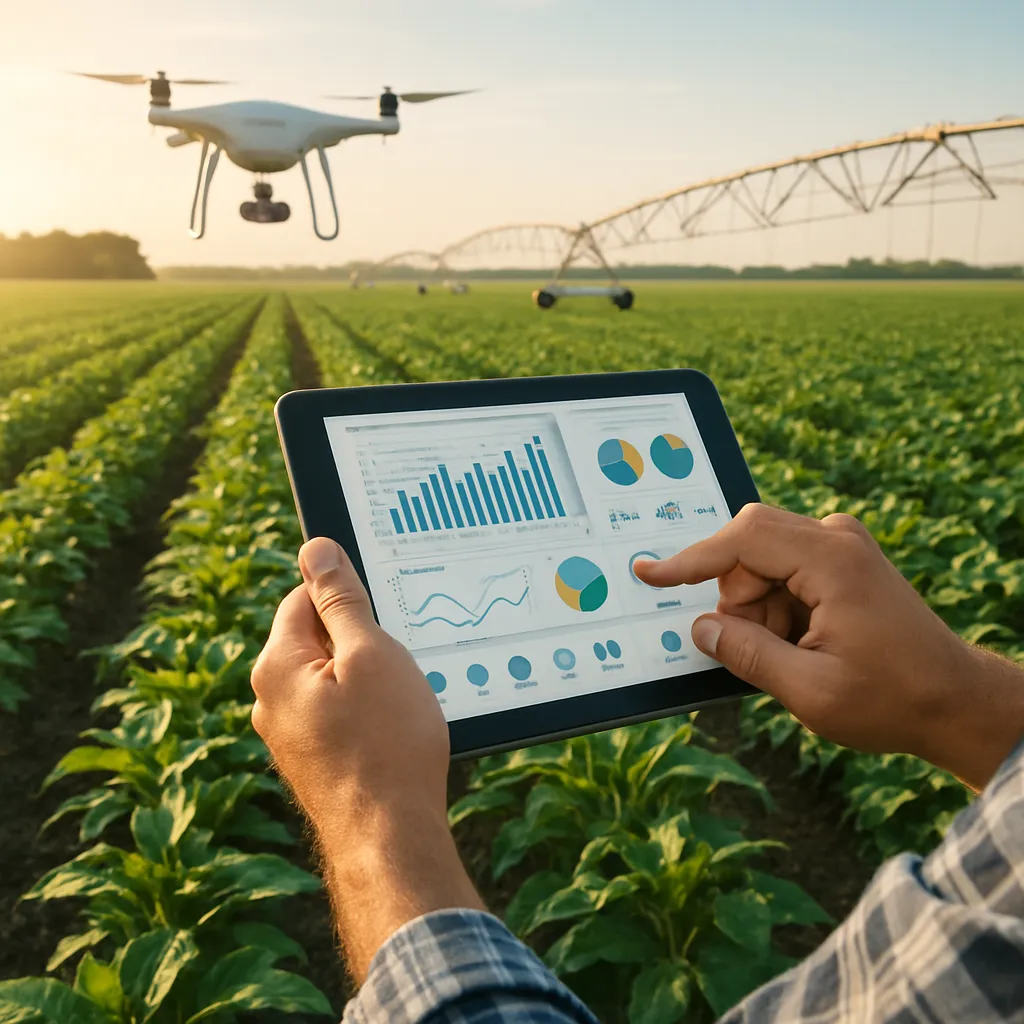
Precision agriculture relies on a network of interconnected devices—drones, ground robots, soil sensors, and satellite imagery—to collect real-time field data. Through advanced analytics, growers can make informed decisions regarding irrigation timing, fertilizer application, and pest control, all calibrated to minute variations within each plot.
- Soil monitoring: moisture and nutrient probes transmit continuous readings, preventing under- or overwatering.
- Disease detection: hyperspectral imaging spots early signs of fungal outbreaks and nutrient deficiencies.
- Automated machinery: driverless tractors and sprayers execute pinpoint treatments with minimal waste.
- Yield prediction: machine learning algorithms forecast output based on historical and live datasets.
By converging hardware and software, agritech firms are unlocking unprecedented precision in resource allocation. This digitalization not only curbs input costs but also advances environmental goals by reducing agrochemical runoff and energy consumption.
Biotech Innovations Enhancing Crop Performance
Recent leaps in genetics and molecular biology have energized the hunt for crops engineered to thrive under stress. Startups are deploying CRISPR-based gene editing, microbial inoculants, and biofertilizers to bolster plant defenses and nutrient uptake. These interventions drive remarkable gains in resilience against drought, salinity, and pests.
Breakthrough strategies include:
- Gene-edited varieties with enhanced photosynthetic rates and nitrogen-use efficiency.
- Symbiotic microbial consortia that stimulate root growth and suppress soil-borne pathogens.
- Natural biopesticides derived from plant extracts and insect peptides, reducing reliance on synthetic chemicals.
- Seed treatments infused with protective polymers and beneficial fungi to boost early-stage vigor.
As regulators adapt to emerging biotech frameworks, these ventures accelerate adoption of climate-smart crops. The synergy of genetic tools and regenerative practices promises to reshape global food systems for heightened productivity and ecological balance.
Funding Landscape for Agritech Startups
Agricultural technology firms are capturing substantial capital from impact investors, corporate ventures, and government initiatives. Recognizing the dual potential for profit and planetary benefit, financiers are backing companies that pioneer eco-friendly solutions across the value chain. In recent years, agritech has attracted billions of dollars in funding, with marquee deals focusing on vertical farms, autonomous machinery, and bioengineering platforms.
Key investment channels include:
- Venture capital funds specializing in innovation and clean-tech applications.
- Corporate partnerships: established agrochemical and equipment manufacturers co-invest in promising startups.
- Public grants: governments incentivize research through subsidies targeting digital agriculture and sustainability.
- Impact bonds: social finance instruments link returns to measurable environmental outcomes.
Early-stage ventures benefit from accelerators and incubators that provide mentorship, prototyping facilities, and market access. As funding flows, startups scale pilot projects into commercial operations, cementing a robust ecosystem where technology pioneers and traditional agribusiness converge.
Overcoming Barriers in Agritech Adoption
Despite its promise, agritech faces challenges that can slow implementation. Fragmented supply chains, outdated infrastructure, and uneven internet connectivity hinder the rollout of advanced solutions in rural areas. Moreover, farmers often require training to interpret data dashboards and integrate machines into daily routines. Regulatory frameworks for biotech crops and drone operations vary significantly by region, adding complexity for global players.
Strategies for Acceleration
- Public-private partnerships that co-finance equipment deployment and network expansion.
- Educational initiatives offering on-farm trials, workshops, and digital literacy courses.
- Modular technology packages designed for incremental adoption, lowering upfront capital barriers.
- Harmonized regulations and standardized protocols to streamline approvals and cross-border trade.
By addressing these hurdles through collaboration and targeted policy support, stakeholders can unlock the full potential of agritech. The transition toward a more productive, resource-smart agriculture is well underway, driven by entrepreneurs who are rewriting the rules of food production.