

From verdant fields to state-of-the-art greenhouses, a quiet revolution is reshaping modern farming. By integrating robotics with advanced sensors and artificial intelligence, growers are redefining what it means to cultivate the land. This transformative wave not only boosts yields but also addresses pressing environmental concerns, ushering in a new era of sustainability in agriculture.
Evolution of Agricultural Automation
The journey toward mechanized farming began centuries ago with simple plows and irrigation channels. Yet, recent decades have witnessed unprecedented leaps in automation and technology. Early tractors and combine harvesters gave way to autonomous vehicles that can navigate fields without human input. Equipped with GPS guidance and machine-vision cameras, these machines can differentiate between crops and weeds, delivering timely interventions to areas that need them most.
Key milestones in this evolution include:
- Introduction of GPS-enabled tractors in the 1990s, enabling field mapping and streamlined operations.
- Development of autonomous drones in the 2000s, which monitor plant health through multispectral imaging.
- Advent of robotic harvesters capable of delicate fruit-picking using soft grippers and real-time pressure sensors.
As each innovation matured, growers gained the ability to apply resources with pinpoint accuracy. This shift from blanket treatments to targeted interventions embodies the core principles of precision agriculture, minimizing waste and maximizing yield.
Key Technologies Driving Efficiency
Modern farming relies on a synergy of hardware and software. Central to this ecosystem are:
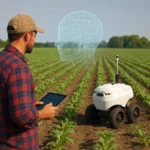
- Autonomous Vehicles: Robotic tractors and sprayers follow pre-programmed routes, applying fertilizer or pesticides precisely where needed.
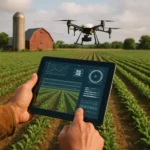
- Drones and Aerial Platforms: Equipped with thermal and hyperspectral cameras, these flying robots assess crop vitality, soil moisture, and pest infestations at scale.
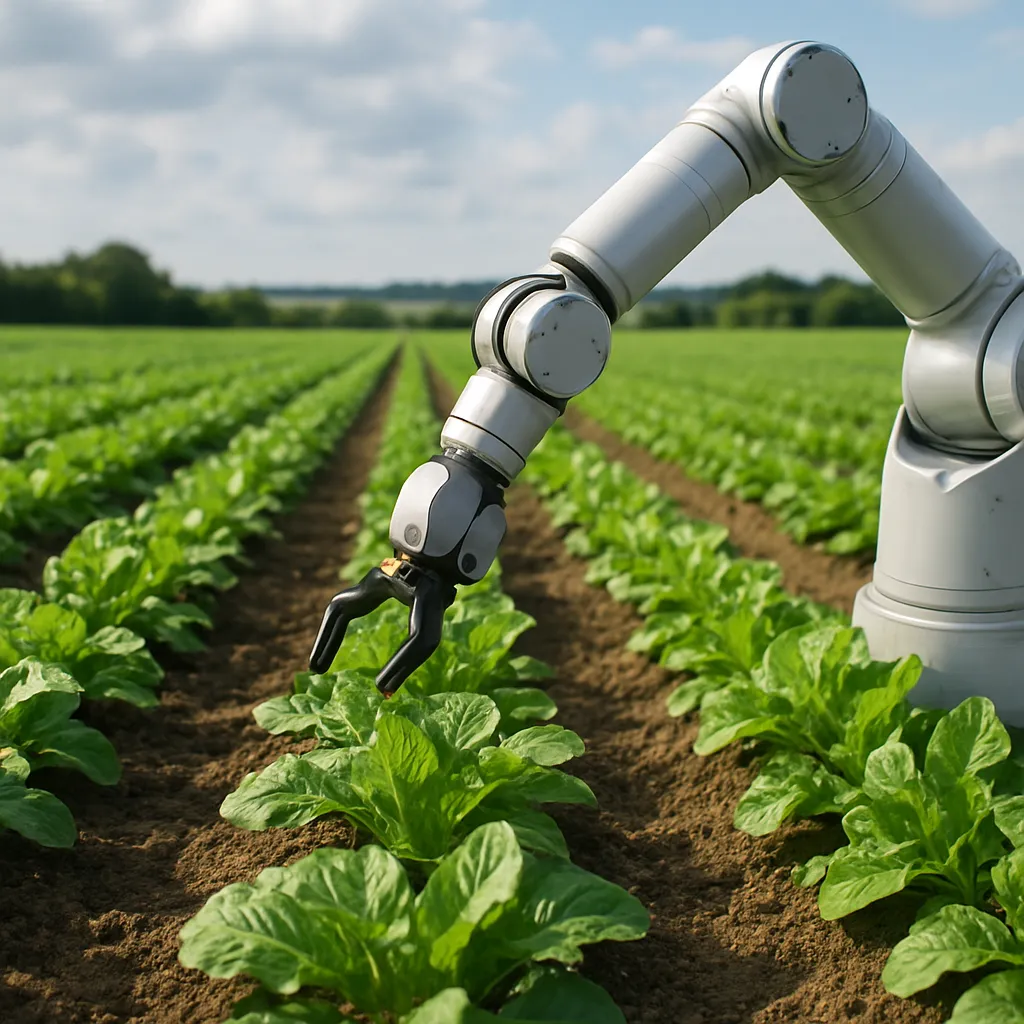
- Robotic Harvesters: Leveraging articulated arms and tactile sensors, these machines handle delicate produce such as strawberries, tomatoes, and grapes without bruising.
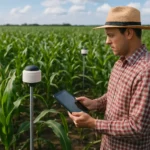
- Soil and Climate Sensors: Networked devices measure pH, temperature, and humidity in real time, feeding data into centralized management systems.
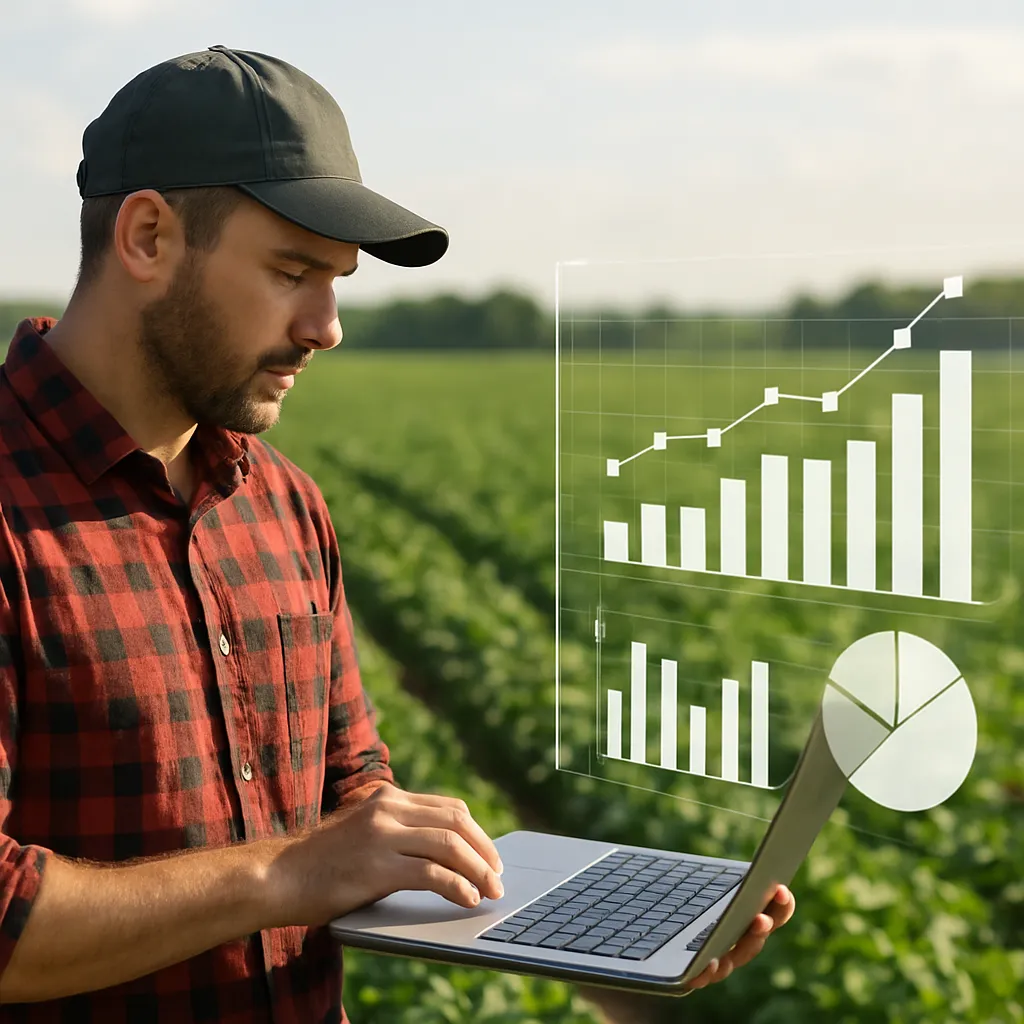
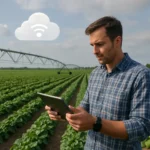
- AI-Driven Analytics: Cloud-based platforms analyze terabytes of data, predicting disease outbreaks and recommending optimal planting schedules.
By weaving together these components, farms transform into smart ecosystems where every decision is data-driven. This level of efficiency translates into lower operational costs, reduced chemical runoff, and healthier crops.
Environmental and Economic Impacts
Traditional farming methods often relied on heavy machinery and chemical inputs that strained natural resources. In contrast, the integration of robotics offers compelling benefits:
- Resource Conservation: Targeted irrigation and fertilization reduce water consumption by up to 40%, safeguarding scarce freshwater reserves.
- Pesticide Reduction: Intelligent sprayers detect specific weed patches, cutting overall pesticide use by as much as 70% and protecting surrounding ecosystems.
- Carbon Footprint Mitigation: Electric-powered robots produce fewer emissions than diesel tractors, helping farms lower greenhouse gas outputs.
- Labor Optimization: With automated tasks handling repetitive chores, farmworkers can focus on skilled roles such as system maintenance and data interpretation.
- Crop Resilience: Continuous monitoring enables early detection of stress factors, bolstering plant health and reducing crop failures during extreme weather events.
These environmental gains often align with improved profitability. Farmers witness higher yields per acre and reduced input costs, creating a virtuous cycle of economic and ecological resilience.
Overcoming Challenges in Implementation
Despite the promise of innovation, deploying robotic systems at scale presents hurdles. High upfront costs deter smallholders, while interoperability issues arise from disparate platforms. Additionally, robust connectivity is essential for real-time data exchange, yet many rural areas lack reliable internet service. Key strategies to address these challenges include:
- Establishing cooperative purchasing models to share the burden of capital investments.
- Adopting open standards and modular designs that allow equipment from different manufacturers to communicate seamlessly.
- Investing in rural broadband infrastructure through public–private partnerships.
- Providing training programs that equip farmworkers with the skills needed to operate and maintain advanced machines.
By fostering collaborative networks among stakeholders—farmers, equipment makers, software developers, and policymakers—these barriers can be progressively dismantled, paving the way for widespread adoption.
Future Prospects in Impressive Agriculture
Looking ahead, the fusion of innovation and ecology promises even more transformative breakthroughs. Emerging trends to watch include:
Swarm Robotics
Inspired by social insects, swarms of small robots coordinate tasks like planting seeds, weeding, and pollination. Their distributed approach enhances fault tolerance and operates safely amidst living crops.
Vertical and Controlled-Environment Farming
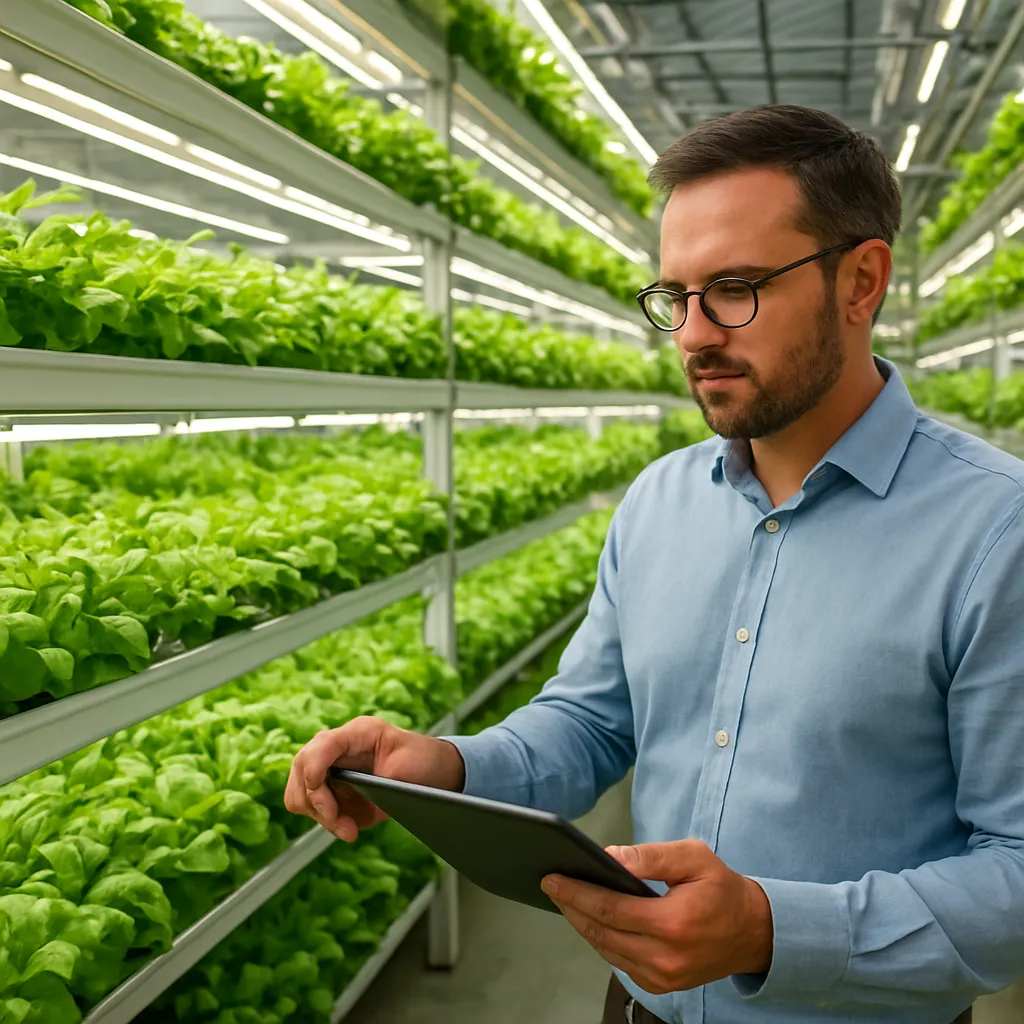
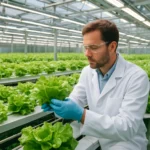
In urban settings, stacked layers of crops grow under LED lighting and climate control. Here, robots manage every stage—from seeding to harvest—maximizing yield per square meter and reducing land use.
Biodegradable Robotic Components
To minimize e-waste, engineers are developing plant-based plastics and dissolvable circuits, ensuring that end-of-life robots leave no lasting footprint.
Integrated Ecosystem Models
Advanced simulation tools will integrate weather forecasts, market prices, and supply chain dynamics, enabling farmers to make adaptive choices that respond to global shifts.
As these technologies mature, agriculture will become not just a source of sustenance but a shining example of how human ingenuity can harmonize with nature. The drive toward productivity will go hand in hand with a commitment to conservation, securing food systems for generations to come.