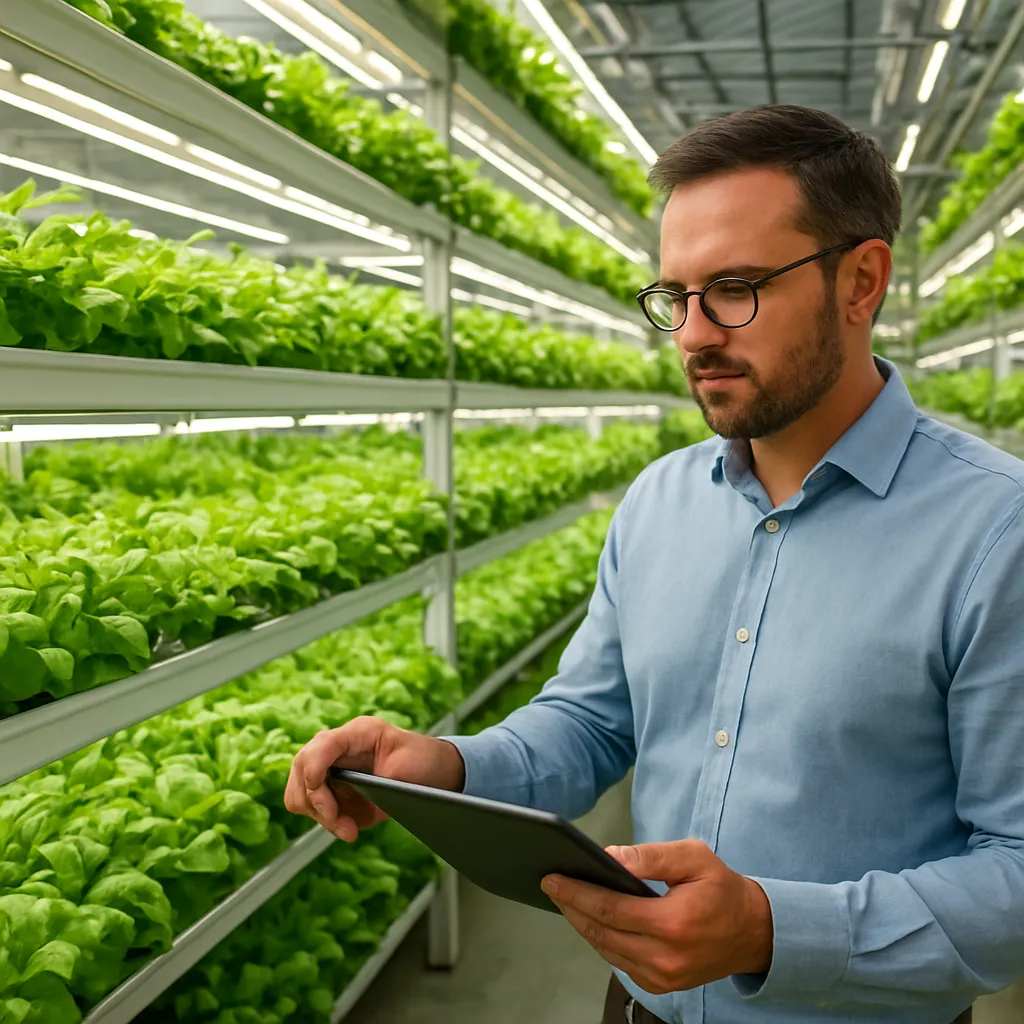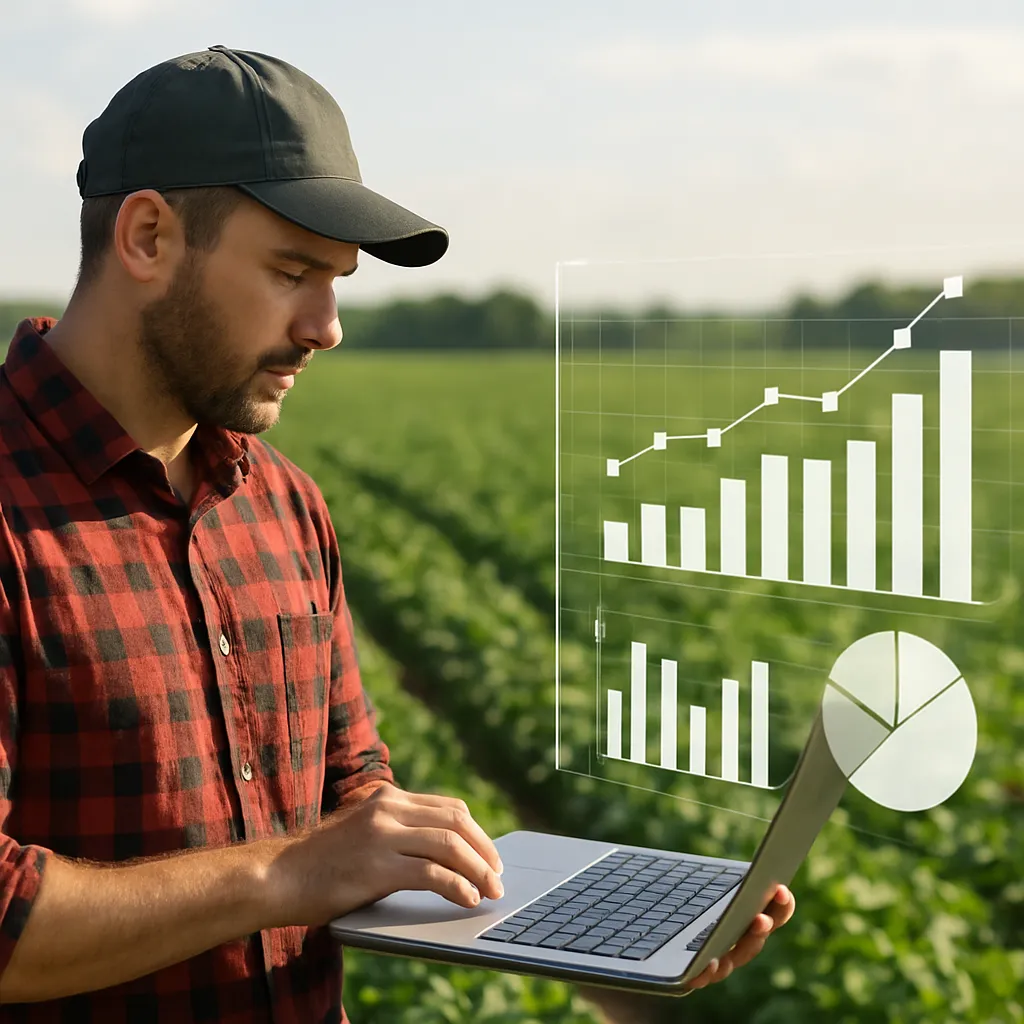


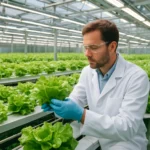
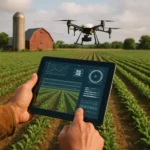
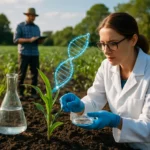
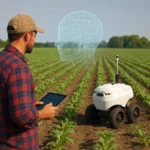
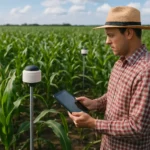
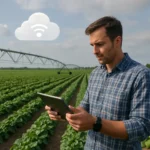
The rapid evolution of the food processing industry is driven by a convergence of cutting-edge technologies and visionary practices. As global populations rise and environmental pressures mount, the integration of automation and AI into agricultural and processing workflows is revolutionizing how we cultivate, harvest, and transform raw materials. Stakeholders across the supply chain are embracing this shift to ensure higher yields, reduced waste, and enhanced product quality, all while addressing the urgent need for sustainability and equitable food distribution.
Emerging Technologies Transforming Processing
At the heart of modern food processing lies a suite of innovations that promise unprecedented levels of control and performance. From advanced sensors embedded within production lines to real-time data analytics platforms, these tools enable producers to optimize every stage of processing.
Smart Sorting and Grading
Traditional sorting methods are labor-intensive and prone to human error. Today’s vision systems harness high-resolution cameras and machine learning algorithms to evaluate shape, color, and surface quality within milliseconds. Automated sorters can detect bruises on fruits or deviations in grain size with far greater precision than manual inspection, ensuring a consistent final product and minimizing waste.
Predictive Maintenance and Uptime Maximization
Equipment downtime can cripple production schedules. By integrating AI-driven predictive maintenance systems, factories can forecast potential failures based on vibration patterns, temperature fluctuations, and historical service records. This proactive stance not only enhances operational efficiency but also extends the lifespan of valuable machinery.
Innovations in Thermal and Non-Thermal Processing
Heat treatments and pasteurization remain essential for food safety, yet novel approaches like high-pressure processing, pulsed electric fields, and cold plasma are gaining traction. These non-thermal techniques preserve nutritional content and flavor while ensuring microbial inactivation, representing a leap forward in both quality and consumer appeal.
Integration of Robotics and Data Analytics
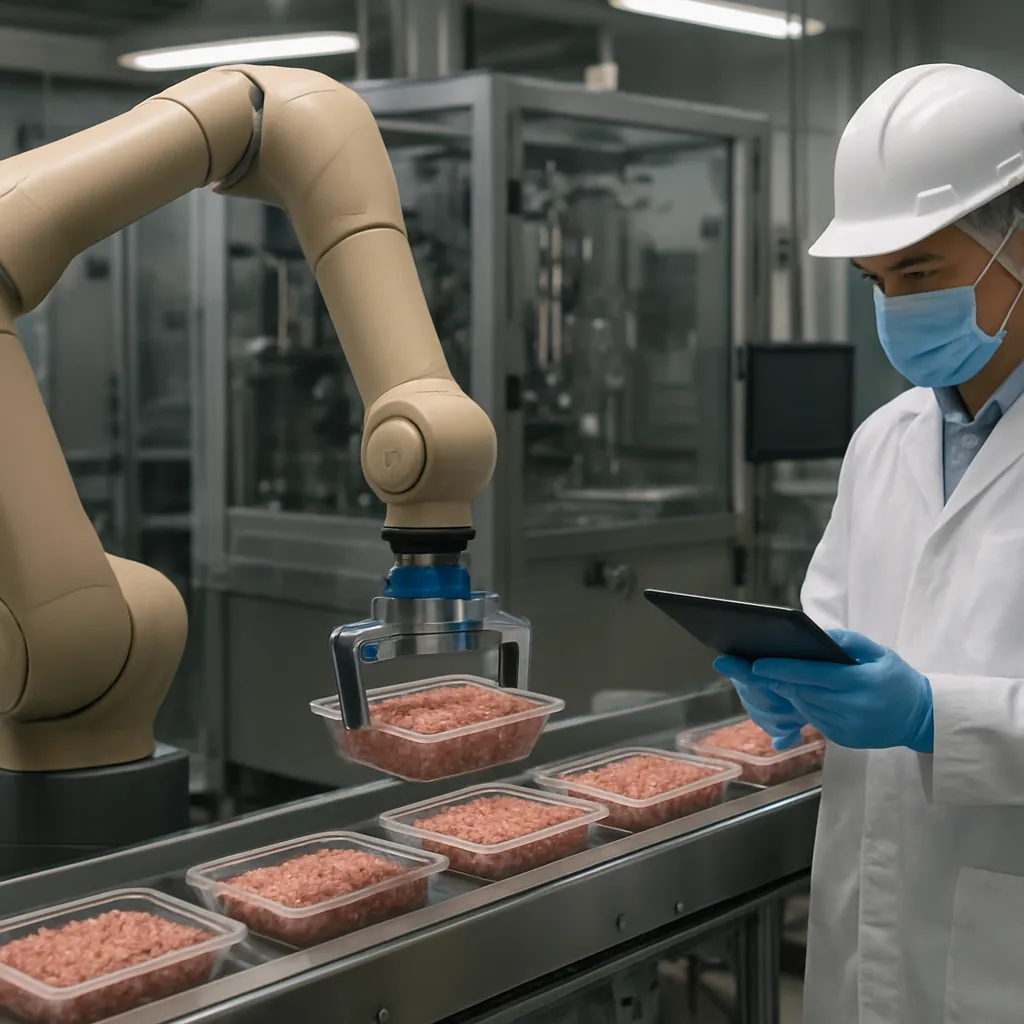
The synergy between robotics and data analytics is reshaping the entire supply chain—from farm to fork. Collaborative robots, or cobots, work alongside human operators to handle delicate produce, manage packaging, and streamline logistics. Their adaptability and gentle touch reduce damage, improving yield and profitability.
Automated Harvesting and Handling
- Robotics platforms equipped with AI vision can identify ripe fruits and vegetables among dense foliage, picking only the best specimens without bruise or blemish.
- Grippers designed using soft materials adapt to the irregular shapes of produce, maintaining integrity during transport to processing facilities.
- Real-time feedback loops allow robots to adjust speed and pressure, optimizing throughput while preserving product quality.
Advanced Traceability and Blockchain Integration
Consumers demand transparency about their food’s origin and journey. Blockchain-based traceability systems record every transaction, movement, and transformation in an immutable ledger. This digital trail, combined with IoT devices, offers stakeholders immediate access to provenance details, quality audits, and compliance certifications, bolstering trust and reducing risk in global markets.
Data-Driven Recipe Optimization
Food scientists leverage massive datasets to refine ingredient combinations, processing parameters, and packaging methods. AI models simulate how variables such as temperature, moisture, and mixing speed influence texture and taste, leading to formulations that meet both nutritional guidelines and sensory expectations. This data-centric approach accelerates product development cycles and mitigates costly trial-and-error experiments.
Sustainability and Global Food Security
Meeting the nutritional needs of nearly 10 billion people by 2050 demands a radical rethinking of production and processing paradigms. Prioritizing resilience and environmental stewardship, industry leaders are embedding sustainable practices into every layer of operation.
Energy and Water Conservation
Processing plants are notorious for high energy and water footprints. Integrating heat recovery systems, solar generation, and closed-loop water networks slashes resource consumption. Coupled with AI-guided demand forecasting, facilities can adjust operational intensity to match real-time requirements, preventing overuse of utilities.
Waste Valorization
- Byproducts such as fruit peels, seeds, and stems are increasingly viewed as valuable feedstocks. Through enzymatic extraction and fermentation, processors derive fibers, oils, and bioactive compounds, opening new revenue streams and reducing landfill burdens.
- Innovative packaging solutions made from biodegradable polymers or agricultural residues close the circular economy loop and cut reliance on fossil-based plastics.
Climate-Adaptive Supply Chains
Variability in weather patterns poses a significant threat to input availability. AI-powered climate models forecast rainfall, temperature anomalies, and pest outbreaks, enabling proactive adjustments in planting schedules and varietal selection. This anticipatory management enhances crop yield stability and fortifies supply chains against unexpected shocks.
Fostering Collaboration and Future Outlook
Realizing the full potential of automated and AI-driven food processing hinges on strong partnerships among technology providers, agronomists, policymakers, and civil society. Shared data repositories, open-source algorithms, and pilot demonstration sites accelerate innovation diffusion and ensure equitable access across regions of diverse scales.
Training and Workforce Evolution
As manual tasks give way to digital operations, workforce skill requirements shift toward data literacy, robotics maintenance, and systems integration. Collaborative training programs between universities and industry players equip the next generation with interdisciplinary expertise, safeguarding job creation and social acceptance of emerging technologies.
Regulatory Frameworks and Standards
Harmonized regulations that address AI ethics, data privacy, and food safety are essential to foster consumer confidence. International bodies and local authorities must co-develop guidelines that balance innovation incentives with rigorous oversight, ensuring transparent accountability across the value chain.
Pioneering Global Demonstration Hubs
Centering around regional strengths—such as precision horticulture in the Mediterranean or aquaculture in Southeast Asia—demonstration hubs showcase best practices and scalable models. These knowledge centers serve as launchpads for broader adoption, translating research insights into real-world impact and delivering resilient, nutritious food to every corner of the globe.