

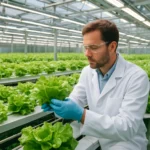
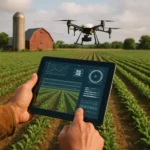
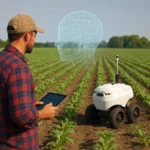
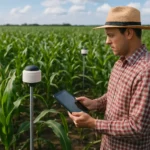


The rapid evolution of digital technologies in agriculture has unlocked unprecedented opportunities for farmers, researchers, and agribusinesses. By integrating diverse data sources—from soil moisture sensors and satellite imagery to farm machinery telemetry—stakeholders can make informed decisions that drive productivity, reduce waste, and promote environmental stewardship. At the heart of these advancements lies the concept of interoperability, enabling seamless communication between devices, platforms, and analytics tools. This article delves into the multifaceted role of data interoperability in shaping the future of impressive agriculture, examining its benefits, challenges, and strategic pathways to foster a truly connected agrifood ecosystem.
Evolving Landscape of Smart Farming Ecosystems
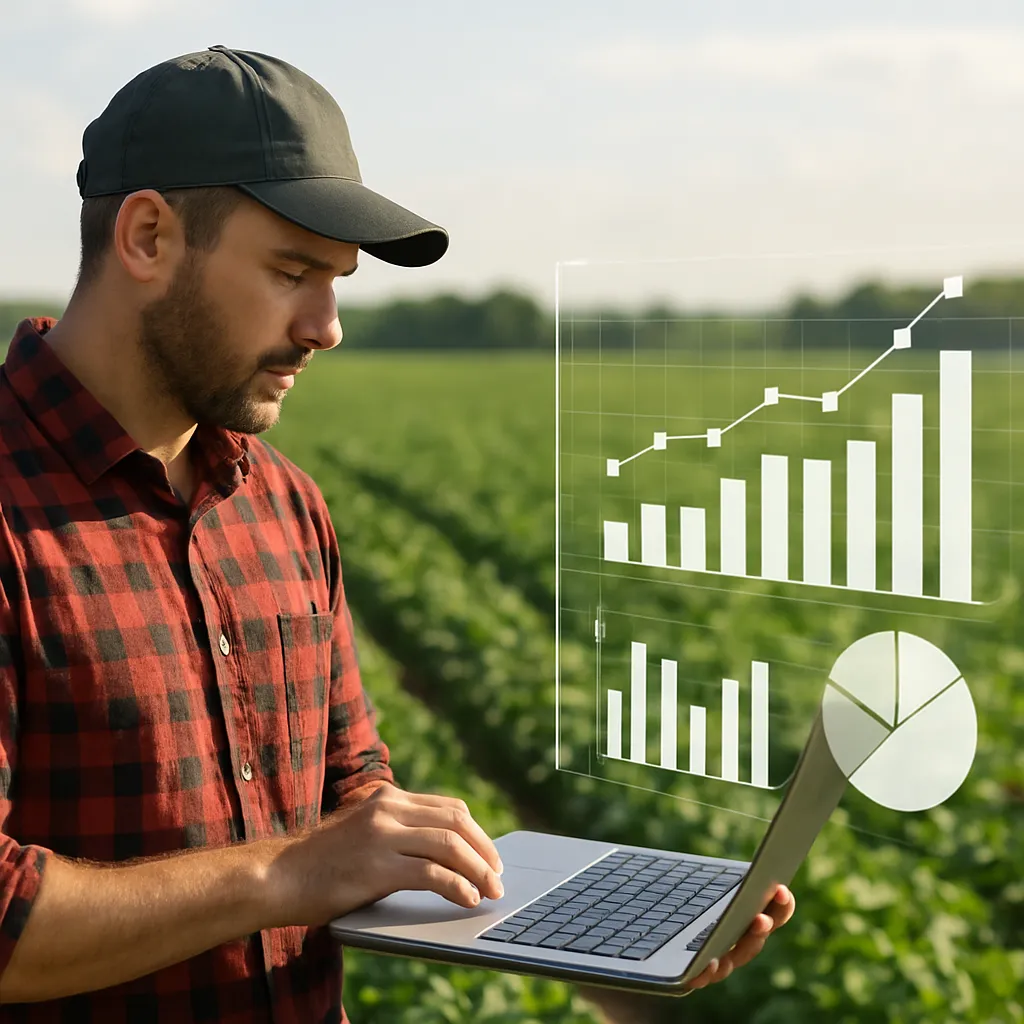
Modern farms are rapidly transforming into high-tech operations, leveraging Internet of Things (IoT) devices, unmanned aerial vehicles (UAVs), and cloud-based services. Each component generates valuable data, yet proprietary protocols and disparate formats often result in isolated silos. Without a common framework for data exchange, the potential for efficiency gains remains untapped. Adopting a unified approach to data standards ensures that a soil probe’s moisture readings can be instantly correlated with weather forecasts, while yield monitors on combines can feed performance metrics directly into machine-learning models. This level of integration hinges on the widespread adoption of open APIs, standardized message schemas, and cross-vendor collaboration.
Such interoperability drives operational agility. Farmers gain real-time visibility into field conditions; agronomists can refine variable-rate applications; and supply chain managers can trace produce quality from harvest to retail. In regions grappling with labor shortages or climate stress, a seamlessly connected network of sensors and platforms becomes indispensable. By prioritizing data compatibility at the design stage, equipment manufacturers and software developers can empower end users with a truly interoperable toolkit, unlocking new avenues for innovation in precision agriculture.
Enabling Precision Agriculture through Standardized Data Exchange
Precision agriculture thrives on the ability to apply inputs—water, fertilizers, pesticides—exactly where and when they are needed. To achieve this, disparate datasets must be harmonized. Soil nutrient profiles, geospatial layers, pest incidence reports, and irrigation schedules all contribute to a holistic management strategy. Standardized data exchange protocols allow decision-support systems to cross-analyze these layers, generating prescription maps that optimize resource use and minimize environmental impact. Farmers can adjust tractor autopilot settings, calibrate sprayer nozzles, and schedule irrigation runs through a single interface, backed by reliable connectivity and shared semantics.
By leveraging uniform identifiers for crops, fields, and machinery, stakeholders eliminate guesswork and reduce manual data entry errors. This not only accelerates response times but also enhances traceability, crucial for food safety compliance and certifications. As global markets demand higher transparency, an interoperable digital infrastructure ensures that quality metrics—such as residue levels or organic status—can be documented and verified end to end. The result is a virtuous cycle of trust, where producers earn premium prices by showcasing verifiable data, and consumers gain confidence in the provenance of their food.
Harnessing Advanced Analytics and Artificial Intelligence
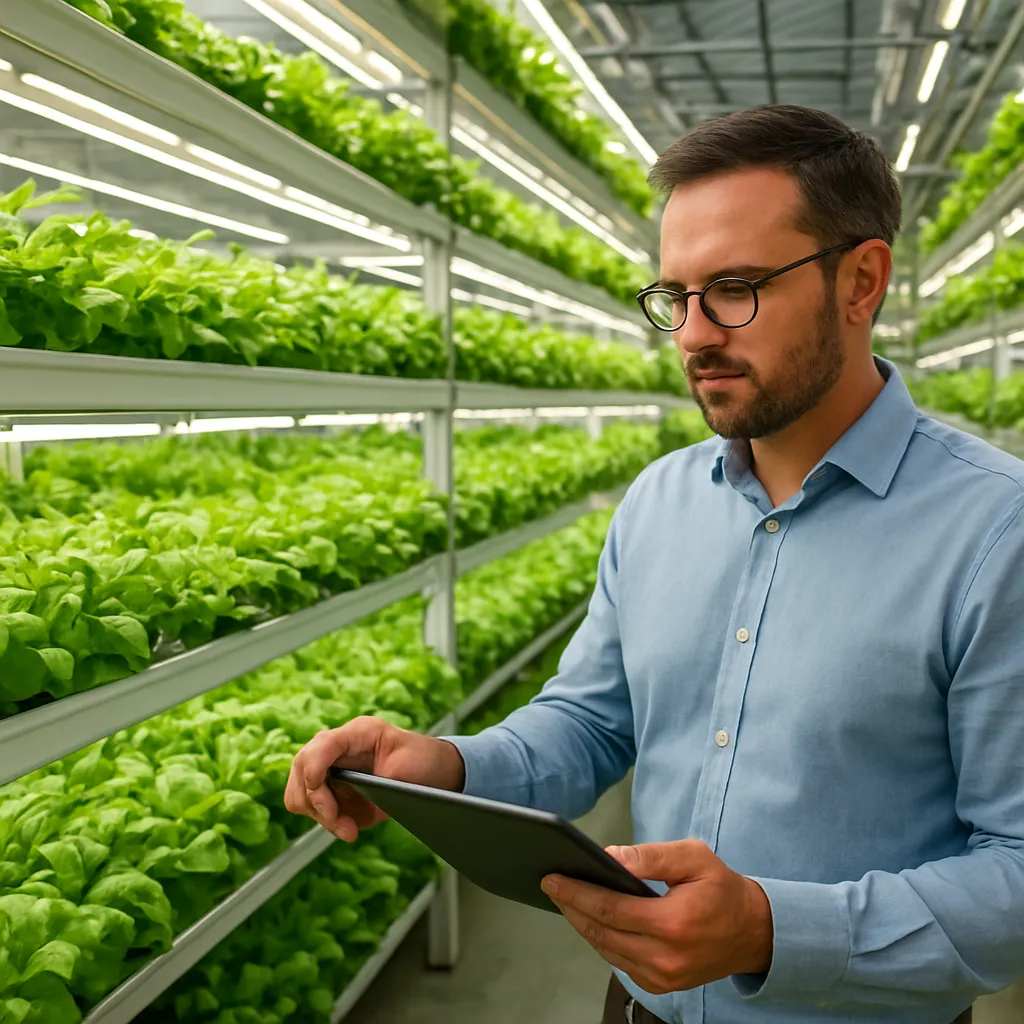
Once data flows freely across farm systems, advanced analytics and AI-driven insights become possible. Machine learning algorithms can predict disease outbreaks based on multi-year weather patterns, while computer vision systems identify nutrient deficiencies from drone-captured imagery. However, the efficacy of these applications depends on high-quality, interoperable inputs. When satellite-derived vegetation indices, greenhouse sensor logs, and livestock health records adhere to common data models, AI pipelines can be scaled rapidly across geographies and cropping systems.
Interoperable data feeds also enable federated learning approaches, where models are trained on decentralized datasets without compromising privacy. Multiple cooperatives or research institutions can collaborate on disease-resistant cultivar trials, sharing algorithmic improvements rather than raw data. This preserves proprietary boundaries while accelerating collective progress. Moreover, cloud-based analytics platforms that conform to open standards allow smaller producers to tap into enterprise-grade tools, leveling the playing field for rural and emerging-market growers. The synergy between analytics, shared infrastructures, and expert knowledge fosters a resilient food production network capable of adapting to evolving challenges.
Overcoming Barriers: Technical and Organizational Challenges
Despite its clear advantages, achieving full data interoperability in agriculture faces hurdles. Technical limitations include legacy equipment lacking digital interfaces, incompatible data schemas, and variable network connectivity in remote areas. Equally daunting are organizational issues: vendors may resist open architectures to protect market share, and farms may lack the in-house expertise to manage complex IT integrations. Addressing these concerns requires a concerted effort toward standardization and capacity building.
Industry consortia and standards bodies play a critical role by defining common protocols—such as the Agricultural Data Application Programming Toolkit (ADAPT) or ISO 11783 for machine communication. Certification programs ensure that compliant devices and software adhere to interoperability benchmarks. Simultaneously, training programs help farmers and agronomists interpret data flows and configure systems for optimal performance. Public-private partnerships can subsidize connectivity infrastructure, while open-source reference implementations demonstrate proof-of-concept frameworks for small- and medium-scale operations. Ultimately, striking a balance between competitive differentiation and collaborative openness is key to unlocking the full spectrum of benefits from interconnected agritech solutions.
Building a Collaborative Agrifood Network for Sustainability
Sustainable agriculture demands holistic thinking: conservation of water and soil, reduction of chemical inputs, and minimization of greenhouse gas emissions. Data interoperability underpins each of these objectives by enabling feedback loops that inform adaptive management. For example, watershed-level monitoring networks can integrate farm-level runoff measurements with municipal water treatment data, guiding landscape-scale interventions. Supply chain platforms that interoperate with farm management systems can dynamically adjust logistics to reduce carbon footprints, aligning procurement decisions with sustainability targets.
Such collaboration extends beyond technology to encompass stakeholders across the value chain: seed breeders, agronomists, transporters, processors, retailers, and consumers. Shared data standards facilitate transactions, quality checks, and certification processes, empowering all participants to contribute to a transparent and resilient food system. By fostering a culture of open data exchange and embracing scalable solutions, the agriculture sector can meet the dual imperatives of feeding a growing population and preserving the planet’s vitality. The fusion of sustainability, digital transformation, and cross-sector collaboration heralds a new era in which agriculture is not merely productive but also regenerative and inclusive.