

In the ever-changing landscape of modern farming, the synergy between cutting-edge digital infrastructure and traditional cultivation methods is driving unprecedented growth. By integrating IoT devices directly into crops, livestock and soil monitoring systems, farmers can achieve levels of efficiency and insight that were once unimaginable. Among the transformative technologies at play, edge computing stands out for its ability to process data where it is generated, minimizing latency and enabling truly real-time decision-making. This article delves into how edge-driven agricultural IoT platforms are reshaping modern agronomy, boosting yields, cutting waste, and ensuring long-term sustainability in an era of mounting environmental challenges.
The Evolution of Agricultural Technology
Mechanization and chemical inputs revolutionized farming in the 20th century, but the digital wave of the 21st century is propelling agriculture into a new frontier. Early attempts at automation often suffered from limited computational resources and unreliable network links. As the number of deployed sensors ballooned, centralized cloud servers struggled to keep pace with the flood of data. Large farms in remote regions experienced delays in conveying critical information back to a control center, undermining agility and rapid responses to changing field conditions.
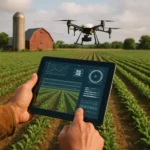
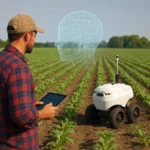
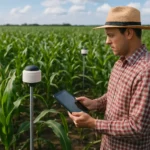
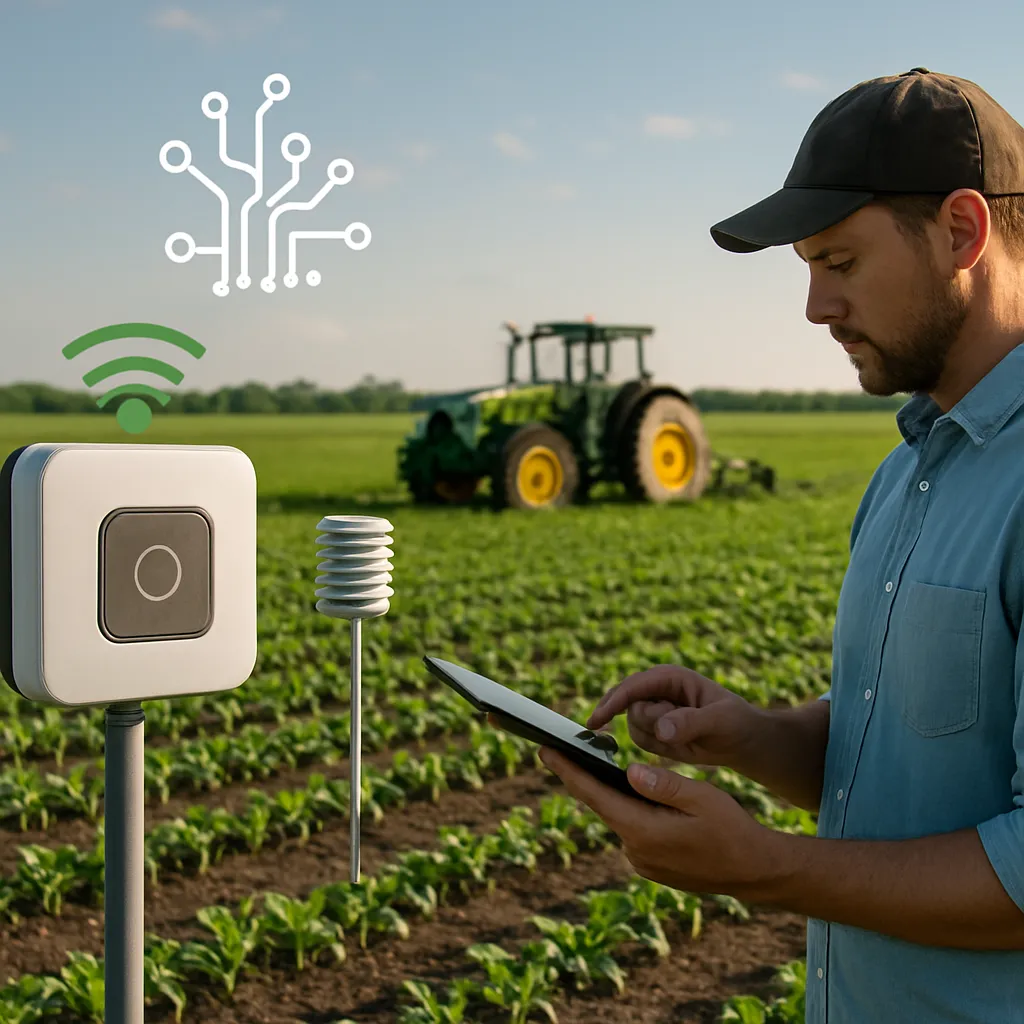
Farmers began to demand smarter solutions that could handle heavy data loads without depending on distant datacenters. The result was a shift in focus toward on-site data processing. Small, robust computing units—sometimes mounted on drones, tractors or even standing posts among rows of vegetables—started performing advanced analytics locally. These edge nodes could measure temperature variations, soil moisture, nutrient levels and pest activity instantaneously, making it easier to maintain optimal crop health without waiting for cloud round trips.
Edge Computing: Transforming Data Processing on the Field
Smart agriculture architectures powered by edge computing deploy mini data centers at the farm’s edge, close to sensors, actuators and other IoT endpoints. This proximity slashes the time between data generation and actionable feedback. A soil sensor that detects impending drought stress can prompt a drip irrigation valve to open within milliseconds. By processing data locally, farms gain powerful resilience against intermittent or low-bandwidth internet links, ensuring systems remain operational even when connectivity falters.
More sophisticated edge units incorporate machine learning models directly on the device, enabling pattern recognition for early disease detection or yield prediction. When anomalies arise—such as a sudden spike in leaf temperature indicating fungal infection—alerts are generated instantly, and mitigation measures can be deployed without human intervention. In this model, the central cloud retains a supervisory role, aggregating long-term trends and distributing updated algorithms back to edge devices in periodic syncs, thereby maintaining scalability across hundreds or thousands of nodes.
Key Benefits for Precision Farming
By harnessing on-site computation, precision agriculture reaps multiple rewards:
- Connectivity optimization: Localized processing reduces dependency on unstable rural networks.
- Reduced bandwidth costs: Only critical summaries or anomalies are sent to central servers, trimming long-haul data transfers.
- Real-time responsiveness: Rapid actuation of irrigation, fertilization or pest control based on live readings.
- Enhanced data security: Sensitive farm metrics remain onsite, lowering exposure to external cyber threats.
- Energy efficiency: Low-power edge modules operate on solar or battery backup, aligning with eco-friendly goals.
Such improvements translate into measurable yield uplifts, as crops consistently receive precisely the inputs they require, when they require them. Farmers report significant cuts in water usage and chemical runoff, demonstrating how smart systems can contribute to both economic and environmental targets.
Challenges and Future Perspectives
Integrating edge computing into agricultural settings is not without hurdles. Hardware deployed outdoors must endure extreme temperatures, humidity, dust and occasional physical impacts. Ensuring reliable power sources in remote fields can involve solar installations and robust battery management systems. Moreover, as farms embrace hundreds of edge nodes, managing firmware updates, security patches and device life cycles becomes a formidable task, requiring sophisticated orchestration frameworks.
Looking ahead, the adoption of 5G and Low-Power Wide-Area Networks (LPWAN) promises to bolster connectivity reliability, enabling higher data throughput between edge clusters and central platforms. Advancements in tiny AI chips and neuromorphic processors may further shrink power consumption and improve on-device machine learning capabilities. Collaborative initiatives among agronomists, data scientists and hardware engineers will be vital in forging standardized protocols that ensure interoperability and seamless integration across diverse equipment manufacturers.
Case Studies: Success Stories from the Field
In the vineyards of southern Europe, a consortium of winemakers deployed edge-enabled drones to capture hyperspectral imagery of grape clusters. Onboard processors analyzed chlorophyll levels and moisture stress, directing precision misters to apply fungicides only where needed. The result was a 20% reduction in chemical usage and a notable improvement in grape quality metrics.
Meanwhile, rice paddies in Southeast Asia adopted a network of floating sensor buoys powered by solar panels. Edge units monitored water depth, dissolved oxygen and pH levels, autonomously adjusting aeration pumps to maintain optimal conditions. Farmers witnessed yield increases exceeding 15%, along with a 30% drop in electricity consumption for pumping systems.
These examples illustrate the tangible benefits of merging edge computing with agricultural IoT. As the technology matures, more growers will harness localized intelligence to drive productivity, preserve scarce resources and cultivate a sustainable future for global food systems.