

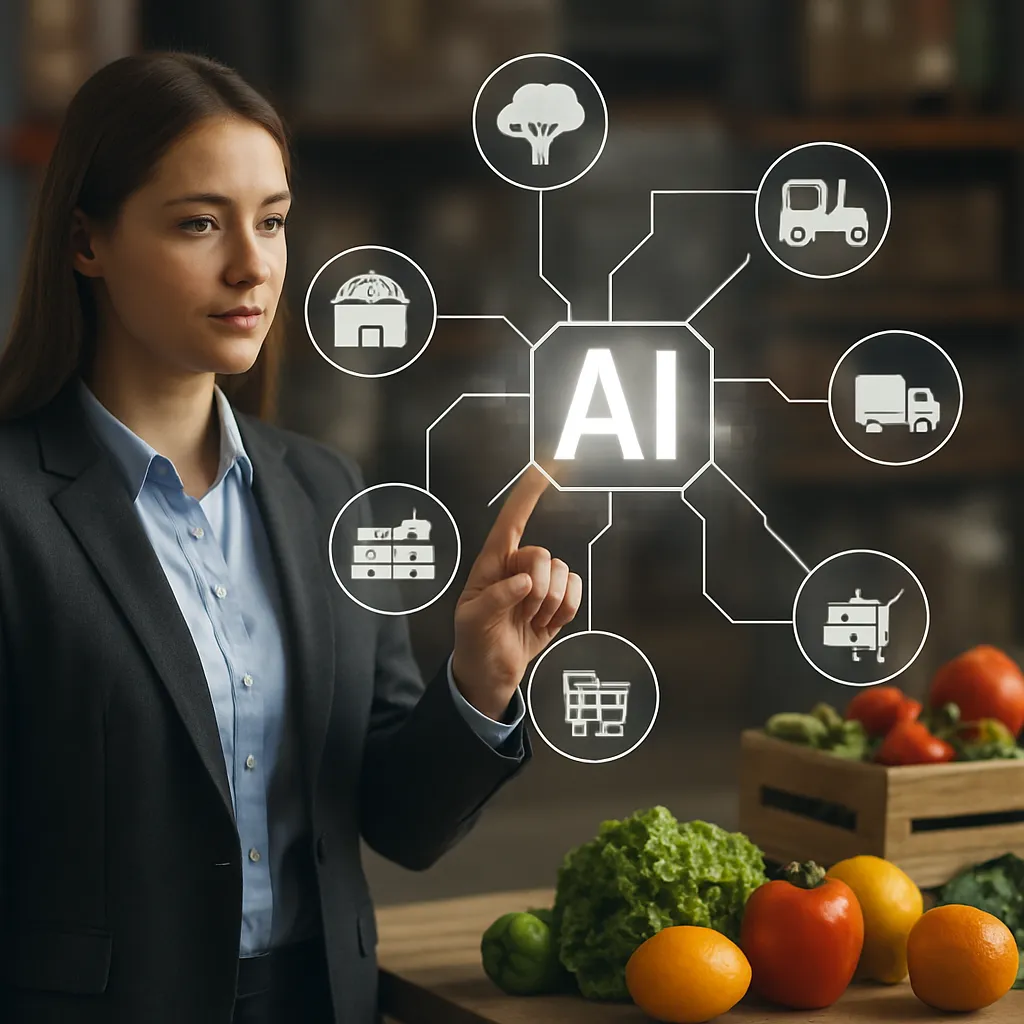
Innovations driven by artificial intelligence are transforming agriculture beyond imagination. In the realm of impressive agriculture, AI technologies empower stakeholders to streamline operations, reduce waste, and improve sustainability. This article explores how advanced algorithms and data-driven tools reshape every stage of the food supply chain, from planting to the consumer’s plate.
Revolutionizing Production Forecasting
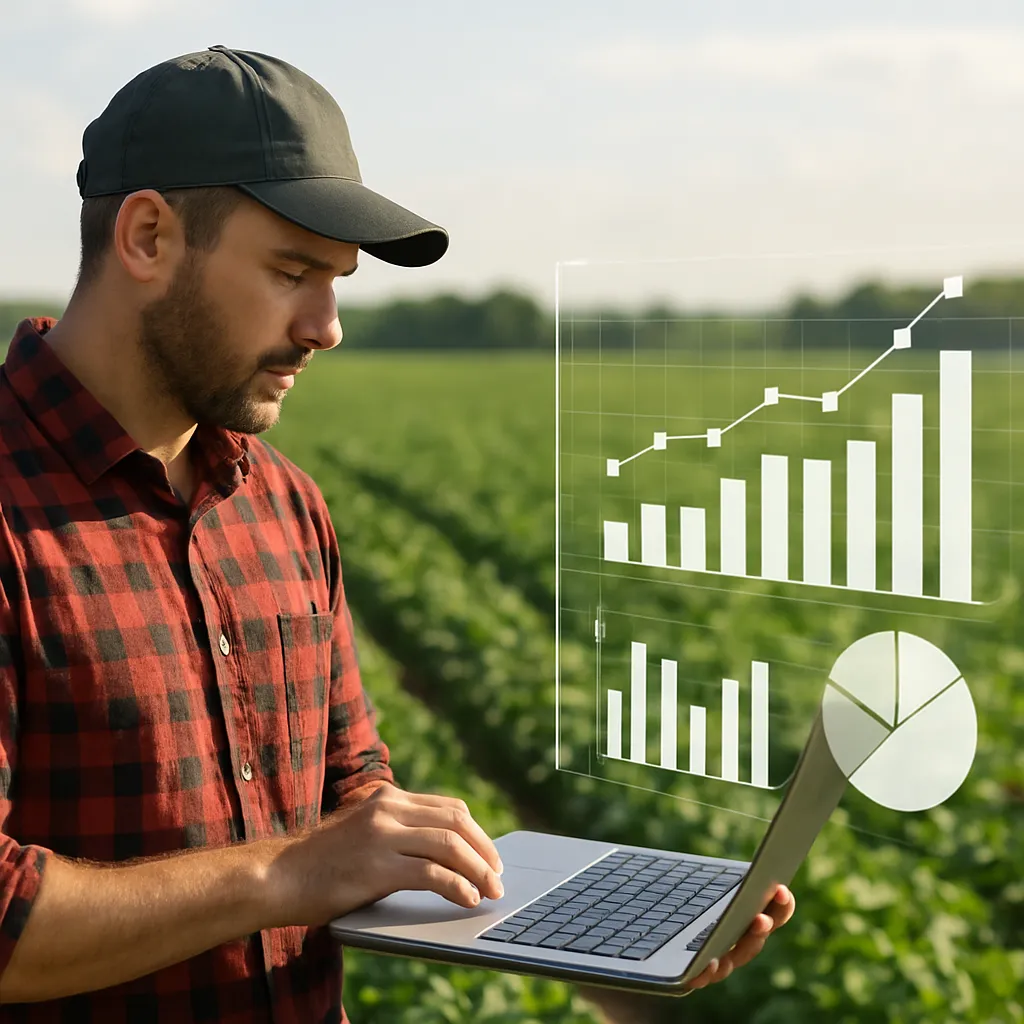
Accurate forecasting is the backbone of modern agriculture. By leveraging predictive analytics and machine learning models, farmers can anticipate crop yields, optimize planting schedules, and allocate resources more effectively. Weather variability, soil conditions, and crop health indicators are integrated into centralized platforms, enabling real-time adjustments and proactive decision-making.
Data-Driven Field Insights
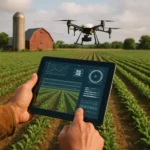
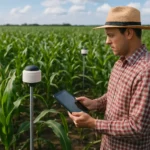
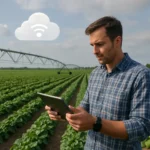
- Sensors and drones collect multispectral imagery, feeding data into AI-driven dashboards.
- Algorithms analyze plant stress, moisture levels, and nutrient deficiencies.
li>Pest and disease outbreaks are predicted days or weeks in advance, minimizing losses.
Dynamic Resource Allocation
By simulating multiple growth scenarios, AI systems recommend precise irrigation plans, fertilizer applications, and harvest timing. Such dynamic resource allocation not only boosts efficiency but also reduces environmental impact by curbing water overuse and chemical runoff.
Enhancing Transportation and Logistics
Moving fresh produce swiftly from farms to distribution centers demands superior logistics solutions. AI-powered platforms optimize routing, consolidate shipments, and anticipate delays. The result is a resilient network that adapts to traffic patterns, weather disruptions, and labor shortages.
Smart Routing Algorithms
- Real-time traffic data and predictive models identify fastest delivery corridors.
- Vehicle utilization is maximized through dynamic loading and consolidation strategies.
- Carbon emissions are calculated and minimized via optimized route planning.
Autonomous Delivery Systems
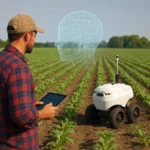
Emerging robotics and autonomous vehicles are tested for last-mile deliveries in rural and urban landscapes. These systems promise reduced labor costs, consistent delivery times, and enhanced sustainability by operating on electric power or biofuels.
Optimizing Storage and Inventory Management
Efficient storage facilities preserve quality and reduce spoilage. AI-driven climate control systems adjust temperature, humidity, and airflow in real time. Advanced inventory management tools forecast demand, ensuring perishables are rotated and dispatched before expiration.
Intelligent Cold Chain Monitoring
- Sensors transmit continuous data to centralized AI hubs.
- Anomalies are flagged immediately, triggering corrective actions.
- Blockchain integration secures data integrity for audits and compliance.
Dynamic Demand Forecasting
Retailers use AI to analyze sales patterns, seasonal trends, and external factors like social media engagement. This granular approach to demand planning reduces stockouts, minimizes overproduction, and aligns supply with consumer preferences.
Ensuring Traceability and Safety
Consumers demand transparency regarding food origins and production practices. AI and distributed ledger technologies work in tandem to establish traceability from seed to shelf. Each batch is assigned a digital passport, detailing cultivation methods, processing steps, and transit history.
Blockchain-Enhanced Supply Chains
- Immutable records are generated at every touchpoint, preventing tampering.
- Smart contracts automate payments once conditions are met, fostering trust.
- Recall processes are accelerated by pinpointing affected lots within seconds.
Quality Assurance through Computer Vision
High-resolution cameras and AI models detect defects, contaminants, or foreign objects on production lines. Real-time quality control ensures that only safe, premium-grade products reach consumers, reinforcing brand reputation and reducing liability risks.
Future Directions and Emerging Innovations
As research advances, next-generation AI applications will further revolutionize the food supply chain. Quantum computing promises faster optimization routines, while edge AI brings intelligence directly to farm machinery and storage units. Collaborative platforms will share data across stakeholders to foster holistic improvement in sustainable agriculture.
Integrating IoT and AI at the Edge
- Smart tractors and harvesters will make autonomous decisions in milliseconds.
- On-device AI reduces latency and reliance on constant cloud connectivity.
- Energy-efficient processors enhance field deployability and minimize power draw.
Collaborative Ecosystems for Global Impact
Public-private partnerships, non-profit organizations, and research institutions are building open-source frameworks and data exchanges. By pooling insights and best practices, the entire food supply chain becomes more resilient, adaptable, and aligned with global sustainability goals.